Can Blepharoplasty Be Done With Brow Lift or Skin Treatments in the Same Trip?

Key Takeaways
- Blepharoplasty and a brow lift are often discussed together because both can affect the appearance of the upper face and eyes.
- Not every skin treatment belongs in the same surgical plan; timing depends on whether the treatment is superficial, injectable, or more intensive.
- Combining procedures may reduce the number of trips, but it can also lengthen recovery and raise the importance of careful planning.
- A qualified surgeon will examine eyelid position, brow height, skin elasticity, and facial balance before recommending a sequence.
- International patients benefit from a clear timeline for surgery, aftercare, follow-up, and any skin procedure that should wait until healing is complete.
Medically reviewed by the Acıbadem clinical team — June 13, 2026
Blepharoplasty can sometimes be planned together with a brow lift or selected skin treatments, but the safest and most suitable approach depends on the eye area, skin quality, and overall health. A careful pre-travel consultation helps patients understand which procedures can be combined in one trip and which are better staged.
Overview
Blepharoplasty is eyelid surgery designed to remove or reshape excess skin and, in some cases, fat from the upper or lower eyelids. A brow lift, by contrast, addresses tissue that sits higher on the face and can help reposition a heavy or descended brow that makes the upper eyelids look more hooded than they truly are.
Because these changes overlap visually, patients often ask whether both procedures can be done during the same trip. In some cases, the answer is yes. Surgeons may combine them when doing so creates a more balanced result and when the patient’s health, anatomy, and recovery needs make that plan sensible.
Skin treatments add another layer to the question. Some treatments, such as gentle skincare plans or non-invasive procedures, may fit around surgery with proper timing. Others, especially those that stress the skin or create temporary swelling, are usually scheduled separately so healing is clearer and safer to monitor.
Why these procedures are often considered together
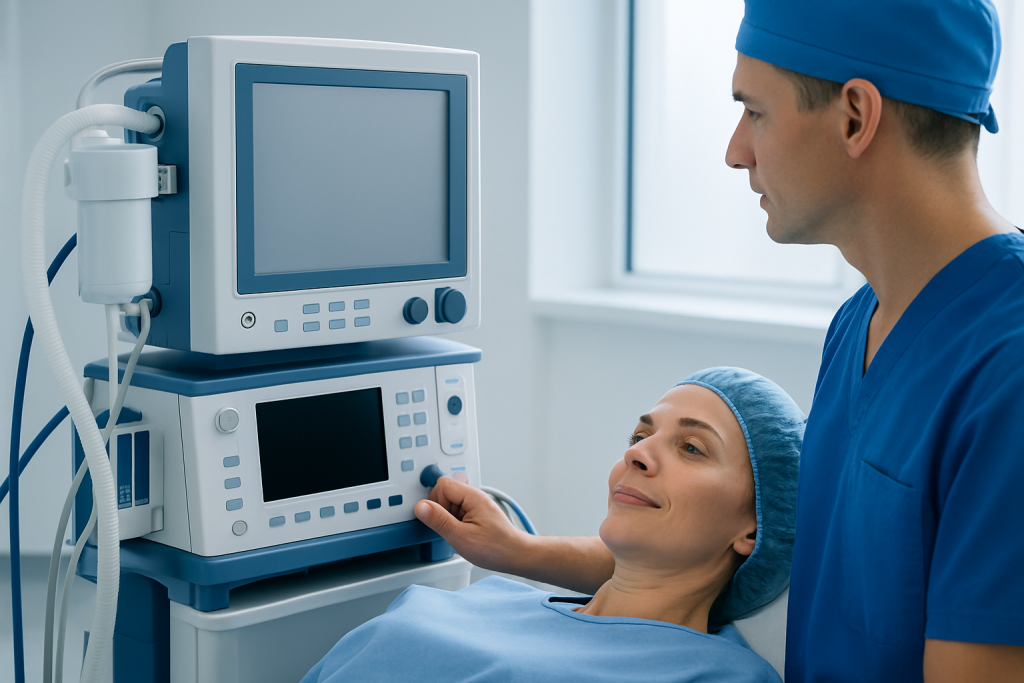
The upper eyelid and brow are a visual partnership. A low brow can push skin downward over the eyelid crease, while excess eyelid skin can make the brow area appear heavier. Treating only one part of this structure may improve the appearance, but it may not fully address the source of the concern.
That is why surgeons frequently evaluate the entire upper face before deciding on a plan. If the brow has descended and the eyelids have true excess skin, combining a brow lift with blepharoplasty may produce a more harmonious result than either procedure alone. The goal is not to change one feature in isolation, but to restore a rested, natural look across the upper face.
For international patients, this discussion matters even more because travel, leave from work, and recovery time all need to be coordinated. A combined plan can be efficient, but only if it still allows safe surgery, manageable swelling, and reliable follow-up after the return journey.
Which skin treatments can be paired with eyelid surgery?
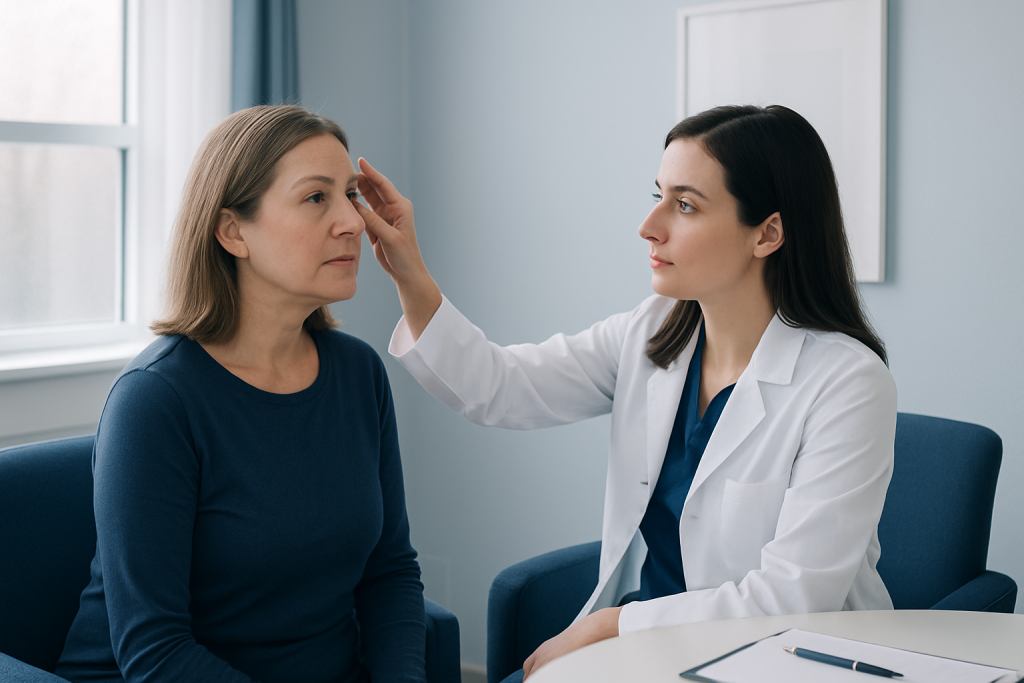
Some skin-focused treatments may be part of the same overall aesthetic plan, but not all are done at the same time as surgery. Treatments that do not break the skin deeply or create significant inflammation may be considered before or after the procedure, depending on the surgeon’s advice and the skin’s condition.
Examples of treatments that are sometimes discussed in relation to blepharoplasty include light resurfacing, carefully timed injectables, and maintenance skincare once incisions have healed. In contrast, stronger lasers, deeper peels, and procedures that can irritate freshly operated skin are often postponed until the surgical site has stabilized.
- Timing is usually based on wound healing, swelling, and the chance of skin irritation.
- Procedures near the eyes require extra caution because the skin is thin and sensitive.
- A surgeon may coordinate with a dermatologist or skin specialist for the safest sequence.
Patients should not assume that a “same trip” plan means “same day” treatment. Often, a combined journey involves one main operation and a second treatment scheduled later in the recovery window or during a follow-up visit.
How surgeons decide what can be combined
The decision starts with a detailed face-to-face or virtual assessment. The surgeon studies eyelid position, brow height, skin thickness, muscle tone, eye closure, and any asymmetry. They also ask about previous cosmetic procedures, dry eye symptoms, contact lens use, medications, and medical conditions that could affect healing.
When the brow is contributing significantly to eyelid heaviness, a brow lift may be recommended alongside blepharoplasty. When the eyelids are the main issue and the brow sits naturally, eyelid surgery alone may be enough. If a patient is also interested in skin treatments, the team considers whether those treatments would complement healing or interfere with it.
For patients traveling from abroad, this planning step is especially important because the schedule must include consultation, surgery, early follow-up, and time for swelling to settle. A clear plan reduces surprises and helps the patient know what can reasonably be accomplished during one visit.
Benefits and trade-offs of a combined approach
One of the main advantages of combining procedures is convenience. Fewer separate trips can mean less time away from home, a more streamlined recovery period, and one coordinated set of preoperative instructions. Many patients also appreciate addressing the upper face in a single aesthetic plan so that the results appear balanced.
There are, however, trade-offs. A longer procedure may mean a more involved recovery in the short term, and swelling can be more noticeable when several areas are treated at once. The patient may also need a slightly longer period before returning to exercise, social events, or work involving screens and close visual focus.
Another consideration is realism. Some patients hope to fit surgery and several skin treatments into a very short travel window. A safe plan may instead involve surgery first, then staged skin care after healing. In aesthetics, timing is often part of the treatment itself.
What recovery can look like after combined treatment
Recovery varies by procedure, but eyelid surgery and brow lifting both commonly involve swelling, bruising, and temporary tightness around the eyes and forehead. If a skin treatment is performed too close to surgery, it may be harder to tell which symptoms are part of normal healing and which may need attention, which is one reason staging is often preferred.
Patients are usually advised to keep the head elevated, use cold compresses if recommended, avoid rubbing the area, and follow instructions about cleansing and ointments. It is also common to limit heavy lifting, bending, strenuous exercise, and exposure to heat or sun until the surgeon says it is safe.
For international patients, recovery planning should include where follow-up will happen once they return home. The surgeon may recommend a local doctor, a telemedicine check-in, or a delayed skin-treatment appointment so that the healing process remains supervised from a distance.
Prevention, preparation, and self-care before travel
The best preparation begins before the flight. Patients should provide a full medical history, including dry eye issues, blood-thinning medications, allergies, smoking history, and any prior facial procedures. Clear disclosure helps the surgical team decide whether the intended combination is appropriate.
It is also wise to set expectations around downtime. Patients may need to plan for rest, limited social commitments, and sunglasses or eye protection after surgery. If a skin treatment is being considered as part of the same trip, the timeline should be written out in advance so there is no pressure to add procedures at the last minute.
Useful self-care habits include protecting the skin from sun, avoiding non-approved products on healing areas, and arranging practical support for the journey home. When a patient is traveling for care, logistics matter as much as the operation itself.
When to see a doctor
Anyone considering blepharoplasty, a brow lift, or skin treatments should seek evaluation from a qualified plastic surgeon or facial specialist before making travel plans. A consultation is especially important if the eyelids feel heavy, vision is partly obstructed, or the brow seems to be contributing to the appearance of tiredness.
After treatment, the patient should contact the care team promptly if swelling seems to worsen rather than improve, if there is unexpected pain, fever, discharge, or difficulty closing the eyes, or if the vision changes. These issues are not typical and deserve professional review.
For international patients, a well-organized team can help with timing, procedure selection, and follow-up. At Acibadem Health Point, multidisciplinary specialists and JCI-accredited hospitals diagnose and treat facial aesthetic concerns for international patients, with planning that can include coordinated recovery and follow-up care.
Frequently asked questions
Can blepharoplasty and a brow lift be done in one surgery?
Yes, they can sometimes be combined when the brow position and eyelid changes both contribute to the concern. The surgeon decides based on facial anatomy, overall health, and whether the combination will create a balanced result. Not every patient needs both procedures.
Can skin treatments be done during the same trip as eyelid surgery?
Sometimes, but the timing matters. Gentle treatments may be planned around surgery, while stronger peels, lasers, or other skin-stressing procedures are often delayed until healing is further along. The safest sequence depends on the exact treatment and the skin’s condition.
Does combining procedures make recovery much harder?
It can make the early recovery period a bit more intense because more than one area is healing. That does not mean it is unsafe in every case, but it does mean the patient may need more downtime and closer follow-up. A surgeon should explain what to expect before surgery is booked.
How do surgeons decide whether the brow or eyelids are the main problem?
They examine how the upper face moves and rests, including brow height, eyelid skin excess, muscle activity, and symmetry. Sometimes the brow is the main driver of hooding, and sometimes the eyelids are. Many patients have a mix of both.
How long should an international patient stay after surgery?
That depends on the procedures performed and how the recovery is progressing. The stay should be long enough for early checks, safe travel planning, and any immediate concerns to be addressed. The surgical team can suggest a realistic timeline based on the individual plan.
Will a combined plan always give better results than doing one procedure alone?
Not always. The best result comes from the right procedure or combination for that person’s anatomy and goals. Sometimes a single well-chosen treatment is more appropriate than adding more in one visit.
References
- American Society of Plastic Surgeons
- American Academy of Ophthalmology
- Mayo Clinic
- Cleveland Clinic
This article is for general information only and is not a substitute for professional medical advice. Please consult a qualified doctor about your individual situation.
More from the Health Library

Breast Reduction Abroad: How Doctors Estimate the Size Change You Can Realistically Expect

Facelift or Less-Invasive Lift: Which Option Fits Your Age, Skin, and Downtime?