Brown Recluse

Key Takeaways
- Brown recluse bites often start with mild pain or redness and may worsen over hours to days.
- Not every painful skin lesion is a spider bite; many other conditions can look similar.
- Diagnosis is usually based on the history, appearance of the skin, and ruling out other causes.
- Basic wound care, pain control, and follow-up are the mainstays of treatment for most cases.
- Urgent evaluation is important if the wound rapidly worsens, infection is suspected, or systemic symptoms develop.
A brown recluse spider bite is uncommon, but it can cause local skin injury and, in some cases, more serious tissue damage. Knowing what the bite can look like, how it is evaluated, and when to seek care helps patients respond calmly and appropriately.
Overview
The brown recluse spider is one of the better-known spiders in North America because its bite can, in some cases, lead to a slow-healing wound. Even so, true brown recluse bites are often overcalled. In day-to-day practice, many skin problems that resemble a spider bite are actually infections, inflammatory reactions, or other causes of a sore on the skin.
The spider itself is small and usually avoids people. Bites tend to happen when a spider is trapped against the skin, such as in clothing, shoes, bedding, or stored items. For patients who are traveling internationally or away from home, this uncertainty can be unsettling, especially if a new skin lesion develops during a trip. A careful medical review helps separate a likely bite from other conditions that need different treatment.
Most brown recluse bites are not life-threatening. The main goal is to watch for skin changes, control symptoms, and identify the small number of cases that need closer medical attention. A calm, practical approach is usually the safest one.
Symptoms
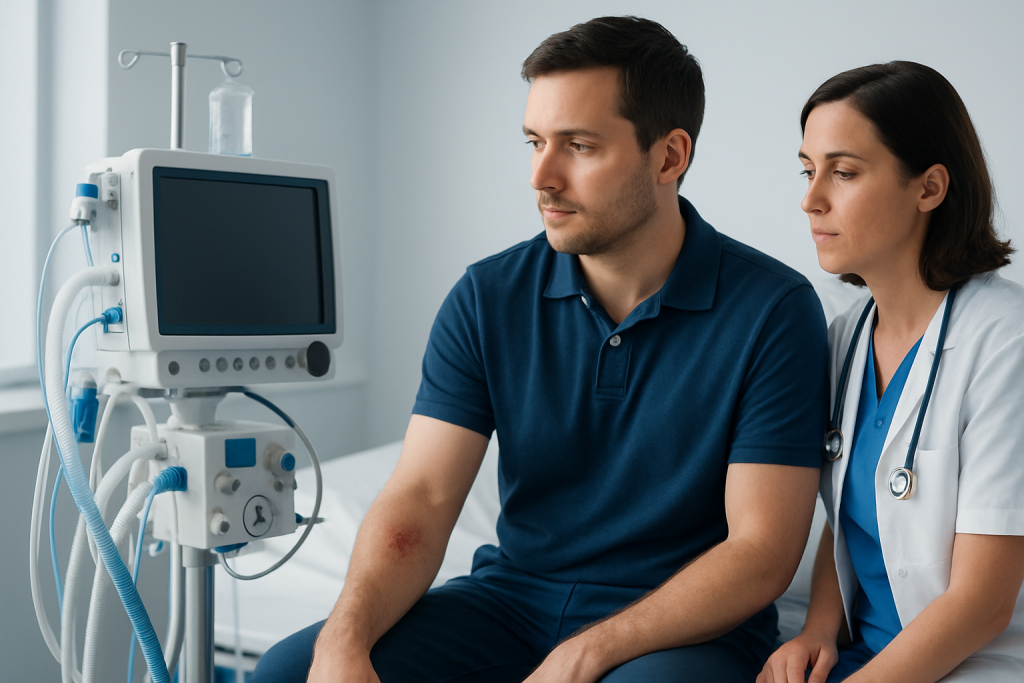
Many people do not feel the bite itself. Early symptoms may be mild and can include a stinging sensation, redness, itching, or a tender area on the skin. Over the next several hours to days, the area may become more painful and develop swelling or a blister.
In some cases, the skin changes slowly deepen. The center of the lesion may turn dark or purple, and the surrounding skin may look pale or inflamed. This pattern is sometimes described as a “target-like” or necrotic lesion, but similar appearances can occur with bacterial skin infections and other medical problems.
Less commonly, a person may develop symptoms beyond the skin, such as fever, chills, nausea, muscle aches, or feeling generally unwell. Children, older adults, and people with weakened immune systems may be more vulnerable to complications and should be assessed promptly if symptoms spread or worsen.
- Initial sting or burning
- Redness and swelling
- Blistering
- Increasing pain over 24 to 72 hours
- Darkening or ulceration of the skin
- Occasional whole-body symptoms such as fever or malaise
Causes & Risk Factors

A brown recluse bite occurs when the spider feels trapped or threatened. These spiders are shy and usually stay hidden in dark, undisturbed places. Common settings include closets, attics, basements, cardboard boxes, piles of clothing, shoes left on the floor, and storage areas.
Risk increases in situations where a person reaches into spaces without checking them first, or when clothing and shoes have been left unused for a long time. People who live in, work in, or travel through areas where brown recluse spiders are present may have a higher chance of encountering them. Still, many suspected bites occur in regions where the spider is not commonly found, which is one reason doctors remain cautious about the diagnosis.
It is also important to know that not every spider bite that becomes red and painful is a brown recluse bite. Skin infections, allergic reactions, shingles, insect bites, and certain blood vessel or autoimmune conditions can look similar. This is why the story of how the lesion started, where it appeared, and how quickly it changed matters so much during evaluation.
Diagnosis
There is no simple bedside test that confirms a brown recluse bite. Diagnosis is usually clinical, which means the doctor reviews the patient’s history and examines the skin closely. When the spider is seen and identified, that can help, but many bites are suspected without the spider ever being caught.
Because other conditions can mimic a recluse bite, doctors often ask about recent travel, outdoor exposure, possible insect bites, new medications, skin injuries, and the timing of symptom changes. They may also look for signs of bacterial infection or other causes of necrotic skin lesions. In some cases, blood tests, wound cultures, or imaging may be used to rule out complications or alternative diagnoses.
For patients receiving care while traveling, photographs of the lesion taken over time can be helpful, especially if follow-up appointments happen with another clinician after returning home. Clear documentation often makes it easier to track whether the wound is improving, stable, or becoming more concerning.
Treatment Options
Treatment depends on how severe the bite appears and whether complications are present. For many patients, the first steps are simple: clean the area gently with soap and water, apply a cool compress, keep the limb elevated if possible, and use pain relief recommended by a clinician. The wound should be monitored rather than aggressively manipulated.
If a doctor suspects secondary infection, antibiotics may be needed. Tetanus status is also reviewed, since any open wound should be protected according to standard preventive care. Wounds with significant tissue injury may require serial follow-up to see how the skin declares itself over time. Surgery is usually not immediate; when needed, it is generally considered after the wound has stabilized rather than during the earliest phase.
Some treatments that people hear about online are not routinely recommended because evidence is limited or the risks may outweigh the benefits in typical cases. This is one reason it is useful to have the bite assessed by a clinician familiar with skin lesions and wound care rather than trying to force a one-size-fits-all home remedy.
- Gentle cleansing and basic wound care
- Cold compresses to reduce pain and swelling
- Pain management guided by a clinician
- Antibiotics only when infection is suspected or confirmed
- Observation for worsening skin damage
- Specialist wound or surgical review if tissue loss develops
Prevention & Self-care
Prevention begins with reducing the chance of being trapped near a spider. Shoes, clothing, and bedding can be checked before use, especially in storage-heavy rooms or older buildings. Moving boxes carefully and keeping clutter to a minimum also reduces hiding places for spiders and other pests.
If a bite is suspected, home care should stay simple and safe. The skin should be washed, any jewelry near the area removed if swelling is likely, and the patient should avoid squeezing, cutting, or applying harsh chemicals to the wound. A cool compress can ease discomfort, and the area can be marked lightly around the redness so changes are easier to see.
Travelers who develop a suspicious lesion far from home may find it helpful to photograph the area daily and keep notes about pain, swelling, fever, and any new symptoms. This makes it easier for a doctor in another country or after the trip to understand the timeline and decide whether further care is needed.
When to See a Doctor
Medical evaluation is advisable if the skin lesion is getting larger, more painful, or developing a blister, dark center, or open sore. Care is also important if the person has fever, chills, spreading redness, pus, or swollen lymph nodes. These features may indicate infection or a more significant reaction that should not be watched at home alone.
Immediate attention is appropriate if the patient has severe pain, widespread rash, dizziness, shortness of breath, fainting, or signs of rapidly progressing illness. Children, pregnant patients, older adults, and people with diabetes or immune suppression should have a lower threshold for review because skin problems can become complicated more quickly.
For international patients, a coordinated assessment can be especially helpful when time is limited and follow-up may continue across borders. At Acibadem Health Point, multidisciplinary specialists and JCI-accredited hospitals can help diagnose and treat suspected brown recluse bites and the skin conditions that can resemble them, with care plans that are practical for patients returning home.
Frequently asked questions
How can someone tell if a bite is from a brown recluse spider?
It is difficult to know for sure without seeing and identifying the spider. Doctors usually rely on the story of how the lesion started, where the person was, and how the skin changes over time. Because many other conditions mimic a spider bite, evaluation is often needed before assuming it is a recluse bite.
Do brown recluse bites always cause skin death?
No. Many bites are mild and improve with simple care. Some do cause more serious local tissue injury, but the outcome depends on the individual case and how quickly the wound is assessed and monitored.
Should the bite be cut open or drained at home?
No. Cutting, squeezing, or trying to drain the area at home can worsen tissue damage or introduce infection. Gentle cleansing and medical review are safer choices.
Are antibiotics always needed?
Not always. Antibiotics are used when there is evidence of bacterial infection, not simply because a bite is painful or red. A clinician can decide whether infection is present and whether additional treatment is appropriate.
Can a brown recluse bite be treated after traveling home?
Yes, many patients are assessed after returning home, especially if the skin changes slowly. Taking photos and noting the timeline can help the next doctor judge whether the lesion is improving or needs more care.
What should someone do if they are not sure it is a spider bite?
They should have the skin checked by a qualified clinician, especially if pain or redness is increasing. A prompt exam helps rule out infection and other causes, which is often more important than confirming the exact spider.
References
- Centers for Disease Control and Prevention
- American Academy of Dermatology
- Mayo Clinic
- Merck Manual Professional Edition
- World Health Organization
This article is for general information only and is not a substitute for professional medical advice. Please consult a qualified doctor about your individual situation.