Pleurisy: Symptoms, Causes and Treatment

Key Takeaways
- Pleurisy is inflammation of the pleura, the thin tissue lining the lungs and chest wall.
- The most common symptom is sharp chest pain that often changes with breathing or movement.
- Infections, autoimmune conditions, pulmonary embolism, and other lung problems can all lead to pleurisy.
- Diagnosis usually involves a medical history, physical examination, and tests such as imaging or blood work.
- Treatment focuses on the underlying cause and easing pain while the chest lining heals.
Medically reviewed by the Acıbadem clinical team — August 19, 2026
Pleurisy is inflammation of the thin lining around the lungs, often felt as sharp pain that worsens with breathing, coughing, or sneezing. It is usually a sign of another condition, so finding the cause is an important part of care.
Overview
Pleurisy describes irritation or inflammation of the pleura, the delicate double-layered membrane that surrounds the lungs. When those layers rub against each other, breathing can become painful, especially during a deep breath, cough, or sneeze.
For many people, pleurisy is less a stand-alone disease than a clue that something else is going on. A viral infection, pneumonia, autoimmune disease, blood clot in the lung, or another chest condition may be the real driver behind the pain. That is why the diagnosis is not only about easing discomfort, but also about understanding the reason it started.
For international patients, this can feel unsettling when symptoms begin away from home. The encouraging part is that pleurisy is usually approached step by step: confirming that the chest pain is not from a heart problem or another urgent cause, then identifying the trigger and choosing treatment that fits the person’s overall health.
Symptoms
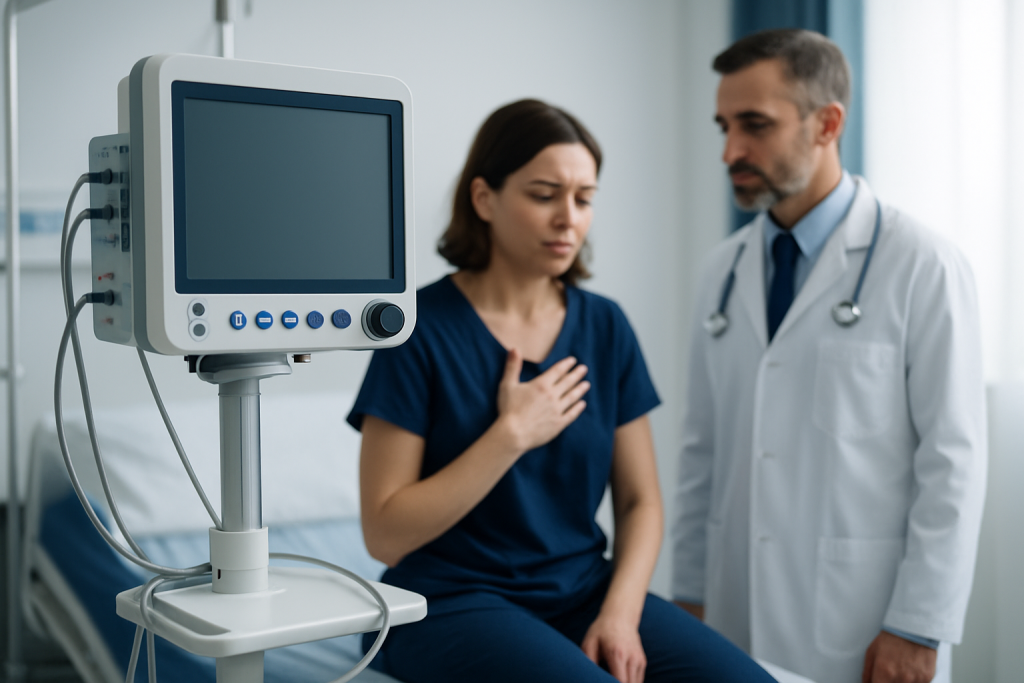
The classic symptom is a sharp or stabbing pain in the chest that gets worse with breathing in. Some people describe it as a “catch” in the chest that makes them breathe more shallowly to avoid discomfort.
Other symptoms often depend on the cause behind the pleurisy. A person may also have fever, cough, shortness of breath, fatigue, or pain that spreads to the shoulder or back. If fluid collects between the pleural layers, breathing may feel more restricted and the chest discomfort may change in character.
- Sharp chest pain that worsens with deep breathing
- Pain during coughing, sneezing, or laughing
- Shortness of breath
- Cough, fever, or chills
- Shoulder or upper back discomfort
Because chest pain can have many causes, symptoms that seem like pleurisy should be assessed carefully. Even when the pain is clearly linked to breathing, clinicians usually look for other explanations before settling on the diagnosis.
Causes & Risk Factors
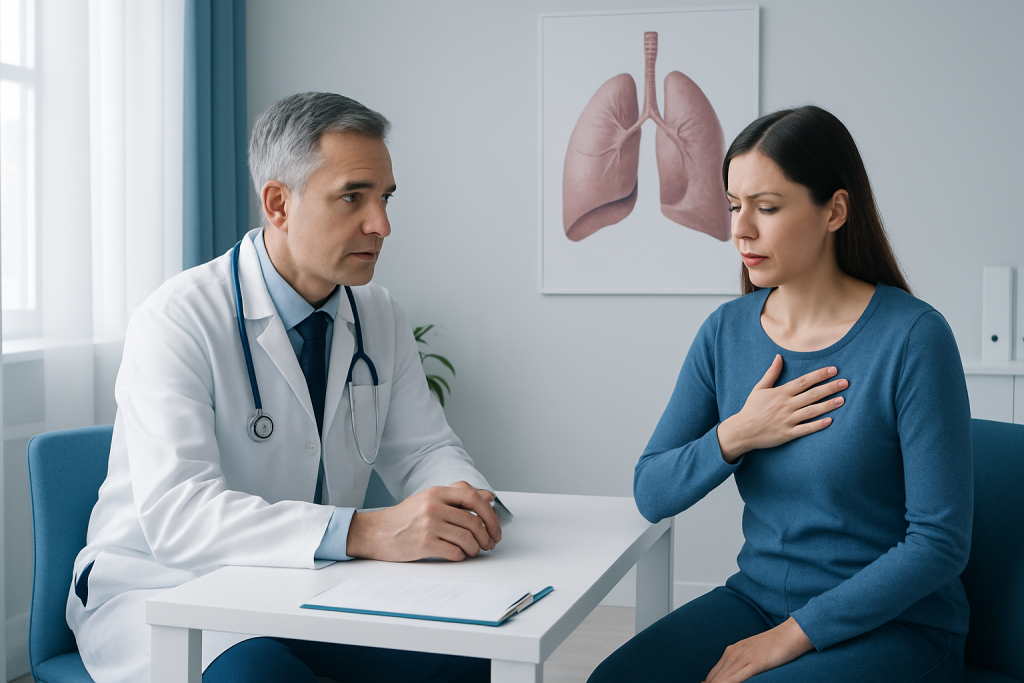
Pleurisy develops when the pleura becomes inflamed. Infections are among the more common triggers, including viral illnesses, pneumonia, and less commonly tuberculosis. In some people, inflammation from autoimmune diseases such as lupus or rheumatoid arthritis can also affect the pleura.
Other possible causes include pulmonary embolism, lung cancer, chest injury, certain medications, and inflammatory conditions in nearby organs. Sometimes the cause is not identified right away, particularly if the pleurisy follows a recent viral illness and improves as the body recovers.
Risk is influenced by the condition behind the inflammation rather than by pleurisy itself. A history of recent infection, long-distance travel with immobility, autoimmune disease, smoking, cancer, or previous blood clots may raise concern for causes that need prompt evaluation.
Diagnosis
Diagnosis starts with a detailed conversation about the pain: when it began, what makes it worse, whether it is sudden or gradual, and whether fever, cough, or shortness of breath are present. A physical examination may reveal a pleural friction rub, a subtle scratching sound that can occur when the inflamed layers move against each other.
Because pleurisy can overlap with other chest conditions, testing is often used to look for the underlying cause. Common studies may include a chest X-ray, blood tests, oxygen assessment, electrocardiogram, or a CT scan if a clot, infection, or other chest problem is suspected. If fluid is present around the lung, a doctor may recommend thoracentesis to analyze it.
When a person is traveling for care, coordinating records from home and sharing prior imaging or test results can be especially helpful. It can shorten the diagnostic process and give the treating team a clearer picture of what has already been ruled out.
Treatment Options
Treatment is guided by the cause. If a bacterial infection is responsible, antibiotics may be prescribed; if a viral illness is the likely trigger, care may focus on rest and symptom relief. When an autoimmune disease is involved, anti-inflammatory or immune-modulating treatment may be considered by the treating specialist.
Pain control is often an important part of the plan because shallow breathing can make recovery feel harder. Doctors may suggest anti-inflammatory medicines or other pain-relief approaches that are appropriate for the person’s medical history. If fluid around the lungs or a blood clot is present, treatment becomes more specific to that problem.
Hospital care may be recommended when breathing is affected, the cause is unclear, or a serious underlying condition needs close observation. For international patients, treatment plans are often designed with follow-up in mind, so the next steps can continue safely after returning home.
In some cases, Acibadem Health Point’s multidisciplinary specialists and JCI-accredited hospitals help diagnose and treat pleurisy for international patients with coordinated care across specialties.
Prevention & Self-care
Not every case of pleurisy can be prevented, especially when it follows an infection or an immune-related condition. Still, general respiratory health measures can lower the chance of some triggers and make recovery smoother.
Self-care usually centers on rest, hydration, and taking prescribed medicines exactly as directed. Breathing comfortably matters, so people are often encouraged to change positions gradually, avoid overexertion early in recovery, and keep follow-up appointments if symptoms are being monitored.
- Follow treatment for infections or chronic conditions consistently
- Stay up to date with recommended vaccines when appropriate
- Avoid smoking and secondhand smoke
- Move regularly during long trips to reduce clot risk
- Seek advice before restarting strenuous activity
If symptoms are tied to a known condition such as lupus or a recent respiratory infection, keeping that condition under control can reduce the chance of repeat episodes. Clear communication with a doctor is especially important when care is being coordinated across countries.
When to See a Doctor
Any new chest pain deserves medical attention, especially when it changes with breathing. A doctor should assess pain that is severe, persistent, or accompanied by fever, shortness of breath, dizziness, or a rapid heartbeat.
Emergency evaluation is especially important if chest pain starts suddenly, if breathing becomes difficult, or if there is concern for a blood clot, heart problem, or serious lung infection. Even when symptoms seem mild, it is safer to have them reviewed if they are unfamiliar or not improving.
People with autoimmune disease, recent surgery, long travel, cancer, or a history of clots should be particularly alert to chest symptoms. A timely evaluation can distinguish pleurisy from more urgent conditions and help guide the right treatment early.
If a person is arranging care from abroad, it is reasonable to contact a clinician promptly, share any prior scans or discharge notes, and ask what symptoms should trigger urgent reassessment during travel or recovery.
Frequently asked questions
Is pleurisy the same as pleural effusion?
No. Pleurisy refers to inflammation of the pleural lining, while pleural effusion means fluid has collected around the lungs. The two can occur together, but they are different findings and may require different evaluation and treatment.
Why does pleurisy hurt more when breathing in?
When the pleura is inflamed, the two layers can rub against each other as the chest expands. Deep breathing makes that movement more noticeable, which is why the pain often increases with inhaling, coughing, or sneezing.
Can pleurisy go away on its own?
Sometimes it improves as a mild viral illness settles, but that should not be assumed without assessment. Because pleurisy can also be linked to more serious conditions, it is important to know what caused it before deciding whether simple rest is enough.
What tests are commonly used to find the cause?
Doctors may use a chest X-ray, blood tests, oxygen checks, an ECG, or a CT scan depending on the symptoms and risk factors. If fluid is present, sampling that fluid can help identify infection, inflammation, or other causes.
How long does recovery take?
Recovery time varies widely because it depends on the underlying cause and how quickly it is treated. Some people improve in days, while others need longer follow-up if an infection, autoimmune condition, or clot is involved.
Can pleurisy come back?
Yes, it can recur if the underlying cause returns or is not fully controlled. Ongoing management of chronic conditions, prompt treatment of infections, and follow-up after the first episode can help reduce the chance of repeat symptoms.
References
- National Heart, Lung, and Blood Institute
- Mayo Clinic
- Cleveland Clinic
- Merck Manual Professional Edition
- NHS
This article is for general information only and is not a substitute for professional medical advice. Please consult a qualified doctor about your individual situation.
Joint and spine care in Turkey — expert assessment & treatment
JCI-accredited · board-certified surgeons · reply within 24h
Add us as a Preferred Source to see more of our trusted health content across Google Search, AI Overviews and Discover.