Broccoli Sprouts: Nutrition, Benefits and Risks

Key Takeaways
- Broccoli sprouts are young broccoli plants with a mild flavor and concentrated natural compounds.
- They are commonly added to salads, sandwiches, smoothies, and cooked dishes.
- Good washing, storage, and food safety matter because sprouts can carry a higher contamination risk than many other vegetables.
- People with immune system concerns, pregnancy-related food safety questions, or specific digestive conditions should ask a clinician before eating them regularly.
- Broccoli sprouts can support a healthy diet, but they are not a treatment on their own.
Medically reviewed by the Acıbadem clinical team — August 19, 2026
Broccoli sprouts are the young shoots of the broccoli plant and are often valued for their concentrated plant compounds and easy use in meals. This article explains what they are, how they may support health, and what to keep in mind for safe, realistic use.
Overview
Broccoli sprouts are the early stage of the broccoli plant, usually harvested just a few days after germination. They are small, tender, and slightly peppery, with a flavor that is milder than mature broccoli and a texture that works well in everyday meals.
What draws many people to broccoli sprouts is not only their convenience, but also their naturally occurring plant compounds, including glucosinolates and their breakdown products. These compounds have been studied for their potential role in supporting the body’s normal defense systems, although they should be understood as part of an overall diet rather than as a stand-alone solution.
For people deciding whether to include them in a routine, the practical question is often simple: do they fit the way the person actually eats? Broccoli sprouts are easy to add to food without major preparation, which makes them appealing for busy schedules, travel meals, and home cooking alike.
Symptoms and What People Notice

Broccoli sprouts are not a condition and do not cause symptoms in most healthy people. Instead, people usually notice their taste, texture, or how they feel after eating them. Many describe a light crunch and a mustard-like note that blends into salads, grain bowls, omelets, and sandwiches.
Some people may notice mild digestive effects if they eat a large amount, especially at first. These can include bloating or gas, which is not unusual with many raw vegetables and fiber-containing foods. If the sprouts are not handled well, foodborne illness symptoms such as stomach upset, diarrhea, or fever can occur, which is one reason food safety matters.
People with allergies to mustard family plants or with sensitive digestion may prefer to start with a small amount and pay attention to how their body responds. A food that is well tolerated by one person may not suit another, especially if there are other gastrointestinal concerns already present.
Why They Are Considered Nutrient-Dense
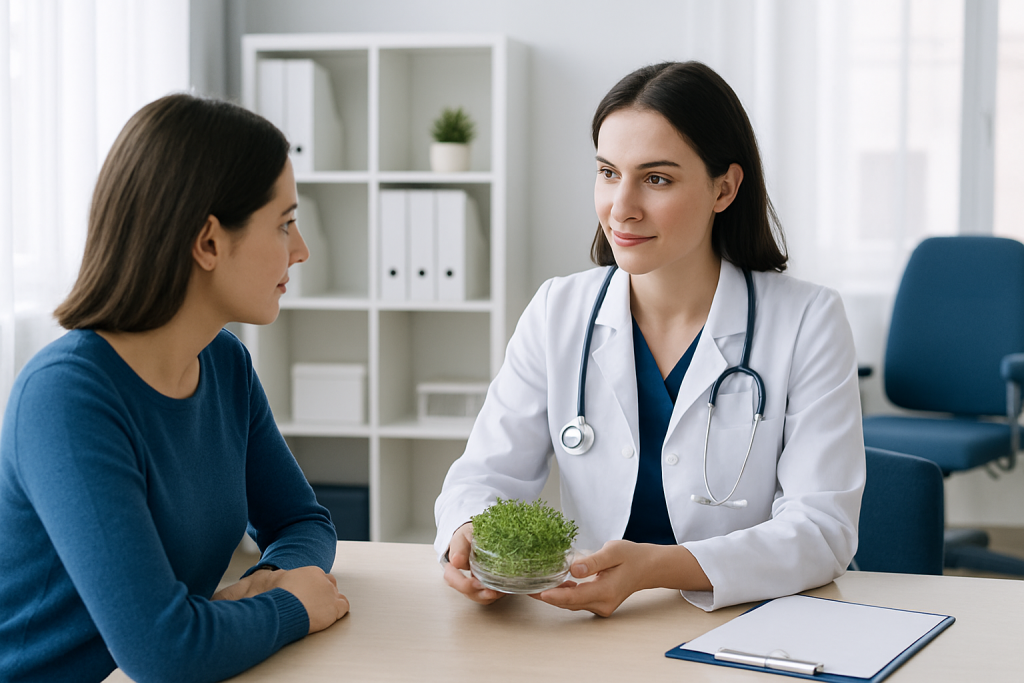
Broccoli sprouts are often discussed as a “nutrient-dense” food because they contain a concentrated mix of vitamins, minerals, fiber, and plant compounds in a small serving. They are especially known for compounds related to sulforaphane production, which has been the focus of research on cellular protection and antioxidant pathways.
It is helpful, however, to keep the discussion balanced. Research on broccoli sprouts is promising, but the sprouts themselves are not a medicine, and their effects depend on many factors, including the rest of the diet, overall health, and how the sprouts are prepared. A person can think of them as one useful ingredient among many, not a shortcut to wellness.
Because sprouts are young plants, they can be easier to mix into existing routines than larger cruciferous vegetables. For some people, that practical advantage is what makes them valuable: they can improve diet variety without requiring much cooking skill or extra time.
Causes and Risk Factors for Problems With Sprouts
The main concern with broccoli sprouts is food safety rather than a medical cause in the usual sense. Sprouts grow in warm, moist conditions that can also support bacterial growth, so they can carry a higher risk of contamination than many other raw foods if they are not produced and stored carefully.
Risk is higher when sprouts are kept too long, handled with unclean hands or surfaces, or eaten raw from questionable sources. International travelers and people buying prepared food away from home may want to be especially mindful, because storage and handling practices can vary from place to place.
Certain groups may want extra caution. These include people who are pregnant, older adults, young children, and anyone with a weakened immune system or serious chronic illness. For these individuals, a clinician or dietitian may suggest avoiding raw sprouts or choosing cooked forms when appropriate.
- Improper washing or storage
- Consumption from unreliable sources
- Raw preparation in high-risk individuals
- Large amounts in those with sensitive digestion
Diagnosis and Evaluation
Broccoli sprouts themselves do not require diagnosis, but related health questions sometimes do. A doctor or dietitian may become involved if a person develops digestive symptoms after eating sprouts, suspects foodborne illness, or wants guidance on whether raw sprouts are appropriate given an immune condition, pregnancy, or other medical situation.
If food poisoning is suspected, evaluation usually focuses on the symptoms, timing of onset, recent foods eaten, and whether other people who shared the meal became ill. Tests are not always needed, but they may be considered when symptoms are severe, prolonged, or concerning for a specific infection.
For people who are simply trying to make better food choices, the “diagnostic” step is often a nutrition review rather than a medical workup. That conversation may include meal patterns, travel habits, food handling at home, and any conditions that affect digestion or immune function.
Treatment Options
There is no treatment needed for broccoli sprouts as a food. When they are included in a balanced diet and handled safely, they can be enjoyed like other fresh vegetables. The key is to use them thoughtfully rather than assume that more is always better.
If a person develops stomach upset after eating sprouts, the usual first step is to stop eating them and monitor symptoms. Mild digestive discomfort often settles on its own, while fever, persistent vomiting, bloody diarrhea, or signs of dehydration need prompt medical attention. If foodborne illness is suspected, a clinician can advise on the right next steps.
For people who want to include broccoli sprouts for general health, the best approach is consistency and variety. They can be paired with cooked vegetables, protein foods, whole grains, and fruits, which keeps the diet broad and easier to sustain over time.
- Use as a salad topping or sandwich filling
- Stir into wraps, soups, or grain bowls after cooking
- Blend into smoothies with fruit for a gentler flavor
- Choose cooked or lightly warmed preparations if raw sprouts do not suit the person
Prevention and Self-Care
Safe handling makes the biggest difference with broccoli sprouts. They should be bought from a reputable source, kept refrigerated, and used before they become slimy, discolored, or smell unpleasant. Washing hands, utensils, and cutting boards carefully also helps reduce contamination risk.
Some people prefer to blanch or lightly cook sprouts, which may lower the risk associated with raw consumption. Others use them raw but only when they are fresh and sourced carefully. For travelers, the simplest rule is to choose sprouts only from places with strong food hygiene practices, or to skip them if that is uncertain.
Self-care also means knowing personal limits. If a person has a history of food sensitivity, digestive upset, or immune suppression, it is sensible to discuss sprouts with a doctor or dietitian before making them a regular habit. In those settings, safety and comfort matter more than following any food trend.
When to See a Doctor
Medical advice is wise if broccoli sprouts seem to trigger recurring digestive symptoms, if there is concern about a foodborne illness, or if a person is unsure whether raw sprouts are safe with an existing health condition. A clinician can help separate a minor food intolerance from something that needs more attention.
Prompt evaluation is especially important for fever, severe abdominal pain, dehydration, blood in the stool, or vomiting that does not ease. These symptoms do not mean broccoli sprouts are dangerous for everyone, but they do mean the body needs assessment and support.
People preparing for travel, recovery, or treatment for a chronic condition may also benefit from individualized dietary advice. If needed, Acibadem Health Point’s multidisciplinary specialists and JCI-accredited hospitals can help diagnose and treat related concerns for international patients, while keeping care coordinated across visits and follow-up planning.
Frequently asked questions
Are broccoli sprouts the same as broccoli?
No. Broccoli sprouts are the young shoots of the broccoli plant, harvested very early. They are smaller, softer, and often have a stronger peppery flavor than mature broccoli.
Can broccoli sprouts be eaten raw?
Yes, many people eat them raw in salads or sandwiches. Because sprouts carry a higher food safety risk than some other vegetables, they should be handled carefully and avoided by people who have been advised to limit raw sprouts.
Do broccoli sprouts have proven health benefits?
They are a nutritious food and contain compounds that have been studied for potential health-supporting effects. Still, they are best viewed as part of an overall healthy eating pattern rather than a treatment or cure.
How should broccoli sprouts be stored?
They should be kept refrigerated and used while fresh. If they become slimy, strongly unpleasant-smelling, or visibly spoiled, they should be discarded.
Who should be cautious with broccoli sprouts?
People who are pregnant, immunocompromised, older adults, young children, and those with certain digestive conditions may need extra caution. A doctor or dietitian can give individualized advice based on health status and risk.
Can broccoli sprouts upset the stomach?
They can, especially if a person eats a large amount or is not used to raw cruciferous vegetables. Mild bloating or gas is possible, and persistent or severe symptoms should be checked by a clinician.
References
- World Health Organization
- Centers for Disease Control and Prevention
- U.S. Food and Drug Administration
- Harvard T.H. Chan School of Public Health
- Mayo Clinic
This article is for general information only and is not a substitute for professional medical advice. Please consult a qualified doctor about your individual situation.
Explore treatments in Turkey — costs, top hospitals & a free quote
JCI-accredited · board-certified surgeons · reply within 24h
Add us as a Preferred Source to see more of our trusted health content across Google Search, AI Overviews and Discover.