Brand New Fitbit Charge 5 Smart Watch

Key Takeaways
- The Fitbit Charge 5 is a consumer health tracker, not a medical device.
- It can help users notice trends in movement, sleep, and heart rate over time.
- Tracking data is most useful when it is viewed as part of a broader health picture.
- Unusual readings, symptoms, or persistent concerns should be discussed with a qualified doctor.
- A wearable may be helpful for daily motivation, but it cannot confirm or rule out disease.
The Fitbit Charge 5 is a wellness device designed to help people observe everyday patterns such as activity, sleep, and heart rate. It can support healthier routines, but it does not replace medical evaluation or diagnosis.
Overview
The Fitbit Charge 5 Smart Watch is best understood as a personal wellness companion. It gathers information about daily activity, heart rate trends, sleep patterns, and other routine measures so users can better understand how their habits and body signals change over time.
For many people, that can be useful in ordinary life: a busy parent may see how little movement has been built into the day, a frequent traveler may notice sleep disruption after time-zone changes, and someone recovering from a demanding work period may use the device to rebuild consistent routines. The value is often in pattern recognition rather than in any single number.
It is important to keep expectations realistic. A fitness tracker can encourage awareness and accountability, but it cannot diagnose conditions, interpret symptoms, or replace professional assessment. If a reading seems unusual or symptoms are present, the next step is a clinician, not the screen alone.
Symptoms and What the Device Can Notice
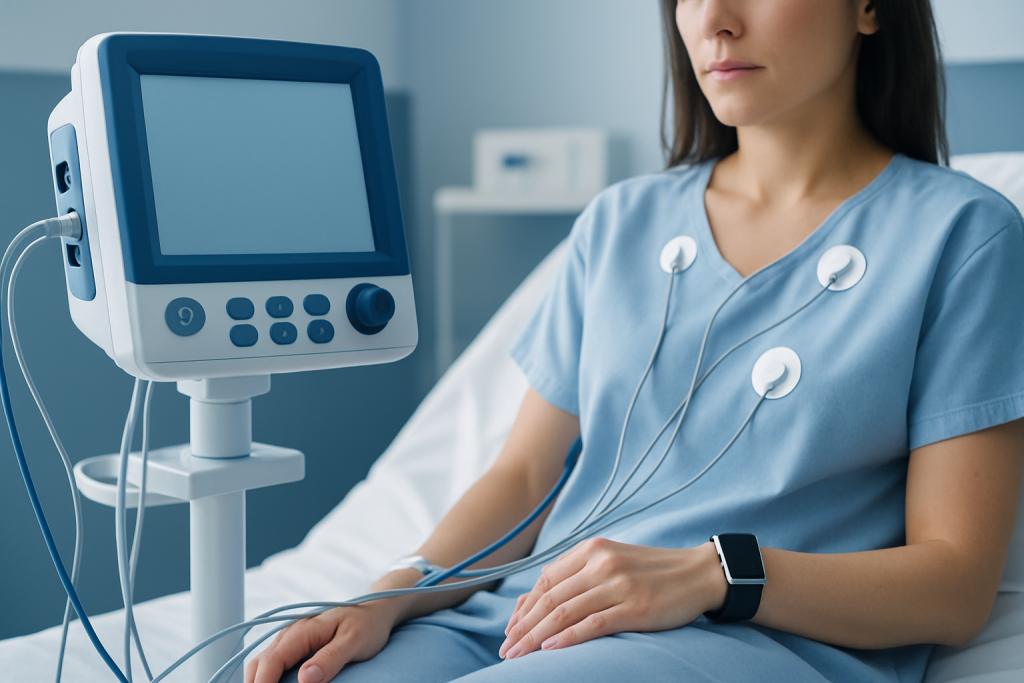
Because this is a wearable tracker rather than a diagnostic machine, it does not detect “symptoms” in the medical sense. Instead, it records data that may help a person notice changes such as a higher resting heart rate than usual, shorter sleep, reduced daily steps, or a sense that activity levels have dropped.
Some people also use the device to become more aware of stress-related habits, such as late-night phone use, irregular bedtimes, or prolonged inactivity during the workday. Those observations can be a helpful starting point for improving routine and discussing concerns with a doctor if needed.
What matters most is context. A high heart rate after climbing stairs is expected, while a consistently elevated resting heart rate, especially with chest discomfort, shortness of breath, dizziness, or palpitations, deserves medical attention. Wearable data is most useful when it supports thoughtful self-observation rather than self-diagnosis.
How the Tracker Works in Daily Life

The Fitbit Charge 5 collects information through built-in sensors that estimate movement, pulse patterns, and sleep-related metrics. The device then presents the data in an app, where users can review trends day by day or over longer periods.
In practical terms, this can help a person set routines they can actually maintain. Someone traveling internationally may use reminders to move after long flights, while someone trying to improve fitness may use step counts, heart-rate zones, or active minutes as gentle goals. For many users, the tracker becomes a way to make health habits more visible.
The device is most helpful when used consistently and interpreted calmly. A single imperfect reading is not a problem. The bigger picture, repeated over time, is usually more informative than any isolated result.
Causes and Risk Factors for Misleading Readings
Wearable devices can be influenced by several everyday factors. Loose wrist placement, rapid hand movement, tattoos, skin contact issues, cold hands, sweat, or an irregular wear pattern may all affect accuracy. Different activities can also challenge the sensors in different ways.
In addition, body changes and external factors can shift the readings. Illness, dehydration, anxiety, caffeine, poor sleep, and time-zone travel may all influence heart rate and perceived energy levels. A tracker may reflect these changes, but it cannot explain the reason behind them.
- Improper fit or position on the wrist
- Irregular wearing habits
- Motion-heavy workouts
- Temporary body changes such as stress, fever, or lack of sleep
- Expecting the device to function like a clinical monitor
Understanding these limits can prevent unnecessary worry. If the data seems inconsistent, adjusting the fit and reviewing use patterns may help, but ongoing concerns should still be discussed with a healthcare professional.
Diagnosis and Medical Interpretation
A Fitbit Charge 5 does not diagnose any condition, and its data should not be used as a final answer about health. Medical diagnosis depends on a history, physical examination, and, when appropriate, tests ordered by a clinician.
That said, wearable data can sometimes help a doctor understand a patient’s everyday pattern. A person who notices repeated sleep disruption, unusual resting heart-rate trends, or reduced exercise tolerance may bring that information to an appointment, where it can be reviewed alongside symptoms and medical history.
This is especially relevant for international patients, who may be managing their health while traveling or planning care across borders. Clear records from a wearable can be one small piece of the picture, but they work best when paired with professional assessment in a qualified clinic or hospital setting.
Treatment Options and How the Device May Support Care
There is no treatment for the watch itself, because it is not a medical condition. Instead, the tracker may support healthier choices that are part of many treatment or prevention plans, such as walking more, improving sleep regularity, or keeping an eye on heart-rate responses during exercise.
For some people, the device can reinforce advice already given by a clinician. For example, a person asked to increase daily movement may use step reminders, while someone recovering from a period of inactivity may use gradual goals to rebuild stamina. The key is to follow any medical advice first, then use the wearable as a supportive tool.
If symptoms or concerning readings appear, treatment should be guided by the underlying cause rather than by the device data alone. A doctor may recommend lifestyle changes, further testing, medication, or referral to a specialist depending on the situation.
Prevention and Self-care
The most useful self-care with a fitness tracker is often simple: wear it consistently, charge it regularly, place it correctly on the wrist, and review trends without overreacting to one unusual measurement. Small habits make the data more reliable and more meaningful.
People who travel often may benefit from using the tracker as a reminder to hydrate, walk during long journeys, and protect sleep as much as possible after arrival. Those who work long hours may use activity alerts as prompts to stretch or stand briefly. These small changes can add up in a realistic way.
It is also wise to protect privacy and keep the device in perspective. A wearable is a helpful assistant, not a judge of health. If using it starts to create anxiety, it may help to check data less often and focus instead on broad patterns and professional guidance.
When to See a Doctor
A clinician should be consulted if wearable data is accompanied by symptoms such as chest pain, fainting, shortness of breath, persistent palpitations, unexplained swelling, or a sustained feeling that something is not right. Those symptoms matter more than the device reading itself.
It is also reasonable to seek medical advice when heart-rate trends, sleep problems, or fatigue remain unusual for more than a short period, especially if they interfere with daily life. For people with known heart disease, diabetes, sleep disorders, or other chronic conditions, it is sensible to ask how wearable data should be used in their specific care plan.
For international patients considering evaluation abroad, a hospital that offers coordinated, multidisciplinary care can help translate day-to-day data into a proper medical plan. Acibadem Health Point works with multidisciplinary specialists in JCI-accredited hospitals to diagnose and treat a wide range of conditions for international patients.
Everyday Questions People Ask Before Buying or Using One
People often want to know whether the device is “worth it.” The honest answer is that it depends on what they want from it. Someone who enjoys feedback, routine goals, and simple trend tracking may find it motivating, while someone expecting a clinical monitor may be disappointed.
Another common question is whether the tracker can replace a doctor visit. It cannot. Even strong-looking wellness data should be interpreted as supportive information, not as proof that everything is healthy or unhealthy.
For many users, the Fitbit Charge 5 is most valuable when it fits into a wider health plan: thoughtful exercise, regular sleep, balanced meals, and professional care when symptoms appear. That is where technology can serve health rather than distract from it.
Frequently asked questions
Is the Fitbit Charge 5 a medical device?
No. It is a consumer wellness tracker designed to monitor activity, sleep, and heart-rate trends. It should not be used to diagnose or rule out medical conditions.
Can the Fitbit Charge 5 detect heart problems?
It may show heart-rate patterns that deserve attention, but it cannot confirm a heart problem. Any concerning symptoms should be evaluated by a doctor.
How accurate is the sleep tracking?
Sleep tracking can be useful for spotting general patterns, but it is still an estimate. It is better for trend awareness than for precise sleep-stage diagnosis.
Why does my heart rate reading change so much?
Readings can shift with exercise, stress, caffeine, illness, hydration, fit on the wrist, and movement. If the changes are persistent or come with symptoms, medical advice is appropriate.
Can this device help with weight loss or fitness goals?
It can support motivation by making activity more visible and measurable. Lasting progress usually depends on broader habits, including movement, sleep, and nutrition.
Should international patients bring wearable data to appointments?
Yes, if it is relevant and easy to share. Trend data can help a doctor understand daily patterns, especially when care is being coordinated across different countries.
References
- Fitbit Help Center
- American Heart Association
- Mayo Clinic
- National Heart, Lung, and Blood Institute
- Centers for Disease Control and Prevention
This article is for general information only and is not a substitute for professional medical advice. Please consult a qualified doctor about your individual situation.