Bisphosphonates

Key Takeaways
- Bisphosphonates help protect bone by slowing down the cells that break bone down.
- They are often prescribed for osteoporosis, some cancers affecting bone, and other conditions that weaken the skeleton.
- Correct use matters because these medicines can irritate the esophagus and cause other side effects if not taken properly.
- Bone health treatment usually works best when medication is combined with calcium, vitamin D, exercise, and fall prevention.
- A doctor may recommend monitoring with blood tests, dental care planning, or bone density scans during treatment.
Bisphosphonates are medicines commonly used to slow bone loss and reduce the risk of fractures in conditions such as osteoporosis. Understanding how they work, who may benefit, and what to watch for can help patients use them safely and confidently.
Overview
Bisphosphonates are a group of medicines designed to strengthen bone by reducing the rate at which bone is broken down. In everyday practice, they are most often used when bone loss becomes a real concern, such as in osteoporosis or after certain fractures that suggest the skeleton has become fragile.
For many patients, the conversation about bisphosphonates starts with a bone density result, a fracture that seemed to happen too easily, or a long-term steroid treatment that may have weakened the bones. The goal of treatment is not simply to improve a number on a scan; it is to make daily life safer by lowering the chance of future breaks in the hip, spine, wrist, or other bones.
These medicines are available in different forms, including tablets taken by mouth and infusions given through a vein. The choice depends on the condition being treated, a patient’s medical history, and how practical each option is during treatment and follow-up, especially for people traveling from abroad for care.
Symptoms and Conditions They Help Address
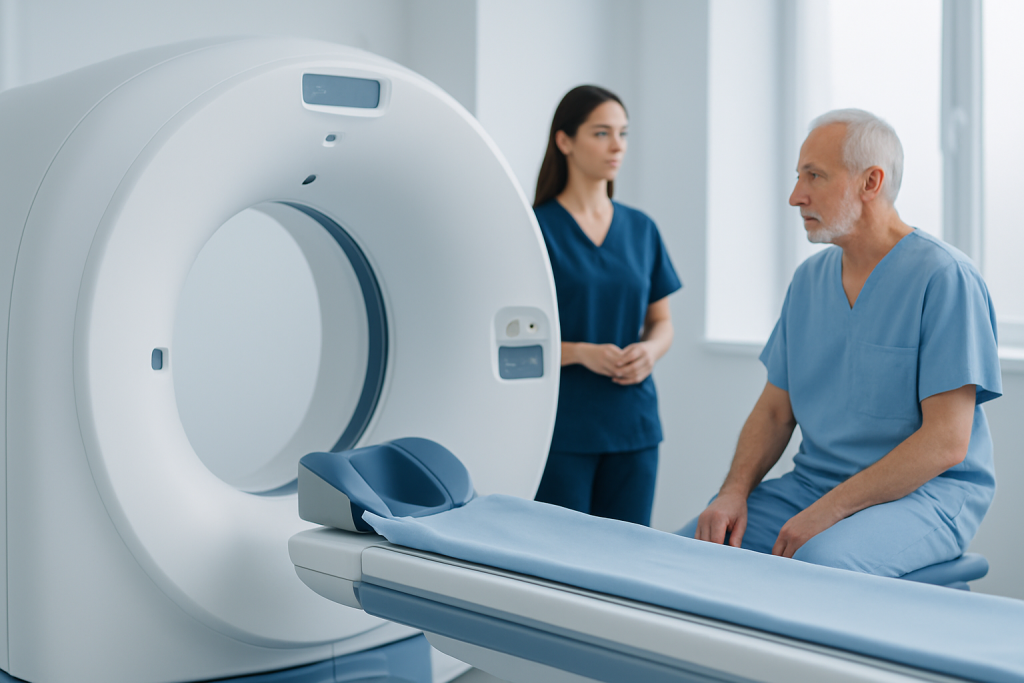
Bisphosphonates are not taken for symptoms alone; they are prescribed to treat conditions where bone is losing strength over time. Osteoporosis is the best-known example, but they may also be used in osteopenia when fracture risk is high enough to justify treatment.
Patients may not feel bone loss happening. Often, there are no warning signs until a fracture occurs. In some cases, a person may notice back pain, a loss of height, a stooped posture, or pain after a minor fall, which can point to a vertebral compression fracture or another bone injury.
These medicines may also be used in selected people with Paget’s disease of bone, or in patients with certain cancers that have spread to bone, where protecting the skeleton becomes part of the overall treatment plan. A doctor decides whether the expected benefit is strong enough for a particular patient.
Causes and Risk Factors for Needing Treatment

Bone loss happens when the body removes bone faster than it replaces it. Aging is a common factor, but it is far from the only one. Lower estrogen levels after menopause, lower testosterone in men, and a family history of fractures can all contribute to weaker bones.
Other risks include long-term use of corticosteroids, low body weight, smoking, heavy alcohol use, low calcium intake, vitamin D deficiency, limited physical activity, and some medical conditions such as thyroid disorders or inflammatory diseases. The risk is often higher when several of these factors occur together.
For international patients, the decision to start treatment can be especially practical: it may involve reviewing records from different countries, confirming prior scan results, and planning a medication schedule that will continue smoothly after the person returns home. A careful review of risks helps the doctor choose the safest and most useful option.
How Bisphosphonates Are Diagnosed and Monitored
Bisphosphonates are not diagnosed themselves, but they are selected after a clinician evaluates the condition they are meant to treat. The assessment often includes a medical history, fracture history, medication review, physical examination, and a bone mineral density test, usually called a DEXA scan.
Blood tests may be ordered to check calcium levels, kidney function, vitamin D status, and other causes of bone weakness. In some cases, imaging is needed if a hidden fracture is suspected or if back pain suggests vertebral compression. The doctor may also ask about dental health before treatment starts, since bone medicines can affect jaw healing in rare situations.
Monitoring depends on the drug and the reason it was prescribed. Follow-up may include repeat bone density scans, discussion of side effects, and review of any new fractures or changes in mobility. Patients who receive Varicose Vein Treatment Abroad: When Stockings Are Enough and When Procedures Help More" class="ahp-ilk">treatment abroad should leave with a clear plan for local follow-up and any future infusions or tablets.
Treatment Options and How They Work
Bisphosphonates work by slowing the activity of osteoclasts, the cells that break down bone. When bone breakdown slows, bone density can stabilize or improve, and fracture risk may fall over time. They are often one part of a broader bone health plan rather than the only measure used.
Oral bisphosphonates are usually taken on an empty stomach with plain water, and patients are generally instructed to remain upright for a period afterward to reduce irritation of the esophagus. Intravenous forms may be used when swallowing tablets is difficult, when stomach or esophageal irritation is a concern, or when adherence would otherwise be hard to maintain.
Because the details matter, patients should follow the prescribing instructions exactly. Timing with food, calcium supplements, and other medicines can affect absorption. The treatment plan may also include calcium and vitamin D, physical activity that supports balance and strength, and review of medications that may add to fall or fracture risk.
In some people, especially those with very low bone density or multiple fractures, the doctor may discuss whether another osteoporosis treatment is more appropriate now or in the future. Treatment decisions are individualized, and the most suitable choice depends on the patient’s overall risk profile.
Possible Side Effects and Safety Considerations
Many patients take bisphosphonates without major problems, but side effects can happen. The most common concerns with oral medicines are stomach upset, heartburn, nausea, or irritation of the throat and esophagus. These effects are one reason the dosing instructions are so specific.
Some people notice flu-like symptoms after an intravenous infusion, especially with the first dose. These reactions are often temporary, but they should still be discussed with the care team, particularly if they interfere with travel plans or follow-up appointments.
Rare but important safety issues include kidney problems, very low calcium levels, atypical femur fractures after long-term use, and osteonecrosis of the jaw. The last is uncommon, but dental evaluation and good oral hygiene are useful precautions. Patients should mention planned dental work, new thigh or groin pain, trouble swallowing, or persistent chest discomfort to a doctor promptly.
- Take oral tablets exactly as directed.
- Tell the doctor about kidney disease, reflux, swallowing problems, or low calcium.
- Share a full list of medications and supplements.
- Report new dental pain, jaw symptoms, or unexplained thigh pain.
Prevention and Self-care
Medication works best when daily habits support bone strength. Adequate calcium and vitamin D intake, regular weight-bearing exercise, and balance training can help reduce fracture risk. Stopping smoking and limiting alcohol are also sensible steps for people with fragile bones.
Home safety matters as much as medication for many patients. Good lighting, secure footwear, removal of loose rugs, and attention to vision or dizziness can reduce the chance of falls. For older adults or people recovering after a fracture, a physical therapist may suggest exercises that improve posture, strength, and confidence with walking.
Self-care also includes staying organized. Patients taking bisphosphonates should keep a list of their medicine schedule, know when follow-up scans are due, and understand how to continue care after traveling home. A simple written plan can prevent missed doses and make cross-border treatment much easier to manage.
When to See a Doctor
A doctor should be consulted if a person has had a low-impact fracture, has been told that bone density is low, or is starting long-term steroid therapy. These situations often call for a conversation about whether bisphosphonates or another bone-strengthening approach is appropriate.
Anyone already taking a bisphosphonate should seek medical advice if they develop trouble swallowing, chest pain, worsening reflux, new thigh or groin pain, jaw symptoms, or signs of low calcium such as tingling or muscle cramps. Side effects are often manageable, but they should not be ignored.
For patients considering treatment abroad, it is helpful to arrange a clear handoff before departure. Acibadem Health Point’s multidisciplinary specialists and JCI-accredited hospitals diagnose and treat bone conditions for international patients, with attention to follow-up needs after the journey home.
Medical guidance is especially important if there is kidney disease, a history of severe dental problems, unusual fractures, or uncertainty about whether the diagnosis is osteoporosis or another cause of bone loss. A qualified clinician can help match the treatment to the person, not just the scan.
Living Well With Bone-Strengthening Treatment
Bisphosphonates are best understood as part of a longer-term plan to protect independence, mobility, and quality of life. For many patients, the benefit is not immediately visible, but it becomes meaningful when fractures are prevented and normal activity continues with fewer interruptions.
People are often most successful when they combine medication with realistic lifestyle changes and regular follow-up. That might mean walking more often, checking vitamin D status, using a pill reminder, or making the home safer before returning from a treatment trip. These small measures support the larger goal of keeping bones as strong as possible.
If a patient has questions about whether treatment is still needed, how long it should continue, or how to coordinate care across countries, those questions are worth raising early. Bone health decisions are often easier when they are reviewed calmly and in sequence, with enough time to plan the next step.
Frequently asked questions
What are bisphosphonates used for?
Bisphosphonates are mainly used to treat osteoporosis and other conditions that weaken bone. They may also be used in selected cases of Paget’s disease or cancer-related bone problems. The main purpose is to reduce bone loss and lower fracture risk.
How should oral bisphosphonates be taken?
They are usually taken on an empty stomach with plain water, and the person should stay upright for a period afterward. This helps the medicine absorb properly and lowers the chance of irritation in the throat or esophagus. The exact instructions can vary, so the prescription leaflet and doctor’s advice should be followed closely.
Do bisphosphonates cause side effects?
They can, although many people tolerate them well. Common side effects include stomach upset or reflux with tablets and short-lived flu-like symptoms after some infusions. Rare side effects also exist, which is why follow-up and good communication with the doctor matter.
Can bisphosphonates be used for a long time?
Sometimes they are used for several years, but the length of treatment depends on fracture risk, bone density, and how the patient responds. Doctors may review whether to continue, pause, or change treatment over time. Long-term plans should always be individualized.
Do these medicines replace calcium, vitamin D, or exercise?
No. Bisphosphonates work best when they are paired with healthy habits that support bone strength. Adequate calcium, vitamin D, weight-bearing activity, and fall prevention remain important parts of care.
When should a patient contact a doctor while taking a bisphosphonate?
Medical advice should be sought for trouble swallowing, chest pain, persistent heartburn, jaw symptoms, or new thigh or groin pain. A doctor should also be informed about planned dental work or any new fracture. These symptoms do not always mean something serious, but they deserve prompt review.
References
- National Institute of Arthritis and Musculoskeletal and Skin Diseases
- National Osteoporosis Foundation
- Mayo Clinic
- World Health Organization
- National Health Service
This article is for general information only and is not a substitute for professional medical advice. Please consult a qualified doctor about your individual situation.