Benign And

Key Takeaways
- Benign growths do not spread to nearby tissue or distant organs the way cancers do, but they can still cause symptoms depending on their size and location.
- A lump or change in the body should be assessed by a clinician, especially if it grows, becomes painful, or affects normal function.
- Doctors may use physical examination, imaging, blood tests, or biopsy to distinguish benign from malignant conditions.
- Treatment ranges from watchful waiting to medication or minor surgery, depending on the type of growth and the person’s symptoms.
- Healthy follow-up matters, particularly after travel for care, so any recommended reviews or pathology results are not missed.
Benign growths are noncancerous changes in tissue that can appear in many parts of the body. They are often harmless, but they still deserve proper evaluation so a doctor can confirm what they are and whether they need monitoring or treatment.
Overview
“Benign” is the medical word for a growth that is not cancer. In everyday language, people may call it a lump, a mass, a nodule, or a tumor, but the key point is that benign growths do not invade nearby tissue or spread to distant parts of the body in the same way malignant tumors can.
That said, “benign” does not always mean “ignore it.” Some growths remain small and never cause trouble, while others may press on nerves, block an organ, change appearance, or become uncomfortable. The practical question is not only whether a growth is noncancerous, but also whether it is stable, correctly identified, and causing any problems that deserve treatment.
Benign growths can develop in many organs and tissues, including the skin, breasts, thyroid, uterus, colon, bones, and soft tissues. Because the body has many different types of cells, the look and behavior of benign growths can vary widely. For patients arranging care from another country, the most helpful first step is usually a clear diagnosis from a qualified specialist, followed by a plan that explains whether monitoring, removal, or no immediate action is the safest choice.
Symptoms
Some benign growths are discovered by chance during a scan or routine examination and cause no symptoms at all. Others become noticeable because of where they sit in the body. A skin lump may be visible and easy to feel, while a growth inside the abdomen or pelvis might cause fullness, pressure, or changes in nearby functions.
Common signs can include:
- A new lump or swelling under the skin or deeper in the body
- Pain or tenderness, especially if the growth presses on surrounding tissue
- Changes in bowel, bladder, breathing, swallowing, or menstrual patterns
- Visible change in shape, skin surface, or symmetry
- Symptoms that come and go or slowly progress over time
Many benign growths are slow-growing, but speed alone is not enough to judge them safely. A lump that is firm, enlarging, fixed in place, or associated with unexplained bleeding, weight loss, or ongoing discomfort should be assessed. Even when the cause turns out to be harmless, getting a proper explanation can reduce worry and help the person understand what to watch for next.
Causes & Risk Factors

Benign growths form when cells grow in an organized but unusual way, often because local tissue regulation has changed. In many cases, there is no single clear cause. Genetics, hormones, age, inflammation, and prior injury can all play a role depending on the tissue involved.
Risk factors vary by type of growth. For example, some skin growths become more common with sun exposure or aging, certain uterine fibroids are influenced by hormones, and some thyroid nodules are more likely in areas where iodine intake has been low or where there is a family history of thyroid disease. Family history can matter for some benign conditions, but many appear without any inherited pattern.
It is also useful to know that a “risk factor” is not the same as a diagnosis. A person may have several risk factors and never develop a growth, while another person with no obvious risk factors may still be found to have one. That is why symptom pattern, examination findings, and test results are all considered together rather than relying on one clue alone.
Diagnosis
Diagnosis usually begins with a medical history and physical examination. The doctor will ask when the lump was first noticed, whether it has changed, whether it causes pain, and whether any other symptoms are present. For international patients, it is helpful to bring previous imaging reports, biopsy results, medication lists, and any record of how long the problem has been present.
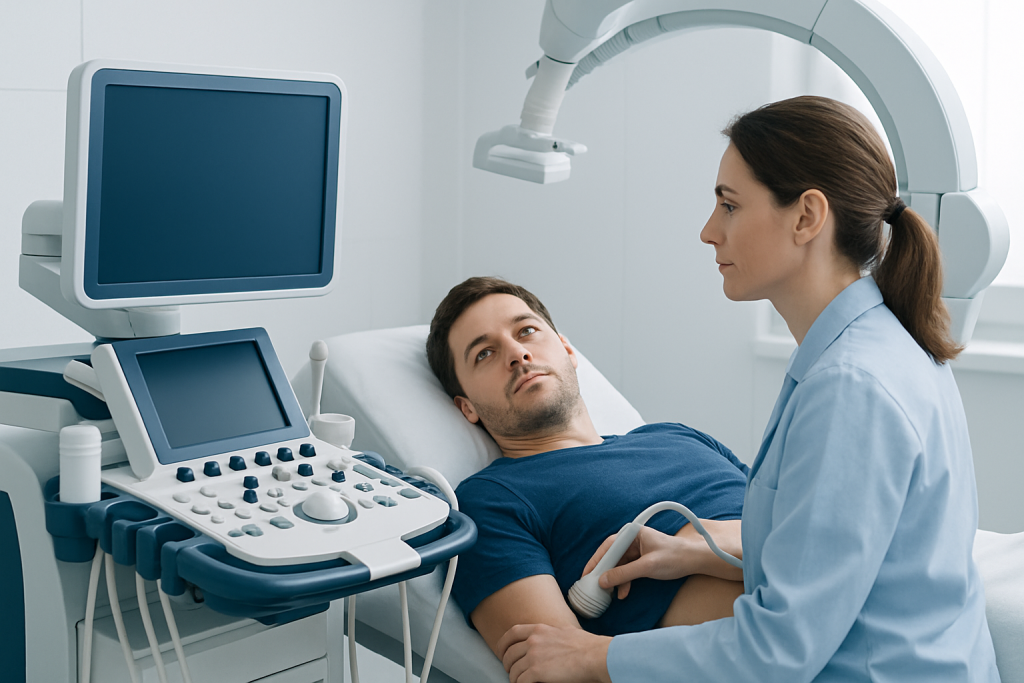
Depending on the suspected location, doctors may recommend ultrasound, X-ray, CT, MRI, mammography, endoscopy, or other imaging tests. These studies can show the size, shape, and relationship of the growth to nearby structures. In some cases, blood tests are helpful, but imaging alone may not always give a final answer.
When a clearer diagnosis is needed, a biopsy may be recommended. This means taking a small tissue sample for laboratory analysis. Pathology is often the most reliable way to tell a benign growth from a malignant one. Patients who travel for care may want to ask how long results take, whether the sample can be reviewed again if needed, and what the follow-up plan will be once they return home.
Treatment Options
Treatment depends on the type of growth, where it is, how large it is, and whether it is causing symptoms. In some cases, the safest plan is observation. A doctor may recommend periodic follow-up visits or repeat imaging to make sure the growth remains stable over time.
If a benign growth is painful, repeatedly irritated, or affecting function, treatment may include medication to ease symptoms or a procedure to remove it. Some growths can be removed through minor outpatient surgery, while others require a more specialized operation because of their location near nerves, blood vessels, or organs. The goal is always to balance benefit with risk, rather than treating every benign growth the same way.
Patients should feel comfortable asking why a procedure is being suggested, what the expected recovery looks like, whether the growth might return, and what symptoms should prompt re-evaluation later. For people receiving care away from home, it is especially important to leave with written instructions and a clear point of contact for follow-up questions after discharge.
Prevention & Self-care
Not all benign growths can be prevented, because some arise from internal tissue behavior that is beyond a person’s control. Still, sensible self-care can help people notice changes early and reduce irritation or complications in some situations.
Helpful habits may include checking the skin regularly for new or changing lumps, keeping scheduled screening tests and routine checkups, and recording whether a known growth is changing in size, shape, or symptoms. If a doctor recommends observation rather than immediate treatment, following the plan matters; many growths are best managed by watching for stability over time.
It can also help to avoid squeezing, picking, or repeatedly pressing on a lump, especially on the skin or breast, because irritation can make the area sore and harder to assess. After treatment, recovery instructions should be followed closely, including wound care, activity limits, and any recommended follow-up imaging or pathology review. When care happens abroad, arranging a copy of the medical record before travel home can make the next appointment easier and safer.
When to See a Doctor
A clinician should evaluate any new lump or mass that is not clearly explained, especially if it is growing, painful, or interfering with daily activities. A doctor’s assessment is also important if the growth is associated with bleeding, numbness, weakness, unexplained fever, or a persistent change in bowel, bladder, or menstrual function.
Seek prompt medical advice if a lump feels hard and fixed, if the skin over it changes, or if there is a strong personal or family history of tumors that raises concern. While many such findings turn out to be benign, it is safer to confirm than to guess.
People planning treatment in another country should make sure the follow-up plan is realistic before traveling. Acibadem Health Point’s multidisciplinary specialists and JCI-accredited hospitals diagnose and treat benign growths for international patients, with coordinated evaluation, procedure planning, and aftercare when needed.
Frequently asked questions
What does it mean if a doctor says a growth is benign?
It means the growth is noncancerous and does not behave like a malignant tumor. Even so, it may still need monitoring or treatment if it is causing symptoms or affecting nearby structures.
Can a benign growth turn into cancer?
Some benign conditions have a small potential to change over time, but many do not become cancer. A doctor can explain the risk based on the specific type of growth and whether follow-up is needed.
How do doctors tell the difference between benign and malignant?
They use the history, physical examination, imaging, and sometimes biopsy. Pathology from a tissue sample is often the most definitive way to confirm the diagnosis.
Do all benign growths need to be removed?
No, many can be safely observed if they are small, stable, and not causing problems. Removal is usually considered when the growth is painful, growing, uncertain, or in a location where it interferes with function.
What should someone bring to a specialist appointment?
Previous scans, biopsy reports, lab results, medication lists, and a timeline of symptoms are helpful. These records can make diagnosis faster and reduce the chance of repeating tests unnecessarily.
Is a second opinion useful for a benign diagnosis?
Yes, especially if the diagnosis is unclear, the growth is unusual, or treatment would involve a procedure. A second review can confirm the plan and help the person feel confident about next steps.
References
- Mayo Clinic
- Cleveland Clinic
- National Cancer Institute
- American Cancer Society
- NHS
This article is for general information only and is not a substitute for professional medical advice. Please consult a qualified doctor about your individual situation.