Bbl Sex

Key Takeaways
- Sexual activity after a BBL can strain healing tissues if it starts too early.
- Clearance from the operating surgeon is more important than using a fixed timeline.
- Positions that avoid direct pressure on the buttocks are usually easier during recovery.
- Swelling, tenderness, and fatigue can affect comfort and should guide pacing.
- International patients should plan follow-up, mobility, and support before resuming intimacy.
Concerns about sexual activity after a Brazilian butt lift are common, especially when healing plans must work around travel, home support, and follow-up care. The safest approach is to wait until a surgeon confirms that the body is ready and to choose positions and movements that do not pressure the buttocks or fat-grafted areas.
Overview
A Brazilian butt lift, often called a BBL, combines liposuction with fat transfer to reshape the body and add volume to the buttocks. Because the procedure depends on delicate newly transferred fat cells settling into their new blood supply, the recovery period matters as much as the operation itself. Questions about BBL sex usually come down to one practical issue: how to protect healing tissues while life, travel, and relationships continue around the patient.
During the first phase of recovery, the body is working through swelling, bruising, and tissue adaptation. That makes comfort, pressure, and movement important considerations. Sexual activity is not harmful in itself, but timing and body positioning can affect soreness and, in some cases, the result the patient is hoping to preserve. For that reason, surgeons usually advise waiting until healing is more advanced and the patient has been examined or cleared.
International patients often need extra planning because they may return home before all follow-up visits are complete. In that situation, it helps to ask the surgical team in advance what signs of healing to watch for, how long to avoid pressure on the buttocks, and how to reconnect with the team if questions come up after travel. A good recovery plan includes both medical guidance and realistic day-to-day support.
Symptoms and Recovery Changes That Affect Intimacy
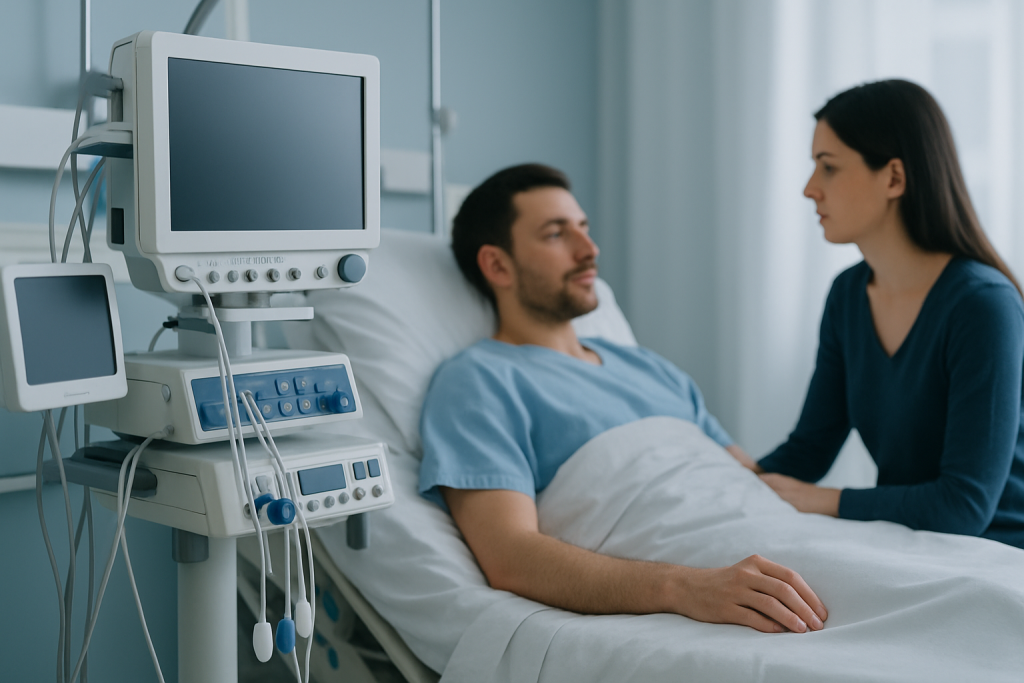
In the early weeks after a BBL, the body commonly feels tender, tight, swollen, and easily fatigued. These changes are normal parts of healing, but they can make intimacy less comfortable than usual. Some patients also notice numbness, pulling sensations, or discomfort when changing positions, all of which can be a cue to slow down.
It is also common for the emotional side of recovery to shift. A patient may feel self-conscious about swelling, compression garments, bruising, or limited movement. Partners may be uncertain about what is safe, which can create hesitation even when both people want to reconnect. Open communication often helps more than trying to guess the right time.
Signs that intimacy should be postponed include:
- pain when sitting, standing, or turning
- ongoing drainage or open incision areas
- significant swelling that is still changing
- difficulty walking comfortably
- any concern raised by the surgeon or care team
Recovery is not a straight line. Some patients feel ready sooner in one part of the body and not in another, especially when liposuction sites are still sore. The safest cue is not desire alone, but whether the body can tolerate movement without strain.
Causes and Risk Factors

The main reason to delay sex after a BBL is mechanical: pressure, friction, and twisting can irritate healing areas. The fat transferred to the buttocks needs time to establish a stable blood supply, and early stress can interfere with comfort and recovery. Even when there is no direct trauma, vigorous activity may increase swelling or discomfort.
Certain factors can make a patient more cautious. A more extensive procedure, combined surgeries, slower healing, smoking history, diabetes, anemia, or a tendency toward swelling may all influence recovery time. Patients who rely on public transport, long flights, or limited home support may also find that everyday strain affects how quickly they feel ready for intimacy.
Risk is not only about the surgical site. Fatigue, dehydration, constipation from pain medicine, and limited mobility can all make sexual activity feel harder than expected. A patient who is otherwise healing well may still need to wait if the overall body condition is not ready for exertion.
Diagnosis and Surgeon Clearance
There is no single test that determines when sex is safe after a BBL. Instead, the surgeon reviews healing through the incision sites, the degree of swelling and bruising, pain levels, walking ability, and whether the patient can move comfortably without placing direct pressure on the buttocks. Clearance is usually based on the whole recovery picture rather than one calendar date.
Patients should feel comfortable asking specific questions at follow-up visits. Useful topics include when gentle intimacy may resume, which positions are least likely to stress the area, whether compression garments should be worn during the day only or also around private moments, and whether any restrictions apply after long travel. Clear instructions are especially helpful for patients who will be continuing recovery in another country.
If a patient cannot return for an in-person review, remote follow-up may still help the care team assess symptoms and provide cautious guidance. Photos, symptom updates, and a detailed recovery log can support that conversation. The goal is not to rush, but to make decisions based on healing rather than guesswork.
Treatment Options
There is no treatment for the question of timing itself; the main approach is structured recovery and gradual return to activity. Early on, patients are usually advised to rest, avoid direct sitting on the buttocks when instructed, wear compression as recommended, and limit strenuous movement. These steps are meant to help the transferred fat and surrounding tissues settle properly.
When a surgeon says intimacy can be resumed, it is usually wise to start gently. That may mean shorter duration, slower movement, and positions that keep weight off the buttocks and avoid twisting the torso. If any activity causes sharp pain, pulling, bleeding, or increased swelling afterward, it should be paused and discussed with the care team.
Patients who experience unusual symptoms may need medical review rather than self-adjustment. Those symptoms can include increasing redness, fever, sudden one-sided swelling, drainage, or pain that worsens instead of gradually improving. A prompt check is often reassuring and can help distinguish ordinary healing from a problem that deserves attention.
Prevention and Self-care
Good self-care after a BBL is really about protecting the investment the patient has already made in surgery and recovery. The basics are simple, but they matter: follow all sitting instructions, keep follow-up appointments, hydrate well, eat balanced meals, and avoid smoking or vaping as directed by the surgeon. These habits support circulation and healing.
Planning ahead also makes intimacy safer and less stressful. Patients may want to arrange pillows, comfortable clothing, and enough privacy so that there is no temptation to rush or use awkward positions. If traveling home soon after surgery, it helps to build a recovery schedule that includes rest days, transportation support, and a plan for medical contact if concerns appear after departure.
Practical self-care points often include:
- choosing non-pressure positions only after clearance
- keeping movements slow and controlled
- stopping if pain increases
- avoiding alcohol or sedating medicines before intimate activity unless a clinician says otherwise
- respecting body cues such as fatigue or swelling
Partners can be helpful by treating recovery as a shared adjustment rather than a restriction. Patience now may protect both comfort and the final cosmetic result later.
When to See a Doctor
A doctor should be contacted if symptoms worsen after intimacy or if the patient is unsure whether normal healing has been disturbed. New bleeding, sudden swelling, fever, foul-smelling drainage, increasing redness, or strong pain are all reasons to seek medical advice. Even milder concerns are worth discussing if they are persistent or worrying.
Patients should also reach out if they feel pressure to resume sex before they are physically or emotionally ready. Recovery guidance should be individualized, and a qualified surgeon can explain what is safe based on the operation, the healing exam, and the patient’s overall health. This is especially important for people managing recovery from abroad, where local clinicians may not know the details of the original procedure.
Acibadem Health Point supports international patients through multidisciplinary specialists and JCI-accredited hospitals that diagnose and treat this condition with careful, coordinated follow-up. That kind of structure can make it easier to navigate recovery, questions about intimacy, and the transition home.
FAQ
How long after a BBL can sex usually resume?
There is no universal answer, because healing speed varies. Many surgeons prefer that patients wait until early swelling and tenderness have improved and the area has been checked, rather than relying on a fixed number of days.
Can sex damage BBL results?
It can interfere with recovery if it places pressure on the buttocks, causes pain, or leads to swelling before tissues are ready. Gentle activity after clearance is less likely to be a problem than vigorous movement too early.
Which positions are usually safer during recovery?
Positions that avoid direct pressure on the buttocks and allow the patient to control movement are generally easier. A surgeon can give more specific advice based on the incision sites, pain level, and stage of healing.
Is it normal to feel nervous about intimacy after surgery?
Yes. Many patients need time to feel physically comfortable and emotionally relaxed again. Clear instructions and open communication with a partner often reduce anxiety.
What if the patient lives far from the surgical center?
Then the recovery plan should be especially clear before travel. Patients should know who to contact, what symptoms require urgent review, and how to arrange follow-up if anything changes after returning home.
Does swelling mean sex should be avoided?
Mild swelling is common, but if it is still significant or increases after activity, it is wise to wait and ask the surgeon. The body should feel stable and comfortable before resuming intimacy.
Frequently asked questions
How long after a BBL can sex usually resume?
There is no universal answer, because healing speed varies. Many surgeons prefer that patients wait until early swelling and tenderness have improved and the area has been checked, rather than relying on a fixed number of days.
Can sex damage BBL results?
It can interfere with recovery if it places pressure on the buttocks, causes pain, or leads to swelling before tissues are ready. Gentle activity after clearance is less likely to be a problem than vigorous movement too early.
Which positions are usually safer during recovery?
Positions that avoid direct pressure on the buttocks and allow the patient to control movement are generally easier. A surgeon can give more specific advice based on the incision sites, pain level, and stage of healing.
Is it normal to feel nervous about intimacy after surgery?
Yes. Many patients need time to feel physically comfortable and emotionally relaxed again. Clear instructions and open communication with a partner often reduce anxiety.
What if the patient lives far from the surgical center?
Then the recovery plan should be especially clear before travel. Patients should know who to contact, what symptoms require urgent review, and how to arrange follow-up if anything changes after returning home.
Does swelling mean sex should be avoided?
Mild swelling is common, but if it is still significant or increases after activity, it is wise to wait and ask the surgeon. The body should feel stable and comfortable before resuming intimacy.
References
- American Society of Plastic Surgeons
- The Aesthetic Society
- Mayo Clinic
- NHS
This article is for general information only and is not a substitute for professional medical advice. Please consult a qualified doctor about your individual situation.