Famous People With Turner Syndrome

Key Takeaways
- Turner syndrome affects females and is caused by a missing or altered X chromosome in some or all cells.
- Some famous women have publicly shared their Turner syndrome diagnosis, helping raise awareness and reduce stigma.
- Features can include short stature, delayed puberty, and certain heart, kidney, hearing, or fertility concerns.
- Diagnosis is usually confirmed with genetic testing and may be supported by hormone and organ evaluations.
- Care is individualized and may include growth hormone, estrogen replacement, fertility counseling, and regular follow-up.
Turner syndrome is a genetic condition that affects females and can influence growth, puberty, fertility, and some aspects of heart and kidney health. Public figures who have spoken about the condition have helped many families recognize the importance of early diagnosis and ongoing care.
Overview
Turner syndrome is a genetic condition that occurs only in females and is linked to all or part of one X chromosome being missing or changed. Because the condition affects different body systems in different ways, one person may notice only subtle features while another may need regular medical follow-up for growth, puberty, heart health, or fertility.
Interest in famous people with Turner syndrome often begins with curiosity, but the more important lesson is awareness. When public figures speak openly about a diagnosis, it can help others understand that Turner syndrome is a medical condition, not a reflection of character, intelligence, or potential.
Turner syndrome is usually present from birth, although it may not be recognized until childhood, adolescence, or even adulthood. Some girls are diagnosed after concerns about height or delayed puberty, while others learn about it only when fertility or cardiovascular issues prompt more detailed evaluation.
For families planning care across borders, Turner syndrome is a condition that often benefits from coordinated, multidisciplinary follow-up. Endocrinology, cardiology, gynecology, fertility, audiology, and genetics may all be part of the picture, especially when a patient is arranging treatment or second opinions from another country.
Symptoms
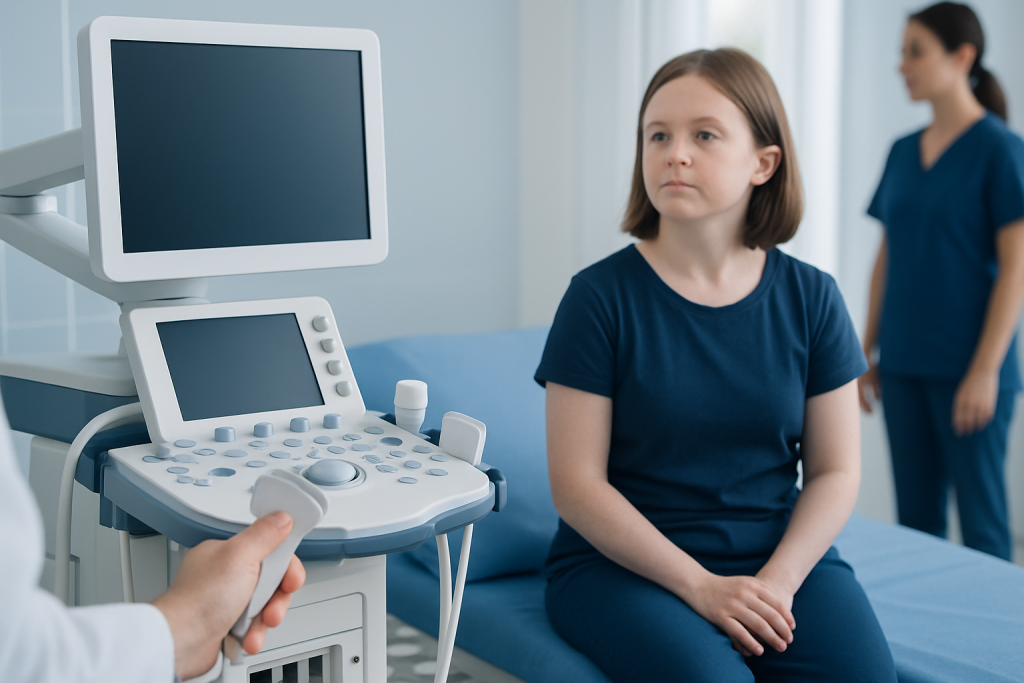
Turner syndrome can look very different from one person to another. The most familiar feature is short stature, often noticed when a child grows more slowly than peers. Some girls also have a broad chest, a low hairline at the back of the neck, puffiness of the hands or feet in infancy, or a shortened fourth finger or toe.
Puberty may start later than expected or not progress in the usual way. This happens because the ovaries may not develop or function typically, which can also affect menstrual periods and fertility later in life. Some girls and women experience learning differences, especially in visual-spatial tasks or math, while others do not notice significant school-related challenges.
Because Turner syndrome can involve other organs, additional signs may appear over time. These may include hearing difficulties, frequent ear infections, high blood pressure, thyroid concerns, kidney differences, or heart-related findings that are only detected on testing.
- Short stature or slower growth
- Delayed or absent puberty
- Infertility or reduced ovarian function
- Hearing loss or recurrent ear infections
- Heart or kidney abnormalities
Causes & Risk Factors

Turner syndrome is caused by a chromosomal difference, not by anything a parent did before or during pregnancy. In typical female development, two X chromosomes are present. In Turner syndrome, one X chromosome may be completely missing, or part of it may be absent or altered in some or all cells.
Most cases happen randomly as the reproductive cells or early embryo develop. The chance of Turner syndrome is not usually inherited in the usual family pattern. A family history may be present in some situations, but most families are not aware of any prior case before diagnosis.
There are different chromosomal patterns, including classic monosomy X and mosaic forms, where only some cells are affected. Mosaic Turner syndrome may cause milder features, but it still deserves careful medical assessment because heart, ovarian, and other health concerns can still occur.
There are no proven lifestyle causes or prevention steps for the chromosome change itself. The practical focus is early recognition, thoughtful testing, and planning care around the features that matter most for each individual.
Diagnosis
Diagnosis often begins when a clinician notices growth patterns, pubertal delay, or a combination of physical features and health findings. In some cases, Turner syndrome is identified before birth through prenatal testing or ultrasound findings that suggest fluid buildup or other characteristic differences.
The confirmation test is usually a chromosome study, often called a karyotype, which looks at the number and structure of chromosomes in a blood sample. When mosaicism is suspected, additional testing may be helpful because the chromosomal change may not appear in every cell.
Once Turner syndrome is diagnosed, doctors commonly look beyond the chromosome result. Heart imaging, blood pressure checks, kidney evaluation, thyroid tests, hearing assessment, and growth and pubertal review are often part of the first workup so that care can be tailored early rather than delayed until symptoms become obvious.
For international patients, it can be useful to bring prior scans, lab reports, and growth records to the first appointment. A well-organized medical file helps the specialist team compare findings, avoid repeat testing when possible, and build a clear follow-up plan for when the patient returns home.
Treatment Options
There is no treatment that changes the chromosomal difference itself, but there are many ways to support healthy development and long-term well-being. Treatment plans are individualized based on age, symptoms, organ findings, growth goals, and future fertility wishes.
Growth hormone may be used in childhood to help improve adult height, depending on timing and clinical assessment. When puberty does not begin naturally, estrogen replacement is often introduced in a gradual, carefully monitored way to support breast development, bone health, and menstrual maturation. Later, progesterone may be added if appropriate.
Some women with Turner syndrome can become pregnant with fertility support, especially if they have preserved ovarian function or use assisted reproductive techniques. Because pregnancy can carry heart-related risk in Turner syndrome, pre-pregnancy evaluation by a specialist is essential and should never be skipped.
Other treatment may address associated conditions, such as hearing support, thyroid management, blood pressure control, or surgery for selected heart or kidney issues. The best outcomes usually come from coordinated care rather than isolated appointments.
When patients travel for care, it helps to think in stages: confirm the diagnosis, complete key screening, decide which treatments should begin locally or abroad, and arrange follow-up that can continue after the trip. This is often easier when endocrinology, cardiology, and reproductive specialists communicate within the same plan.
Prevention & Self-care
Turner syndrome itself cannot be prevented because it begins with a chromosomal event. What can be prevented, or at least reduced, are some of the complications that are more likely when the condition is recognized and monitored early.
Self-care starts with keeping regular medical follow-up appointments, even when symptoms feel stable. This may include routine blood pressure checks, hearing tests, thyroid screening, and periodic heart review, depending on the person’s history and age.
Everyday health habits also matter. Balanced nutrition, physical activity suited to the individual’s heart status, adequate calcium and vitamin D intake when recommended, and attention to mental well-being all support long-term health. School or workplace support may be useful if learning, self-esteem, or body image concerns arise.
Families and adults living with Turner syndrome often benefit from writing down questions before visits, keeping copies of test results, and asking for a clear follow-up calendar. For people receiving care in another country, this simple organization can make ongoing treatment much smoother after they return home.
When to See a Doctor
A doctor should be consulted if a girl is growing more slowly than expected, has no signs of puberty by the usual age range, or has repeated ear infections, hearing changes, or unexplained swelling in infancy. Earlier assessment can make a meaningful difference because some treatments work best when started at the right time.
Adults who were never diagnosed in childhood should also seek evaluation if they have a history of short stature, infertility, absent periods, or certain heart or kidney findings that have not been fully explained. A genetic assessment may bring clarity even later in life and can guide safer long-term care.
Urgent medical attention is important for chest pain, fainting, severe shortness of breath, or sudden neurological symptoms, especially in someone with Turner syndrome or a possible history of heart disease. These symptoms need prompt evaluation, regardless of the known diagnosis.
Acibadem Health Point’s multidisciplinary specialists and JCI-accredited hospitals can diagnose and treat Turner syndrome for international patients, with coordinated support across related specialties when needed.
Famous People and Public Awareness
Many people first hear about Turner syndrome because a public figure or online creator speaks openly about living with it. That visibility matters, not because celebrity makes the condition more serious, but because honest conversations can make diagnosis feel less isolating for families who are still searching for answers.
When discussing famous people with Turner syndrome, it is important to use verified, self-disclosed information. Publicly known individuals who have spoken about the condition have helped raise awareness about growth differences, fertility questions, and the value of specialist follow-up, but no one’s personal medical details should be treated casually or expanded beyond what they have chosen to share.
The broader message is simple: Turner syndrome does not prevent a person from having talents, goals, relationships, or a meaningful life. Awareness campaigns are most helpful when they pair visibility with accurate medical information and compassionate support.
Living Well With Turner Syndrome
Living with Turner syndrome usually means building a long-term health partnership rather than responding to a single diagnosis visit. Many girls and women do well when they have a team that understands growth, hormones, heart health, hearing, fertility, and emotional well-being in a coordinated way.
Families may find it helpful to ask for a written summary of the diagnosis and follow-up plan. This is especially useful for patients who move between countries, because it gives future doctors a clear starting point and helps avoid gaps in care.
With timely diagnosis, regular monitoring, and treatment tailored to the individual, many of the most important health concerns can be addressed effectively. The condition may be lifelong, but so is the potential for stable, supported care.
Frequently asked questions
Who can have Turner syndrome?
Turner syndrome occurs in females and is related to a missing or altered X chromosome. It is not something caused by parenting, diet, or lifestyle. Many people are diagnosed in childhood, but some are not identified until adolescence or adulthood.
What are the most common signs of Turner syndrome?
Short stature and delayed puberty are among the most common signs. Some girls also have swelling in infancy, broad chest shape, hearing problems, or heart and kidney differences. Not everyone has the same pattern of features.
Can Turner syndrome be cured?
There is no cure for the chromosome difference itself. However, many associated concerns can be treated or closely monitored, including growth, puberty, hearing, thyroid function, and heart health. Care is usually planned around the person’s age and needs.
Can women with Turner syndrome get pregnant?
Some women can become pregnant with fertility support, but the situation depends on ovarian function and other health factors. Because pregnancy may increase cardiovascular risk in Turner syndrome, a specialist evaluation is important before trying to conceive.
How is Turner syndrome diagnosed?
Diagnosis is confirmed with chromosome testing, usually a karyotype. Doctors may also order heart, kidney, hearing, hormone, and blood pressure checks to understand how the condition affects the body.
Why do some people search for famous people with Turner syndrome?
People often look for public examples because they want reassurance and a sense of community. Seeing someone speak openly about the condition can make the diagnosis feel less lonely and can encourage families to seek proper medical advice.
References
- National Institutes of Health, Genetic and Rare Diseases Information Center
- MedlinePlus Genetics
- Mayo Clinic
- NHS
- American College of Obstetricians and Gynecologists
This article is for general information only and is not a substitute for professional medical advice. Please consult a qualified doctor about your individual situation.