

Bartholin Cyst: Symptoms, Causes and Treatment

Key Takeaways
- Bartholin cysts develop when a Bartholin gland duct becomes blocked and fluid collects.
- Small cysts may cause no symptoms, while larger cysts can create pressure, pain, or swelling when walking or sitting.
- An infected cyst can turn into a Bartholin abscess, which usually causes more sudden and intense pain.
- Diagnosis is often based on a pelvic examination, with further testing if another cause is suspected.
- Treatment depends on symptoms, size, age, and whether infection is present, ranging from warm baths to office procedures.
- New or persistent vulvar lumps should be checked by a clinician, especially after menopause.
Medically reviewed by the Acıbadem clinical team — August 19, 2026
A Bartholin cyst is a fluid-filled swelling that can form near the vaginal opening when one of the Bartholin glands becomes blocked. Many cysts are small and painless, but larger ones or infected cysts can cause discomfort and may need medical treatment.
Overview
A Bartholin cyst is a fluid-filled pocket that forms when the duct of a Bartholin gland becomes blocked. These glands sit on either side of the vaginal opening and normally help keep the area moist. When drainage is interrupted, fluid can build up and create a lump near the lower part of the vulva.
Many Bartholin cysts are small and barely noticeable. Others grow enough to cause a feeling of fullness, discomfort during movement, or pain with sexual activity. The condition is common in gynecologic practice and is usually manageable once the cause and size of the cyst are understood.
For Myomectomy Recovery for International Patients: The Usual Travel Timeline" class="ahp-ilk">international patients who are considering care abroad, the most useful first step is often a clear diagnosis. A clinician can determine whether the lump is a simple cyst, an infected abscess, or another vulvar condition that may need a different approach.
Symptoms
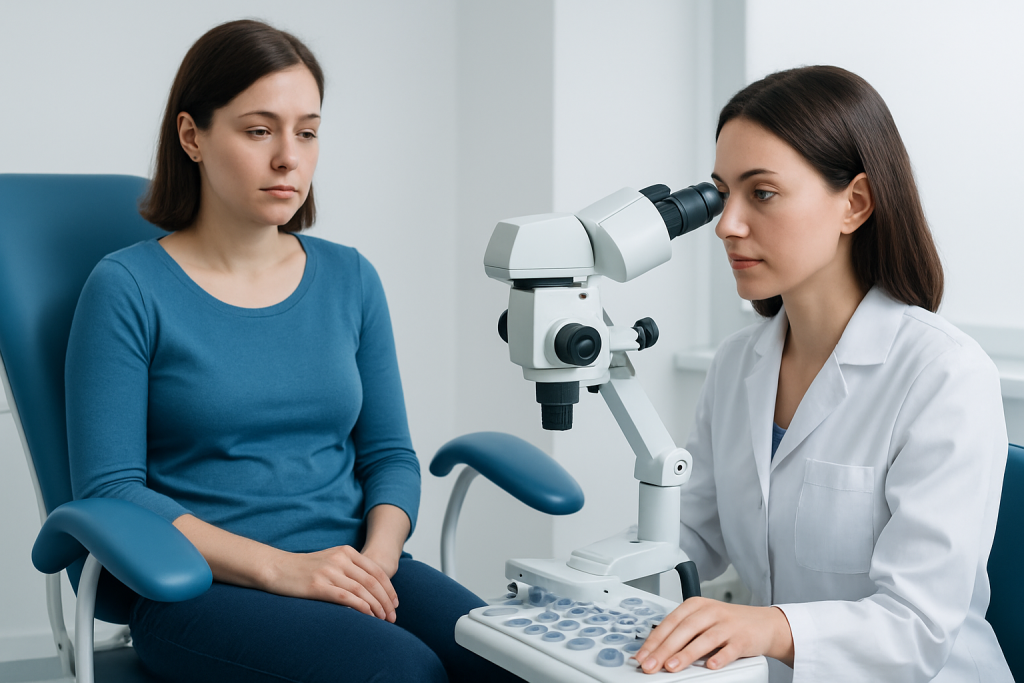
Symptoms vary widely. A small cyst may be found by chance during a routine exam, while a larger cyst can be felt as a soft, round swelling near one side of the vaginal opening. It may be tender, especially if pressure is placed on the area while sitting, walking, or cycling.
When a cyst becomes infected and turns into an abscess, the discomfort tends to be more noticeable. The area may become red, hot, swollen, and very painful. Some people also notice difficulty with movement or pain when trying to wear tight clothing or have intercourse.
- Noticeable lump on one side of the vulva
- Pressure, heaviness, or local tenderness
- Pain that increases with sitting or walking
- Redness, warmth, or drainage if infection develops
- Fever or feeling unwell in more advanced infection
Because symptoms can overlap with other vulvar infections or skin conditions, any new lump should be assessed rather than assumed to be a cyst.
Causes & Risk Factors

The usual cause is a blocked duct. The Bartholin gland continues to produce fluid, but the outlet narrows or closes, so the fluid collects and forms a cyst. In some cases, the cyst remains quiet for a long time; in others, it enlarges or becomes infected.
There is no single cause in every case. Irritation, inflammation, or local infection may contribute to blockage. Bacteria that are normally present on the skin or in the genital tract can sometimes be involved, and sexually transmitted infections may also be considered in the evaluation when symptoms suggest infection.
Risk may be higher in people who have had a Bartholin cyst before. Although the condition can occur at any adult age, a new lump after menopause deserves careful assessment because the list of possible causes becomes broader with age.
Diagnosis
Diagnosis usually begins with a conversation about symptoms, timing, and any prior episodes. A clinician then performs an external pelvic examination to look at the size, location, and tenderness of the lump. In many cases, this is enough to identify a Bartholin cyst.
If the area appears infected, if symptoms are unusual, or if the patient is older and the lump is new, additional evaluation may be recommended. This may include swabs or tests for infection, and occasionally imaging or biopsy when another condition needs to be ruled out.
For patients traveling from another country, it is helpful to bring records of prior treatments, allergy information, and any recent test results. This allows the care team to move more efficiently from diagnosis to the most appropriate treatment plan.
Treatment Options
Treatment depends on whether the cyst is painless, bothersome, or infected. A small, symptom-free cyst may only need observation and home comfort measures. Warm sitz baths can sometimes encourage natural drainage and relieve pressure, although they do not always resolve the cyst completely.
When symptoms are persistent or the cyst is larger, a clinician may recommend an office-based procedure to allow drainage. Common approaches may include making a small opening for drainage, placing a temporary catheter to keep the duct open, or other minor procedures aimed at reducing recurrence. If an abscess is present, drainage is often the main treatment, and antibiotics may be used in selected cases when infection is significant or spreading.
In recurrent cases, or when a cyst keeps returning, more definitive procedures may be discussed. The choice depends on age, frequency of recurrence, the presence of infection, and the patient’s preferences after a careful explanation of benefits and recovery expectations.
Recovery plans are usually straightforward, but they should be personalized. Patients who are arriving from abroad may also need practical guidance on wound care, pain relief, activity limits, and follow-up timing before leaving the country.
Prevention & Self-care
Not every Bartholin cyst can be prevented, because duct blockage may occur without a clear warning sign. Still, gentle self-care can make symptoms easier to manage while a person is waiting for a medical review or recovering after treatment.
Warm baths or sitz baths are often used to ease discomfort and support drainage. Loose, breathable underwear and avoiding unnecessary friction in the area may also help. It is usually wise to avoid squeezing, popping, or trying to drain the lump at home, since that can worsen irritation or introduce infection.
- Use warm sitz baths as advised by a clinician
- Choose loose clothing to reduce pressure and rubbing
- Keep the area clean and dry without harsh scrubbing
- Avoid self-drainage or using unsterile tools
- Complete any prescribed treatment and attend follow-up if recommended
If a cyst has been treated by a procedure, good aftercare matters. Following instructions on hygiene, activity, and symptom monitoring helps recovery stay on track and lowers the chance of delayed healing.
When to See a Doctor
Medical evaluation is important if a lump is painful, growing, red, warm, or interfering with walking, sitting, or sexual activity. A clinician should also see any cyst that does not improve, keeps returning, or begins to drain fluid with a strong odor or increasing pain.
Prompt care is especially important if fever develops, if the surrounding skin becomes very tender, or if there is concern that the lump is actually an abscess. New vulvar lumps in people after menopause should always be assessed, even when they seem small.
If treatment is being arranged from another country, it may be helpful to seek care before travel if the cyst is rapidly worsening. Acibadem Health Point’s multidisciplinary specialists and JCI-accredited hospitals diagnose and treat Bartholin cysts for international patients, with attention to clear communication and coordinated follow-up.
Living With a Bartholin Cyst
Most Bartholin cysts are not dangerous, but they can be uncomfortable and disruptive. A practical approach is to monitor changes, use simple comfort measures, and obtain a timely exam when the lump is new or symptomatic. This helps distinguish a harmless cyst from an abscess or another vulvar condition.
People who have had one cyst may worry about recurrence. That concern is understandable, and it is also a reason to have an individualized plan for what to do if swelling returns. Knowing which symptoms need urgent attention can make the condition feel much more manageable.
With appropriate evaluation and treatment, most patients recover well and return to normal activities. A thoughtful plan, especially for those coordinating care across borders, can make the experience smoother from diagnosis through follow-up.
Frequently asked questions
What is a Bartholin cyst?
A Bartholin cyst is a fluid-filled swelling that forms when one of the Bartholin gland ducts becomes blocked. The cyst usually appears near one side of the vaginal opening. It may be painless or may cause pressure and discomfort.
How is a Bartholin cyst different from a Bartholin abscess?
A cyst is usually a blocked, fluid-filled gland that may not be infected. An abscess happens when the area becomes infected and fills with pus, which often causes more severe pain, redness, and swelling. Abscesses generally need medical treatment rather than simple observation.
Will a Bartholin cyst go away on its own?
Some small cysts may drain or shrink without major treatment, especially with warm baths and time. Others remain present or return later. A clinician should assess any cyst that is painful, enlarging, or persistent.
Can a Bartholin cyst be treated at home?
Warm sitz baths and gentle comfort measures may help mild symptoms. However, home care should not include squeezing, puncturing, or trying to drain the lump. If there is significant pain, redness, fever, or worsening swelling, medical care is needed.
Why is a new Bartholin cyst after menopause taken seriously?
A new vulvar lump after menopause deserves careful examination because the range of possible causes is wider. Most cases are still benign, but clinicians are more cautious in this age group. Evaluation helps ensure the right diagnosis and treatment.
Can the cyst come back after treatment?
Yes, recurrence can happen, especially if the duct blocks again. The chance of recurrence depends on the treatment used and individual factors. If cysts keep returning, a doctor may discuss more definitive options.
References
- American College of Obstetricians and Gynecologists
- Merck Manual Professional Version
- NHS
- Cleveland Clinic
- Mayo Clinic
This article is for general information only and is not a substitute for professional medical advice. Please consult a qualified doctor about your individual situation.
Explore treatments in Turkey — costs, top hospitals & a free quote
JCI-accredited · board-certified surgeons · reply within 24h
Add us as a Preferred Source to see more of our trusted health content across Google Search, AI Overviews and Discover.
More from the Health Library



Related Specialists

Dr. Gamze Karababa
Gynecology & Obstetrics
Dr. Onur Özdenoğlu
Gynecology & Obstetrics
Dr. Selcen Bahadır
Gynecology & Obstetrics
Prof. Dr. A. Taner Usta
Gynecology & Obstetrics