Baker’s Cyst

Key Takeaways
- A Baker's cyst is a fluid-filled swelling that forms behind the knee.
- It often appears alongside knee conditions such as arthritis or cartilage injury.
- Many cysts are monitored or treated conservatively, while some need procedures or surgery for the underlying problem.
- Sudden calf swelling, redness, or shortness of breath should be assessed promptly to rule out more serious conditions.
- Treatment is usually focused on relieving symptoms and preventing the cyst from returning by addressing the knee joint issue.
A Baker's cyst is a fluid-filled swelling behind the knee that usually develops when another knee problem causes extra joint fluid to build up. It is often manageable with proper evaluation, especially when the underlying cause is identified and treated.
Overview
A Baker’s cyst, also called a popliteal cyst, is a soft swelling that develops in the hollow behind the knee. It forms when fluid from the knee joint collects in a small pouch at the back of the knee, creating a visible or palpable lump.
The cyst itself is often a sign of an underlying knee problem rather than a disease on its own. Conditions such as osteoarthritis, inflammatory arthritis, meniscus tears, or other causes of irritation inside the knee can lead to extra joint fluid and pressure.
For many people, the cyst is found during an examination for knee pain, stiffness, or a feeling of tightness. In international-patient care, this is often one of the first steps toward a broader evaluation, because treating the knee condition behind the swelling is usually the most effective way to reduce recurrence.
Symptoms
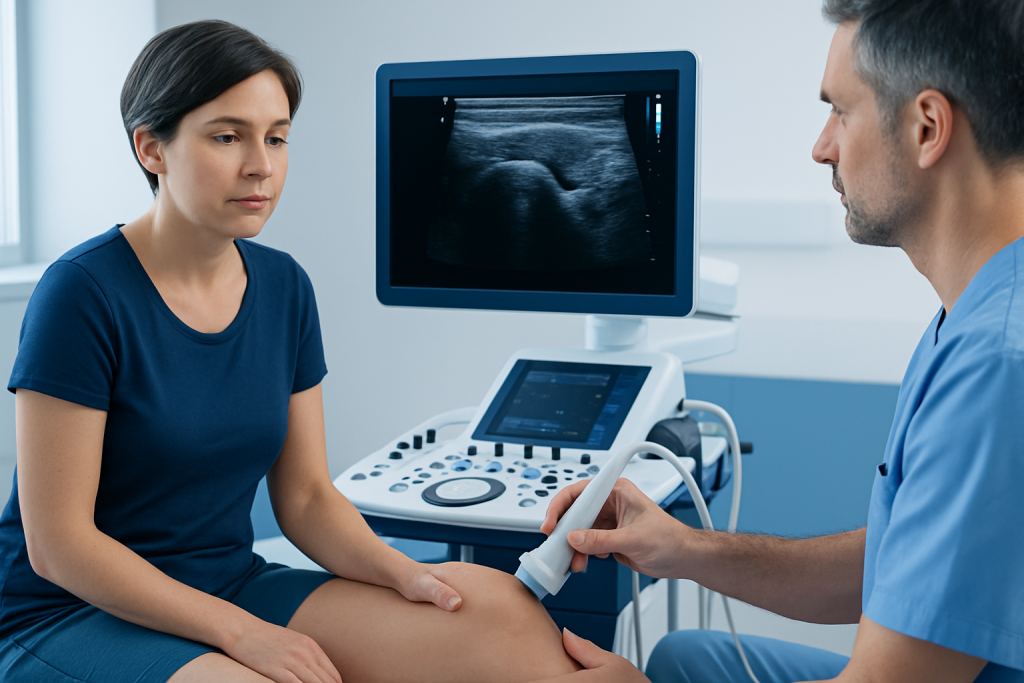
Some Baker’s cysts cause little or no discomfort and are noticed only when the knee is bent or when a clinician examines the area. Others become more obvious after activity and may feel like pressure, fullness, or stiffness behind the knee.
Common symptoms can include:
- A soft or firm lump behind the knee
- Tightness when straightening or bending the leg
- Knee pain related to the underlying joint problem
- Swelling that may extend into the calf if the cyst is large or leaks fluid
- Reduced range of motion or a sense that the knee is “full”
If a cyst ruptures, symptoms can change quickly and may resemble a blood clot or other urgent leg condition. This is one reason clinicians take a careful history and examination rather than assuming every swollen calf is the same problem.
Causes & Risk Factors

A Baker’s cyst develops when the knee produces excess synovial fluid, the lubricating fluid that helps the joint move smoothly. When pressure builds inside the joint, the fluid can be pushed toward the back of the knee and collect in a pouch-like space.
Underlying knee problems commonly linked to Baker’s cysts include osteoarthritis, rheumatoid arthritis, gout, meniscal tears, cartilage injury, and other causes of chronic irritation or inflammation. In children, cysts can sometimes appear without a major joint disorder and may resolve on their own.
Factors that may increase the likelihood of a cyst include older age, active knee degeneration, prior knee injury, and conditions that repeatedly inflame the joint. For patients planning orthopedic care from abroad, it is often helpful to bring prior imaging reports and treatment records, since the cyst is best understood in the context of the whole knee history.
Diagnosis
Diagnosis usually begins with a physical examination. A clinician checks the location, size, and feel of the swelling and asks about pain, stiffness, injury history, and changes in walking or activity tolerance.
Imaging may be used to confirm the diagnosis or look for the cause of the fluid buildup. Ultrasound is often useful for showing whether the mass is a cyst and whether fluid is present in the surrounding tissues. MRI may be recommended when doctors need a clearer view of the meniscus, cartilage, or other structures inside the knee.
Because several conditions can mimic a Baker’s cyst, such as a blood clot, aneurysm, or soft-tissue mass, clinicians may order tests to rule out other explanations when the presentation is not straightforward. A careful diagnosis matters most when symptoms are severe, atypical, or persistent.
Treatment Options
Treatment depends on the size of the cyst, how much discomfort it causes, and what is happening inside the knee joint. If the cyst is small and not bothersome, observation may be enough while the underlying knee condition is managed.
Conservative care often includes rest from aggravating activities, ice, elevation, compression if appropriate, and anti-inflammatory measures recommended by a clinician. Physical therapy can help improve knee movement, reduce strain, and support recovery after injury or arthritis-related flare-ups.
In some cases, a clinician may drain the cyst with a needle or inject medication into the joint to reduce inflammation, but these steps do not always prevent recurrence if the joint problem remains active. When the source is a meniscus tear or another structural issue, surgery may be considered to treat that problem directly rather than the cyst alone.
For international patients, treatment planning may involve combining diagnosis, imaging, and procedure scheduling in a single coordinated visit so follow-up can be arranged before travel home. That approach is especially helpful when knee symptoms have been recurring and the goal is to address both comfort and the cause.
Prevention & Self-care
Not every Baker’s cyst can be prevented, especially when the underlying knee condition is chronic. Still, steps that protect the joint and reduce inflammation may lower the chance of repeated swelling.
Helpful self-care measures may include pacing high-impact activities, strengthening the muscles around the knee under professional guidance, using supportive footwear, and following treatment plans for arthritis or injury. If the knee feels swollen after exercise, brief rest and gentle movement are usually preferred over pushing through pain.
People who have had a Baker’s cyst before should watch for early signs of returning stiffness or pressure behind the knee. Sharing previous imaging, a list of prior treatments, and symptom patterns with the orthopedic team can make follow-up care more efficient, especially when appointments are being coordinated from another country.
When to See a Doctor
A medical evaluation is appropriate when a new lump appears behind the knee, when pain or stiffness interferes with walking, or when swelling does not improve with simple measures. A doctor can confirm whether the swelling is a Baker’s cyst and look for the joint problem that triggered it.
Prompt assessment is especially important if the calf becomes suddenly swollen, red, warm, or tender, or if the foot feels numb or weak. These symptoms can overlap with more urgent conditions and should not be assumed to be a routine cyst.
It is also wise to seek care if the cyst keeps returning, limits mobility, or follows a knee injury. In well-organized orthopedic programs, including those at Acibadem Health Point, multidisciplinary specialists and JCI-accredited hospitals diagnose and treat this condition for international patients with coordinated planning and follow-up.
Living With a Baker's Cyst
Many people live comfortably with a Baker’s cyst once the knee irritation behind it is recognized and managed. The cyst may shrink when inflammation settles, mobility improves, or the underlying injury heals.
Recovery is often more about protecting the knee than chasing the lump itself. Keeping appointments, completing rehabilitation exercises, and reporting changes in swelling or pain help doctors adjust care before symptoms become harder to control.
When treatment is needed across borders, patients benefit from a clear plan that explains what was done, what warning signs matter, and when reassessment should occur. That continuity helps reduce uncertainty and supports a smoother return to everyday activity.
Frequently asked questions
Is a Baker's cyst dangerous?
Most Baker's cysts are not dangerous on their own. The main concern is identifying the knee problem that caused it and making sure a more serious condition is not being mistaken for a cyst.
Can a Baker's cyst go away without treatment?
Yes, some small cysts improve when the knee inflammation settles, especially in children or after a temporary flare. If the cyst is linked to ongoing arthritis or a tear, it may return unless the underlying issue is treated.
Does a Baker's cyst always need surgery?
No, surgery is not needed in most cases. Treatment often begins with observation, symptom relief, physical therapy, or treatment of the joint condition first.
What is the difference between a Baker's cyst and a blood clot?
They can sometimes cause similar swelling in the calf or behind the knee, but they are different conditions. Because a blood clot can be serious, sudden leg swelling should be assessed by a doctor rather than self-diagnosed.
Can exercise make a Baker's cyst worse?
High-impact or repetitive activity can sometimes increase knee irritation and make symptoms more noticeable. Gentle, guided movement is often preferable, and a clinician or physical therapist can suggest safer options.
How is a Baker's cyst followed up after treatment?
Follow-up usually depends on the cause and the treatment chosen. Doctors may check whether pain, swelling, and knee motion are improving and whether further imaging, therapy, or joint treatment is needed.
References
- Mayo Clinic
- Cleveland Clinic
- American Academy of Orthopaedic Surgeons
- NHS
- Merck Manual Professional Edition
This article is for general information only and is not a substitute for professional medical advice. Please consult a qualified doctor about your individual situation.