Lower Back Exercises

Key Takeaways
- Gentle, regular movement is often more helpful than long periods of rest for common lower back discomfort.
- The best lower back exercises usually combine mobility, flexibility, and core-strengthening work.
- Pain that travels down the leg, numbness, weakness, or bladder and bowel changes needs prompt medical review.
- Exercise plans should be adapted to the cause of pain, overall health, and any recent injury or surgery.
- Good posture, gradual progression, and consistency matter as much as the exercises themselves.
Lower back exercises can be an important part of easing stiffness, improving movement, and supporting the spine during recovery or daily life. When selected carefully and performed with proper technique, they may help many people manage common back discomfort more confidently.
Overview
Lower back exercises are not a one-size-fits-all fix, but they are often an important part of a sensible recovery plan. For many people, the goal is not to “push through” pain; it is to restore comfortable movement, reduce stiffness, and help the muscles around the spine work in a more balanced way.
The lower back supports everyday activities such as standing, walking, bending, lifting, and turning. When this area becomes irritated or deconditioned, even simple tasks can feel difficult. Well-chosen exercises can help the body regain confidence in movement, especially when lower back pain has made a person cautious or inactive.
International patients often seek care after weeks or months of trying to manage symptoms at home, especially when work, travel, or family responsibilities make rest unrealistic. In those cases, a rehabilitation-oriented approach can be especially useful because it focuses on function: sitting more comfortably, moving more smoothly, and returning to normal routines step by step.
Symptoms and What Exercises May Help With
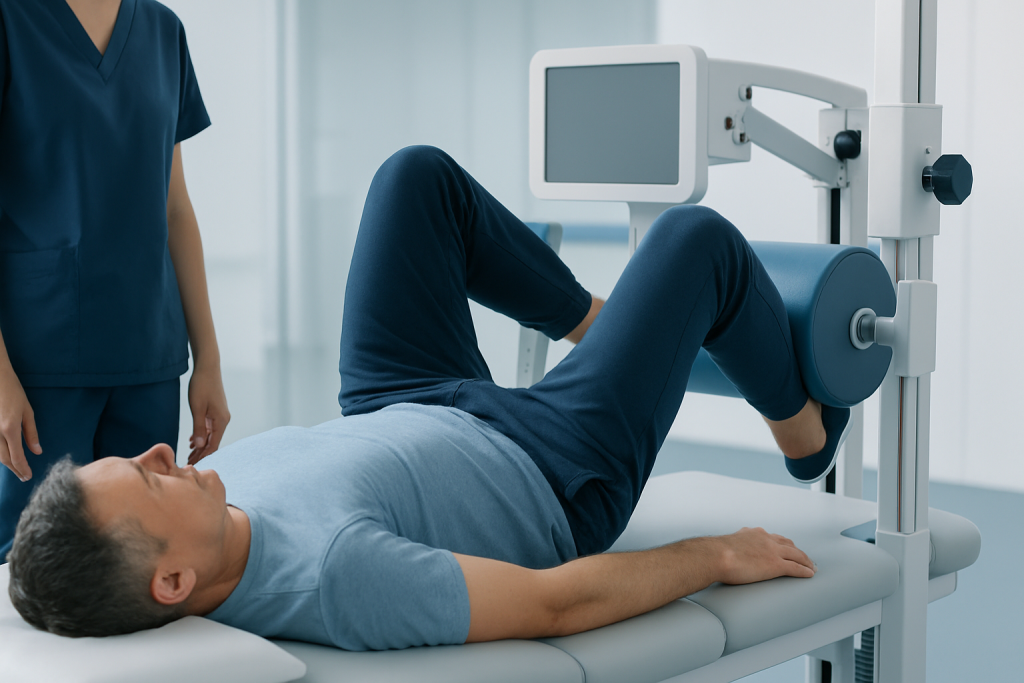
Lower back exercise programs are commonly used for aching, stiffness, and reduced range of motion in the lumbar area. They may also help people who feel “locked up” after long hours of sitting, driving, or working at a desk. Many patients notice that the pain is worse after inactivity and improves once the body warms up.
Exercises are also often part of recovery after a muscle strain, mild joint irritation, or posture-related discomfort. In these situations, the emphasis is usually on gentle mobility and gradual strengthening rather than intense stretching or heavy resistance. The right routine should leave the back feeling more capable, not more guarded.
It is important to understand what exercise can and cannot do. Lower back exercises may help with mechanical pain and general deconditioning, but they do not replace medical evaluation when pain is caused by a disc problem, spinal stenosis, inflammatory disease, fracture, infection, or nerve compression. The pattern of symptoms matters as much as the location of pain.
- Common situations that may benefit from guided exercise include posture-related stiffness, mild strain, and reduced core endurance.
- Exercise may be less suitable without assessment if symptoms include significant leg weakness, fever, trauma, or progressive numbness.
Causes and Risk Factors
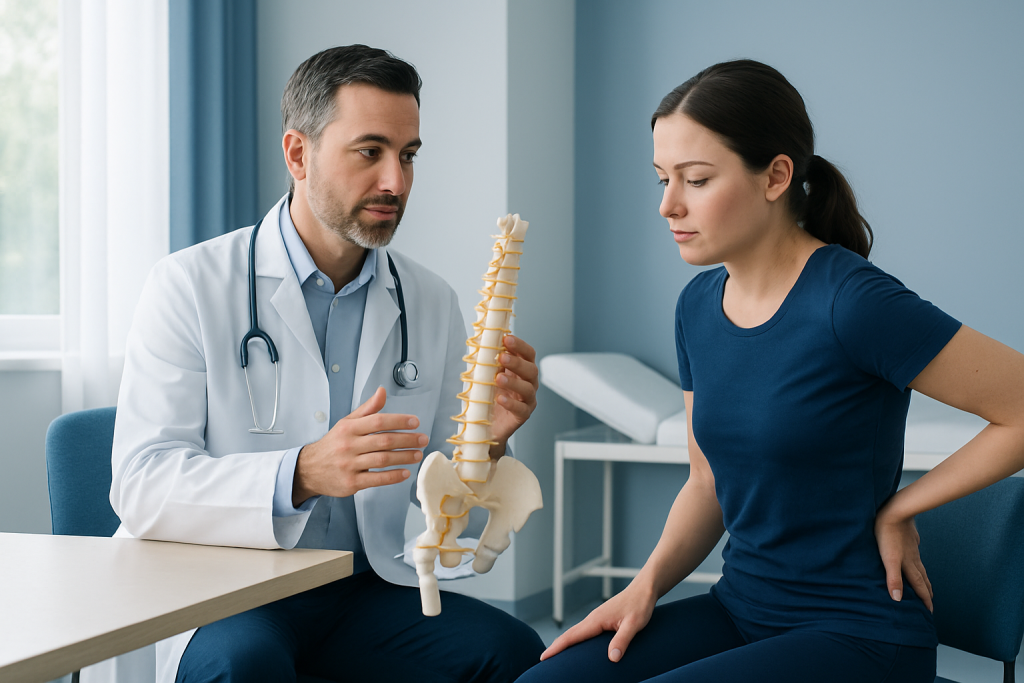
Lower back pain often develops from a mix of factors rather than a single event. Muscle overuse, poor lifting mechanics, prolonged sitting, weak trunk muscles, reduced flexibility in the hips, and sudden unaccustomed activity can all contribute. Sometimes the back hurts after a clear movement, while in other cases the discomfort builds gradually.
Age can also play a role, because spinal joints, discs, and surrounding tissues naturally change over time. People who are less active, who have physically demanding jobs, or who spend many hours in fixed positions may be more likely to notice recurring discomfort. Emotional stress can also increase muscle tension and make pain feel harder to manage.
Risk factors that may influence the choice of exercises include previous back injury, osteoporosis, pregnancy, obesity, arthritis, and certain neurological conditions. A rehabilitation specialist may also consider travel plans, because long flights or extended car rides can affect symptoms and should be factored into the exercise plan.
- Prolonged sitting and poor workstation setup
- Sudden lifting or twisting
- Weak abdominal, gluteal, or back muscles
- Tight hip flexors or hamstrings
- Previous episodes of low back pain
Diagnosis
Before starting a structured exercise program, it helps to know what is actually causing the pain. A clinician usually begins with a discussion of symptoms, including when they started, where the pain is felt, what makes it worse, and whether it travels into the buttock, thigh, or foot. A physical examination then looks at posture, walking pattern, flexibility, muscle strength, and nerve-related signs.
Many cases do not require extensive testing right away. Imaging may be considered when there are warning signs, symptoms are severe, pain persists despite appropriate care, or a specific structural problem is suspected. In other situations, the most useful “test” is watching how the back responds to carefully selected movement over time.
For international patients, diagnosis can be especially helpful when previous care has been fragmented. A coordinated assessment can clarify whether the problem is mainly muscular, joint-related, disc-related, or nerve-related, which makes the exercise plan safer and more precise. This is one reason rehabilitation teams often work closely with orthopedics, neurology, and physical therapy services.
Treatment Options
Treatment usually depends on the cause and duration of symptoms. For many people with non-emergency lower back pain, the foundation includes staying gently active, using targeted exercise, and avoiding long periods of bed rest. Heat, temporary activity modification, and supervised physical therapy may also be recommended.
Lower back exercises typically fall into a few useful groups. Mobility exercises help the spine and hips move more comfortably. Stretching may reduce tightness in surrounding muscles. Strengthening exercises build endurance in the deep abdominal muscles, back extensors, gluteal muscles, and hips, which can improve support for the lumbar spine.
Examples often used in rehabilitation include pelvic tilts, knee-to-chest movements, bridges, bird-dog variations, gentle hamstring stretches, hip flexor stretches, and walking. The best exercise set depends on the person’s exam findings and tolerance. If an activity increases pain sharply, produces leg symptoms, or causes lingering flare-ups, it should be stopped and reviewed with a clinician.
- Mobility: gentle spinal and hip motion
- Flexibility: targeted stretches for surrounding muscles
- Strength: core, glute, and trunk endurance work
- Functional training: movement patterns for sitting, standing, lifting, and walking
Some patients also benefit from manual therapy, posture coaching, ergonomic changes, or pain management medicine prescribed by a doctor. Surgery is not a first-line treatment for most uncomplicated cases, but it may be considered if there is persistent nerve compression, structural instability, or another clearly defined indication.
Prevention and Self-care
Prevention is often less about perfect posture and more about daily habits that keep the back resilient. Regular movement, especially walking and basic strengthening, can reduce the chance that stiffness builds up again. A back that is used wisely tends to tolerate more than a back that is protected too much.
Ergonomic choices matter too. A chair with proper support, a screen at eye level, and breaks from sitting can help lower strain during work or travel. When lifting, it is usually safer to bend at the hips and knees, keep the object close to the body, and avoid sudden twisting.
Self-care should stay moderate and consistent. Warm showers, heat packs, and gentle stretching may ease muscle tightness. Sleep position, mattress comfort, and stress management can also influence symptoms. For someone recovering while living abroad or preparing to fly home, a simple home program that can be continued anywhere is often the most practical option.
- Walk regularly, even if only in short intervals at first
- Strengthen the core and hips gradually
- Take movement breaks during long sitting periods
- Use careful lifting mechanics
- Keep exercise within a tolerable range
When to See a Doctor
Medical assessment is important when back pain is severe, persistent, or interfering with daily life despite home care. It is also advisable if pain begins after a fall, accident, or other injury. A clinician can check whether the back is simply irritated or whether something more specific needs attention.
Prompt review is especially important if there is pain that shoots down the leg, numbness, tingling, weakness, fever, unexplained weight loss, or pain that is worsening rather than settling. New difficulty controlling the bladder or bowel, or numbness in the saddle area, should be treated as urgent and assessed immediately.
People who are considering travel for treatment should make sure they understand the diagnosis, the expected recovery timeline, and what can safely be done during the trip home. Acibadem Health Point’s multidisciplinary specialists and JCI-accredited hospitals can diagnose and treat lower back conditions for international patients, with coordinated care that supports both treatment and follow-up planning.
FAQs
Q: Are lower back exercises safe for everyone?
A: Not always. Many people with common mechanical back pain can benefit from gentle exercise, but the plan should be matched to the cause of symptoms. Anyone with leg weakness, major trauma, fever, or bladder and bowel changes should be evaluated before starting exercises.
Q: Should lower back pain mean complete rest?
A: Usually not. Short periods of reduced activity may help during a flare-up, but prolonged rest can make stiffness and weakness worse. Gentle movement is often preferred once serious causes have been excluded.
Q: How soon do exercises help?
A: Some people feel looser after a few sessions, while others need several weeks of consistent practice. Progress is usually gradual, and the aim is better function rather than an instant cure. If pain worsens steadily, the program should be reviewed.
Q: Which exercises are best for lower back pain?
A: The best exercises depend on the person’s diagnosis, mobility, and strength. Commonly used options include walking, pelvic tilts, bridges, bird-dog movements, and gentle stretching, but not every exercise suits every back. A clinician or physical therapist can help choose the safest combination.
Q: Can core exercises help the lower back?
A: Yes, core endurance can support the spine and reduce strain on the lower back. The key is to start gently and build slowly, especially after pain or inactivity. Good form matters more than intensity.
Q: When should exercise stop and medical advice be sought?
A: Exercise should stop if it causes sharp pain, new leg symptoms, dizziness, or lingering worsening after the session. Medical advice is also needed if symptoms change suddenly or begin to affect walking, sleep, or bladder and bowel function.
References
World Health Organization
National Institute of Neurological Disorders and Stroke
American Academy of Orthopaedic Surgeons
National Institute for Health and Care Excellence
American Physical Therapy Association
Frequently asked questions
Are lower back exercises safe for everyone?
Not always. Many people with common mechanical back pain can benefit from gentle exercise, but the plan should be matched to the cause of symptoms. Anyone with leg weakness, major trauma, fever, or bladder and bowel changes should be evaluated before starting exercises.
Should lower back pain mean complete rest?
Usually not. Short periods of reduced activity may help during a flare-up, but prolonged rest can make stiffness and weakness worse. Gentle movement is often preferred once serious causes have been excluded.
How soon do exercises help?
Some people feel looser after a few sessions, while others need several weeks of consistent practice. Progress is usually gradual, and the aim is better function rather than an instant cure. If pain worsens steadily, the program should be reviewed.
Which exercises are best for lower back pain?
The best exercises depend on the person’s diagnosis, mobility, and strength. Commonly used options include walking, pelvic tilts, bridges, bird-dog movements, and gentle stretching, but not every exercise suits every back. A clinician or physical therapist can help choose the safest combination.
Can core exercises help the lower back?
Yes, core endurance can support the spine and reduce strain on the lower back. The key is to start gently and build slowly, especially after pain or inactivity. Good form matters more than intensity.
When should exercise stop and medical advice be sought?
Exercise should stop if it causes sharp pain, new leg symptoms, dizziness, or lingering worsening after the session. Medical advice is also needed if symptoms change suddenly or begin to affect walking, sleep, or bladder and bowel function.
References
- World Health Organization
- National Institute of Neurological Disorders and Stroke
- American Academy of Orthopaedic Surgeons
- National Institute for Health and Care Excellence
- American Physical Therapy Association
This article is for general information only and is not a substitute for professional medical advice. Please consult a qualified doctor about your individual situation.