Atelectasis: Causes, Symptoms and Treatment

Key Takeaways
- Atelectasis means part of the lung is not fully inflated, which can make breathing less efficient.
- Common triggers include surgery, shallow breathing, mucus buildup, and airway blockage.
- Symptoms may range from none at all to shortness of breath, cough, or low oxygen levels.
- Diagnosis usually involves a physical exam and imaging such as a chest X-ray or CT scan.
- Treatment focuses on opening the lung again and addressing the underlying cause.
Medically reviewed by the Acıbadem clinical team — August 19, 2026
Atelectasis is a condition in which part of the lung does not fully expand, reducing the amount of air available for breathing. It can happen after surgery, with mucus plugging, or from pressure on the lung, and it is often treatable once the cause is identified.
Overview
Atelectasis is the medical term for the partial or complete collapse of a small section of lung tissue. When this happens, air cannot reach that area normally, so the lung does not exchange oxygen as efficiently as it should. The condition may involve a tiny region or a larger portion of one lung, depending on the cause.
For many people, atelectasis develops in a predictable setting such as after surgery, during a long period of immobility, or when mucus blocks an airway. In other cases, it may appear because something is pressing on the outside of the lung or because the airway itself has narrowed. The important point is that atelectasis is usually a sign of an underlying issue rather than a disease on its own.
Because it is often reversible, early recognition matters. When the reason is found and treated, the affected part of the lung can frequently reopen. That is why doctors pay close attention to breathing changes, oxygen levels, and imaging findings, especially in people recovering from an operation or managing another lung condition.
Symptoms
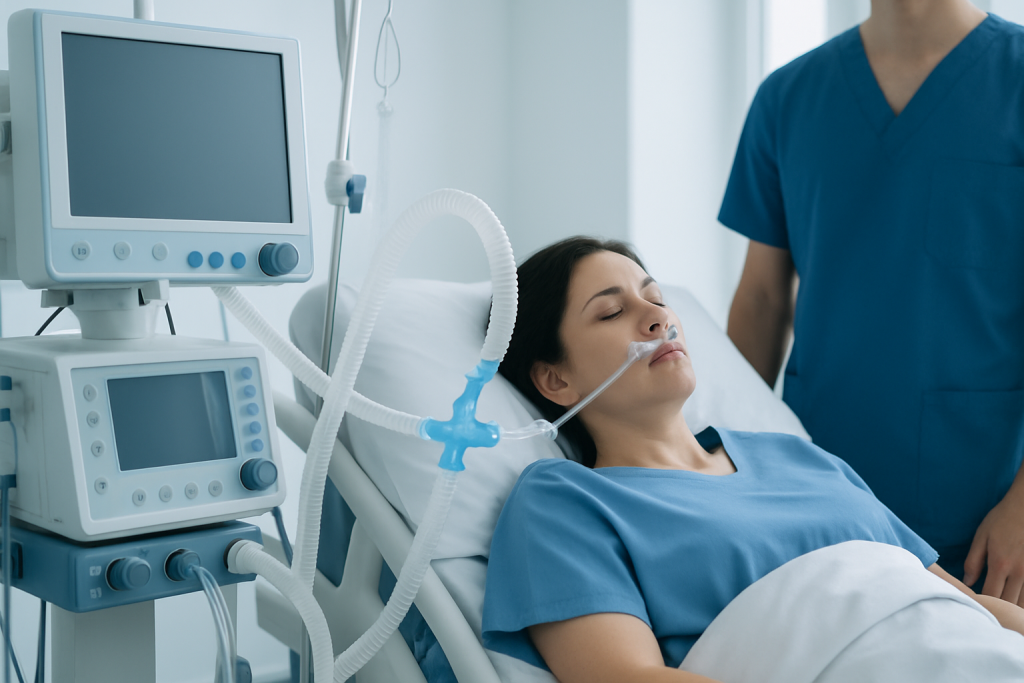
Some people with atelectasis have no clear symptoms, especially if only a small area of lung is involved. In those cases, the finding may appear during a scan or chest X-ray ordered for another reason. When symptoms do occur, they tend to reflect reduced air exchange in the affected area.
Common symptoms can include shortness of breath, faster breathing, a mild cough, or a sense that taking a full breath is difficult. If the collapse is larger, the person may notice chest discomfort, low energy, or bluish discoloration of the lips or fingertips from reduced oxygen. Fever is not a defining feature of atelectasis itself, although it may appear if infection is also present.
- Shortness of breath or shallow breathing
- Cough, sometimes with mucus
- Lower-than-usual oxygen levels
- Chest discomfort or a feeling of tightness
- Rapid breathing or fatigue
Symptoms can overlap with pneumonia, blood clots, asthma flare-ups, and other breathing problems. That is one reason medical evaluation is important when new or worsening respiratory symptoms develop, particularly after surgery or a hospital stay.
Causes & Risk Factors

Atelectasis happens when the lung cannot stay open in the usual way. One common mechanism is airway obstruction, often from mucus, a foreign body, or swelling inside the airway. Another is compression from outside the lung, such as fluid around the lung, air in the chest cavity, or a mass taking up space. A third mechanism is shallow breathing, which is especially common after surgery or when pain limits deep breaths.
Several factors can make atelectasis more likely. Recent anesthesia, chest or abdominal surgery, bed rest, smoking, and poor cough effort can all reduce how fully the lungs expand. Conditions that increase mucus production or impair clearance, including chronic lung disease or a respiratory infection, may also contribute.
Risk rises when someone cannot take regular deep breaths or move around soon after an illness or procedure. That is why postoperative patients are often encouraged to use breathing exercises, get up safely, and follow the recovery plan closely. For international patients, it is helpful to discuss these steps before travel home so the care team can plan a practical follow-up strategy.
Diagnosis
Diagnosis usually starts with a conversation about symptoms, recent surgery, medical history, and any reasons breathing may have become more difficult. A doctor may listen to the chest for reduced breath sounds or other changes, though physical signs can be subtle when only a small area is affected.
Imaging is central to confirming atelectasis. A chest X-ray is often the first test because it can show the collapsed area and help suggest the cause. In some situations, a CT scan gives a more detailed view, especially if the doctor needs to distinguish atelectasis from pneumonia, a mass, or another chest problem. Oxygen measurements may also be taken to see how well the lungs are working.
If mucus plugging or blockage is suspected, bronchoscopy may be used. During this procedure, a thin flexible camera is passed into the airways so the doctor can look inside and sometimes clear the obstruction. The choice of tests depends on the person’s overall condition, the degree of symptoms, and what the medical team expects to learn from each step.
Treatment Options
Treatment is aimed at reopening the affected lung tissue and correcting the cause. If mucus is blocking an airway, the priority may be clearing secretions through coughing techniques, suction, chest physiotherapy, or bronchoscopy. If shallow breathing is the main issue, deep-breathing exercises, incentive spirometry, pain control, and early movement may help the lung expand again.
When atelectasis is linked to an external pressure such as fluid or air around the lung, doctors may treat that problem directly. If an infection is present, additional treatment may be needed based on the underlying diagnosis. The plan is often individualized, because the same imaging finding can arise from several different situations.
Hospital monitoring is sometimes needed when oxygen levels are low or when the collapse is extensive. In more severe cases, additional respiratory support may be recommended. For patients traveling for care, it is useful to ask how recovery will be followed once they return home, including what symptoms should prompt contact with their local doctor.
Prevention & Self-care
Many cases of atelectasis can be reduced with simple preventive habits, especially around surgery and recovery. Taking slow, deep breaths, following instructions for coughing and airway clearance, and getting out of bed as soon as it is safe can all help keep the lungs open. After an operation, pain control also matters, because breathing too shallowly out of discomfort can encourage collapse.
General self-care should focus on lung expansion and mucus clearance. Staying hydrated if permitted, avoiding smoking, changing position regularly, and using prescribed breathing devices can support recovery. People with chronic lung disease may also need to stay on top of their usual treatment plan and be alert to infections that increase congestion.
- Practice deep breathing and gentle coughing as instructed
- Move around regularly when medically safe
- Follow pain-management guidance after surgery
- Avoid tobacco smoke and other airway irritants
- Keep follow-up appointments, especially after hospital discharge
For international patients, prevention also includes planning ahead. Before returning home, it is sensible to confirm medication instructions, warning signs, and the best way to share imaging or reports with the next clinician. Clear handover reduces the chance that a small postoperative issue becomes a larger recovery problem later.
When to See a Doctor
Medical assessment is important if breathing becomes more difficult, especially after surgery, during recovery from illness, or when cough and chest symptoms are not improving. Atelectasis may be mild, but it can also signal a blockage or another condition that needs prompt attention. A doctor can help determine whether the cause is simple and reversible or whether further treatment is needed.
Seek timely medical care if shortness of breath is new or worsening, if there is chest pain, if oxygen levels are lower than expected, or if fever appears along with respiratory symptoms. People who are recovering from a procedure should contact their care team if they cannot take deep breaths, have increasing mucus they cannot clear, or feel too breathless to move comfortably.
Emergency care is appropriate for severe breathing trouble, marked bluish coloring, confusion, or a sudden change in condition. For international patients, it is reasonable to ask the treating hospital how urgent concerns should be handled after discharge and what information to share if a local doctor in another country continues the follow-up.
At Acibadem Health Point, multidisciplinary specialists and JCI-accredited hospitals diagnose and treat atelectasis for international patients, with coordinated support through evaluation, recovery, and follow-up planning.
Living With and Recovering From Atelectasis
Most people improve once the cause is addressed and the lung has a chance to re-expand. Recovery may be quick when the problem is related to temporary shallow breathing, but it can take longer if mucus plugging, infection, or another lung condition is involved. The pace of improvement depends on the person’s overall health and how much lung tissue was affected.
Follow-up is part of good recovery, particularly after hospitalization or surgery. A doctor may want to confirm that breathing has returned to baseline and that imaging has improved if repeat testing is needed. When care crosses borders, keeping copies of reports, scan results, and discharge instructions makes it easier for another clinician to continue the same plan without delay.
Attention to small details often makes the biggest difference: breathing exercises done consistently, walking when allowed, and reporting new symptoms early. Atelectasis is best understood as a condition that responds well to organized care, not as a fixed or hopeless change in the lungs.
Frequently asked questions
Is atelectasis the same as a collapsed lung?
Atelectasis is often described as a partial collapse of lung tissue, but it is not always the same as a large pneumothorax, which is what many people mean by a “collapsed lung.” The term covers a range of situations, from a small plugged airway to a larger area that does not fully inflate. A doctor can explain which type is present based on imaging and the clinical picture.
Can atelectasis go away on its own?
Small areas of atelectasis may improve when a person starts breathing deeply, coughing effectively, and moving more. However, the underlying cause still needs attention so the problem does not return. If symptoms are present or the collapse is larger, medical treatment is usually recommended.
Why does atelectasis happen after surgery?
After surgery, pain, anesthesia, and limited movement can all lead to shallow breathing. When breaths are too small, parts of the lung may not fully open, and mucus can collect in the airways. This is why postoperative breathing exercises and early mobilization are so important.
How is atelectasis different from pneumonia?
Both conditions can cause cough and shortness of breath, and they may look similar on first glance. Pneumonia is an infection, while atelectasis is a loss of air in part of the lung. Imaging and the overall clinical picture help doctors tell them apart and choose the right treatment.
Does atelectasis always cause symptoms?
No, mild atelectasis can be silent and found only on imaging. Symptoms are more likely when a larger area is involved or when oxygen levels drop. Even without symptoms, the finding should be reviewed by a doctor so the cause is not missed.
What should a patient ask before traveling home after treatment?
It helps to ask what warning signs should prompt medical review, which breathing exercises should continue, and whether follow-up imaging is expected. Patients should also request copies of test results and a clear summary for their local doctor. That makes recovery across countries much smoother and safer.
References
- Merck Manual Professional Edition
- Cleveland Clinic
- Mayo Clinic
- National Heart, Lung, and Blood Institute
This article is for general information only and is not a substitute for professional medical advice. Please consult a qualified doctor about your individual situation.
Explore treatments in Turkey — costs, top hospitals & a free quote
JCI-accredited · board-certified surgeons · reply within 24h
Add us as a Preferred Source to see more of our trusted health content across Google Search, AI Overviews and Discover.