Asphyxia: Symptoms, Causes and Treatment

Key Takeaways
- Asphyxia occurs when oxygen cannot reach the body in sufficient amounts, putting the brain and organs at risk.
- Common warning signs include trouble breathing, bluish skin or lips, confusion, collapse, and loss of consciousness.
- Causes can include choking, strangulation, drowning, smoke inhalation, allergic swelling, and certain medical conditions.
- Emergency response focuses on restoring breathing and oxygen, followed by monitoring for complications.
- Prevention includes choking-safety habits, safer environments, and prompt treatment of conditions that can narrow or block the airway.
Medically reviewed by the Acıbadem clinical team — August 19, 2026
Asphyxia is a medical emergency that happens when the body does not get enough oxygen, often because breathing is blocked or severely impaired. Quick recognition and timely treatment are essential, and recovery depends on how long the oxygen supply was interrupted and how quickly care begins.
Overview
Asphyxia describes a dangerous shortage of oxygen caused by blocked breathing, inadequate air exchange, or a failure to move enough oxygen into the bloodstream. It is not a single disease, but a life-threatening situation that can develop suddenly or progress over a short period of time.
The most urgent concern is the brain. Brain cells are highly sensitive to oxygen loss, so even brief interruption can lead to confusion, fainting, seizures, or lasting injury. For that reason, asphyxia is treated as an emergency from the first moment it is suspected.
For families, travelers, and international patients, the practical lesson is simple: if breathing appears blocked or the person becomes drowsy, blue, or unresponsive, emergency help should be called without delay. The safest approach is to treat the event as serious until a medical professional confirms otherwise.
Symptoms
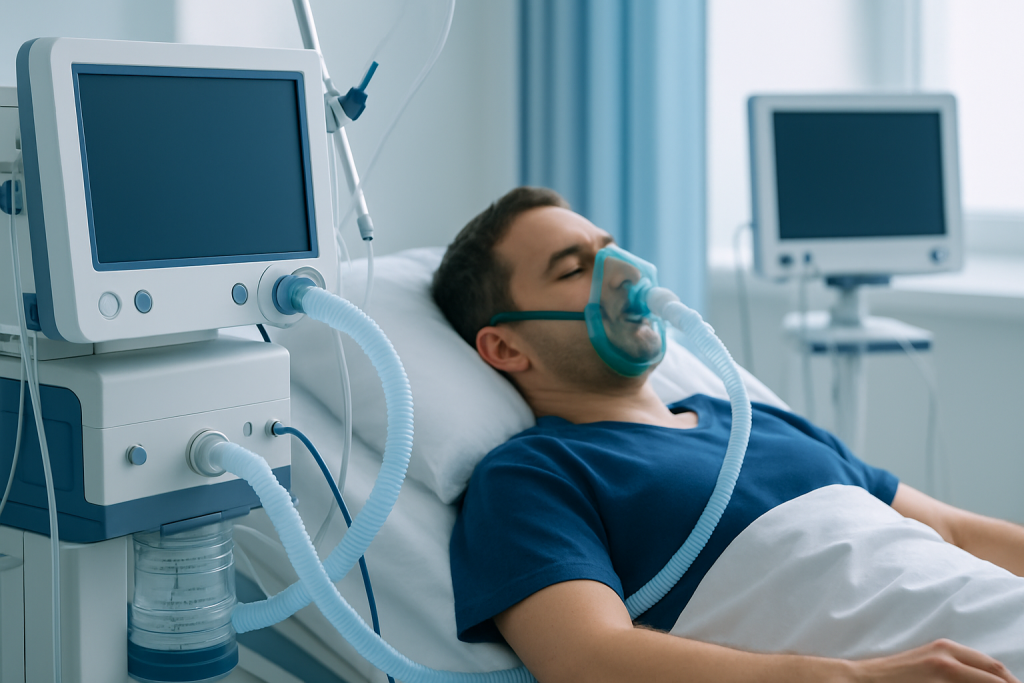
The signs of asphyxia can vary depending on the cause, the person’s age, and how quickly oxygen levels fall. Early symptoms may look like distress, panic, or effortful breathing, but they can quickly progress if the underlying problem is not corrected.
Common warning signs include:
- Shortness of breath or noisy breathing
- Gagging, choking, or inability to speak
- Blue, gray, or pale lips and skin
- Confusion, agitation, or unusual drowsiness
- Rapid heartbeat followed by weakness or collapse
- Loss of consciousness
Children may show restlessness, crying, limpness, or sudden inability to breathe normally. In some situations, such as smoke inhalation or carbon monoxide exposure, symptoms may be less obvious at first, which is one reason any suspected oxygen problem deserves urgent assessment.
Causes & Risk Factors

Asphyxia can happen in many different settings. Some causes physically block air from entering the airway, while others interfere with the lungs’ ability to bring oxygen into the body or with the blood’s ability to carry it.
Common causes include choking on food or a foreign object, strangulation, drowning, severe asthma or airway swelling, smoke inhalation, and exposure to toxic gases such as carbon monoxide. In medical settings, overdose of sedating medicines, severe allergic reactions, seizures, and certain injuries can also reduce oxygen supply.
Risk factors often depend on age and environment. Young children are more likely to choke on small objects or food pieces, older adults may have swallowing difficulties, and anyone with neurologic conditions, alcohol or drug impairment, or limited access to emergency help may be more vulnerable. Poor ventilation in enclosed spaces can also increase the risk of toxic inhalation.
Diagnosis
Diagnosis begins with a rapid clinical assessment, because treatment must start before all test results are available. Medical teams first check whether the airway is open, whether the person is breathing, and whether oxygen is reaching the organs.
After immediate stabilization, clinicians may use pulse oximetry, blood gas testing, chest imaging, electrocardiography, or other studies depending on the suspected cause. If choking, poisoning, drowning, or head and neck injury is involved, the evaluation is tailored to find the reason oxygen delivery was interrupted and to look for complications.
For patients arriving from another country or after a long journey, doctors also review the timeline carefully: what happened, when breathing changed, what first aid was given, and whether there was any loss of consciousness. That history can guide the next steps and help determine the risk of delayed problems.
Treatment Options
Treatment for asphyxia is aimed at restoring oxygen as quickly as possible and preventing further injury. The exact approach depends on the cause, but the first priorities are always the same: clear the airway if possible, support breathing, and provide supplemental oxygen when needed.
Emergency measures may include removing a visible obstruction, airway suctioning, rescue breathing, advanced airway support, or mechanical ventilation in severe cases. If the cause is choking, drowning, allergic swelling, poisoning, or another specific event, the medical team addresses that trigger directly at the same time.
After the immediate crisis, monitoring is important because complications can appear later. Some patients need observation in the hospital for lung irritation, brain effects from oxygen deprivation, or injury related to the original event. Recovery may also include rehabilitation, swallowing evaluation, or follow-up with respiratory, neurologic, or ear-nose-throat specialists.
Prevention & Self-care
Prevention focuses on reducing the chances of airway blockage and recognizing danger early. In daily life, this often means taking a few practical precautions rather than making major changes.
Helpful steps include eating slowly, cutting food into manageable pieces, supervising young children during meals, keeping small objects out of reach, learning age-appropriate first aid, and ensuring that smoke alarms and carbon monoxide detectors are working. People with swallowing problems, severe allergies, epilepsy, or breathing disorders should discuss individualized prevention plans with a doctor.
For self-care after an asphyxia event, the safest advice is to follow discharge instructions closely, attend all follow-up visits, and seek help if breathing becomes harder, cough worsens, fever develops, or confusion appears. When treatment was received abroad, clear written instructions and a plan for home-country follow-up can make recovery smoother and less stressful.
When to See a Doctor
Asphyxia itself is an emergency, so immediate medical care is needed if someone is choking, struggling to breathe, turning blue, collapsing, or becoming unresponsive. Waiting to see if symptoms improve on their own is not safe.
After the emergency has passed, a doctor should still evaluate anyone who had a significant breathing episode, even if they seem better. This is especially important after choking, drowning, inhalation of smoke or chemicals, near-hanging, or any event that caused fainting or confusion.
People should also seek medical attention for repeated choking, chronic swallowing trouble, unexplained shortness of breath, voice changes, or frequent episodes of coughing during meals. In an international care setting, Acibadem Health Point’s multidisciplinary specialists and JCI-accredited hospitals can help diagnose and treat asphyxia-related emergencies and their complications for patients coming from abroad.
Living After an Asphyxia Event
Recovery after asphyxia is not only about the lungs. Some people need time to regain strength, concentration, or confidence around eating, sleeping, and daily activities. Others may need therapy to address swallowing problems, anxiety after the event, or injury-related weakness.
Follow-up testing may be recommended if there was loss of consciousness, persistent coughing, chest discomfort, hoarseness, or any change in memory or behavior. A gradual return to normal activity is often best, guided by the treating team.
For patients who traveled for care, it helps to leave with a clear summary of treatment, medication guidance if prescribed, warning signs to watch for, and a name or clinic for follow-up in their home country. That continuity makes recovery safer and more manageable.
Frequently asked questions
What is asphyxia in simple terms?
Asphyxia is a condition in which the body does not get enough oxygen, usually because breathing is blocked or seriously impaired. It can become life-threatening very quickly and should always be treated as an emergency.
How is asphyxia different from choking?
Choking is one possible cause of asphyxia, especially when food or an object blocks the airway. Asphyxia is the broader term for oxygen deprivation, no matter what caused it.
Can someone recover fully after asphyxia?
Recovery depends on how long oxygen was limited and whether organs, especially the brain, were affected. Some people recover completely, while others may need ongoing monitoring or rehabilitation.
What first aid should be given for suspected asphyxia?
The right first aid depends on the cause, but emergency help should be called immediately. If there is visible choking, trained first aid measures may help; if the person is unresponsive, cardiopulmonary resuscitation may be needed while waiting for professionals.
Why is medical follow-up important after the person starts breathing again?
Symptoms can improve before complications are fully visible, especially after smoke inhalation, drowning, or prolonged oxygen loss. Follow-up helps doctors check for delayed breathing problems, brain effects, or hidden injury.
Is asphyxia the same as suffocation?
The terms are often used similarly in everyday language, but asphyxia is the medical term for inadequate oxygen delivery to the body. Suffocation usually refers to the event or mechanism that blocks breathing.
References
- World Health Organization
- Mayo Clinic
- Merck Manual Professional Edition
- MedlinePlus
- American Heart Association
This article is for general information only and is not a substitute for professional medical advice. Please consult a qualified doctor about your individual situation.
Explore treatments in Turkey — costs, top hospitals & a free quote
JCI-accredited · board-certified surgeons · reply within 24h
Add us as a Preferred Source to see more of our trusted health content across Google Search, AI Overviews and Discover.