Are Warts Contagious

Key Takeaways
- Warts are usually contagious because they are caused by specific HPV types.
- Spread can happen through direct skin contact or shared surfaces, especially when skin is broken or moist.
- Not everyone exposed to HPV develops warts; the immune system and skin condition matter.
- Many warts go away over time, but treatment can help if they are painful, persistent, or spreading.
- Basic hygiene, not sharing personal items, and covering warts can help reduce transmission.
Warts are small skin growths caused by certain types of human papillomavirus (HPV), and they can spread from person to person or from one part of the body to another. Understanding how they spread, how they are diagnosed, and what treatment options exist can help people manage them calmly and reduce recurrence.
Overview
Warts are common skin growths that develop when certain types of human papillomavirus, or HPV, enter the outer layer of the skin. The question most people ask first is simple: can they spread? In most cases, yes. Warts are considered contagious, although they do not spread as easily as many people fear.
Contagion depends on several factors, including the type of wart, the health of the skin, and the strength of the immune response. Some people have close contact with the virus and never develop a wart, while others notice one lesion spreading to nearby skin or to family members who share the same environment.
For international patients planning care, the practical issue is often not only treatment but also timing: whether the wart is painful, affecting daily routines, or likely to spread before travel, work, or sports commitments. A dermatologist can help decide whether watchful waiting or active treatment is the more sensible path.
Symptoms
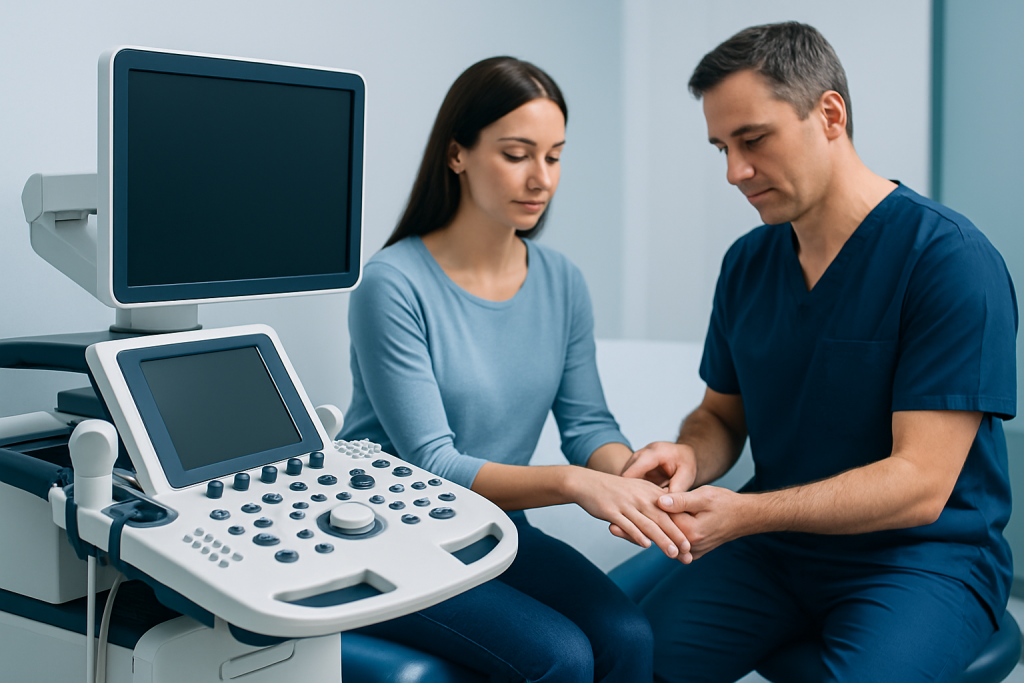
Warts can look different depending on where they appear on the body, but they often share a few familiar features. They may be small, rough, raised, or grainy, and some have tiny dark dots that reflect clotted blood vessels. On the feet, they can press inward and become tender when walking.
Common types include common warts on the hands, plantar warts on the soles, flat warts that are smoother and smaller, and genital warts that require prompt medical assessment. Warts may appear singly or in clusters, and new growths can show up near an existing wart if the virus spreads locally.
- Rough, firm, or cauliflower-like texture
- Skin-colored, brown, gray, or slightly darker appearance
- Itching, tenderness, or discomfort in some cases
- Spread to nearby skin after scratching, shaving, or picking
Because other skin problems can resemble warts, self-diagnosis is not always reliable. A clinician may be needed if the growth is painful, bleeds, changes quickly, or appears in a sensitive area.
Causes & Risk Factors

Warts are caused by HPV entering skin through tiny breaks, cuts, or areas of friction. Once inside, the virus triggers extra skin cell growth, creating the visible bump. Different HPV types tend to cause warts in different locations, which is why a wart on the hand may behave differently from one on the foot or genital area.
Transmission usually happens through direct contact with a wart or by touching contaminated surfaces, such as shower floors, gym equipment, or shared towels. Moist, softened skin is more vulnerable, which helps explain why communal changing rooms and swimming pool areas are often mentioned in prevention advice.
Certain factors make spread or new warts more likely. These include skin picking, nail biting, shaving over a wart, walking barefoot in communal wet areas, and having a weakened immune system. Children and teenagers are commonly affected because their skin is exposed through play, sports, and shared spaces.
It is also worth noting that a wart’s contagiousness does not mean casual contact always leads to infection. The virus usually needs an opening in the skin, and many exposures never result in visible warts.
Diagnosis
Most warts are diagnosed by a simple skin examination. A doctor usually looks at the size, shape, location, and surface pattern of the lesion and asks how long it has been present and whether it has changed. In many cases, no special testing is needed.
When the appearance is unusual, the lesion is in a sensitive area, or the diagnosis is uncertain, a clinician may recommend further evaluation. Occasionally, a small biopsy is used to rule out other skin conditions that can resemble warts, such as skin tags, corns, calluses, or some precancerous and cancerous growths.
For international patients, diagnosis is often efficient and straightforward, but it is still helpful to bring a clear timeline of the lesion, past treatments tried, and any history of immune problems or recurrent skin infections. That information can guide whether the wart is best managed in clinic or monitored over time.
Treatment Options
Many warts clear on their own, especially in children, because the immune system eventually recognizes and controls the virus. Even so, treatment is often considered when the wart is painful, cosmetically troubling, spreading, or interfering with walking, hand use, or intimacy. The right choice depends on wart type, location, age, and overall health.
Common treatment approaches include topical medicines that help remove the wart gradually, in-office freezing, and other procedures that destroy wart tissue or stimulate the immune system to respond. Plantar warts may need a different strategy than hand warts because they are thicker and more resistant to friction and pressure.
- Topical treatments used regularly over time
- Cryotherapy, which freezes the wart in clinic
- Curettage or minor removal procedures in selected cases
- Other dermatologist-directed treatments for stubborn warts
No single treatment works for everyone, and persistence is often part of the process. Some warts require repeated visits, especially if they are old, thick, or located on the feet. A clinician can help balance effectiveness with comfort and recovery time, which matters for patients traveling from abroad.
Prevention & Self-care
Prevention is mostly about reducing opportunities for the virus to move from skin to skin. Covering warts with a bandage or waterproof dressing can help, especially in crowded settings, sports facilities, or shared bathrooms. People should avoid picking at warts, shaving directly over them, or trying to cut them off at home.
Simple hygiene habits are useful and realistic. Washing hands after touching a wart, keeping feet dry, wearing flip-flops in communal showers, and not sharing towels, socks, razors, or nail tools all lower the chance of spread. If a child has a wart, nail-biting and skin-picking habits may need gentle attention because they can carry the virus to nearby skin.
Self-care also includes watching for change. A wart that becomes unusually painful, bleeds, rapidly enlarges, or spreads despite treatment should be checked by a doctor. People with diabetes, poor circulation, or immune suppression should be especially careful with foot lesions and should seek medical advice before using strong over-the-counter products.
When to See a Doctor
Medical review is sensible when a wart is painful, persistent, rapidly multiplying, or interfering with daily activity. It is also important to seek care if the diagnosis is uncertain, because not every rough skin growth is a wart. Warts on the face, genitals, around the nails, or on the soles can be more challenging and may need tailored treatment.
Adults with weakened immunity, people with diabetes, and those with recurrent or widespread warts should not try to manage them casually without guidance. A clinician can help choose the safest treatment and reduce the chance of skin injury or infection, which is especially important when follow-up may need to happen after travel.
For patients considering care abroad, an experienced team can coordinate assessment, treatment planning, and follow-up instructions before return travel. At Acibadem Health Point, multidisciplinary specialists and JCI-accredited hospitals diagnose and treat warts for international patients with a focus on clear communication and safe, practical care.
Living With Warts
Living with a wart is often more about inconvenience than danger, but it can still affect confidence and comfort. Many people worry about touching family members, children, or coworkers, yet everyday contact is usually not the main risk; direct skin contact with the wart itself and shared damp surfaces are more relevant.
Knowing that warts are caused by a common virus can be reassuring. They are widespread, often manageable, and in many cases temporary. The goal is not panic, but sensible attention to skin care, prompt evaluation when needed, and a treatment plan that fits the person’s life.
For some patients, especially those traveling internationally, the best next step is simply a reliable diagnosis and a realistic plan for either treatment now or monitoring over time. That approach helps reduce uncertainty and makes recovery easier to manage across borders.
Outlook
Most warts are benign and can be treated successfully, though some linger or return. Because HPV can remain in the skin for a time, recurrence is possible even after a wart seems to have cleared. That is why prevention habits and follow-up matter as much as the initial treatment.
The outlook is generally good when warts are recognized early and managed appropriately. With the right combination of home precautions and clinician-guided care, many people can reduce spread, improve comfort, and get back to normal routines with less worry.
Frequently asked questions
Are warts contagious to other people?
Yes, warts can be contagious because they are caused by certain HPV types. Spread is more likely with direct contact or shared moist surfaces, but not every exposure leads to infection. Many people are exposed and never develop a wart.
Can warts spread from one part of the body to another?
They can, especially if the wart is scratched, shaved, or picked at. The virus may move to nearby skin through small breaks in the surface. Covering the wart and avoiding manipulation can help reduce that risk.
Do all warts need treatment?
Not always. Some warts disappear on their own, particularly in children. Treatment is often chosen when the wart is painful, spreading, long-lasting, or in a location that affects function or appearance.
Can I go to the gym or pool if I have a wart?
In many cases, yes, but the wart should be covered whenever possible. Wearing footwear in communal wet areas and using a bandage or dressing can help reduce the chance of spread. Good hygiene also matters after contact with shared surfaces.
Are over-the-counter wart products safe for everyone?
They are not suitable for every person or every wart location. People with diabetes, poor circulation, sensitive skin, or warts on the face or genitals should get medical advice before using them. A clinician can suggest the safest option.
When should a wart be checked by a doctor?
A wart should be assessed if it is painful, bleeding, changing quickly, very large, or not improving. It is also wise to seek care if the diagnosis is uncertain or if the person has a weakened immune system. Early evaluation can prevent unnecessary discomfort and confusion.
References
- American Academy of Dermatology
- Centers for Disease Control and Prevention
- Mayo Clinic
- National Health Service
This article is for general information only and is not a substitute for professional medical advice. Please consult a qualified doctor about your individual situation.