Anxious Vs

Key Takeaways
- Stress is usually linked to a clear external demand, while anxiety can persist even when the trigger is not immediate.
- Both stress and anxiety may cause physical symptoms such as tension, sleep problems, and a racing heart.
- Long-lasting symptoms that interfere with daily life deserve medical attention and may need structured treatment.
- Simple self-care steps can ease both conditions, but persistent anxiety often benefits from professional evaluation.
- Getting help early can prevent symptoms from worsening and support recovery, especially for people managing care while traveling.
Anxiety and stress can feel similar, but they are not the same thing. Understanding the difference can help a person choose the right coping strategies and know when professional support may be useful.
Overview
People often use the words stress and anxiety interchangeably, but they describe different experiences. Stress is usually the body’s response to a specific pressure, such as a deadline, illness, family responsibility, or travel disruption. Anxiety is more about ongoing fear, worry, or anticipation that may continue even when the immediate pressure has passed.
That difference matters because it shapes how symptoms are managed. A person who feels tense before an important appointment may simply need rest, planning, and reassurance. Someone whose worry keeps returning, spreads into many parts of life, or makes it hard to function may be dealing with an anxiety disorder and could benefit from a medical evaluation.
Both conditions can affect sleep, concentration, digestion, mood, and physical comfort. They can also overlap, which is why a careful conversation with a qualified clinician is often the best way to understand what is happening and what kind of support will help most.
Symptoms
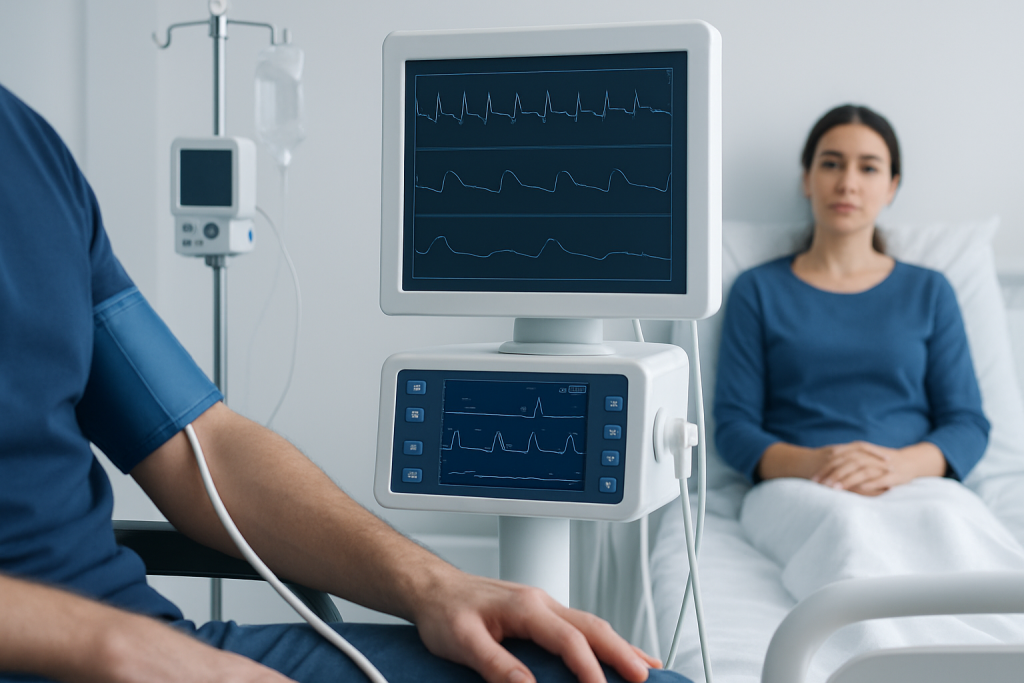
Stress and anxiety share many signs, and that overlap can make them hard to separate. Common symptoms include muscle tension, irritability, fatigue, headaches, stomach discomfort, trouble sleeping, and a sense of being mentally overloaded. Some people notice a fast heartbeat, shallow breathing, or difficulty concentrating.
Stress symptoms often rise and fall with the source of pressure. For example, a person may feel on edge during a busy work period, then gradually relax once the task is finished. Anxiety symptoms may appear without an obvious trigger or continue long after the stressful event has ended.
Emotional symptoms also differ in a practical way. Stress tends to feel like “too much to handle right now,” while anxiety often feels like “something bad might happen” even when there is no clear immediate threat. When these feelings become frequent, intrusive, or hard to control, it is wise to seek professional advice.
Causes & Risk Factors
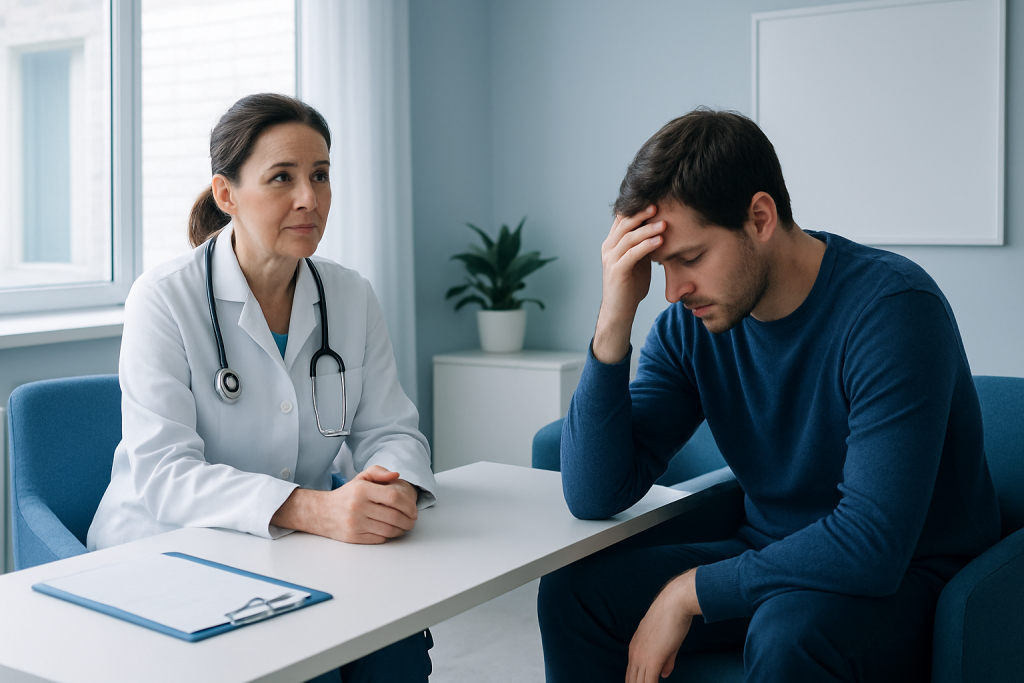
Stress usually develops in response to external demands. Common triggers include major life changes, conflict, financial strain, demanding schedules, caregiving, work pressure, and health concerns. Even positive changes, such as moving to another country or preparing for medical Varicose Vein Treatment Abroad: When Stockings Are Enough and When Procedures Help More" class="ahp-ilk">treatment abroad, can be stressful because they require many decisions and unfamiliar logistics.
Anxiety can be influenced by a mix of factors. These may include family history, personality traits, past trauma, ongoing stress, medical conditions, caffeine or stimulant use, and sleep deprivation. Sometimes anxiety begins after a stressful event and then continues on its own pattern.
Certain people may be more vulnerable to both conditions, including those with limited rest, high responsibility, little support, or previous episodes of anxiety or depression. A clinician may also look for medical contributors such as thyroid problems, heart rhythm changes, breathing issues, or medication effects, because physical health and emotional well-being are closely connected.
Diagnosis
There is no single test that proves whether a person has stress or anxiety. Diagnosis starts with a detailed medical history and a conversation about symptoms, life circumstances, sleep, substance use, and how much the problem affects daily life. A doctor may ask how long the symptoms have been present and whether they are linked to a specific event or situation.
In some cases, basic tests are used to rule out physical causes that can look similar to anxiety, such as thyroid disorders, anemia, or heart-related problems. This step is important when symptoms include palpitations, shortness of breath, dizziness, or unexplained weight changes.
Health professionals may also use screening questionnaires to understand symptom patterns and severity. These tools do not replace a full evaluation, but they can help guide the next steps, especially when a person is trying to arrange care across borders and wants a clear plan before traveling home.
Treatment Options
Treatment depends on whether the main issue is temporary stress, an anxiety disorder, or a combination of both. For many people, education, reassurance, practical problem-solving, and lifestyle changes are enough to reduce stress. When anxiety is persistent or disabling, treatment often includes psychotherapy, such as cognitive behavioral therapy, and sometimes medication prescribed by a qualified clinician.
Therapy can help a person notice unhelpful thought patterns, reduce avoidance, and build coping skills. Medication may be considered when symptoms are severe, long-lasting, or not improving with therapy alone. The choice is individualized, and a clinician will consider age, other health conditions, current medications, and the person’s preferences.
For international patients, treatment planning may include follow-up timing, access to records, and coordination with a doctor at home. This is especially useful when care begins during a short stay and needs to continue after the journey ends. Acibadem Health Point’s multidisciplinary specialists and JCI-accredited hospitals diagnose and treat this condition for international patients as part of coordinated, patient-centered care.
Prevention & Self-care
Not every episode of stress or anxiety can be prevented, but many symptoms can be softened through steady routines. Regular sleep, balanced meals, daily movement, and limiting excess caffeine or alcohol can help the nervous system stay more stable. Short breathing exercises, stretching, and brief breaks during the day may also reduce physical tension.
It helps to make stress more visible rather than letting it stay vague. Writing down triggers, identifying what can be changed, and breaking large tasks into smaller steps often makes challenges feel more manageable. People who are traveling for medical care may also benefit from preparing documents, medication lists, and a simple recovery plan before departure.
Support from trusted family members, friends, or mental health professionals can make a meaningful difference. Self-care is not about ignoring problems; it is about giving the body and mind enough support to handle them more effectively.
- Keep a regular sleep and meal schedule where possible.
- Use gentle exercise or stretching to release tension.
- Practice slow breathing when worry becomes intense.
- Reduce stimulants if they worsen symptoms.
- Plan ahead for appointments, travel, and recovery needs.
When to See a Doctor
A doctor should be consulted when stress or anxiety lasts for weeks, keeps returning, or interferes with work, relationships, sleep, or day-to-day responsibilities. Medical advice is also important if symptoms are becoming stronger, if coping strategies no longer help, or if the person is avoiding normal activities because of fear or worry.
Prompt evaluation is especially important when symptoms include chest pain, fainting, severe shortness of breath, thoughts of self-harm, or a sudden change in behavior. These symptoms may have urgent medical causes and should not be dismissed as “just stress.”
If someone is planning to travel for diagnosis or treatment, it is reasonable to arrange care early so there is enough time for evaluation, treatment decisions, and follow-up planning. Clear communication and a written summary can make continued care easier once the person returns home.
Living with Anxiety or Stress
Learning the difference between anxiety and stress gives people a better chance of responding in a useful way. Stress often improves when the source of pressure is addressed, while anxiety may need a broader approach that includes therapy, medical review, and ongoing coping skills.
Recovery is usually gradual rather than immediate. Progress may look like sleeping better, handling worries with less distress, or returning to normal routines more consistently. Small improvements matter, especially when a person is balancing treatment, family life, and travel.
The most helpful next step is often a simple one: speak with a qualified doctor or mental health professional and describe the symptoms as clearly as possible. A careful evaluation can separate temporary strain from a condition that deserves treatment and can help build a plan that fits the person’s life.
Frequently asked questions
What is the main difference between anxiety and stress?
Stress is usually a response to a specific outside pressure, such as work demands or a health concern. Anxiety is more likely to involve ongoing fear or worry that may continue even when the immediate trigger is not present.
Can stress turn into anxiety?
Yes, ongoing stress can contribute to anxiety in some people. When the nervous system stays under pressure for a long time, worry and physical symptoms may become more persistent.
How can a person tell whether symptoms are caused by anxiety or a medical problem?
Because symptoms can overlap, a doctor may review the person’s history and do tests if needed to rule out physical causes. This is especially important when there is chest discomfort, dizziness, breathing difficulty, or unexplained changes in the body.
What treatments are commonly used for anxiety?
Treatment often includes psychotherapy, especially cognitive behavioral therapy, and sometimes medication. The best option depends on symptom severity, overall health, and the person’s preferences.
Are relaxation techniques enough on their own?
They can be very helpful for mild stress and as part of anxiety care, but they are not always enough if symptoms are persistent or severe. A clinician can help decide whether additional treatment is needed.
When should someone seek help urgently?
Urgent help is needed for chest pain, fainting, severe shortness of breath, or thoughts of self-harm. These symptoms should be assessed right away rather than assumed to be stress or anxiety.
References
- World Health Organization
- National Institute of Mental Health
- NHS
- Mayo Clinic
This article is for general information only and is not a substitute for professional medical advice. Please consult a qualified doctor about your individual situation.