Anhedonia Meaning

Key Takeaways
- Anhedonia is more than low mood; it is a reduced ability to enjoy or feel motivated by activities, people, or experiences.
- It is commonly linked to depression, anxiety, trauma-related conditions, substance use, sleep problems, and some medical disorders.
- Diagnosis focuses on the pattern of symptoms, how long they have lasted, and whether another condition may be contributing.
- Treatment usually combines therapy, lifestyle support, and, when appropriate, medication or treatment of an underlying illness.
- Recovery is often gradual, especially when care is coordinated across different specialists or while following up from abroad.
Anhedonia means a reduced ability to feel pleasure or interest in things that once felt rewarding. It can appear on its own, but it often signals an underlying mental or physical health condition that deserves attention.
Overview
Anhedonia is the medical term for a reduced ability to feel pleasure, interest, or emotional reward. A person may still go through the motions of daily life, but activities that once felt meaningful can begin to feel flat, distant, or hard to engage with.
The phrase anhedonia meaning is often searched by people trying to understand whether they are simply “burned out” or whether something more significant is happening. In practice, anhedonia is a symptom rather than a diagnosis. It can appear in depression, bipolar disorder, anxiety disorders, post-traumatic stress, substance use disorders, and some neurological or endocrine conditions.
Because it can affect relationships, work, appetite, sleep, and motivation, anhedonia deserves a careful and compassionate look. Early evaluation helps identify whether the cause is emotional, physical, or a combination of both.
Symptoms
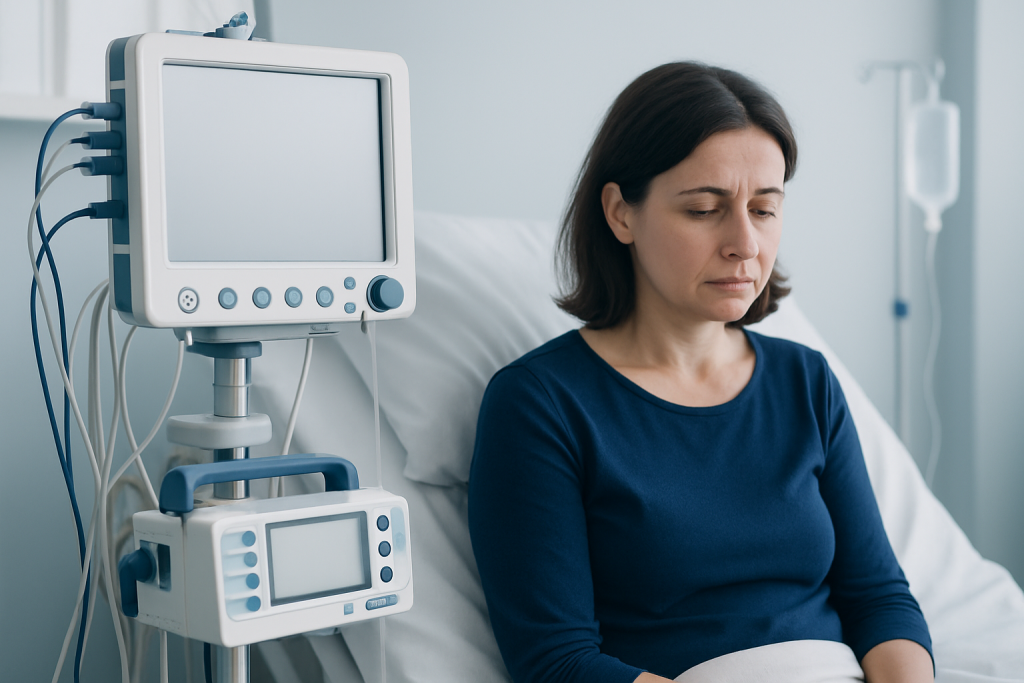
Anhedonia does not look the same in every person. Some people notice that hobbies no longer feel satisfying. Others describe emotional numbness, a lack of anticipation before enjoyable events, or difficulty connecting with friends and family.
It is often discussed in two broad forms. Social anhedonia refers to reduced pleasure from social contact, while physical anhedonia refers to less enjoyment from sensory experiences such as food, touch, music, or exercise. Both can affect daily routines, but they may be experienced differently.
- Activities feel “empty” or unrewarding
- Less interest in socializing or making plans
- Reduced emotional response to positive events
- Low motivation even for familiar routines
- Feeling detached, numb, or “not like myself”
Anhedonia may also occur alongside other symptoms such as persistent sadness, anxiety, irritability, fatigue, changes in sleep or appetite, and trouble concentrating. When these changes last for more than a short period or interfere with day-to-day life, professional assessment is important.
Causes & Risk Factors
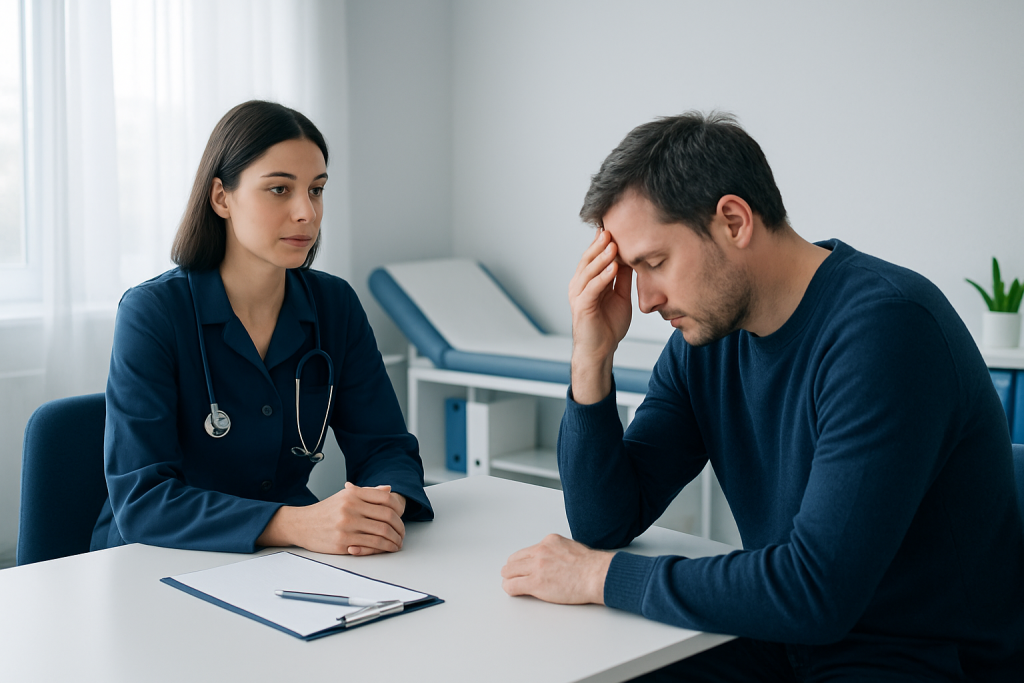
Anhedonia has no single cause. It can develop when brain circuits involved in reward, motivation, and emotional processing are affected. These changes may be related to mental health conditions, stress, sleep disruption, medication effects, or physical illness.
Depression is one of the most common settings in which anhedonia appears, but it is not the only one. Trauma, chronic anxiety, prolonged stress, and substance use can all blunt the ability to experience pleasure. In some people, withdrawal from alcohol or drugs can make anhedonia more noticeable for a period of time.
Medical contributors can include thyroid disorders, chronic pain, Parkinson’s disease, stroke, and other conditions that influence the nervous system or overall energy balance. Risk may be higher when there is a personal or family history of mood disorders, long-term sleep problems, social isolation, or ongoing stress.
Diagnosis
Diagnosis begins with a conversation. A clinician will usually ask when the changes started, what activities have lost their appeal, whether mood has also changed, and whether there are symptoms suggesting depression, anxiety, trauma, or another condition. A clear timeline is especially helpful when someone is seeking care while living in another country or coordinating evaluation across providers.
There is no single laboratory test for anhedonia itself. Instead, clinicians may use structured questions and mental health screening tools, along with a general medical review. This may include checking medications, sleep quality, substance use, thyroid function, vitamin levels, or other factors depending on the person’s history.
The goal is not only to label the symptom, but to understand why it is happening. That distinction matters because treatment is most effective when it addresses the underlying cause as well as the day-to-day impact on functioning.
Treatment Options
Treatment for anhedonia usually focuses on the condition driving it. When depression is part of the picture, psychotherapy is often a central part of care. Cognitive behavioral therapy, behavioral activation, and other evidence-based approaches can help a person reconnect with routine, reward, and motivation in manageable steps.
Medication may be recommended when a mental health condition is contributing, especially if symptoms are moderate to severe or persistent. A doctor will consider the full symptom pattern, current medicines, and medical history before suggesting any treatment plan. For some people, adjusting an existing medication that may be contributing to emotional flattening can also be part of the discussion.
If a physical illness, sleep disorder, pain condition, or substance use problem is involved, treatment may need to address that issue directly. In some cases, a multidisciplinary approach is the most practical path, especially for international patients who need coordinated care, imaging or laboratory evaluation, and a clear follow-up plan after returning home.
Therapies and supports may include:
- Psychotherapy and structured behavioral treatment
- Medication review and, when appropriate, psychiatric treatment
- Sleep optimization and stress management
- Treatment of thyroid, neurological, pain, or other medical conditions
- Substance use support when relevant
Prevention & Self-care
Not every case of anhedonia can be prevented, but everyday habits can support recovery and reduce the risk of symptoms becoming more persistent. The aim is not to force enjoyment, but to create conditions that make it easier for the brain and body to respond again.
Small routines often work better than dramatic changes. Regular sleep, balanced meals, gentle physical activity, and predictable daily structure can help stabilize mood and energy. Reconnecting with one activity at a time, even if it feels neutral at first, may be more realistic than waiting to “feel inspired.”
Helpful self-care strategies include:
- Keeping sleep and wake times as consistent as possible
- Limiting alcohol and avoiding recreational drugs
- Breaking tasks into very small, achievable steps
- Staying in contact with trusted people, even briefly
- Tracking changes in mood, motivation, and enjoyment
If someone is traveling for care, it helps to bring a medication list, prior records, and a summary of when symptoms started. That makes it easier for clinicians to compare patterns and plan safe follow-up once the person is back home.
When to See a Doctor
Medical help is appropriate when loss of pleasure lasts for more than a short period, is getting worse, or is affecting work, studies, relationships, sleep, or self-care. It is also worth seeking care if the change follows a major life event, a new medication, a period of heavy stress, or a physical illness.
Prompt evaluation is especially important if anhedonia is accompanied by persistent sadness, marked anxiety, panic, substance use, confusion, memory problems, or dramatic changes in energy or weight. These features can point to a condition that benefits from treatment rather than waiting for it to pass on its own.
If there are thoughts of self-harm or a feeling that daily life is no longer manageable, urgent help should be sought immediately through local emergency services or a crisis line. For non-urgent but persistent symptoms, a psychiatrist, psychologist, or primary care doctor can begin the assessment and guide next steps. Acibadem Health Point’s multidisciplinary specialists and JCI-accredited hospitals also diagnose and treat anhedonia-related conditions for international patients in a coordinated setting.
Living With Anhedonia
Living with anhedonia can be unsettling because it often changes how a person experiences ordinary life. Meals, music, celebrations, and time with loved ones may feel muted, which can create worry, guilt, or the sense that something important has been lost.
Recovery is usually gradual. Many people improve when the underlying cause is identified and treatment is matched to the broader picture, rather than to the symptom alone. Progress may come as small signs first: slightly easier mornings, more interest in conversation, or the return of moments that feel rewarding again.
Patience matters. With the right assessment, consistent follow-up, and practical support, anhedonia can be understood and treated in a way that respects both the medical side of the condition and the person’s lived experience.
Frequently asked questions
What does anhedonia mean in simple terms?
Anhedonia means not being able to feel pleasure or interest in things that used to be enjoyable. It is a symptom, not a diagnosis on its own, and it often appears with depression or other health conditions.
Is anhedonia the same as depression?
No, but the two often overlap. Depression can include sadness, hopelessness, fatigue, and changes in sleep or appetite, while anhedonia specifically refers to reduced pleasure or reward.
Can anhedonia happen without feeling sad?
Yes. Some people mainly notice emotional numbness, lack of interest, or reduced motivation rather than sadness. That is one reason a full medical and mental health assessment can be helpful.
How is anhedonia treated?
Treatment depends on the cause. Therapy, medication, sleep support, lifestyle changes, and treatment of any underlying medical condition may all play a role.
Does anhedonia go away on its own?
Sometimes it improves if it is linked to a short-term stressor, but persistent symptoms should not be ignored. If it lasts or affects daily life, professional evaluation is a good next step.
What should someone do if they notice this symptom while abroad?
They should collect prior medical records, current medication lists, and a short timeline of symptoms before seeing a clinician. Coordinated evaluation can help ensure safe treatment and clearer follow-up after returning home.
References
- National Institute of Mental Health
- World Health Organization
- American Psychiatric Association
- Mayo Clinic
- Cleveland Clinic
This article is for general information only and is not a substitute for professional medical advice. Please consult a qualified doctor about your individual situation.