Anencephaly

Key Takeaways
- Anencephaly develops very early in pregnancy, often before many people know they are pregnant.
- It is diagnosed mainly through prenatal ultrasound and blood tests, sometimes followed by specialist imaging.
- Most cases are not linked to anything a parent did or did not do.
- Care focuses on confirming the diagnosis, supporting the family, and planning safe obstetric management.
- Folic acid before and early in pregnancy may lower the risk of neural tube defects.
Anencephaly is a serious neural tube defect in which parts of the brain and skull do not fully develop during early pregnancy. This article explains how it is recognized, what may increase the risk, and what families can expect from diagnosis through supportive care.
Overview
Anencephaly is a severe birth condition that affects the developing brain and skull. It happens when the upper part of the neural tube, the structure that later becomes the brain and spinal cord, does not close properly in the earliest weeks of pregnancy. As a result, key parts of the brain and the bones that normally protect them do not form as expected.
This condition is usually identified during pregnancy rather than after birth. For families who receive the diagnosis, the conversation often becomes less about treatment in the usual sense and more about understanding what the findings mean, what comfort-focused care may look like, and how to make thoughtful decisions with the medical team.
Because anencephaly develops so early, it is not typically something that can be corrected later in pregnancy or after delivery. That is why prenatal screening, early ultrasound, and compassionate counseling play such an important role.
Symptoms
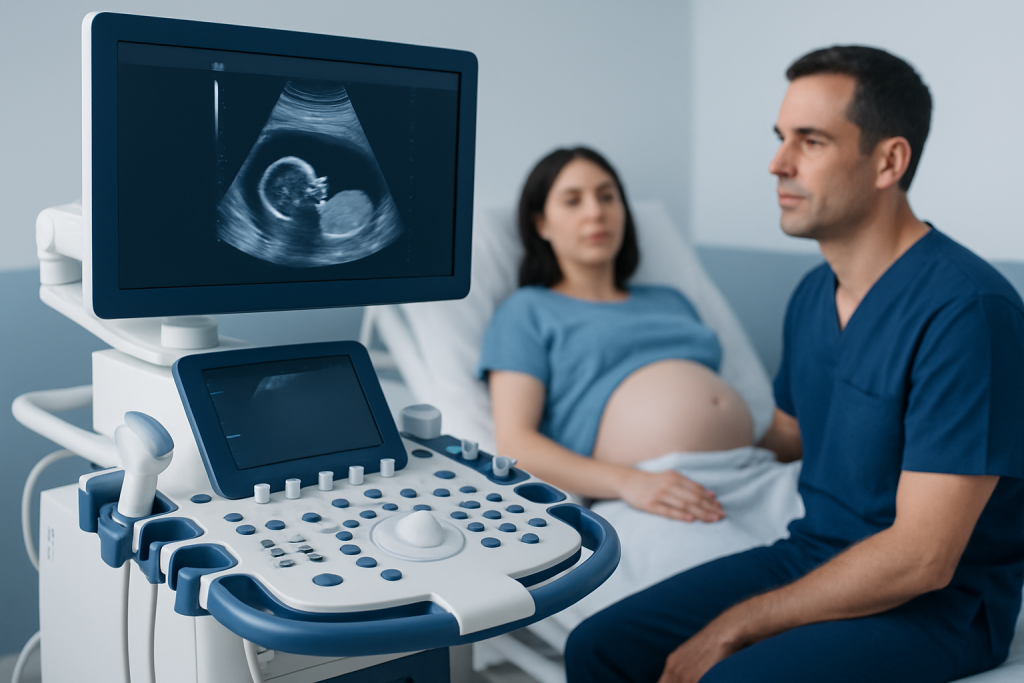
Anencephaly is often noticed on imaging before delivery, but it can also be recognized at birth by the appearance of the head and face. The baby may have missing or underdeveloped skull bones and brain tissue, and the scalp may not cover the top of the head normally.
Pregnancy symptoms in the parent usually do not point specifically to anencephaly. For that reason, routine prenatal screening is important even when the pregnancy feels completely typical. Many families first learn of the condition during a standard scan or a follow-up appointment after an abnormal screening result.
After birth, babies with anencephaly are unable to survive for long because the condition affects essential brain structures needed for life. Medical teams focus on comfort, warmth, and supporting the family through a very difficult time.
- Absent or incomplete skull formation
- Missing or severe underdevelopment of brain tissue
- Visible abnormalities on prenatal ultrasound
- No reliable warning signs in the parent before screening
Causes & Risk Factors

Anencephaly is part of a broader group of conditions called neural tube defects. It begins when the neural tube does not close completely during the first month of pregnancy, often before a person knows they are pregnant. In many cases, there is no single clear cause.
Risk can be influenced by a combination of genetic and environmental factors. A previous pregnancy affected by a neural tube defect, low folate intake before pregnancy, certain medical conditions, and some medications may increase the likelihood. Even so, many affected pregnancies occur without any identifiable risk factor.
It can be helpful for families to understand that anencephaly is usually not caused by something simple or obvious, such as a routine activity, a short trip, or a single meal. This is one reason careful counseling is important: it helps separate medical fact from guilt or guesswork.
- Low folic acid levels before conception and early in pregnancy
- Family history of neural tube defects
- Uncontrolled diabetes in the parent
- Use of certain anti-seizure medicines
- Prior pregnancy affected by a neural tube defect
- Obesity and some nutritional deficiencies
Diagnosis
Diagnosis often starts with routine prenatal screening. A detailed ultrasound can show the absence of major portions of the skull and brain, sometimes as early as the first trimester. Blood tests that measure alpha-fetoprotein may also raise concern for a neural tube defect and lead to further evaluation.
If imaging suggests anencephaly, the care team may recommend repeat ultrasound, specialist review, or additional imaging to confirm the findings and look for other associated abnormalities. This step is important because families deserve a clear and careful explanation before decisions are made.
In international-patient care, it is common for families to arrive after an outside scan has already raised questions. In that setting, a second opinion from maternal-fetal medicine and fetal imaging specialists can help confirm the diagnosis, explain the expected course, and outline next steps in a language and pace that feels manageable.
- Routine prenatal ultrasound
- Maternal blood screening, including alpha-fetoprotein
- Targeted fetal ultrasound by a specialist
- Occasionally additional imaging or genetic counseling
Treatment Options
There is no treatment that can reverse anencephaly or restore the missing brain structures. Medical care therefore centers on confirming the diagnosis, discussing the prognosis honestly, and supporting the family through pregnancy, delivery, and the newborn period.
Depending on the stage of pregnancy and the family’s wishes, the medical team may discuss options such as continuing the pregnancy with supportive obstetric care or considering pregnancy termination where this is legally and personally appropriate. These decisions are deeply individual and are best guided by local laws, gestational age, and the advice of qualified clinicians.
If the pregnancy continues, delivery planning usually emphasizes the mother’s safety and comfort. After birth, care may include warmth, gentle holding, and pain relief if needed. When families are traveling for care, clear planning before the journey home or before delivery can make follow-up arrangements and emotional support easier to manage.
- No curative treatment for the condition itself
- Specialist counseling to review diagnosis and options
- Obstetric planning for pregnancy and delivery
- Comfort-focused newborn care after birth
- Genetic counseling when appropriate
Prevention & Self-care
Not every case of anencephaly can be prevented, but planning for pregnancy can reduce the risk of neural tube defects. Folic acid is especially important because the neural tube closes very early, often before pregnancy is recognized. For that reason, many clinicians discuss folate before conception rather than waiting until the first prenatal visit.
Self-care also includes managing underlying health conditions before and during pregnancy. Good control of diabetes, review of current medicines with a clinician, and attention to general nutrition may all be part of reducing risk. If there was a previous neural tube defect in the family, a doctor may recommend more focused preconception counseling.
For families dealing with a current diagnosis, self-care is not about “fixing” the condition; it is about preserving the parent’s health and emotional well-being. That may include asking for clear explanations, taking time to process information, and arranging support for travel, follow-up visits, or return home after receiving care abroad.
- Discuss folic acid with a doctor before conception
- Review all medications before pregnancy
- Manage diabetes and other chronic conditions well
- Attend early prenatal screening appointments
- Seek emotional and practical support after diagnosis
When to See a Doctor
Medical advice should be sought as soon as a prenatal scan or blood test suggests a neural tube defect. Early referral to a specialist can help confirm the findings and give families time to understand the diagnosis, review options, and plan care in a way that aligns with their values and circumstances.
Anyone planning a pregnancy, especially those with a personal or family history of neural tube defects, should also speak with a clinician before conceiving. This is a practical step rather than a sign that something is wrong; it simply creates more room for prevention and early monitoring.
After a diagnosis is confirmed, families benefit from a team that can explain the medical facts in plain language and coordinate obstetric, fetal medicine, and counseling support. Acibadem Health Point’s multidisciplinary specialists and JCI-accredited hospitals diagnose and treat this condition for international patients, helping families navigate the next steps with coordination and care.
- After an abnormal prenatal screening result
- Before pregnancy if there is a prior neural tube defect
- When medication review or folate planning is needed
- Whenever a family wants a second opinion on fetal imaging
Living With the Diagnosis
Receiving an anencephaly diagnosis can be emotionally overwhelming, even when the medical explanation is clear. Families may feel shock, sadness, uncertainty, or a need to make decisions quickly. Those reactions are understandable, and they deserve support rather than pressure.
Helpful care often includes time to ask questions, written explanations to review later, and access to counseling or spiritual support if desired. For families who are far from home, it may also help to plan the practical side of care early: where to stay, how to reach the hospital, and who will assist with follow-up when they return.
Some families also benefit from discussing future pregnancies. A clinician can explain how recurrence risk is assessed, when preconception folic acid should begin, and what early screening might be recommended next time. These conversations can provide a sense of direction after a very difficult diagnosis.
Frequently asked questions
What is anencephaly in simple terms?
Anencephaly is a serious condition in which a baby’s brain and skull do not develop fully very early in pregnancy. It is one of the most severe neural tube defects. It is usually found on prenatal ultrasound rather than after birth.
Can anencephaly be treated?
There is no treatment that can repair the missing brain and skull structures. Care focuses on confirming the diagnosis, supporting the family, and planning pregnancy and newborn care. Medical teams usually emphasize comfort and safety.
Does anencephaly mean the parent did something wrong?
No. In most cases, anencephaly is not caused by anything a parent did or did not do. It often results from a combination of factors that occur very early in pregnancy, many of which are outside anyone’s control.
How is anencephaly diagnosed before birth?
It is usually detected with routine ultrasound and may be supported by blood screening tests such as alpha-fetoprotein. If needed, a specialist may repeat the scan to confirm the findings. This helps the family receive a clear explanation and plan next steps.
Can folic acid help prevent anencephaly?
Folic acid may lower the risk of neural tube defects when taken before conception and in early pregnancy. It does not prevent every case, but it is an important part of pre-pregnancy planning. A clinician can advise on the right timing and general approach.
What should families expect after the diagnosis?
Families are usually offered counseling, review of the pregnancy options, and a plan for obstetric or comfort-focused care. If care is being arranged from another country, coordination of records, imaging, and follow-up becomes especially important. Support from a specialist team can make the process easier to navigate.
References
- World Health Organization
- Centers for Disease Control and Prevention
- National Institute of Neurological Disorders and Stroke
- American College of Obstetricians and Gynecologists
- March of Dimes
This article is for general information only and is not a substitute for professional medical advice. Please consult a qualified doctor about your individual situation.