Alexithymia: Symptoms, Causes and Treatment

Key Takeaways
- Aleksitimia can make emotions feel vague, confusing, or hard to put into words.
- It may be linked with stress, trauma, neurodevelopmental conditions, or other mental health concerns.
- A careful assessment can help distinguish alexithymia from depression, autism spectrum traits, or anxiety.
- Support may include psychotherapy, emotional skills training, stress management, and treatment of any coexisting condition.
- People can improve emotional awareness gradually with practice, structure, and professional guidance.
Medically reviewed by the Acıbadem clinical team — August 19, 2026
Aleksitimia is a trait in which a person finds it hard to identify, describe, or reflect on emotions. It is not a diagnosis by itself, but it can affect relationships, stress management, and mental well-being.
Overview
Aleksitimia describes a pattern of difficulty recognizing feelings, naming them, and using emotional language with ease. A person may sense that something is “off” in the body or mind, yet still struggle to tell whether the feeling is sadness, anger, fear, disappointment, or something else.
It is important to know that alexithymia is not the same as being emotionless. Many people with this trait feel emotions strongly, but the internal signal is unclear or hard to translate into words. In everyday life, this can make conversations, conflict, and self-understanding more complicated than they appear from the outside.
Because it is a communication and emotional-processing pattern rather than a stand-alone illness, alexithymia is often seen alongside other conditions such as depression, anxiety, post-traumatic stress, autism spectrum disorder, or chronic stress. In an international-patient setting, clinicians usually look at the full picture first, so support is matched to the person’s needs rather than to a single label.
Common Signs and Everyday Effects
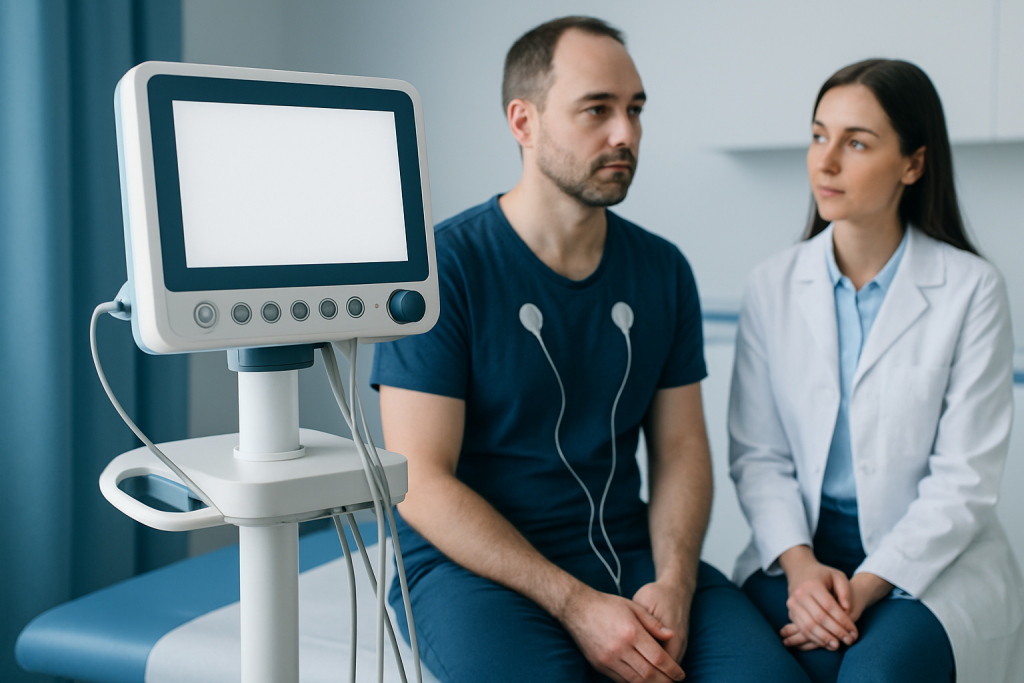
The signs are often subtle at first. A person may speak in practical details and avoid emotional descriptions, or may say they feel “fine” even when their behavior suggests stress. Some people notice emotions only after a situation has passed, which can make reactions seem delayed or hard to explain.
Physical sensations are another common clue. Instead of recognizing anxiety, someone may mainly notice a tight chest, headache, stomach discomfort, muscle tension, or fatigue. This can lead to repeated medical worries when the body is reacting to stress but the emotional source is difficult to identify.
Other signs can include:
- trouble finding words for feelings
- limited emotional vocabulary
- difficulty noticing what triggered a reaction
- seeming detached during emotionally charged conversations
- preference for facts, routines, or actions over emotional discussion
These patterns can affect relationships, because loved ones may interpret silence as indifference when it is actually uncertainty. They can also make self-care harder, since a person may not realize when stress is building until it becomes overwhelming.
Causes and Risk Factors

Researchers do not point to a single cause. Aleksitimia appears to arise from a mix of biological, psychological, and developmental influences. In some people, the trait may be longstanding and linked to how the brain processes and integrates emotional and bodily signals.
It may also appear after difficult life experiences. Repeated emotional neglect, trauma, or growing up in an environment where feelings were not named or discussed can make emotional labeling less familiar. Over time, a person may become highly focused on practical matters and less practiced at noticing internal states.
Commonly associated factors include:
- autism spectrum disorder
- depression or anxiety
- post-traumatic stress
- chronic stress
- certain neurological or medical conditions
Risk factors do not mean a person will develop alexithymia, and none of them make someone at fault. They simply help clinicians understand why emotional awareness may be difficult and what kind of support might be most helpful.
How It Is Assessed
There is no single blood test or scan for alexithymia. Assessment usually begins with a conversation about daily life, communication style, stress patterns, and emotional awareness. A clinician may also ask how a person responds to conflict, physical symptoms, or social situations that usually involve feelings.
Questionnaires can be used as part of the evaluation, but they are only one piece of the picture. A careful interview is especially important because alexithymia can resemble depression, social withdrawal, emotional suppression, or the communication style seen in autism spectrum conditions.
For international patients, follow-up questions matter as much as the first visit. Clinicians may explore when the difficulty began, whether it changes with stress, and whether family members have noticed a long-term pattern. This helps separate a stable trait from a temporary state that may improve as another condition is treated.
Assessment may also include screening for coexisting concerns such as mood disorders, trauma-related symptoms, sleep problems, or substance use. Treating those issues can sometimes make emotions easier to notice and describe.
Treatment Options and Support
There is no one-size-fits-all treatment for alexithymia, and not everyone needs formal therapy. Support is usually tailored to the person’s goals, whether those goals involve relationships, stress management, or better understanding of physical symptoms that may be linked to emotions.
Psychotherapy can be helpful, especially approaches that build emotional awareness step by step. A therapist may use emotion labeling, body-sensation tracking, journaling, or guided reflection to help the person connect situations, physical cues, and feelings. The pace is usually gentle, because trying to “force” emotional insight can be frustrating.
When alexithymia coexists with depression, anxiety, PTSD, or another condition, treatment of that condition may reduce the emotional fog. Medication is not used for alexithymia itself, but it may be appropriate for a related diagnosis if a qualified clinician recommends it.
Helpful support may include:
- psychotherapy focused on emotional literacy
- mindfulness or body-awareness practices
- stress-reduction techniques
- family or couples counseling
- treatment of coexisting mental health conditions
In an international-care journey, continuity is important. A person may begin evaluation before travel, continue therapy or follow-up remotely, and bring a written care plan home so progress does not depend on a single visit.
Prevention and Self-care
Alexitimia cannot always be prevented, especially when it is connected to development, neurobiology, or past experience. Even so, many people can strengthen emotional recognition over time with regular practice and a stable support system.
Simple self-care strategies often work best when they are concrete. Checking in with the body at predictable times, naming sensations before trying to name emotions, and using a short feelings list can make the process less overwhelming. Some people find it easier to start with “calm,” “tense,” “irritated,” or “drained” before moving toward more precise words.
Practical habits that may help include:
- keeping a brief mood-and-situation journal
- noticing body cues such as heart rate, tension, or breathing
- using structured emotion charts or apps
- sleeping and eating regularly, since fatigue can blur emotional awareness
- sharing observations with a trusted friend, partner, or therapist
Self-care should feel steady, not performative. The goal is not to become highly expressive overnight, but to build enough awareness to respond to needs earlier and with less strain.
When to See a Doctor
It can be useful to speak with a doctor or mental health professional when emotional confusion is affecting work, relationships, parenting, or daily stress. A consultation is also sensible when physical symptoms keep appearing without a clear medical explanation, especially if they seem to worsen during pressure or conflict.
Prompt assessment is worthwhile if the person also has persistent low mood, panic, trauma symptoms, sleep disruption, or a sense of being emotionally disconnected for most of the time. These concerns may point to a treatable condition alongside alexithymia.
If emotions suddenly become harder to recognize after a head injury, neurological illness, medication change, or major life event, medical review is appropriate. New changes deserve attention, because the cause may be temporary or may need specific treatment.
Acibadem Health Point can help international patients connect with multidisciplinary specialists in JCI-accredited hospitals for assessment and treatment planning when alexithymia is part of a broader mental health or neurological picture.
Living Well With Emotional Awareness Challenges
Living with alexithymia can feel discouraging at first, especially when others expect quick emotional insight. Progress is usually gradual, and small gains matter: recognizing tension sooner, asking for time to think, or learning that a headache may signal stress rather than illness can all be meaningful steps.
Relationships often improve when communication becomes more explicit. It may help to explain that the difficulty is not a lack of caring, but a challenge in identifying what is being felt. Clear language, patience, and predictable routines can reduce misunderstandings on both sides.
Many people find that the biggest improvement comes not from “finding the perfect word,” but from building a reliable bridge between body signals, situations, and needs. With the right support, alexithymia can become something to understand and work with rather than something that defines a person’s ability to connect.
References
For readers who want a deeper clinical background, the following organizations are widely used references in mental health and medical education. They provide reliable information on emotional processing, assessment, and related conditions.
- American Psychiatric Association
- National Institute of Mental Health
- World Health Organization
- Mayo Clinic
Anyone who is unsure whether these symptoms reflect alexithymia, depression, anxiety, trauma, or another concern should seek a professional evaluation. A qualified clinician can help clarify the picture and suggest practical next steps.
Frequently asked questions
Is alexithymia a mental illness?
Alexithymia is generally described as a trait or pattern of emotional processing, not a stand-alone mental illness. It can, however, occur alongside mental health conditions that may need treatment.
Can someone with alexithymia still feel emotions deeply?
Yes. Many people with alexithymia experience emotions, but the feelings are harder to identify, name, or explain. Others may notice the emotion more through body sensations or behavior than through clear inner words.
How is alexithymia different from depression?
Depression usually involves a mood disorder with symptoms such as low mood, loss of interest, or changes in sleep and energy. Alexithymia is about difficulty recognizing and describing emotions, although the two can overlap and should be assessed together.
Can therapy help with alexithymia?
Therapy can be helpful, especially approaches that build emotional vocabulary, body awareness, and reflection skills. Progress is usually gradual and works best when the pace is matched to the person’s comfort level.
Does alexithymia mean a person is detached or uncaring?
No. A person may care very much but still struggle to put emotions into words or understand what is happening internally. In relationships, this can look distant, even when the intention is sincere.
When should someone get evaluated?
Evaluation is useful when emotional confusion is affecting daily life, relationships, or mental well-being, or when it appears together with anxiety, depression, trauma symptoms, or unexplained physical stress symptoms. A professional can help identify the cause and suggest support.
References
- American Psychiatric Association
- National Institute of Mental Health
- World Health Organization
- Mayo Clinic
This article is for general information only and is not a substitute for professional medical advice. Please consult a qualified doctor about your individual situation.
Explore treatments in Turkey — costs, top hospitals & a free quote
JCI-accredited · board-certified surgeons · reply within 24h
Add us as a Preferred Source to see more of our trusted health content across Google Search, AI Overviews and Discover.