Yellow Patches on Skin: What You Need to Know

Key Takeaways
- Yellow patches on skin are a sign, not a diagnosis, and the cause can vary widely.
- Patches near the eyes, elbows, or tendons may point to lipid-related skin changes.
- Yellowing of the whole skin or eyes can suggest jaundice and should be assessed promptly.
- A doctor may use examination, blood tests, and sometimes skin biopsy or imaging to find the cause.
- Treatment focuses on the underlying condition rather than the color change itself.
Yellow patches on skin can have several causes, ranging from harmless deposits under the skin to conditions that need medical evaluation, such as jaundice. The right next step depends on where the patches appear, whether they spread, and whether other symptoms are present.
Overview
When someone notices yellow patches on skin, the first question is usually whether the change is coming from the skin itself or reflecting something happening elsewhere in the body. That distinction matters. Some yellow patches are caused by lipid deposits in the skin, while others are linked to bilirubin buildup, inflammation, medication effects, or certain growths and pigment changes.
The appearance, location, and timing of the patches often provide important clues. Yellow areas around the eyelids may suggest xanthelasma, while a more generalized yellow tone of the skin can point toward jaundice. Because several different conditions can look similar at first glance, a careful medical assessment is the most reliable way to understand what is going on.
For international patients planning care, this is often a problem that can be evaluated efficiently with a focused dermatology or internal medicine visit. A clinician may start with a visual exam and then decide whether additional testing is needed to rule out liver, blood, thyroid, or cholesterol-related causes.
Symptoms and What the Patches May Look Like
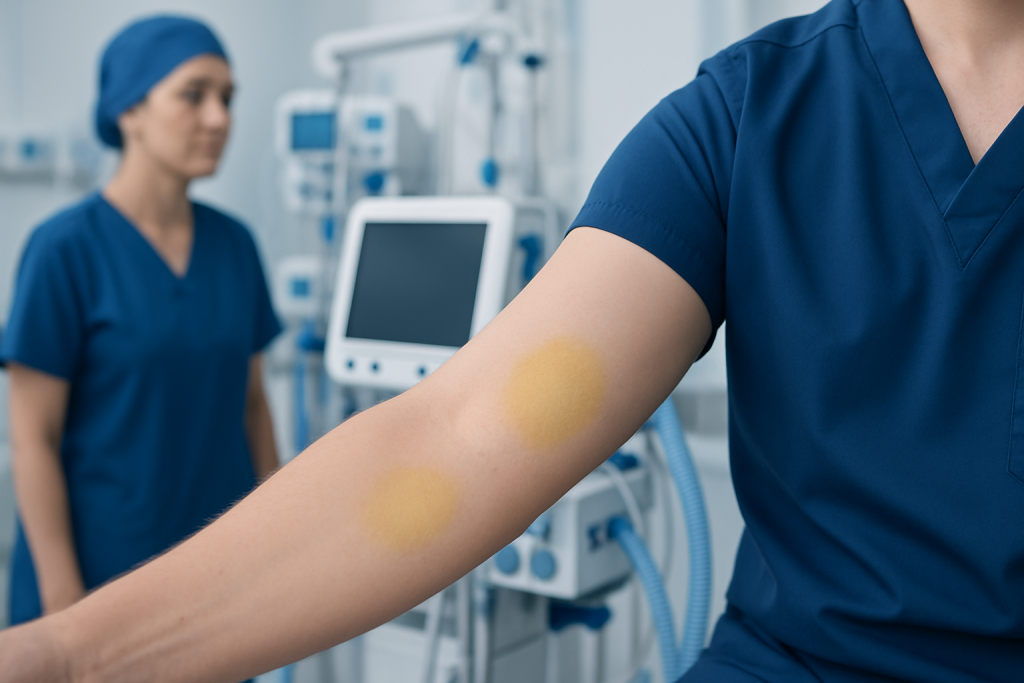
Yellow patches can take different forms. Some are flat and soft, while others are slightly raised or firm. They may be sharply defined or blend gradually into the surrounding skin. In some people they remain stable for years; in others they enlarge slowly or multiply over time.
Location matters. Yellowish areas around the eyelids are a classic pattern for xanthelasma. Patches on the elbows, knees, palms, or tendons may be linked to xanthomas, which are lipid deposits under the skin. A yellow tint that affects the face, chest, or entire body, especially when the whites of the eyes also look yellow, can signal jaundice rather than a skin-only condition.
- Flat or slightly raised yellow plaques near the eyes
- Small yellow nodules or broader patches on elbows, knees, or hands
- Generalized yellowing of the skin or eyes
- Itching, tenderness, or no symptoms at all depending on the cause
Not every yellow-looking spot is truly yellow in a medical sense. Certain bruises as they heal, some fungal or inflammatory conditions, and even lighting or skin undertones can create a similar appearance, which is why self-diagnosis is often unreliable.
Causes and Risk Factors

One common cause of localized yellow patches is cholesterol or lipid deposition in the skin. These deposits are often harmless on their own, but they may sometimes be associated with high cholesterol, inherited lipid disorders, diabetes, or metabolic conditions. People may notice them without any pain or itching, which can make them easy to ignore.
Another important cause is jaundice, which happens when bilirubin builds up in the blood. In jaundice, the skin often looks yellow more broadly rather than in isolated patches, and the eyes may also become yellow. Liver disease, gallbladder obstruction, certain blood disorders, and some medications can contribute to this pattern.
Other possible explanations include post-inflammatory skin changes, fungal infections, rare genetic conditions, and benign growths. Risk factors vary by cause but may include family history of high lipids, liver disease, medication exposure, metabolic syndrome, or a history of skin inflammation.
Because the list is broad, the same visual symptom can point in very different directions. That is why the broader medical picture — other symptoms, personal history, and any recent changes in health — is essential for interpretation.
Diagnosis
Diagnosis begins with a detailed conversation and skin examination. A doctor will usually ask when the yellow patches first appeared, whether they are changing, whether they itch or hurt, and whether the eyes, urine, stools, or energy level have changed. These questions help separate a skin-localized issue from a systemic one.
If the appearance suggests a lipid deposit or if the person has a family history of cholesterol problems, blood tests may be ordered to check lipid levels and related metabolic markers. If jaundice is a possibility, liver function tests, bilirubin testing, and sometimes additional blood work are used to identify the source. Imaging studies may be needed when bile flow obstruction or internal disease is suspected.
In some cases, a dermatologist may recommend a biopsy if the diagnosis is unclear. This is not always necessary, but it can be helpful when the patch has an unusual pattern or when other conditions need to be ruled out. For patients traveling from abroad, a coordinated evaluation can make it easier to complete the right tests in a short window and leave with a clearer plan for follow-up at home.
Treatment Options
Treatment depends entirely on the cause. If the yellow patches are caused by xanthelasma or other lipid deposits, the priority may be managing underlying cholesterol or metabolic issues, even when the skin lesions themselves do not cause symptoms. In some cases, a dermatologist may discuss removal options for cosmetic reasons or if the lesion is bothersome.
If the yellowing is due to jaundice, treatment focuses on the underlying liver, gallbladder, blood, or medication-related problem. That might involve adjusting medications, addressing an obstruction, or treating a liver condition under specialist guidance. The skin color usually improves only after the underlying issue is managed.
For inflammatory or infectious causes, treatment may involve topical or oral therapies selected for the specific diagnosis. It is important to avoid using over-the-counter creams or bleaching products without a diagnosis, since they can irritate the skin and delay proper treatment.
Procedures such as laser therapy, chemical treatments, cryotherapy, or surgical removal may be considered for selected skin lesions, but these decisions are individualized. A clinician will weigh appearance, location, recurrence risk, and whether the lesion suggests an internal health issue that still needs attention.
Prevention and Self-care
Self-care begins with observation. People who notice yellow patches should note their location, size, color, and any changes over time. Taking a clear photo in consistent lighting can help a doctor compare changes at follow-up, especially when care is being coordinated across countries or between specialists.
Healthy habits can also support overall risk reduction when the cause is lipid-related or metabolic. Balanced eating, regular physical activity, weight management, and treatment of conditions such as diabetes or high cholesterol may help lower future risk, though they do not replace medical evaluation of existing patches.
- Avoid picking, scrubbing, or applying harsh products to the patches
- Use gentle skin care and sun protection
- Keep follow-up appointments if blood tests or imaging are recommended
- Share a full medication list, including supplements, with the doctor
When the cause is not yet known, it is best to focus on monitoring rather than guessing. Yellow patches are often manageable, but the safest approach is to understand the underlying reason before trying to treat the appearance alone.
When to See a Doctor
A medical visit is sensible whenever yellow patches are new, persistent, spreading, or unexplained. Evaluation is especially important if the skin color change is accompanied by yellow eyes, dark urine, pale stools, abdominal pain, fever, fatigue, itching, or unintended weight loss. Those added symptoms can indicate a condition that deserves prompt attention.
People with a family history of high cholesterol, early heart disease, or inherited lipid disorders should mention that history, even if the patches do not cause discomfort. A dermatologist or internal medicine specialist can help determine whether the skin findings are a visible clue to a broader health issue.
Acibadem Health Point’s multidisciplinary specialists and JCI-accredited hospitals diagnose and treat conditions causing yellow patches on skin for international patients, with coordinated care when more than one specialty is needed. Whether the concern is cosmetic, metabolic, or related to liver health, a timely evaluation can bring clarity and a practical plan.
If the change appears suddenly, affects the eyes, or comes with feeling unwell, it is wiser not to wait. A clear diagnosis usually leads to the right next step, and in many cases that step is straightforward once the cause is identified.
Frequently asked questions
01Are yellow patches on skin always a sign of jaundice?
No. Yellow patches can come from lipid deposits, skin inflammation, or other conditions, and jaundice is only one possibility. Jaundice more often causes a broader yellowing of the skin and eyes rather than isolated patches.
02Can high cholesterol cause yellow patches on skin?
Yes. Certain yellow patches, especially around the eyelids or over tendons, can be related to lipid deposits in the skin. A doctor may suggest blood tests to check cholesterol and other metabolic factors.
03Do yellow patches on skin go away on their own?
Sometimes they remain stable, and sometimes they improve only when the underlying cause is treated. If the patch is caused by a skin deposit or internal condition, it is unlikely to disappear without addressing that reason.
04Should someone worry if the whites of the eyes also look yellow?
Yes, because yellow eyes can suggest jaundice and may reflect liver, bile duct, or blood-related problems. It is a good idea to seek medical assessment promptly if this happens.
05What tests might a doctor order for yellow skin patches?
The doctor may start with a physical exam and then choose blood tests, such as lipid or liver panels, depending on the appearance and symptoms. In some cases, imaging or a skin biopsy is needed to clarify the cause.
06Is it safe to use bleaching creams on yellow patches?
It is better not to use bleaching products without a diagnosis. They may irritate the skin and do not treat many of the medical causes of yellow patches.
This article is for general information only and is not a substitute for professional medical advice. Please consult a qualified doctor about your individual situation.
Joint and spine care in Turkey — expert assessment & treatment
JCI-accredited · board-certified surgeons · reply within 24h
Add us as a Preferred Source to see more of our trusted health content across Google Search, AI Overviews and Discover.