Calories for Hard Boiled Egg: What You Need to Know

Key Takeaways
- One large hard-boiled egg is usually about 70–80 calories.
- Most of the calories come from the yolk, which also provides vitamins and healthy fats.
- Egg size, added ingredients, and preparation style can change the total calorie count.
- Hard-boiled eggs can support satiety and protein intake in a balanced meal plan.
- People with cholesterol concerns or medical conditions should ask a clinician for personalized advice.
A hard-boiled egg is a simple, nutrient-dense food with a predictable calorie count that fits easily into many eating plans. This guide explains how many calories it contains, what affects the total, and how to enjoy it as part of a balanced diet.
Overview
For most people asking about calories for hard boiled egg, the short answer is straightforward: one large hard-boiled egg usually contains about 70 to 80 calories. That makes it a compact, nutrient-rich food that can be easy to count, whether someone is managing weight, planning meals, or simply comparing breakfast options.
The exact number depends mostly on the size of the egg. Small eggs have fewer calories, while extra-large eggs have more. The cooking method itself does not add calories when the egg is boiled without oil, butter, cheese, or sauces, which is one reason hard-boiled eggs are often chosen for simple, predictable eating patterns.
Beyond calories, eggs provide protein, fat, and several important vitamins and minerals. In practical terms, that means a hard-boiled egg is not only a number on a label; it is a food that can contribute to fullness, energy balance, and overall diet quality when included sensibly.
How Many Calories Are in a Hard-Boiled Egg?
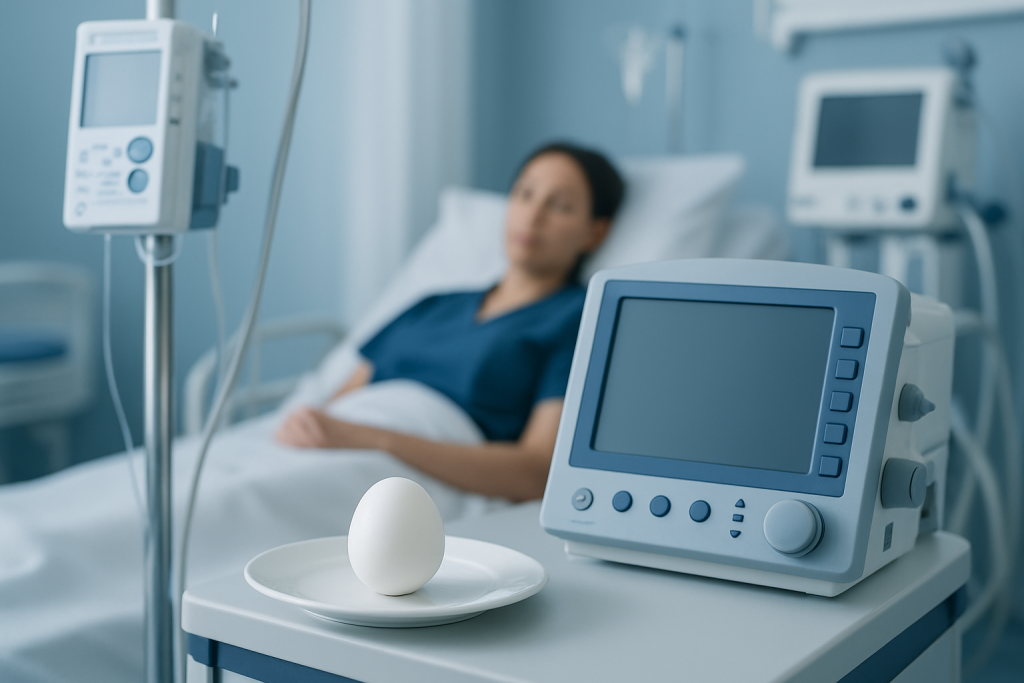
A single hard-boiled egg typically has a calorie range that is easy to remember. Small eggs are usually closer to the lower end, medium and large eggs fall in the middle, and jumbo eggs come in higher. Because of this, someone tracking intake closely may want to look at the egg size rather than assuming every egg is identical.
The yolk contains most of the egg’s calories because it holds most of the fat. The white is mostly water and protein, so it contributes fewer calories. This is why an egg-white-only meal has a different calorie profile than a whole hard-boiled egg.
Approximate values for one hard-boiled egg are often understood this way:
- Small: about 55 to 65 calories
- Medium: about 65 to 75 calories
- Large: about 70 to 80 calories
- Extra-large: about 80 to 90 calories
These are general estimates, not exact lab measurements. The most useful approach is to treat hard-boiled eggs as a consistent, moderate-calorie food and adjust the total based on serving size and recipe additions.
Why Eggs Are More Than a Calorie Count

Calories matter, but they do not tell the whole story. A hard-boiled egg also provides high-quality protein, which helps support muscle maintenance and helps many people feel satisfied after eating. That satiety can be useful when building meals that do not leave someone hungry an hour later.
Eggs also contain nutrients such as vitamin B12, riboflavin, selenium, phosphorus, and choline. These nutrients support normal body functions, including energy metabolism and nervous system health. The yolk is especially nutrient-dense, which is one reason whole eggs are often favored over egg whites alone.
For international patients or busy travelers trying to eat well in an unfamiliar food environment, hard-boiled eggs can be a practical choice. They are portable, easy to portion, and simple to pair with fruit, vegetables, whole grains, or yogurt for a balanced meal.
What Changes the Calorie Total?
Hard-boiled eggs themselves are simple, but the total meal can change quickly once other ingredients are added. A plain egg has a stable calorie count, while deviled eggs, egg salads, or egg sandwiches may carry much more energy because of mayonnaise, cheese, butter, bread, or oil.
Preparation style is the main reason calorie totals vary in real life. A hard-boiled egg eaten on its own is different from an egg chopped into a creamy salad or served with rich dips. Seasonings such as salt, pepper, paprika, or herbs add little to no calories, but calorie-dense toppings can change the picture substantially.
Other factors that affect intake include:
- Egg size: larger eggs naturally contain more calories
- Recipe ingredients: oils, mayonnaise, avocado, cheese, and creamy dressings add calories
- Serving size: two or three eggs double or triple the total
- Meal context: what is eaten alongside the egg matters just as much as the egg itself
Are Hard-Boiled Eggs Good for Weight Management?
Hard-boiled eggs can fit well into a weight-management plan because they combine moderate calories with helpful protein. Many people find that a protein-rich breakfast or snack makes it easier to avoid unplanned grazing later in the day.
That said, no single food causes weight loss or weight gain on its own. The overall pattern of eating matters more than one item. Hard-boiled eggs are best viewed as one useful part of a balanced plan that also includes vegetables, fruit, whole grains, and healthy fats.
People who are traveling for care or recovering after treatment sometimes need simple foods that are easy to tolerate and prepare. In those situations, hard-boiled eggs may be convenient, but appetite, digestion, and any nutrition restrictions should guide the choice. A dietitian or doctor can help tailor meals to the person’s current health needs.
Cholesterol, Heart Health, and Medical Advice
Questions about eggs often lead to concerns about cholesterol. Hard-boiled eggs do contain dietary cholesterol, mainly in the yolk, but diet and heart health are more complicated than one food alone. Many people can enjoy eggs in moderation as part of an overall healthy eating pattern.
For people with diabetes, high LDL cholesterol, a history of heart disease, or specific dietary advice from a clinician, egg intake should be individualized. Some may be advised to limit yolks or adjust how often eggs are eaten. Others may not need to avoid eggs at all, depending on their overall diet and medical picture.
Because nutrition advice can differ from one patient to another, it is safest not to rely on generic rules from social media. A qualified clinician or registered dietitian can help interpret lab results, medications, and personal risk factors before making long-term diet changes.
Practical Ways to Eat Hard-Boiled Eggs
The simplest way to use hard-boiled eggs is also often the best: keep the meal balanced. Pairing one or two eggs with vegetables, whole-grain toast, or a piece of fruit can create a more complete plate than eggs alone. This approach supports steady energy and makes calorie totals easier to predict.
Hard-boiled eggs can be used in many everyday meals without becoming overly rich. They work well sliced on salads, chopped into grain bowls, or served with hummus and vegetables. In these combinations, the egg adds protein and texture without requiring heavy sauces.
Helpful ideas include:
- Breakfast with an egg, whole-grain toast, and fruit
- Lunch salad topped with sliced egg and a light dressing
- Snack plate with egg, cucumber, and cherry tomatoes
- Travel-friendly meal prep with peeled eggs in a cooled container
When to See a Doctor
Most people do not need medical care for simply eating hard-boiled eggs, but they may need guidance if they have a chronic condition or a diet question linked to symptoms, lab results, or recovery. This is especially important for people with heart disease, diabetes, kidney disease, food allergies, or unexplained digestive problems.
It is also sensible to seek advice if a person is making major nutrition changes after surgery, during cancer treatment, or while recovering from an illness. In these situations, food choices should support healing, energy, and medical treatment goals rather than follow broad internet advice.
Acibadem Health Point’s multidisciplinary specialists and JCI-accredited hospitals diagnose and treat many conditions for international patients, and nutritional questions can be discussed alongside broader medical care when needed. A qualified doctor can help decide whether hard-boiled eggs are a good fit for a person’s specific health plan.
Frequently asked questions
01How many calories are in one hard-boiled egg?
One large hard-boiled egg usually has about 70 to 80 calories. Smaller eggs have fewer calories, and larger eggs have more. The exact total depends mainly on egg size.
02Do hard-boiled eggs have fewer calories than fried eggs?
Yes, usually they do because hard-boiled eggs are cooked without added fat. Frying often adds oil or butter, which increases the calorie total. The difference can be significant depending on how the egg is prepared.
03Are the calories in the yolk or the white?
Most of the calories are in the yolk because it contains most of the fat and many nutrients. The white is mostly protein and water, so it has fewer calories. Both parts contribute to the egg’s overall nutrition.
04Can hard-boiled eggs help with weight loss?
They can support a weight-management plan because they provide protein and can help with fullness. However, weight change depends on the full diet and activity pattern, not one food alone. They work best as part of a balanced meal plan.
05Are hard-boiled eggs safe for people with high cholesterol?
That depends on the person’s overall health, labs, and medical advice. Some people can include eggs in moderation, while others may need to limit yolks. A doctor or dietitian can give the most appropriate guidance.
06What is the healthiest way to eat hard-boiled eggs?
The healthiest approach is often to keep them simple and pair them with other nutritious foods. Vegetables, whole grains, and fruit make a more balanced meal than rich sauces or processed sides. Seasonings like herbs and pepper add flavor without many calories.
This article is for general information only and is not a substitute for professional medical advice. Please consult a qualified doctor about your individual situation.
Medical weight-loss options in Turkey — costs & eligibility
JCI-accredited · board-certified surgeons · reply within 24h
Add us as a Preferred Source to see more of our trusted health content across Google Search, AI Overviews and Discover.