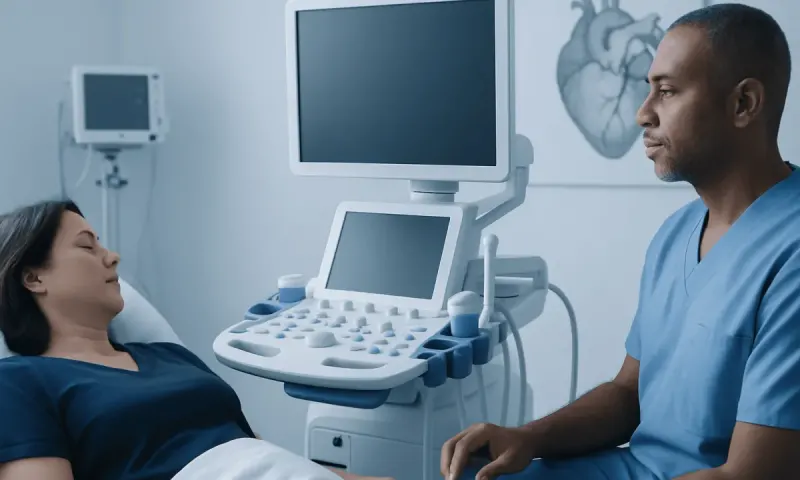
Wolff-Parkinson-White Syndrome: Symptoms and Treatment

Key Takeaways
- WPW is caused by an extra electrical connection in the heart that can trigger fast heart rhythms.
- Some people have no symptoms, while others notice palpitations, dizziness, chest discomfort, or fainting.
- An electrocardiogram and other heart tests help confirm the diagnosis and guide treatment.
- Treatment may include observation, medicines in some situations, or catheter ablation to correct the extra pathway.
- People with recurrent symptoms or sudden fainting should seek medical evaluation without delay.
Wolff-Parkinson-White syndrome, often called WPW, is a heart rhythm condition in which an extra electrical pathway can make the heartbeat faster than normal. Many people live well with it once it is identified and monitored by a cardiology specialist.
Overview
Wolff-Parkinson-White syndrome is a type of heart rhythm condition, or arrhythmia, that affects how electrical signals travel through the heart. In people with WPW, an extra pathway forms a shortcut between the upper and lower chambers, which can allow the heartbeat to speed up unexpectedly.
This condition is also called pre-excitation syndrome because part of the heart can be activated earlier than usual. Some people learn about it only after a routine electrocardiogram, while others first notice it because of a sudden racing heartbeat. For international patients, that first clue often comes during a general checkup, emergency visit, or evaluation before travel, sports, or surgery.
WPW can affect children and adults. Many cases are manageable, and some people never experience serious problems, but it is still important to identify the condition accurately so a doctor can advise on the safest next steps.
Symptoms

Symptoms can range from none at all to sudden episodes that are hard to ignore. A person may feel the heart pounding, fluttering, or racing without warning, often starting and stopping abruptly.
Other possible symptoms include dizziness, shortness of breath, chest discomfort, fatigue, or a feeling of anxiety during an episode. Some people faint, especially if the heart rate becomes very fast or if the rhythm becomes unstable.
- Rapid or irregular heartbeat
- Palpitations that begin and end suddenly
- Lightheadedness or dizziness
- Shortness of breath
- Chest discomfort
- Fainting or near-fainting
Because these symptoms can overlap with other heart and non-heart conditions, a careful evaluation is needed rather than assuming the cause from symptoms alone.
Causes & Risk Factors

WPW is usually present from birth. The extra electrical pathway is a structural difference in the heart’s conduction system, not something caused by poor lifestyle habits or stress alone. In many people, the exact reason the pathway formed is not known.
The condition may occur without any family history, although some inherited patterns can be seen in a small number of families. WPW can also be associated with certain congenital heart conditions, so doctors often look for other clues during the workup.
Risk factors are not the same as triggers. Even if someone has WPW, fast rhythm episodes may or may not occur often, and they can be triggered by factors such as dehydration, stimulants, alcohol, illness, or intense exertion in some individuals. The pattern is different from person to person, which is why treatment is tailored.
Diagnosis
The diagnosis often begins with a standard electrocardiogram, or ECG, which may show a characteristic pattern suggesting an extra pathway. If symptoms are intermittent, the ECG may be normal between episodes, so additional monitoring can be useful.
A doctor may recommend a Holter monitor, event monitor, exercise test, or an electrophysiology study to better understand the rhythm and the pathway. An echocardiogram may also be ordered to check the heart’s structure and function, especially if there are other concerns.
For people traveling from abroad, it is helpful to bring prior ECGs, symptom notes, medication lists, and any emergency-room records. Those details can shorten the diagnostic process and help the cardiology team decide whether observation, medication, or a procedure is most appropriate.
Treatment Options
Not every person with WPW needs immediate treatment. If there are no symptoms and the risk appears low, a doctor may recommend watchful follow-up with periodic reassessment. That approach can be reassuring when the heart is stable and the rhythm episodes have not caused problems.
When symptoms do occur, treatment depends on the type and frequency of the arrhythmia. Medicines may be used in some cases to slow the heart rate or help prevent episodes, but the choice of medication must be carefully individualized because certain drugs are not suitable for all WPW-related rhythms.
Catheter ablation is often an important option. In this minimally invasive procedure, a specialist threads thin catheters through blood vessels to map the extra pathway and use energy to eliminate it. For many patients, this can reduce or remove the need for ongoing rhythm management, and it is especially worth discussing when episodes are frequent, disruptive, or concerning.
In emergency situations, such as a very fast rhythm with fainting, chest pain, or severe symptoms, immediate medical care is needed. A trained clinician will choose the safest rhythm-control approach based on the exact type of arrhythmia.
Prevention & Self-care
People cannot usually prevent WPW itself because the extra pathway is congenital, but they can lower the chance of symptom flare-ups and complications by staying attentive to their body and medical plan. Keeping regular follow-up appointments is one of the most practical steps.
Helpful habits often include staying well hydrated, limiting excess caffeine or other stimulants if they seem to provoke symptoms, getting adequate sleep, and avoiding recreational drugs that can strain the heart. It is also sensible to note what was happening before an episode, such as exercise, fever, stress, or alcohol intake, so patterns can be discussed with a doctor.
If a clinician has provided a personalized plan for sudden palpitations, it should be kept accessible, especially when traveling. Patients who cross borders for care may want to carry a summary letter, test results, and the name of a local contact for follow-up after returning home.
When to See a Doctor
A medical evaluation is appropriate if a person has repeated palpitations, unexplained dizziness, or episodes of rapid heartbeat that come on suddenly. Even if the symptoms settle on their own, they should not be dismissed if they keep happening or are interfering with daily life.
Urgent care is needed if symptoms include fainting, chest pain, severe shortness of breath, or a sustained very fast heartbeat that does not improve. Children and adults alike should be assessed promptly if a rhythm problem is suspected, especially before starting certain medicines or returning to intense activity.
For patients seeking care abroad, it is reasonable to arrange cardiology review before traveling if symptoms are active. Acibadem Health Point’s multidisciplinary specialists and JCI-accredited hospitals can diagnose and treat WPW syndrome for international patients, with coordinated testing and follow-up planning.
Frequently asked questions
01Is Wolff-Parkinson-White syndrome dangerous?
It can be harmless in some people, especially when it causes no symptoms, but it can also lead to fast heart rhythms that need medical attention. The level of concern depends on the individual’s rhythm pattern, symptoms, and overall heart health. A cardiologist can help estimate the risk and recommend the right follow-up.
02Can WPW go away on its own?
The extra pathway itself usually does not disappear spontaneously. However, symptoms may happen rarely or may not occur for long periods, which is why some people are managed with observation. If the pathway is treated with ablation, the rhythm problem can often be corrected.
03What does a WPW episode feel like?
Many people describe a sudden racing or pounding heartbeat that starts and stops abruptly. Some also feel dizzy, short of breath, weak, or uneasy during the episode. The exact feeling varies, and some people have no warning symptoms at all.
04How is WPW different from other arrhythmias?
WPW involves an extra electrical connection that changes the heart’s normal conduction pattern. That pathway can allow certain fast rhythms to start more easily or behave differently than other arrhythmias. This is why the diagnosis matters when choosing treatment.
05Is catheter ablation a common treatment for WPW?
Yes, it is a well-established option, especially when symptoms are recurrent or troublesome. The procedure targets the extra pathway directly rather than only controlling the heartbeat temporarily. A specialist will determine whether it is appropriate based on testing and overall health.
06Can someone with WPW travel safely?
Many people with WPW can travel safely once they have been evaluated and know their plan. It is wise to carry medical records, a medication list, and emergency contact information, especially if symptoms have occurred before. If symptoms are active or severe, a doctor should review travel plans first.
This article is for general information only and is not a substitute for professional medical advice. Please consult a qualified doctor about your individual situation.
Heart care in Turkey — expert evaluation and treatment
JCI-accredited · board-certified surgeons · reply within 24h
Add us as a Preferred Source to see more of our trusted health content across Google Search, AI Overviews and Discover.