Broken Heart Syndrome: Symptoms, Causes and Treatment

Key Takeaways
- Broken heart syndrome can cause chest pain and shortness of breath that resemble a heart attack.
- It is often triggered by intense stress, but it can also follow illness, surgery, or other physical strain.
- Doctors use ECG, blood tests, imaging, and sometimes coronary angiography to rule out a heart attack and confirm the diagnosis.
- Treatment usually focuses on supportive heart care, symptom relief, and addressing the triggering stressor.
- Most people improve over days to weeks, but follow-up is important because complications can occur in some cases.
Broken heart syndrome is a temporary heart condition that can look like a heart attack after severe emotional or physical stress. With prompt evaluation, most people recover well and benefit from clear follow-up care.
Overview
Broken heart syndrome, also called takotsubo cardiomyopathy or stress cardiomyopathy, is a sudden but usually temporary weakening of the heart muscle. It often appears after a major emotional event, such as grief or fear, but it may also follow a physical stress such as a serious infection, surgery, or a sudden medical illness.
Although the name sounds casual, the condition is real and can be urgent at first. Its symptoms can closely resemble a heart attack, which is why doctors treat it seriously until tests show what is happening. In many people, the heart function improves with time and supportive care.
The condition is seen more often in older adults and in women, especially after menopause, though it can affect anyone. For international patients who develop symptoms while traveling or after a stressful life event abroad, timely evaluation matters because the first step is always to rule out a true heart attack or another cardiac emergency.
Symptoms

Broken heart syndrome often begins suddenly. The most common symptoms are chest pain and shortness of breath, but the presentation can vary. Some people feel a pressure-like discomfort in the chest, while others notice dizziness, fatigue, palpitations, or a brief fainting episode.
Because the condition can mimic acute coronary syndrome, the symptoms should never be dismissed as “just stress.” Even if emotional strain seems like an obvious trigger, the body’s response can still involve real heart strain that deserves medical assessment.
Symptoms may include:
- Chest pain or chest tightness
- Shortness of breath
- Irregular or rapid heartbeat
- Lightheadedness or fainting
- Sudden weakness or marked fatigue
In some cases, the person may feel unwell after the event that triggered the episode has already passed. This delayed pattern can make it harder to connect the symptoms to the underlying heart problem without testing.
Causes & Risk Factors

The exact mechanism is not fully understood, but a surge of stress hormones is believed to temporarily affect how the heart muscle contracts. This can lead to a distinctive, reversible change in the heart’s pumping pattern. The condition is not caused by blocked coronary arteries in the usual way, although the symptoms can look very similar to a blockage-related heart attack.
Common triggers include sudden grief, relationship loss, fear, conflict, financial stress, or a shocking event. Physical triggers may include severe pain, asthma attacks, stroke, major infection, surgery, or other strong physiologic stress. Sometimes, no clear trigger is found.
Factors that may make broken heart syndrome more likely include being postmenopausal, having a history of neurologic illness, or being exposed to intense emotional or physical stress. Still, it remains unpredictable, and many people with stress never develop it.
Diagnosis
Diagnosis usually begins in the emergency setting because the symptoms overlap with a heart attack. Doctors first assess the person’s symptoms, vital signs, and medical history, then look for evidence of heart muscle injury and changes in the heart rhythm.
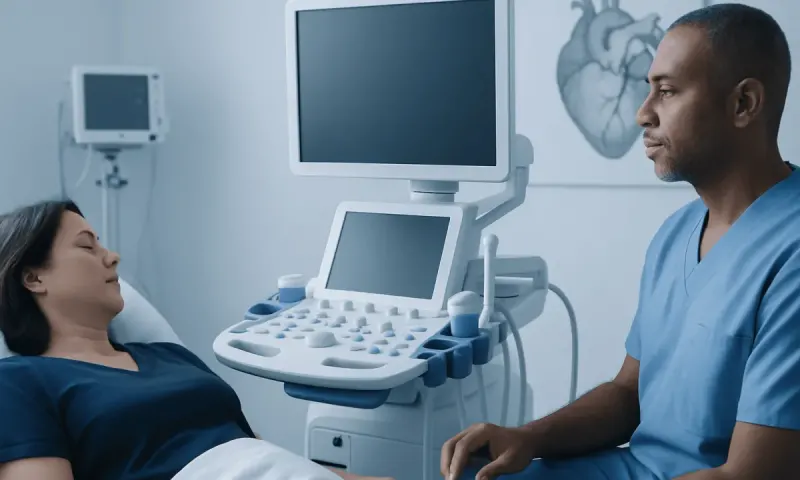
Tests often include an electrocardiogram, blood tests for cardiac enzymes, an echocardiogram, and imaging studies. In many cases, coronary angiography is performed to check whether blocked arteries are causing the problem. The diagnosis of broken heart syndrome is generally made after other urgent causes are excluded and the heart’s pattern fits the condition.
Depending on the presentation, doctors may also use cardiac MRI or repeat imaging over time to see how the heart is recovering. This stepwise approach is important for international patients because emergency care abroad may need to move quickly, and clear communication between teams helps guide safe decisions about treatment and travel.
Treatment Options
Treatment depends on the person’s symptoms, heart function, and overall stability. In the early phase, care often focuses on monitoring the heart closely and treating it as a possible acute cardiac event until the diagnosis is clear. If blood pressure is low, breathing is difficult, or the rhythm is unstable, hospital care may be needed.
Once broken heart syndrome is confirmed, treatment is usually supportive. Doctors may recommend medications that help the heart work more efficiently, control blood pressure, or reduce fluid buildup if heart failure symptoms are present. If a trigger such as infection, pain, or another medical illness is identified, that underlying issue is addressed as part of care.
Emotional support is also a meaningful part of recovery. Some patients benefit from counseling, stress-management strategies, or follow-up with a mental health professional, especially if grief, anxiety, or trauma played a role. Recovery plans are individualized, and follow-up imaging may be used to confirm that heart function has returned toward normal.
Prevention & Self-care
There is no guaranteed way to prevent broken heart syndrome, because stress responses can be unpredictable. However, people can reduce strain on the heart by managing known medical conditions, keeping follow-up appointments, and seeking care promptly when new symptoms appear.
Practical self-care often includes resting during recovery, taking prescribed medicines as directed, and avoiding sudden overexertion until a doctor says it is safe. Gentle routines such as regular sleep, light activity when approved, hydration, and balanced meals can support overall recovery.
It may also help to build a plan for emotional well-being. That can include talking through grief with trusted people, using relaxation techniques, and arranging counseling when needed. For patients recovering away from home, clear instructions about medicine names, red-flag symptoms, and follow-up timing can make the return journey and later care much smoother.
When to See a Doctor
Any new chest pain, shortness of breath, fainting, or sudden palpitations should be evaluated urgently, especially if the person has risk factors for heart disease. Broken heart syndrome cannot be safely diagnosed at home because the symptoms may also signal a heart attack or another emergency.
People who have already been diagnosed should contact a doctor if symptoms return, become worse, or interfere with daily life. They should also seek medical advice if medication side effects, swelling, fatigue, or dizziness develop during recovery.
If an episode happens while traveling, it is wise to get medical attention locally before flying or taking a long journey. A coordinated handoff to the home doctor, with records and imaging when available, helps ensure that recovery continues safely.
Acibadem Health Point’s multidisciplinary specialists and JCI-accredited hospitals diagnose and treat broken heart syndrome for international patients, with care that can be coordinated across evaluation, treatment, and follow-up.
Outlook and Recovery
Many people with broken heart syndrome recover well, and heart function often improves over days to weeks. Still, recovery should not be treated as automatic. Some patients need closer follow-up, especially if there were complications such as heart failure, rhythm disturbances, or low blood pressure.
Doctors may schedule repeat tests to make sure the heart’s pumping ability is returning to normal. This is one reason the condition is managed more like a temporary heart disorder than a short-lived emotional reaction. Careful monitoring helps prevent missed complications and gives patients a clearer path back to normal activity.
For international patients, the recovery phase may include planning how to continue care after returning home. That can involve sharing test results, medication lists, and follow-up recommendations with the next doctor so that the transition is smooth and nothing important is lost between countries.
Frequently asked questions
01Is broken heart syndrome the same as a heart attack?
No, but it can look very similar at first. Both can cause chest pain and shortness of breath, which is why urgent medical evaluation is needed to tell them apart.
02What usually triggers broken heart syndrome?
Strong emotional stress is a common trigger, such as grief or sudden fear. Physical stress, including surgery, serious illness, or severe pain, can also bring it on.
03How is broken heart syndrome diagnosed?
Doctors use tests such as an ECG, blood tests, echocardiography, and sometimes coronary angiography. These help rule out a blocked artery and show whether the heart’s pumping pattern fits the condition.
04Does broken heart syndrome go away?
In many people, heart function improves over time, often within days to weeks. Follow-up is still important because recovery can vary and some people develop complications.
05Can stress-management help prevent it from coming back?
Stress-management may support overall heart and emotional health, but it cannot guarantee prevention. It is still a useful part of care, especially when emotional strain was part of the trigger.
06Should someone fly after being diagnosed?
Not until a doctor confirms that it is safe, especially if symptoms are recent or heart function has not fully recovered. Travel plans should be individualized based on the person’s condition and follow-up needs.
This article is for general information only and is not a substitute for professional medical advice. Please consult a qualified doctor about your individual situation.
Heart care in Turkey — expert evaluation and treatment
JCI-accredited · board-certified surgeons · reply within 24h
Add us as a Preferred Source to see more of our trusted health content across Google Search, AI Overviews and Discover.