

Widowmaker Heart Attack: Symptoms, Causes and Treatment
- 8 min read
- Published November 28, 2026
Key Takeaways
- The term “widow maker” usually refers to a dangerous blockage in the left main coronary artery or the left anterior descending artery.
- Symptoms can include chest pressure, shortness of breath, sweating, nausea, and pain spreading to the arm, jaw, back, or shoulder.
- Risk factors include smoking, high blood pressure, high cholesterol, diabetes, obesity, stress, and a family history of heart disease.
- Diagnosis may involve ECG, blood tests, echocardiography, coronary CT angiography, or cardiac catheterization.
- Treatment often requires urgent hospital care, medicines, angioplasty with stent placement, or coronary artery bypass surgery.
- Prevention focuses on regular heart checkups, healthier daily habits, and fast response to warning signs.
“Widow maker” is a widely used term for a serious blockage in the left main coronary artery or a major related vessel. Because it can reduce blood flow to a large part of the heart, quick recognition and treatment are essential.
Overview
“Widow maker” is not a formal medical diagnosis, but it is a common term used for a severe blockage in a major heart artery, most often the left main coronary artery or the left anterior descending artery. These vessels supply a large area of the heart muscle, so when blood flow is suddenly reduced, the situation can become life-threatening very quickly.
The phrase is dramatic, but the medical message behind it is simple: this is a time-sensitive emergency. Some people experience symptoms during a heart attack, while others may have narrowing that is found only after testing for chest discomfort, shortness of breath, or an abnormal heart scan. In either case, the condition deserves prompt evaluation by a cardiology team.
For international patients, the important first step is not deciding on a destination hospital right away. It is recognizing that ongoing chest pressure, unexplained breathlessness, or sudden collapse should be treated as urgent wherever the person is located. If the condition is diagnosed later, treatment planning often includes medication review, imaging, and a discussion of whether a procedure or surgery is the safest next step.
Symptoms
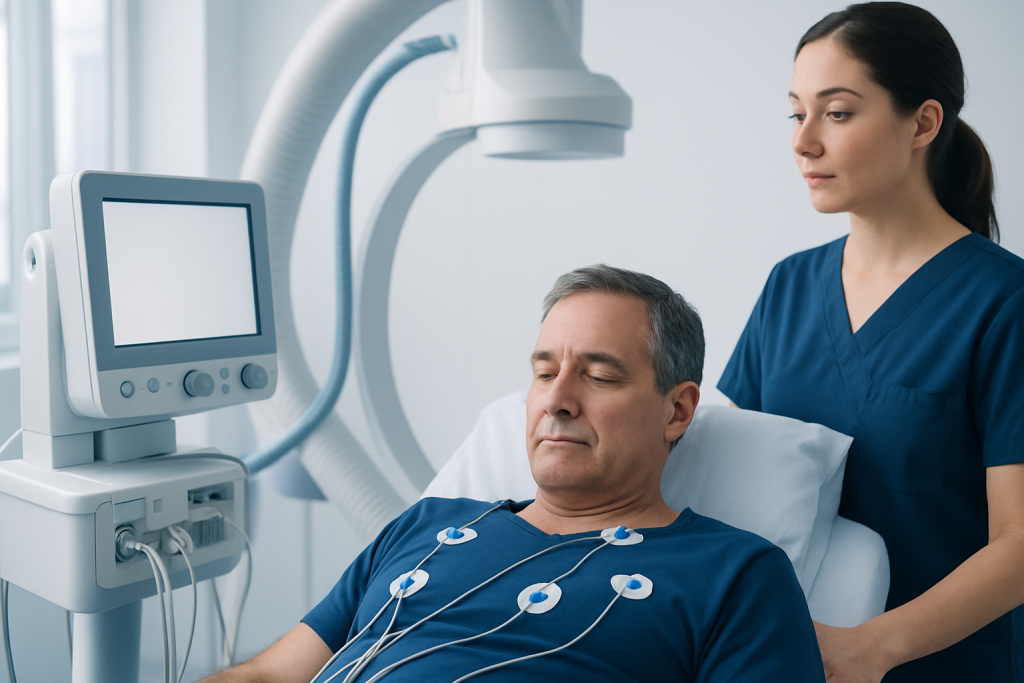
The symptoms of a widow maker event are often similar to those of a major heart attack, although they do not always look the same in every person. A person may feel central chest pressure, squeezing, heaviness, or pain that lasts more than a few minutes and does not fully go away with rest. Some describe it as an uncomfortable fullness rather than sharp pain.
Other warning signs can include shortness of breath, cold sweating, nausea, dizziness, sudden fatigue, or discomfort that spreads to the arm, shoulder, neck, jaw, or upper back. In some people, especially older adults, women, and people with diabetes, symptoms may be less typical and can present as unusual weakness, indigestion-like discomfort, or breathlessness without obvious chest pain.
Symptoms should be taken seriously even if they improve briefly. A blockage in a major coronary artery can come and go, and a short-lived episode may still indicate a dangerous problem that needs immediate medical assessment.
Causes & Risk Factors

The usual underlying cause is atherosclerosis, a buildup of fatty plaque inside the coronary arteries. Over time, plaque can narrow the vessel, and if it ruptures, a blood clot can form and block the artery more completely. When this happens in a major vessel, a large portion of the heart muscle may be deprived of oxygen.
Several factors can increase the chance of this process developing. Common risk factors include high LDL cholesterol, high blood pressure, smoking, diabetes, excess body weight, a sedentary lifestyle, chronic stress, and a family history of early heart disease. Age also matters, but serious coronary disease can develop earlier than many people expect.
Some people are surprised to learn that heart disease can exist even when they feel generally well. Long-distance travel, unusual sleep patterns, dehydration, and interrupting regular medications can add strain for some individuals, especially if they already have known cardiovascular risk factors and limited follow-up access in their home country.
Diagnosis
Doctors usually begin with a careful history and physical examination, because the pattern of symptoms can provide important clues. An electrocardiogram, or ECG, is often performed right away to look for signs of reduced blood flow or a heart attack. Blood tests that measure cardiac enzymes, such as troponin, help show whether heart muscle has been injured.
Imaging may be used to understand how the heart is functioning and where the problem is located. An echocardiogram can assess pumping strength and wall motion, while coronary CT angiography may help in selected cases when the diagnosis is less clear. If a major blockage is suspected, coronary angiography through cardiac catheterization is often the definitive test because it shows the arteries directly.
For patients who are traveling for care, the diagnostic stage is where coordination matters most. Prior records, medication lists, prior stent or bypass history, and recent test results can help the cardiology team move efficiently and avoid repeating unnecessary tests.
Treatment Options
Treatment depends on how severe the blockage is and whether the person is having an active heart attack. Immediate hospital care may include oxygen when needed, antiplatelet medicines, blood thinners, pain relief, and close heart monitoring. The priority is to restore blood flow and protect heart muscle as quickly and safely as possible.
In many cases, a cardiologist may recommend percutaneous coronary intervention, also called angioplasty, where a balloon is used to open the artery and a stent is placed to keep it open. If the blockage is complex, extensive, or involves the left main artery in a way that is better treated surgically, coronary artery bypass grafting may be advised. The best approach depends on anatomy, symptoms, overall health, and the urgency of the situation.
After the immediate problem is treated, medication management usually continues. Doctors often prescribe medicines to reduce clotting risk, lower cholesterol, control blood pressure, and ease the heart’s workload. Recovery also includes follow-up visits, cardiac rehabilitation when appropriate, and a realistic plan for returning safely to daily life, whether that means resuming work at home or traveling back after treatment.
Prevention & Self-care
Prevention starts long before symptoms appear. Regular checkups are helpful for people with diabetes, high blood pressure, high cholesterol, smoking history, or a family history of heart disease, because coronary disease often develops gradually. Managing these conditions consistently can lower the chance of a major blockage over time.
Everyday habits also make a difference. A heart-friendly diet, regular physical activity approved by a doctor, avoiding tobacco, improving sleep, and keeping alcohol intake moderate are all practical steps. For people who already know they have coronary disease, taking prescribed medicines as directed and not stopping them during travel without medical advice is especially important.
Self-care after treatment should focus on steady recovery rather than rushing back to a full schedule. That may mean walking as advised, monitoring symptoms, keeping follow-up appointments, and understanding which warning signs require urgent care. International patients may also want a written summary of procedures, stent details, or surgery reports to share with doctors back home.
When to See a Doctor
Immediate emergency care is needed for chest pressure or pain that lasts more than a few minutes, returns repeatedly, or occurs with shortness of breath, sweating, fainting, nausea, or pain spreading to the arm, jaw, shoulder, or back. These symptoms should not be monitored at home while waiting to see whether they pass.
Medical evaluation is also appropriate for people who notice new exercise intolerance, unexplained breathlessness, or a sudden drop in stamina, especially if they have cardiovascular risk factors. Even when symptoms are mild, a doctor can help decide whether testing is needed and how urgently it should happen.
For patients seeking care across borders, the safest approach is to arrange assessment promptly rather than attempting long travel with unresolved chest symptoms. If treatment is needed, Acibadem Health Point’s multidisciplinary specialists and JCI-accredited hospitals diagnose and treat this condition for international patients, with coordinated cardiology and surgical support when appropriate.
Frequently asked questions
01What does “widow maker” mean in heart disease?
It usually refers to a severe blockage in a major coronary artery, most often the left main coronary artery or the left anterior descending artery. Because these vessels supply a large area of the heart, the blockage can be very dangerous. It is a lay term, not a formal diagnosis.
02Is a widow maker the same as a heart attack?
Not exactly. The term can describe the artery blockage itself or a heart attack caused by that blockage. In everyday use, people often use it to mean a very serious heart attack involving a major vessel.
03What symptoms should not be ignored?
Chest pressure, shortness of breath, sweating, nausea, faintness, or pain spreading to the arm, jaw, shoulder, neck, or back should be taken seriously. Symptoms may be dramatic or subtle, so any sudden change in how the heart feels deserves prompt medical attention.
04How do doctors confirm the diagnosis?
Doctors may use an ECG, blood tests such as troponin, echocardiography, coronary CT angiography, or coronary angiography. The exact tests depend on the symptoms and how urgent the situation is. In many serious cases, angiography is the key test because it shows the blockage directly.
05What can someone do after treatment to reduce future risk?
Follow-up care, prescribed medicines, and lifestyle changes are central to reducing future risk. That includes not smoking, controlling blood pressure and cholesterol, managing diabetes, and attending cardiac rehabilitation if recommended. Regular review with a cardiologist is helpful, especially after returning home from treatment abroad.
This article is for general information only and is not a substitute for professional medical advice. Please consult a qualified doctor about your individual situation.
Persistent digestive symptoms? Get evaluated in Turkey
JCI-accredited · board-certified surgeons · reply within 24h
Add us as a Preferred Source to see more of our trusted health content across Google Search, AI Overviews and Discover.



How can we help you today?
Meet an Acibadem specialist by secure video, before you travel.
Book a video visit