Implantable Loop Recorder: Uses and Procedure

Key Takeaways
- A loop recorder continuously records heart rhythm for long-term monitoring.
- It is often used when symptoms are intermittent and standard tests miss the cause.
- The procedure is usually minor and performed under local anesthesia.
- Results help guide treatment, but the device does not treat the rhythm problem itself.
- Follow-up and symptom logging are important parts of getting useful information.
A loop recorder is a small device placed under the skin to track heart rhythms over weeks, months, or longer. It can help doctors find the cause of unexplained fainting, palpitations, or possible arrhythmias when shorter tests have not provided answers.
Overview
A loop recorder is a small, implantable device that watches the heart’s electrical activity over an extended period. Unlike a short ECG in a clinic, it can capture rhythm changes that happen only occasionally, which is why it is often considered when symptoms are unpredictable or infrequent.
Doctors may suggest this monitor when someone has unexplained fainting, repeated dizziness, palpitations, or suspected arrhythmias that have not been caught on standard testing. For international patients, it can be especially helpful when the right diagnosis has been difficult to obtain through brief hospital visits or short observation periods.
The device itself does not correct the rhythm. Its role is to collect reliable information so the care team can decide whether medication, lifestyle changes, a pacemaker, an ablation, or another plan is most appropriate.
Symptoms and Reasons It May Be Recommended
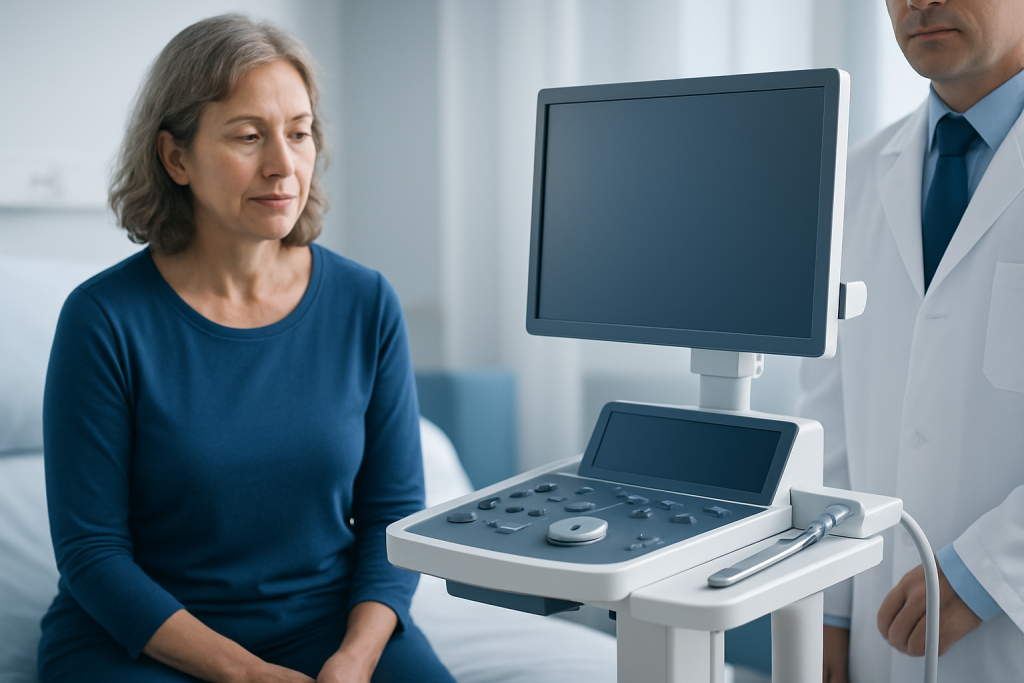
A loop recorder is not placed for a single symptom alone; it is usually used when there is a pattern that needs longer observation. Some people feel their heart racing, skipping, or fluttering, while others experience unexplained blackouts or near-fainting episodes without warning.
Common reasons doctors consider this device include:
- Unexplained fainting or near-fainting
- Intermittent palpitations
- Suspected atrial fibrillation or other arrhythmias
- Stroke or mini-stroke when a heart rhythm cause is suspected
- Symptoms that occur too rarely to be captured on a short monitor
Because symptoms may happen weeks apart, a long-term recorder can be more informative than repeated brief checks. The goal is to match the symptom to the rhythm at that exact time, rather than guessing based on history alone.
Causes and Risk Factors

The loop recorder is used to look for a cause, not because it creates a problem on its own. It may help identify electrical disturbances in the heart such as atrial fibrillation, pauses in the heartbeat, very fast rhythms, or other conduction issues.
Some people are more likely to need long-term rhythm monitoring. Risk factors can include a history of heart disease, previous stroke, structural heart conditions, recurrent unexplained syncope, or symptoms that remain unexplained after an ECG, Holter monitor, or event monitor.
In some cases, the concern is not a frequent episode but a rare one that still matters clinically. That is why doctors may recommend a loop recorder even when day-to-day testing appears normal.
How Diagnosis Is Made Before Implantation
Before recommending a loop recorder, the cardiology team usually reviews the person’s symptoms, medical history, medication list, and previous test results. They may also order an ECG, blood tests, echocardiogram, Holter monitor, or other studies to rule out more obvious causes.
The decision is often made when the question remains unresolved after routine evaluation. A careful discussion is important: the team considers how often symptoms happen, whether they are severe, and whether rhythm information would change treatment.
For patients traveling from another country, it helps to bring prior records, imaging reports, and a timeline of symptoms. That preparation can shorten the path to the right test and make the follow-up plan more practical once the patient returns home.
Treatment Options and What the Procedure Involves
The procedure to insert a loop recorder is typically brief and minimally invasive. It is usually performed under local anesthesia, with a small incision made under the skin on the chest to place the device. Most people go home the same day.
After implantation, the recorder continuously watches the heart rhythm and stores data automatically. Some devices can also be triggered by the patient when symptoms occur, which can be useful when describing what was felt at that exact moment. The care team may arrange remote monitoring, in-office checks, or both.
If the device finds an abnormal rhythm, treatment depends on the result and the person’s overall condition. Options may include medicines, lifestyle adjustments, additional testing, ablation procedures, or a pacemaker. The recorder itself is sometimes removed after enough information has been gathered or when the care plan is complete.
Prevention and Self-care
A loop recorder is not something people usually “prevent”; it is a tool used when monitoring is needed. Self-care focuses on making the monitoring period as useful as possible and supporting overall heart health.
Helpful steps include keeping a symptom diary, noting the time and activity when symptoms occur, and following instructions about wound care and device follow-up. If the device has remote monitoring, it is important to keep the transmitter or app connected as advised by the care team.
General heart-healthy habits may also support the broader evaluation process:
- Take prescribed medicines as directed
- Stay hydrated unless told otherwise
- Limit triggers that worsen symptoms, such as excess caffeine or alcohol, if relevant
- Maintain follow-up appointments, especially after travel
Patients who are recovering away from the implanting center should ask in advance how reports will be shared and who will interpret the data locally or remotely.
When to See a Doctor
Medical advice should be sought promptly if fainting, chest pain, shortness of breath, or palpitations are frequent, prolonged, or associated with injury. Even when symptoms pass quickly, recurrent episodes deserve evaluation because intermittent rhythm problems can be easy to miss.
People with a loop recorder should contact their doctor if the incision becomes increasingly red, painful, swollen, or draining, or if they develop fever after the procedure. They should also reach out if symptoms change, if the device is not transmitting as expected, or if they receive instructions they do not understand.
For international patients, good timing matters. A planned review before leaving the country, plus a clear handoff to a home doctor, can make long-term monitoring far more effective. Acibadem Health Point’s multidisciplinary specialists and JCI-accredited hospitals diagnose and treat this condition for international patients, with coordination designed to support follow-up after travel.
Frequently asked questions
01What is the main purpose of a loop recorder?
Its main purpose is to capture heart rhythm information over a long period of time. This helps doctors connect symptoms such as fainting or palpitations with what the heart was doing at that moment.
02Is the implantation procedure painful?
The procedure is usually done under local anesthesia, so most people feel pressure rather than significant pain. Mild discomfort afterward is common and is usually managed with routine wound care and the doctor’s instructions.
03How long does a loop recorder stay in place?
It can remain in place for months or even longer, depending on the device and the reason for monitoring. The care team decides when enough information has been collected or when the device is no longer needed.
04Can a loop recorder treat arrhythmia?
No, it is a diagnostic tool rather than a treatment. It records the rhythm so the doctor can decide which treatment, if any, is appropriate.
05What should a patient do if symptoms happen while wearing the device?
They should note the time, what they were doing, and exactly how they felt, then follow the instructions given by their cardiology team. If the device has a patient-activated function, they should use it as directed.
06Can someone travel after getting a loop recorder?
Many people can travel after the procedure once their doctor confirms they are healing well. It is important to plan follow-up, understand how remote monitoring will work, and know who to contact if new symptoms occur.
This article is for general information only and is not a substitute for professional medical advice. Please consult a qualified doctor about your individual situation.
Heart care in Turkey — expert evaluation and treatment
JCI-accredited · board-certified surgeons · reply within 24h
Add us as a Preferred Source to see more of our trusted health content across Google Search, AI Overviews and Discover.