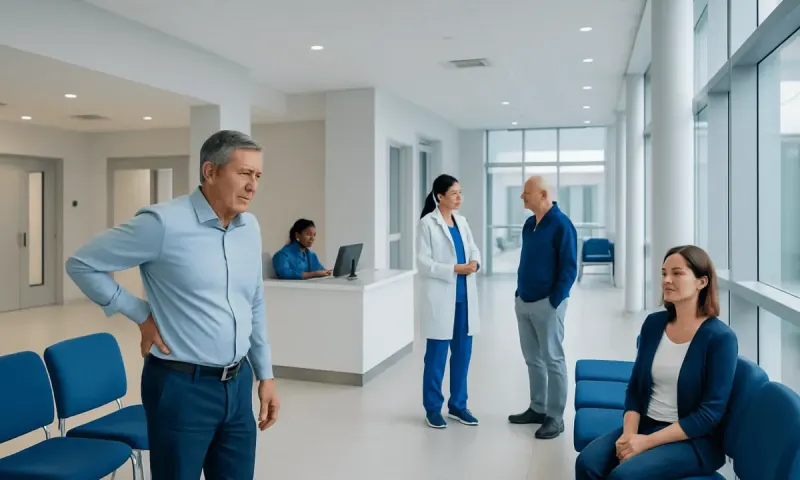
Why Does My Lower Back Hurt?

Key Takeaways
- Lower back pain is usually linked to muscles, joints, discs, posture, or irritated nerves rather than one single cause.
- Pain that follows lifting, twisting, prolonged sitting, or poor sleep support often improves with rest, movement, and basic home care.
- Fever, leg weakness, numbness, bladder or bowel changes, or pain after major injury deserve prompt medical attention.
- A doctor may use a physical exam and, when needed, imaging or other tests to identify the source of pain.
- Early, targeted care can help many people return to normal activity more comfortably and with less recurrence.
Lower back pain is common and often improves with simple measures, but its cause can vary from muscle strain to spine or nerve-related conditions. Understanding the pattern of pain, associated symptoms, and when to seek care can help guide the next safe step.
Overview
When someone asks, “Why does my lower back hurt?”, the answer is often less dramatic than feared but still worth understanding. The lower back carries much of the body’s weight, absorbs daily stress from sitting, standing, bending, and lifting, and includes muscles, ligaments, joints, discs, and nerves that can all become irritated.
For many people, lower back pain starts after an awkward movement, a long car ride, hours at a desk, or a weekend of heavy lifting. In other cases, it develops more gradually and reflects wear and tear, inflammation, or a problem that begins elsewhere in the body and is felt in the back.
Most episodes are not dangerous and improve with time and sensible care. Still, back pain is not a single condition, so the pattern of pain, the person’s age, recent activities, and any associated symptoms help determine whether the issue is likely muscular, mechanical, nerve-related, or something that needs prompt assessment.
Symptoms

Lower back pain can feel different from one person to another. Some describe a dull ache that sits in the center of the low back, while others notice stiffness on waking, a tight pulling sensation, or sharp pain when bending, turning, or standing up.
Mechanical pain often worsens with certain positions and may ease when lying down or changing posture. Muscle strain can make the back feel tender or spasm-like, while disc-related pain may spread into the buttock or leg. When a nerve is involved, symptoms may include tingling, burning, numbness, or weakness in the leg.
It is especially important to notice associated features such as fever, unexplained weight loss, night pain that does not settle, recent infection, a fall or accident, or changes in bladder or bowel control. These clues help a clinician separate everyday back pain from conditions that need faster evaluation.
-
Dull ache or stiffness
-
Pain with lifting, twisting, or sitting
-
Muscle spasm or tenderness
-
Pain radiating to the buttock or leg
-
Numbness, tingling, or weakness
Causes & Risk Factors

The most common explanation is strain of the muscles or supporting tissues. This may happen after lifting something with poor technique, repetitive bending, sports activity, or simply a sudden movement the back is not ready for. Prolonged sitting, weak core muscles, and limited flexibility can make strain more likely.
Other common causes include degenerative changes in the spine, such as arthritis in the small joints or degeneration of the discs that cushion the vertebrae. A disc can also bulge or herniate and irritate nearby nerve roots, which may lead to pain that travels down the leg. Less commonly, conditions such as spinal narrowing, sacroiliac joint problems, inflammatory arthritis, kidney issues, or fractures may be responsible.
Certain factors raise the chance of ongoing back pain: older age, a physically demanding job, obesity, smoking, poor sleep, stress, previous back injury, and long periods of inactivity. Travel-related factors can matter too; long flights, carrying heavy luggage, and sleeping in unfamiliar beds may aggravate a vulnerable back, especially when a person is already recovering from an earlier strain.
Diagnosis
Diagnosis usually begins with a careful conversation. A doctor will ask when the pain started, what makes it better or worse, whether it spreads to the leg, and whether there was a strain, fall, illness, or change in daily routine. The pattern of pain often gives strong clues before any test is ordered.
A physical examination typically checks posture, movement, tenderness, reflexes, strength, and sensation. The doctor may also look for signs that suggest nerve involvement or a non-spine cause. In many straightforward cases, no immediate imaging is needed because symptoms and exam findings point to a likely muscle or mechanical problem.
Imaging or other tests may be used when symptoms are severe, persistent, unusual, or associated with warning signs. X-rays, MRI, CT, or blood and urine tests can help evaluate fracture, disc disease, infection, inflammation, or problems outside the spine. For international patients, having records, prior scans, and a clear symptom timeline ready can make the consultation more efficient and help the team plan care across visits.
Treatment Options
Treatment depends on the cause, how long the pain has been present, and whether nerves are involved. Many cases improve with a period of staying active in a modified way, using heat or cold, and avoiding movements that sharply worsen pain without remaining in complete bed rest. Gentle walking often helps more than prolonged inactivity.
Doctors may recommend physical therapy to restore mobility, strengthen the core and back muscles, and improve posture and movement habits. If pain is related to inflammation, muscle spasm, or nerve irritation, medicines may be considered, but the choice depends on the individual’s health history and should be guided by a clinician. In selected cases, injections or other procedures may be appropriate when conservative care is not enough.
Surgery is reserved for specific situations, such as significant nerve compression, structural instability, or persistent pain that does not respond to non-surgical treatment. For someone traveling for care, the plan may include an initial assessment, imaging, treatment, and a follow-up schedule that can continue after returning home, with clear instructions for rehabilitation and warning signs to watch for.
Prevention & Self-care
Many episodes of lower back pain are influenced by daily habits, which means small changes can make a meaningful difference. Good lifting technique, regular movement breaks, and a work setup that supports neutral posture can reduce repeated strain. A balanced exercise routine that includes walking, stretching, and strengthening is usually more helpful than relying only on rest when pain appears.
Self-care can also include using heat for stiffness or cold for a fresh strain, choosing supportive footwear, and paying attention to sleep positions that do not over-arch the back. If a person sits for long periods, standing up and moving every so often is often more effective than waiting until the back feels locked.
Other practical steps include managing body weight, not smoking, and addressing stress or poor sleep, since both can heighten pain sensitivity and slow recovery. People who travel frequently may benefit from lighter luggage, pacing activities after arrival, and planning recovery time after long flights or car journeys.
-
Stay active with low-impact movement as tolerated
-
Use safe lifting and bending mechanics
-
Strengthen core and hip muscles gradually
-
Take movement breaks during long sitting periods
-
Seek early help if pain keeps returning
When to See a Doctor
Medical review is a good idea when back pain is severe, lasts more than a short period, keeps returning, or interferes with walking, sleep, work, or travel plans. A doctor can help confirm whether the pain is likely muscular or whether another structure is involved.
Prompt evaluation is especially important if the pain follows a fall, sports injury, or accident; if it is accompanied by fever, unexplained weight loss, cancer history, or infection risk; or if there is numbness, weakness, saddle anesthesia, or changes in bladder or bowel control. These features do not always mean a serious problem, but they do need timely assessment.
If pain is happening while someone is abroad or away from their regular doctor, it is reasonable to seek local medical attention rather than waiting for a return trip if symptoms are severe or worsening. A coordinated orthopedic or rehabilitation team can help with diagnosis, symptom relief, and a realistic plan for continuing care after travel.
Frequently asked questions
01Why does my lower back hurt most after sitting for a long time?
Long sitting can place steady stress on the muscles, joints, and discs in the lower back, especially if posture is slouched or the seat offers little support. Stiffness often improves with standing, walking, and changing position regularly.
02How can a person tell if lower back pain is muscular or nerve-related?
Muscular pain is often localized, sore to touch, and linked to movement or lifting. Nerve-related pain is more likely to travel into the buttock or leg and may come with tingling, numbness, or weakness.
03Is rest the best treatment for lower back pain?
Short periods of relative rest can help at first, but long bed rest usually slows recovery. Gentle activity, walking, and guided exercises are often more helpful once severe pain begins to settle.
04When is imaging needed for lower back pain?
Imaging is usually not needed right away for uncomplicated back pain. It becomes more useful when symptoms are severe, persistent, unusual, or accompanied by signs such as trauma, fever, weakness, or bladder and bowel changes.
05Can lower back pain come from something outside the spine?
Yes. Kidney problems, some abdominal conditions, infections, and inflammatory diseases can sometimes be felt as back pain. That is one reason a full medical history and examination are important.
06What should an international patient prepare before a back pain consultation?
Bringing prior scans, medication lists, symptom notes, and details about any injury or previous treatment can save time and improve planning. Clear information about travel dates and follow-up availability also helps the team tailor care.
07Can Acibadem Health Point help with lower back pain care?
Acibadem Health Point’s multidisciplinary specialists and JCI-accredited hospitals diagnose and treat lower back pain for international patients. A coordinated evaluation can help match the right tests and treatment plan to the person’s symptoms and goals.
This article is for general information only and is not a substitute for professional medical advice. Please consult a qualified doctor about your individual situation.
Medical weight-loss options in Turkey — costs & eligibility
JCI-accredited · board-certified surgeons · reply within 24h
Add us as a Preferred Source to see more of our trusted health content across Google Search, AI Overviews and Discover.