Why Do All My Teeth Hurt Suddenly?

Key Takeaways
- Pain in all teeth at once is often referred pain, not damage in every tooth.
- Common causes include sensitivity, grinding, gum irritation, cavities, and sinus pressure.
- Stress, dehydration, and recent dental work can make teeth feel more reactive.
- A dentist can check for cracks, decay, bite problems, and signs of infection.
- Seek prompt care if pain is severe, swelling is present, or fever develops.
Sudden pain in many or all teeth is often linked to tooth sensitivity, teeth grinding, gum inflammation, or pressure from a sinus infection rather than every tooth having a separate problem. A dental exam can help identify the source and guide safe, targeted treatment.
Overview
When someone wonders, “why do all my teeth hurt suddenly?” the short answer is that the pain is often coming from one shared source rather than from every tooth separately. Teeth can feel sore at the same time when the nerves in the mouth are irritated by temperature changes, clenching, gum inflammation, or pressure from nearby structures such as the sinuses.
This kind of pain can be confusing because it may feel widespread, even when only one tooth or one area is actually affected. A person may notice aching, zinging pain with cold drinks, discomfort when chewing, or a heavy pressure in the jaw. For international patients trying to decide whether to travel for care or wait until returning home, the pattern of symptoms matters: sudden, diffuse tooth pain usually deserves a dental assessment rather than simple guesswork.
Most causes are treatable, and many are not emergencies. Still, new pain that affects several teeth should not be ignored, especially if it is persisting, becoming stronger, or making eating and sleeping difficult.
Symptoms That Help Narrow the Cause
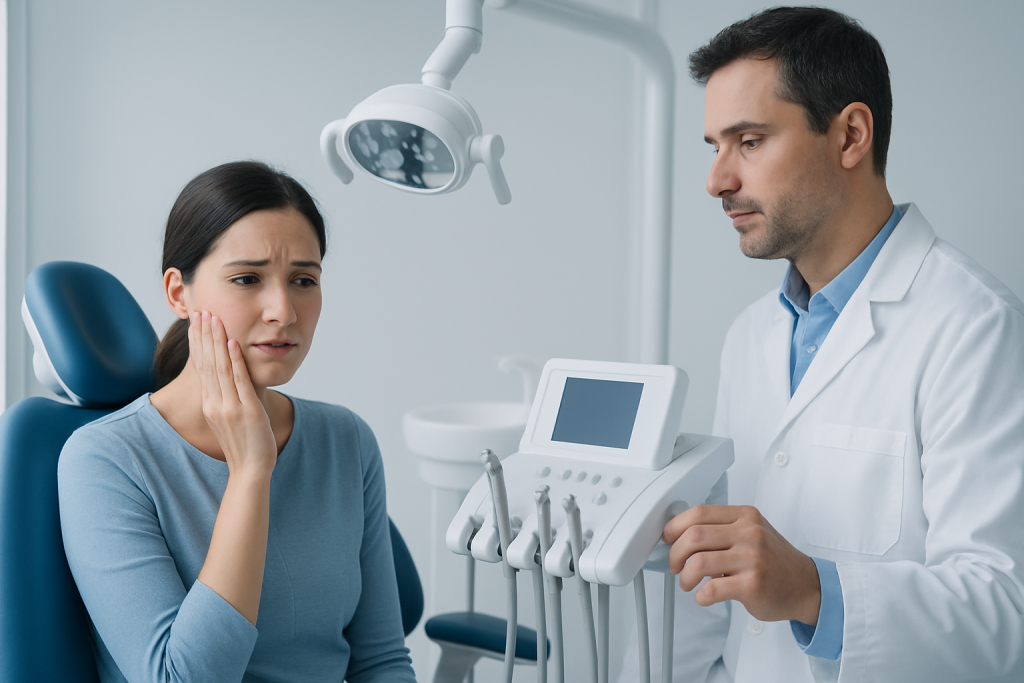
“All my teeth hurt” can describe several different sensations. Some people feel a dull ache across the upper or lower teeth, while others have sharp pain when they bite down or drink something cold. The exact pattern often offers clues about whether the problem is coming from the teeth themselves, the gums, the jaw muscles, or the sinuses.
Common accompanying signs include:
- Cold, hot, or sweet sensitivity in multiple teeth
- Pain when chewing or clenching
- A feeling of pressure behind the cheeks or forehead
- Gum tenderness, swelling, or bleeding
- Jaw soreness on waking, especially after nighttime grinding
- A single tooth that hurts more than the others, even if the discomfort feels widespread
If pain is mainly felt in the upper teeth and comes with congestion, facial pressure, or a recent cold, the sinuses may be involved. If the soreness is strongest in the morning or after a stressful period, clenching and grinding become more likely. If sensitivity is triggered by cold air, brushing, or sweets, enamel wear or gum recession may be part of the picture.
Causes & Risk Factors

Several conditions can make many teeth hurt at once. One of the most common is tooth sensitivity, which happens when the protective enamel is worn down or the roots become exposed. This can make multiple teeth react to temperature, brushing, or acidic foods. People with gum recession, aggressive brushing habits, frequent acidic drinks, or whitening treatments may notice this more often.
Teeth grinding, also called bruxism, is another frequent reason. Clenching during sleep or during the day can strain the teeth and jaw muscles, leading to a deep, diffuse ache that may feel like it involves all the teeth. Stress, sleep problems, and an uneven bite can contribute. In some cases, the teeth are not damaged in a dramatic way, but the ligaments around them become irritated from repeated pressure.
Gum disease, cavities, cracked teeth, and dental infections can also create pain that feels generalized. A single untreated tooth infection may cause neighboring teeth to feel sore, while inflamed gums can make the whole mouth feel tender. Sinus infections, recent dental procedures, jaw joint problems, and very hot or cold foods may add to the discomfort. Risk increases when oral hygiene is inconsistent, routine dental checkups are delayed, or an older restoration has begun to fail.
Diagnosis
A dentist usually begins by asking where the pain is felt, what triggers it, and whether it changes with chewing, temperature, or position. Because “all teeth hurt” can reflect pain coming from outside the teeth, the history is often as important as the exam itself. A patient may be asked about congestion, headaches, sleep quality, stress, recent travel, and any recent dental treatment.
The examination may include checking the gums, tapping individual teeth, reviewing the bite, and looking for signs of wear from grinding. X-rays are often used to detect hidden cavities, infection, bone loss, or cracks that are not visible during the exam. If sinus symptoms are strong, the dentist may suggest medical evaluation as well, since the source may not be dental.
For international patients arranging care away from home, it is helpful to bring any recent dental records, medication lists, and prior imaging if available. A clear timeline of when the pain started and what makes it better or worse can speed up diagnosis and reduce unnecessary treatment.
Treatment Options
Treatment depends on the cause. If sensitivity is the main issue, a dentist may recommend changing brushing habits, using a desensitizing toothpaste, or applying protective fluoride or similar remineralizing treatments. If cavities or a cracked tooth are found, the affected tooth may need a filling, crown, or other restoration. For infection, the care plan may include removing the source of infection and, when appropriate, other dental treatment or medical management.
When grinding or clenching is driving the pain, a custom night guard can help protect the teeth and reduce strain on the jaw. Some patients also benefit from stress reduction strategies, bite evaluation, or treatment for sleep-related issues. If gum disease is present, professional cleaning and periodontal care are important to calm inflammation and protect the supporting tissues around the teeth.
Sinus-related tooth pain is treated by addressing the sinus problem rather than the teeth themselves. Over-the-counter pain relievers may be used short term if a doctor or dentist says they are safe for the person’s health history, but medicines should not replace an evaluation if pain is new, severe, or persistent. In some cases, a multidisciplinary team is the most efficient path, especially for travelers who need coordinated dental and medical assessment in one setting.
Prevention & Self-care
Simple daily habits can reduce the chance that multiple teeth become sore at once. Gentle brushing with a soft toothbrush, regular flossing, and routine dental visits help control plaque and protect the gums. Limiting frequent acidic drinks and being cautious with aggressive whitening products may also reduce sensitivity.
For people who suspect grinding, paying attention to daytime clenching is worthwhile. Keeping the jaw relaxed, avoiding chewing ice or hard objects, and using a night guard if prescribed can all help. Good sleep, stress management, and staying hydrated may sound general, but they matter because dry mouth and muscle tension can make teeth feel more sensitive.
Until a dental visit is available, it is reasonable to avoid very hot, very cold, or very sugary foods if they trigger pain. Soft foods may be easier to tolerate. If the discomfort is linked to congestion or a recent cold, easing sinus pressure and staying hydrated may help—but persistent or one-sided pain still deserves an examination.
When to See a Doctor
Professional evaluation is the right next step if the pain lasts more than a short time, keeps returning, or interferes with eating, sleeping, or concentration. A dentist should also be contacted if a specific tooth becomes especially painful, if the gums are swollen or bleeding, or if there is a bad taste in the mouth that may suggest infection.
Seek prompt care if the pain comes with fever, facial swelling, trouble opening the mouth, trouble swallowing, or pain that spreads into the jaw or ear. These symptoms do not always mean something serious, but they do mean the problem should be assessed without delay. Sudden pain after trauma, a recent filling, crown, or extraction also deserves timely review.
For patients considering treatment abroad, Acibadem Health Point’s multidisciplinary specialists and JCI-accredited hospitals can diagnose and treat dental problems for international patients in a coordinated way. That can be especially helpful when the pain is not clearly coming from one tooth and a broader evaluation is needed.
Frequently asked questions
01Why do all my teeth hurt suddenly if only one tooth is actually damaged?
Pain can spread through shared nerves, jaw muscles, or inflammation, so a single problem may feel like it involves many teeth. Referred pain is common in dentistry and is one reason a full exam is useful.
02Can sinus problems make all my teeth hurt?
Yes, sinus pressure can cause aching in the upper teeth, especially during a cold or sinus infection. This is more likely when the discomfort comes with congestion, facial pressure, or headache.
03Is teeth grinding a common cause of sudden pain in many teeth?
Yes, clenching or grinding can make several teeth and the jaw feel sore at the same time. Many people notice the pain most in the morning or after a stressful period.
04What can I do at home while waiting for a dental appointment?
Use gentle brushing, avoid trigger foods and drinks, and rest the jaw by not chewing hard or sticky foods. If it is safe for the person’s health history, a pharmacist or doctor can advise on short-term pain relief options.
05How do dentists find the reason for widespread tooth pain?
They look at the teeth, gums, bite, and jaw, and may take X-rays to check for hidden cavities, cracks, or infection. Questions about sinus symptoms, stress, and recent dental work also help narrow the cause.
06When is sudden tooth pain urgent?
It becomes more urgent if there is facial swelling, fever, trouble swallowing, or severe pain that is getting worse. In those cases, prompt professional evaluation is important.
This article is for general information only and is not a substitute for professional medical advice. Please consult a qualified doctor about your individual situation.
Explore treatments in Turkey — costs, top hospitals & a free quote
JCI-accredited · board-certified surgeons · reply within 24h
Add us as a Preferred Source to see more of our trusted health content across Google Search, AI Overviews and Discover.