What Is Tooth Relief? A Complete Medical Guide

Key Takeaways
- Tooth relief can ease discomfort, but it does not replace treatment for the cause of pain.
- Common triggers include cavities, gum disease, cracked teeth, sensitivity, and dental infections.
- Gentle home measures may help briefly, but persistent or severe pain should be assessed by a dentist.
- Swelling, fever, trouble opening the mouth, or pain with swallowing can suggest urgent care is needed.
- A dental exam, X-rays, and targeted treatment usually provide the most reliable relief.
- Traveling patients can often plan evaluation and treatment together to reduce repeat visits.
Tooth relief refers to the steps used to reduce tooth pain while the underlying cause is identified and treated. Because tooth pain can signal anything from sensitivity to infection, relief is best viewed as temporary comfort plus timely dental care.
Overview
Tooth relief is a practical term for the steps that ease tooth pain, pressure, or sensitivity while the underlying problem is being identified. In everyday use, people may search for tooth relief when they want fast comfort, but from a medical standpoint the key question is what is causing the discomfort in the first place.
A tooth can hurt for several reasons, including decay, inflammation around the gum line, a cracked filling, grinding, or an infection inside the tooth. Some problems create sharp pain only when biting or drinking something cold, while others cause a deep, throbbing ache that may spread to the jaw, ear, or head.
For international patients, tooth pain can be especially disruptive because it may begin before travel, worsen during a trip, or limit eating and sleep in a new environment. In that setting, a clear plan matters: temporary relief for comfort, followed by a dental assessment that can confirm the cause and guide treatment efficiently.
Symptoms
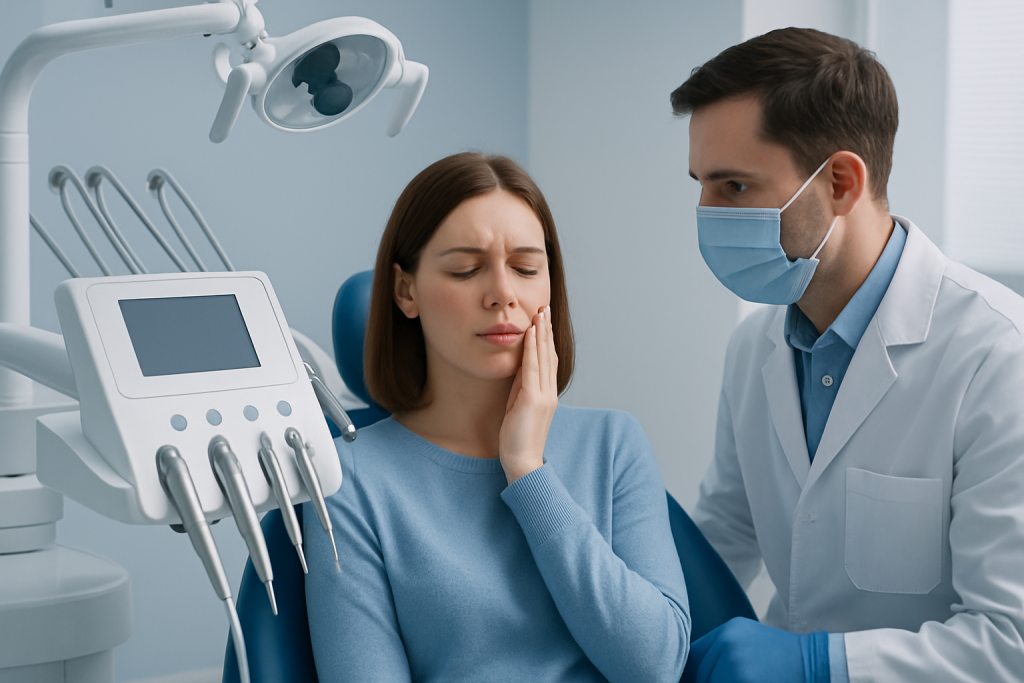
Tooth pain does not always feel the same. Some people describe a quick sting when cold air hits the tooth, while others notice a constant ache that becomes harder to ignore at night. Pain may stay in one tooth or seem broader, making it difficult to pinpoint the exact source without an exam.
Common features that often lead people to look for tooth relief include sensitivity to hot or cold food and drinks, pain when biting, gum tenderness, swelling, bad taste in the mouth, or discomfort that comes and goes. If the pain is related to inflammation or infection, the tooth may feel elevated, “too tall,” or sensitive to tapping.
- Sharp pain with cold, sweet, or acidic foods
- Throbbing or pressure-like pain
- Swollen or bleeding gums
- Pain when chewing
- Facial swelling or tenderness
- Bad breath or an unpleasant taste
Symptoms that spread beyond the tooth, such as fever or visible swelling in the face, deserve prompt attention. These signs can suggest a more serious dental problem rather than simple sensitivity.
Causes & Risk Factors
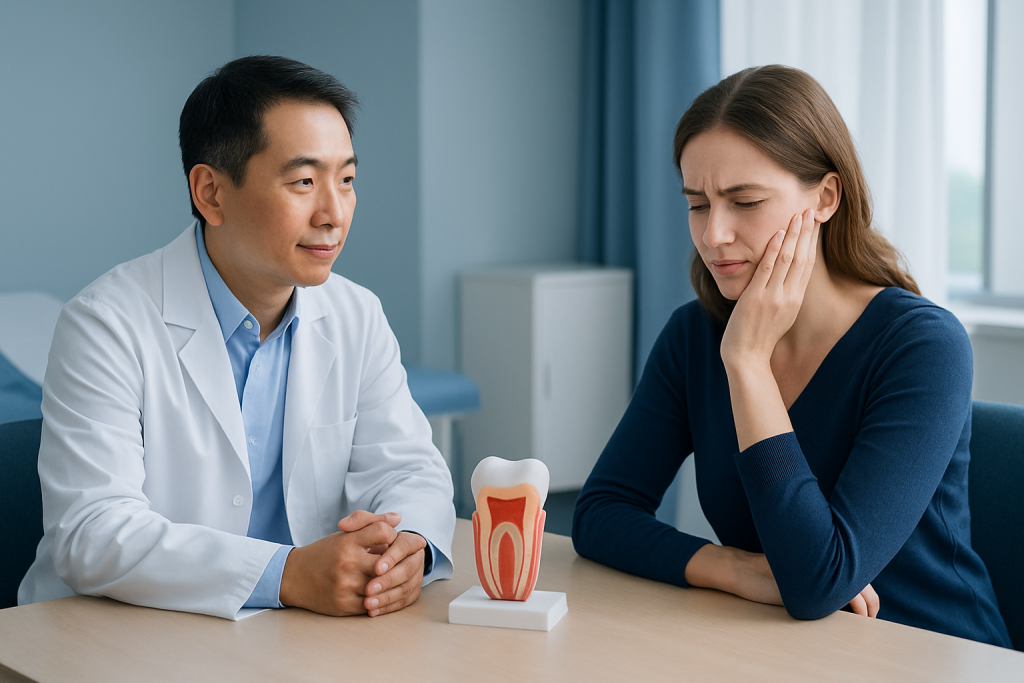
Several dental conditions can lead to pain and the need for tooth relief. Tooth decay is one of the most common causes, especially when enamel damage progresses toward the inner layers of the tooth. Once the nerve becomes irritated, pain can become more persistent and harder to settle with home measures.
Other frequent causes include gum disease, a cracked tooth, a loose or broken filling, wisdom tooth problems, clenching or grinding, and exposed tooth roots. In some people, recent dental work can also leave the area temporarily sensitive as tissues recover.
Risk factors vary, but poor oral hygiene, frequent sugary snacks and drinks, smoking, dry mouth, and delayed dental visits can all raise the chance of pain. Travel-related changes, such as altered routines, missed brushing, dehydration, or long periods without care, can also make symptoms more noticeable.
It helps to think of tooth pain as a signal rather than a diagnosis. The same symptom can come from a small cavity, a deep infection, or a bite-related issue, which is why a dental exam is so important.
Diagnosis
To find the source of pain, a dentist usually begins with a detailed history and a careful examination of the mouth, teeth, and gums. The timing of the pain, what makes it better or worse, and whether there is swelling or sensitivity can all help narrow down the cause.
X-rays are commonly used to look for decay between teeth, infection near the root, bone loss, or problems under a filling or crown. In some cases, the dentist may also test the tooth’s response to cold, tapping, or gentle pressure to see whether the nerve is irritated or the surrounding tissues are inflamed.
For patients traveling from another country, bringing previous dental records, recent X-rays, or a list of treatments can help speed the evaluation. When a condition is complex, a multidisciplinary team may be useful, especially if the pain is linked to gum disease, jaw problems, or a need for restorative or surgical treatment.
Treatment Options
True tooth relief usually comes from treating the cause, not just masking the pain. If decay is involved, a filling, inlay, onlay, or crown may be recommended. If the tooth’s nerve is affected, root canal treatment may be needed to remove inflamed or infected tissue and preserve the tooth when possible.
When infection has spread, treatment may include drainage, cleaning the area, and other dental procedures. If the tooth cannot be saved, extraction may be the safest option, followed by a discussion of replacement choices such as an implant, bridge, or denture. Gum-related pain may improve with professional cleaning and targeted periodontal care.
Short-term comfort measures can be helpful while waiting for care, but they should be viewed as temporary. Gentle rinsing with warm salt water, avoiding very hot or cold foods, chewing on the opposite side, and keeping the mouth clean may reduce irritation. Over-the-counter pain medicines may help some adults if they are safe for that person, but they should be used according to the label and not as a substitute for dental treatment.
It is generally best to avoid placing aspirin directly on the gum or tooth, as this can irritate the tissue. If the pain is severe or recurring, the priority should be a dental appointment rather than repeated self-treatment.
Prevention & Self-care
Many tooth pain episodes can be reduced by consistent oral care. Daily brushing with fluoride toothpaste, flossing or cleaning between teeth, and regular dental checkups help prevent decay and gum inflammation from progressing unnoticed. These habits are especially valuable for people who travel often or live far from their usual dentist.
Diet also matters. Frequent snacking, sugary drinks, and acidic beverages can wear down enamel and raise the risk of sensitivity and cavities. Drinking water regularly, limiting acidic exposure, and using a mouthguard for night grinding when advised can all support long-term comfort.
Self-care for tooth relief should stay gentle. A soft toothbrush, careful cleaning around sore areas, and avoiding very hard or sticky foods can protect an irritated tooth until it is evaluated. If a patient is planning treatment abroad, organizing records, allergies, current medicines, and prior dental work in advance can make the consultation smoother and help the dentist build a clear plan.
When to See a Doctor
A dentist should be contacted when tooth pain lasts more than a day or two, keeps returning, or interferes with eating, sleeping, or concentration. Even pain that seems mild can represent early decay or a crack that is easier to treat before it worsens.
Urgent assessment is especially important if there is facial swelling, fever, pus, severe pain, trouble opening the mouth, difficulty swallowing, or breathing problems. These symptoms can point to an infection that needs prompt professional care.
Patients who are traveling should not wait until the pain becomes unmanageable if they can arrange care sooner. A timely dental visit may prevent emergency disruption and help coordinate treatment and follow-up, including with Acibadem Health Point’s multidisciplinary specialists and JCI-accredited hospitals for international patients when appropriate.
Living With Tooth Pain While Waiting for Care
Waiting for a dental appointment can be frustrating, especially when pain interrupts sleep or meals. A practical plan can make the interval safer and more comfortable: keep the affected area clean, avoid triggers, and note exactly when the pain occurs so the dentist has a clearer picture.
If the pain changes suddenly, becomes more intense, or is joined by swelling or fever, the situation should be reassessed rather than simply managed at home. Tracking symptoms may seem small, but it often helps the clinician distinguish sensitivity from nerve involvement, bite issues, or infection.
For international patients, it may help to schedule care in a way that includes both diagnosis and treatment during the same visit or closely timed visits. That approach can reduce uncertainty, limit repeat travel, and make follow-up easier to coordinate after returning home.
FAQ
What does tooth relief mean?
Tooth relief means easing tooth pain or sensitivity, usually while the cause is being treated. It can refer to home comfort measures, dental treatment, or both.
What is the fastest way to get tooth relief at home?
Gentle rinsing with warm salt water, avoiding very hot or cold foods, and cleaning the area carefully may help for a short time. These steps can reduce irritation, but they do not treat decay, infection, or a cracked tooth.
Can tooth pain go away on its own?
Sometimes discomfort fades temporarily, but the underlying problem may still be present. Pain that returns often means the tooth needs professional evaluation.
Is tooth sensitivity the same as tooth pain?
Not exactly. Sensitivity often happens with cold, heat, sweet foods, or brushing, while tooth pain may be more constant, throbbing, or severe.
Do antibiotics always help with tooth pain?
No, antibiotics are not a universal solution for dental pain. They are used only when a clinician believes there is a bacterial infection that needs them, and dental treatment is still usually required.
When should a person seek emergency dental care?
Emergency care is important for swelling, fever, severe pain, trouble swallowing, or breathing problems. These signs can indicate a more serious infection or another urgent issue.
Frequently asked questions
01What does tooth relief mean?
Tooth relief means easing tooth pain or sensitivity, usually while the cause is being treated. It can refer to home comfort measures, dental treatment, or both.
02What is the fastest way to get tooth relief at home?
Gentle rinsing with warm salt water, avoiding very hot or cold foods, and cleaning the area carefully may help for a short time. These steps can reduce irritation, but they do not treat decay, infection, or a cracked tooth.
03Can tooth pain go away on its own?
Sometimes discomfort fades temporarily, but the underlying problem may still be present. Pain that returns often means the tooth needs professional evaluation.
04Is tooth sensitivity the same as tooth pain?
Not exactly. Sensitivity often happens with cold, heat, sweet foods, or brushing, while tooth pain may be more constant, throbbing, or severe.
05Do antibiotics always help with tooth pain?
No, antibiotics are not a universal solution for dental pain. They are used only when a clinician believes there is a bacterial infection that needs them, and dental treatment is still usually required.
06When should a person seek emergency dental care?
Emergency care is important for swelling, fever, severe pain, trouble swallowing, or breathing problems. These signs can indicate a more serious infection or another urgent issue.
This article is for general information only and is not a substitute for professional medical advice. Please consult a qualified doctor about your individual situation.
Explore treatments in Turkey — costs, top hospitals & a free quote
JCI-accredited · board-certified surgeons · reply within 24h
Add us as a Preferred Source to see more of our trusted health content across Google Search, AI Overviews and Discover.