Who Is a Good Candidate for CoolSculpting?
A good CoolSculpting candidate is usually an adult close to their target weight who wants to reduce small, stubborn pockets of fat without surgery. It is best suited for body contouring rather than overall weight loss, and a professional assessment helps confirm whether it is the right option.
Overview: What Makes Someone a Good CoolSculpting Candidate?
CoolSculpting is a non-surgical body contouring treatment that uses controlled cooling to target stubborn fat cells under the skin. It is intended for people who want improvement in specific areas such as the abdomen, flanks, thighs, upper arms, or under the chin. The goal is shaping and refining body contours rather than producing major weight loss.
In general, a good CoolSculpting candidate is someone who is already fairly close to their ideal or usual weight but has localized fat that has not responded well to diet and exercise. These fat pockets are often described as pinchable bulges. The treatment is usually most helpful when skin elasticity is reasonably good and the main concern is unwanted fat rather than loose or hanging skin.
Many people choose CoolSculpting because it does not involve incisions, general anesthesia, or a long recovery period. Even so, it is not the best option for everyone. A trained clinician looks at body shape, skin quality, medical history, and goals to decide whether non-surgical fat reduction is appropriate or whether other options, such as body contouring or body aesthetic procedures, may better match the person’s needs.
Who Usually Benefits Most
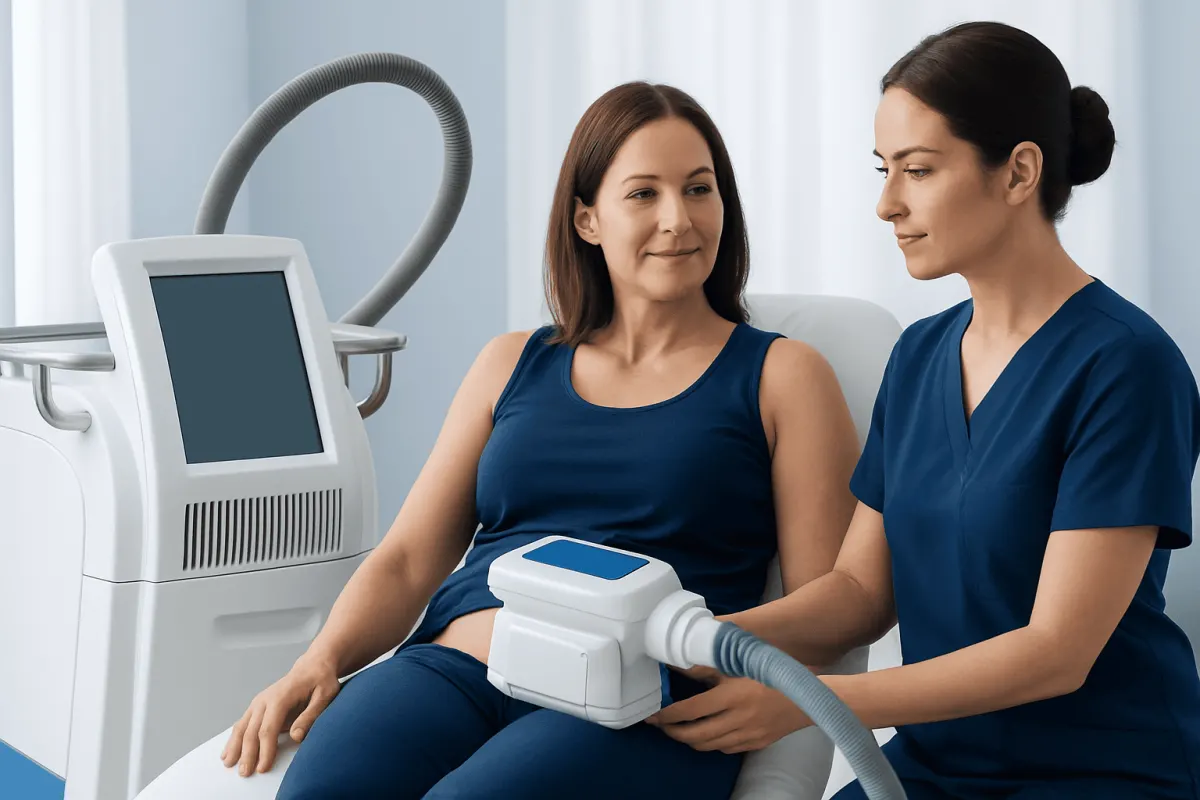
The people who tend to benefit most are those with clearly defined, limited areas of excess fat. Common examples include lower abdominal fullness, love handles, inner or outer thigh bulges, back fat, or fullness under the chin. These areas may remain even in people who exercise regularly and maintain a balanced diet.
Another important factor is weight stability. Candidates who have maintained a fairly steady weight for several months often get more predictable contouring results. If someone is actively gaining or losing weight, the final shape after treatment may be harder to judge.
Good candidates also usually have realistic expectations. CoolSculpting can reduce stubborn fat in treated areas, but it does not create the same type of change as surgery and it does not tighten significant loose skin. People who understand that results are gradual and subtle-to-moderate are often more satisfied.
- Adults with small to moderate localized fat bulges
- People near a healthy or stable weight
- Those seeking a non-surgical option with little downtime
- People willing to wait several weeks to months for full results
- Individuals with realistic expectations about contour improvement
Who May Not Be the Best Candidate
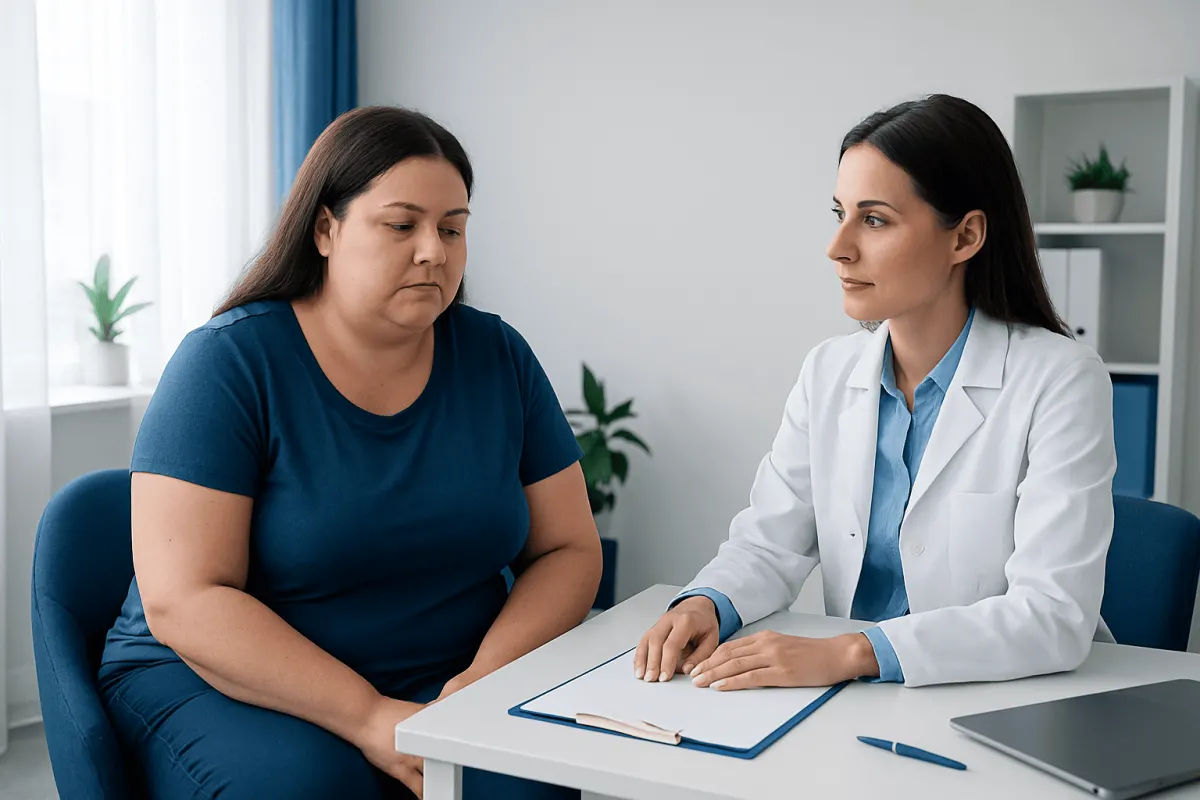
CoolSculpting is not considered a weight-loss treatment. People living with obesity or those hoping for major overall slimming are usually better served by a broader medical plan that may include nutrition support, exercise guidance, or obesity-focused care. If the main concern is a large volume of fat or a desire for more dramatic reshaping, other treatments may be more suitable.
It may also be a poor fit when skin laxity is the main issue. Cooling can target fat cells, but it does not reliably correct significant loose skin, stretched tissues, or separated abdominal muscles. In such situations, a clinician may discuss alternatives including surgical body contouring procedures for a more comprehensive result.
Certain body concerns need a different diagnosis rather than cosmetic fat reduction. For example, enlargement of male breast tissue may be related to glandular tissue rather than simple fat, which can require separate evaluation for gynecomastia. Similarly, areas affected by active skin problems, poor healing, or scar-related conditions such as keloid scars may need careful review before any aesthetic treatment is considered.
Medical and Safety Considerations
A medical history is an important part of deciding whether someone is a suitable CoolSculpting candidate. The treatment may not be appropriate for people with cold-sensitive conditions because it works by exposing tissue to low temperatures. Examples can include cryoglobulinemia, cold agglutinin disease, or paroxysmal cold hemoglobinuria. A person with one of these conditions should discuss alternatives with a qualified clinician.
Pregnancy is generally considered a time to postpone elective body contouring treatments. People who have an active infection, open wounds, reduced sensation in the treatment area, or certain nerve-related symptoms may also need to wait or choose another option. Recent surgery in the area, implanted medical devices nearby, or a hernia may affect whether treatment can be performed safely.
It is also important to discuss any history of unusual swelling, delayed healing, severe bruising, or prior procedures in the area. A careful exam helps the clinician understand whether a visible bulge is truly fat or whether it may relate to scar tissue, muscle weakness, a lump, or another condition that should be evaluated first.
What Areas Can Be Treated and What Results to Expect
CoolSculpting is commonly used on areas where fat can be drawn into a treatment applicator or otherwise targeted effectively, depending on the device and applicator type. Frequently treated areas include the abdomen, flanks, thighs, upper arms, back, bra-line area, under the buttocks, and under the chin. Not every body area is suitable, and the shape of the bulge matters as much as its size.
Results do not appear immediately. After treatment, the body gradually clears some of the affected fat cells over the following weeks and months. Many people start to notice change within several weeks, with fuller results often becoming more visible later. Some individuals benefit from more than one session, especially if the goal is further refinement.
Expectations should remain realistic. CoolSculpting can improve contour, but it does not guarantee complete fat removal or perfect symmetry. Skin quality, age, metabolism, and the thickness of the fat layer all influence the final outcome. People seeking more substantial reshaping may be advised to explore options such as cosmetic aesthetic surgery when non-surgical treatment is unlikely to achieve the desired change.
How Doctors Decide if Someone Qualifies
A consultation usually begins with questions about goals, weight history, previous procedures, current health conditions, and medications. The clinician will examine the treatment area, assess skin tone and thickness of the fat layer, and determine whether the bulge can be safely and effectively treated. Photographs may be taken to help compare progress over time.
The doctor also checks whether the patient’s expectations match what CoolSculpting can realistically deliver. This matters because satisfaction often depends not only on the physical result but also on having a clear understanding of what the procedure can and cannot do. If the desired result is beyond the likely benefit of cooling-based fat reduction, the clinician should say so openly.
Sometimes a person may be a partial candidate rather than an ideal one. For example, one area may respond well while another may need a different strategy. In that case, the care plan may include lifestyle measures, observation, or other aesthetic options. The purpose of consultation is not simply to approve treatment, but to choose the safest and most appropriate path for the individual.
Preparing for Treatment and Supporting Results
People who are considered good candidates can help support the best possible outcome by entering treatment at a stable weight and with clear goals. Keeping expectations practical is important: CoolSculpting is best seen as a contouring tool that complements healthy habits. It does not prevent future weight gain, and untreated fat cells can still enlarge if lifestyle patterns change.
Before treatment, patients are often advised to share their full medical history and ask about expected sensations, possible side effects, and recovery. Temporary redness, swelling, bruising, tenderness, numbness, or firmness in the treated area can occur. Most effects settle with time, but patients should know what is normal and when to contact their provider.
After treatment, ongoing self-care matters. A balanced diet, regular physical activity, hydration, and good sleep can help maintain body shape over time. For people considering broader reshaping goals, a clinician may discuss how non-surgical treatment compares with options such as abdominal contouring procedures in appropriate cases.
When to Seek Professional Advice
Anyone thinking about CoolSculpting should seek professional advice before booking treatment, especially if they have a medical condition, previous surgery in the area, or uncertainty about whether the bulge is truly fat. A qualified doctor can identify situations in which another treatment would be safer or more effective.
Medical advice is also important if body shape changes suddenly, a lump feels firm or painful, the skin shows signs of infection, or swelling does not behave like a simple fatty bulge. These features deserve assessment rather than cosmetic treatment alone. Seeking expert guidance helps avoid disappointment and supports safe decision-making.
For patients who are exploring aesthetic care across borders, Acıbadem Health Point’s multidisciplinary specialists in JCI-accredited hospitals assess suitability for body contouring treatments and related procedures for international patients. The most appropriate plan is always based on individual anatomy, health status, and treatment goals.
Frequently asked questions
01Is CoolSculpting for weight loss?
No. CoolSculpting is intended for reducing localized fat bulges and improving body contour, not for overall weight loss. People looking for large-scale weight reduction usually need a broader medical and lifestyle approach.
02How close to ideal weight should a person be to qualify?
There is no single number that fits everyone, but the best candidates are often close to a stable, comfortable weight and mainly bothered by specific stubborn areas. A consultation helps determine whether the concern is suitable for contouring rather than weight management treatment.
03Can someone with loose skin still be a good candidate?
Sometimes, but it depends on how much loose skin is present and whether fat is the main issue. CoolSculpting reduces fat; it does not reliably correct significant skin laxity. If sagging skin is the primary concern, another treatment may be recommended.
04Are the results immediate?
No. Results usually develop gradually as the body processes the treated fat cells over several weeks to months. Some people notice earlier changes, while others need more time or additional sessions for fuller improvement.
05Who should avoid CoolSculpting?
People with certain cold-related medical conditions, active skin infection in the area, or other contraindications may not be suitable candidates. Pregnancy and some recent surgeries or untreated hernias may also lead a doctor to postpone or avoid treatment.
06Can exercise and diet replace CoolSculpting?
Healthy eating and regular exercise are the foundation of body weight and shape management, and they remain essential. However, some people still have localized fat pockets despite good habits, which is where CoolSculpting may be considered.
07How can someone know if they are a good CoolSculpting candidate?
The most reliable way is to have an in-person assessment with a qualified clinician. The doctor can examine the area, review medical history, discuss goals, and explain whether CoolSculpting or another option is likely to be the better fit.
This article is for general information only and is not a substitute for professional medical advice. Please consult a qualified doctor about your individual situation.
Medical weight-loss options in Turkey — costs & eligibility
JCI-accredited · board-certified surgeons · reply within 24h
Add us as a Preferred Source to see more of our trusted health content across Google Search, AI Overviews and Discover.