Which Sedation Is Best for a Colonoscopy?

The best sedation for colonoscopy is not the same for everyone. Moderate sedation and propofol-based deep sedation are both commonly used, and the safest choice depends on medical history, airway and breathing risks, medications, the planned procedure and personal preferences.
Overview: choosing the best sedation for colonoscopy
The best sedation for colonoscopy is the one that provides appropriate comfort while fitting the person’s medical needs and the complexity of the examination. For many people, this means either moderate sedation, which produces relaxation and drowsiness while they may still respond to instructions, or propofol-based deep sedation, which usually produces a deeper sleep-like state and faster recovery of alertness.
There is no universally “best” drug or approach. A gastroenterologist, anesthesia professional or sedation-trained clinical team reviews factors such as heart and lung health, sleep apnea, body weight, current medicines, alcohol or substance use, allergies, past anesthesia problems and the possibility that a longer procedure may be needed. The discussion should also include the person’s anxiety level, pain concerns and preference for being more or less aware.
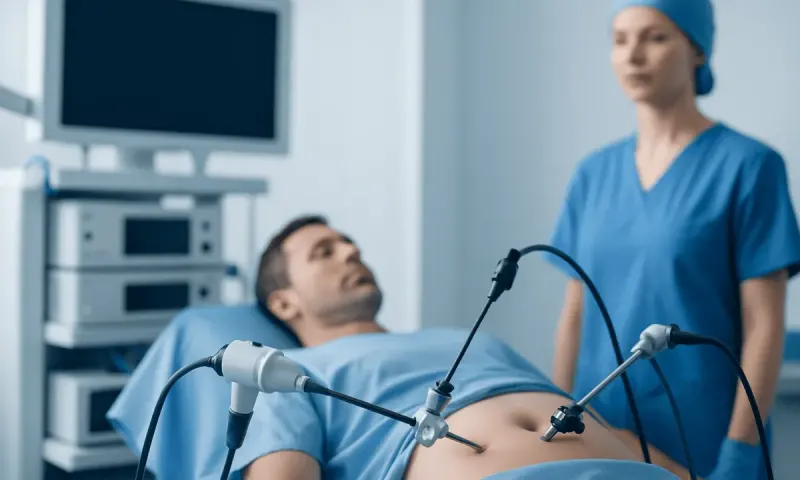
Colonoscopy is an important test used to examine the large intestine, investigate symptoms and prevent colorectal cancer by finding and removing certain polyps. Sedation helps many people complete the procedure comfortably, but the bowel preparation and the quality of the examination remain equally important.
Sedation options and how they differ
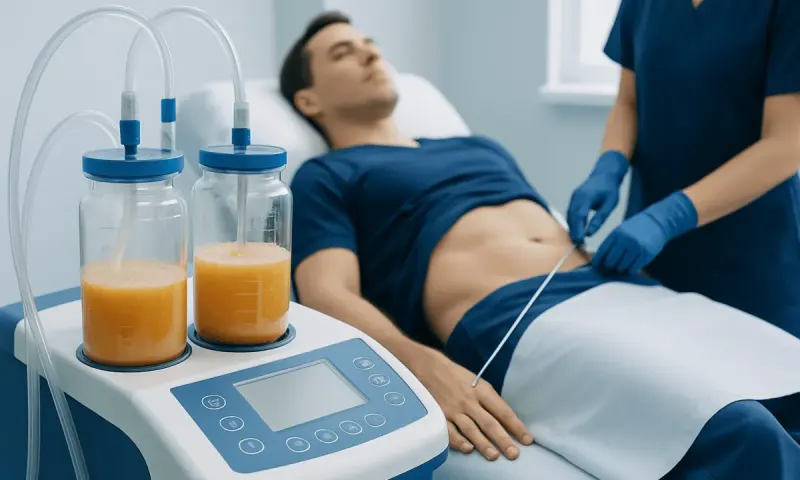
Moderate sedation is often given through a vein using medicines that reduce anxiety and discomfort. A person may feel sleepy, relaxed and less aware of the procedure, yet may breathe independently and respond when spoken to or gently stimulated. Memory of the examination may be limited. Recovery can take longer than with propofol for some individuals.
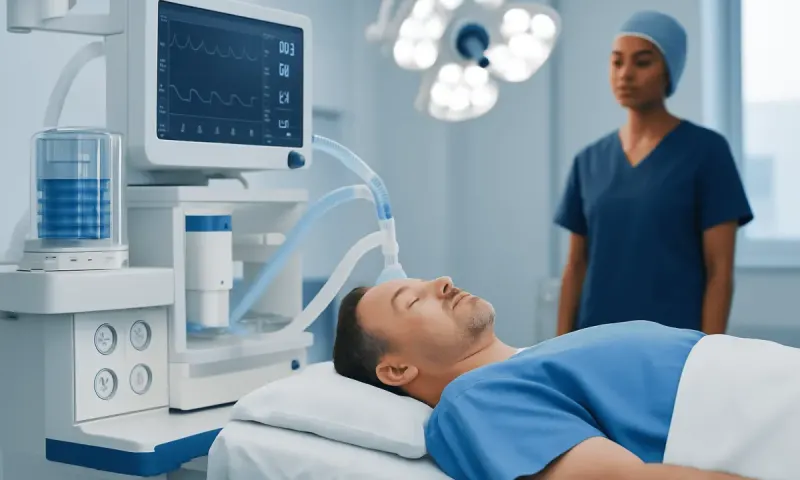
Propofol-based deep sedation is commonly administered by an anesthesia professional or another appropriately trained clinician, according to local practice. It acts quickly and many people wake up relatively promptly after the procedure. However, because it can more strongly reduce awareness and affect breathing or blood pressure, continuous monitoring and staff prepared to support the airway are essential.
Some colonoscopies are performed with little or no sedation. In certain settings, inhaled analgesia or other comfort measures may also be available. The right approach should be agreed before the appointment, with the understanding that the plan can occasionally change if the procedure becomes more technically difficult or additional treatment is needed.
- Moderate sedation: may suit people who want to remain somewhat responsive.
- Deep sedation with propofol: may suit people who strongly prefer minimal awareness or are expected to need a longer procedure.
- No sedation: may suit selected people who prefer rapid discharge without sedative after-effects and accept possible discomfort.
What is the safest sedation for colonoscopy?
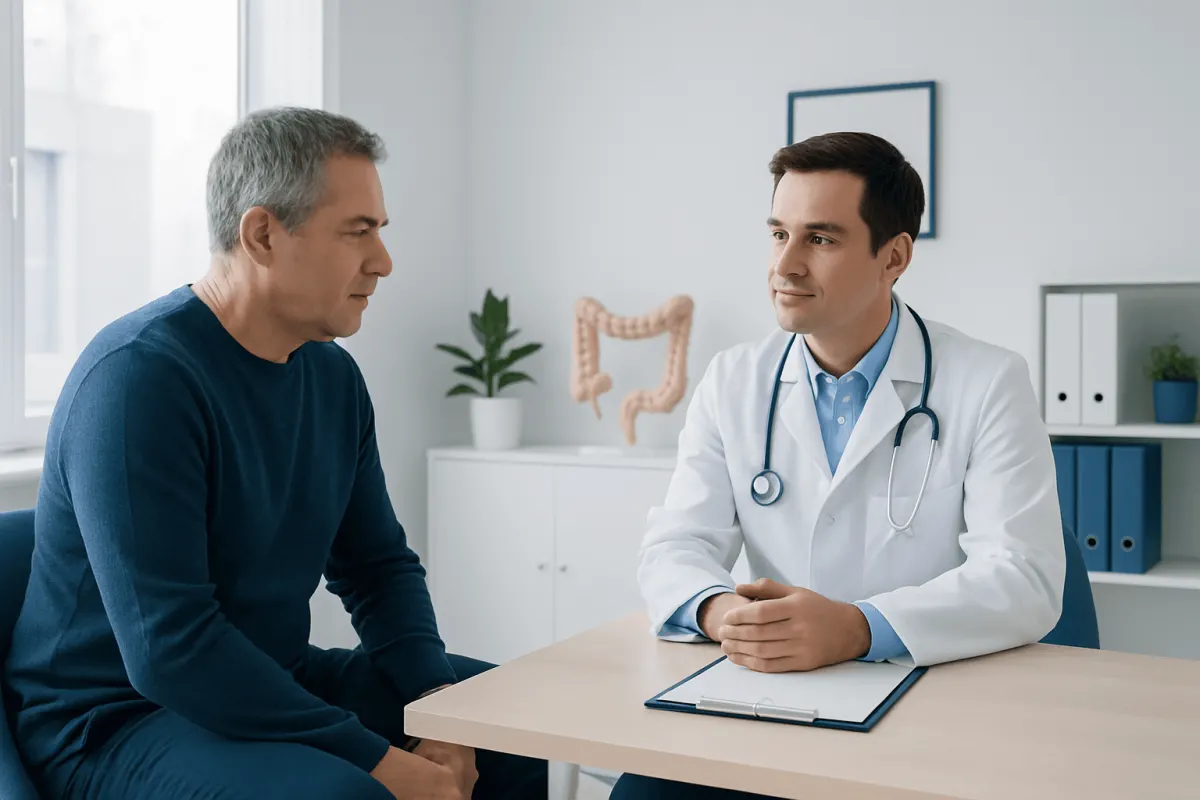
The safest sedation for colonoscopy is an individualized plan, not a single medicine that is best for every person. Both moderate sedation and propofol-based deep sedation can be used safely when the patient is appropriately assessed, monitored throughout the procedure and cared for by qualified clinicians in a properly equipped setting.
Safety starts before the procedure. The clinical team should know about obstructive sleep apnea, chronic lung disease, heart disease, kidney or liver disease, neurological conditions, pregnancy, allergies, prior reactions to anesthesia and all prescribed, over-the-counter and recreational substances. Medicines that cause drowsiness, including some sleep aids, anxiety medicines, pain medicines and alcohol, may increase sedation effects.
People with significant breathing or airway risks, severe medical illness, previous difficult sedation or complex procedure needs may benefit from an anesthesia consultation. During colonoscopy, staff monitor oxygen levels, breathing, blood pressure, heart rate and level of consciousness. Patients should follow fasting instructions exactly, as eating or drinking too close to sedation can increase the risk of aspiration.
What is the easiest colonoscopy prep to tolerate?
The easiest colonoscopy prep to tolerate is usually the one a person can complete fully while following their clinician’s instructions. Split-dose preparation, in which part of the prescribed bowel-cleansing solution is taken the evening before and the remainder closer to the procedure, is widely recommended because it generally cleans the bowel more effectively than taking the full dose at one time.
Different preparations use different ingredients and volumes. A lower-volume option may be easier for some people, but it is not suitable for everyone. Kidney disease, heart failure, liver disease, electrolyte concerns, constipation, Ulcerative Colitis, and Flares" class="ahp-ilk">inflammatory bowel disease, age and regular medicines can affect which preparation is safest. The prescribing team should select the appropriate product and provide specific timing instructions.
Practical measures may improve tolerance: chilling the approved solution, drinking it through a straw if permitted, using clear-liquid chasers allowed by the instructions, and applying protective skin ointment as bowel movements become frequent. People should not substitute a preparation, add laxatives or alter the timing without clinical advice. Clear stool that is yellowish liquid, without solid particles, often indicates effective cleansing, but the center’s instructions take priority.
Is it worth being sedated for a colonoscopy?
For many people, sedation is worth considering because it can reduce anxiety, discomfort and awareness of the procedure. It may help the endoscopist perform a careful examination, particularly if the bowel is difficult to navigate, the person has had painful prior procedures or treatment such as polyp removal is anticipated.
However, sedation also requires preparation and recovery planning. A sedated person usually needs a responsible adult to take them home, should not drive, operate machinery, drink alcohol or make important legal or financial decisions for the rest of the day. Temporary grogginess, nausea, low blood pressure or breathing changes can occur, which is why monitoring is important.
Choosing sedation is a personal and clinical decision. A person who is very anxious, has previously experienced significant discomfort, or is undergoing a potentially longer examination may prefer deeper sedation. Someone who wants to return to normal activities sooner and is comfortable with the possibility of pressure or cramping may consider less sedation or no sedation if their clinician agrees.
Can you tolerate a colonoscopy without sedation?
Yes, some people can tolerate a colonoscopy without sedation. The experience varies widely: many describe pressure, bloating, a need to pass gas or brief cramping as the scope moves through turns in the colon. Others find these sensations too uncomfortable, particularly if the procedure is prolonged or the colon is difficult to examine.
Unsedated colonoscopy may be a reasonable option for someone who prefers to avoid sedating medicines, needs to drive or resume activities sooner, or has a medical reason to minimize sedation. It is important to discuss this choice beforehand, because the facility’s usual practices and local regulations may differ. Some centers can offer an approach that uses minimal medication rather than no medication at all.
Simple comfort measures may help, including calm breathing, changing position when requested and communicating openly with the team. Patients should ask in advance whether sedation can be given during the procedure if discomfort becomes difficult to manage. The priority is a complete, safe examination rather than trying to endure distress.
Preparing safely and recovering after colonoscopy
Before colonoscopy, patients should provide a complete medication list. Blood thinners, diabetes medicines, iron supplements, certain weight-management medicines and medicines affecting blood pressure may need individualized instructions. They should never stop or change a prescribed medicine independently. The endoscopy team can coordinate with the prescribing clinician when needed.
Fasting guidance differs according to the procedure time and sedation plan. Patients should follow the center’s written instructions about solid food, clear liquids and when to stop drinking. They should also arrange transport home if receiving sedation, even if they feel alert soon after the procedure.
Afterward, mild bloating or passing gas is common because air or carbon dioxide is used to expand the colon for viewing. People should rest, drink fluids as advised and resume meals according to their discharge instructions. Acıbadem Health Point’s multidisciplinary specialists and JCI-accredited hospitals support international patients needing diagnostic colonoscopy and individualized sedation planning.
When to seek medical care
Patients should contact their endoscopy team promptly if they have questions about bowel preparation, fasting, medicines or whether a new illness could affect the appointment. They should report symptoms such as fever, vomiting, worsening cough, chest symptoms or a recent significant change in health before arriving, because postponing a procedure can sometimes be safer.
After colonoscopy, urgent medical assessment is appropriate for severe or worsening abdominal pain, a hard or markedly swollen abdomen, persistent vomiting, fever, fainting, shortness of breath, chest pain or heavy rectal bleeding. A small amount of bleeding can occur after removal of a polyp, but the discharge team should explain what is expected and when to seek help.
Anyone who has prolonged drowsiness, difficulty waking, trouble breathing or confusion after sedation should receive urgent attention. For life-threatening symptoms, local emergency services should be contacted immediately rather than waiting for a routine call back.
Frequently asked questions
01What is the best sedation for colonoscopy?
The best sedation for colonoscopy depends on the person’s health, procedure needs and preferences. Moderate sedation and propofol-based deep sedation are common choices, and both require appropriate monitoring. A pre-procedure assessment helps the clinical team recommend the safest option.
02Does propofol make a person completely unconscious during colonoscopy?
Propofol is often used to achieve deep sedation, meaning the person is usually asleep or minimally responsive during the procedure. This is different from general anesthesia, although levels of sedation can vary. Breathing, oxygen level, blood pressure and heart rate are monitored continuously.
03Is moderate sedation enough for a colonoscopy?
For many people, moderate sedation provides enough relaxation and pain control to complete colonoscopy comfortably. Some remain able to respond to simple instructions but may remember little of the procedure afterward. If prior procedures were difficult or anxiety is high, a different plan may be considered.
04How long does sedation last after a colonoscopy?
The strongest effects usually wear off in the recovery area, but judgment, coordination and reaction time can remain affected for the rest of the day. For this reason, patients should arrange a responsible adult to take them home after sedated colonoscopy. They should follow the facility’s specific instructions about work, driving and alcohol.
05Can a person drive home after an unsedated colonoscopy?
In many cases, a person who has not received sedating medication may be able to drive home, but policies differ between facilities and countries. The person should confirm this in advance with the endoscopy center. If any sedative, opioid pain medicine or medication that impairs alertness is given, they should not drive.
06Does bowel preparation affect whether sedation works?
Bowel preparation does not usually determine how sedation works, but it strongly affects how well the colon can be examined. Inadequate cleansing can obscure polyps or other findings and may lead to an incomplete procedure or earlier repeat test. Completing the prescribed preparation and hydration plan is therefore essential.
This article is for general information only and is not a substitute for professional medical advice. Please consult a qualified doctor about your individual situation.
Persistent digestive symptoms? Get evaluated in Turkey
JCI-accredited · board-certified surgeons · reply within 24h
Add us as a Preferred Source to see more of our trusted health content across Google Search, AI Overviews and Discover.