Best Alcoholic Drinks for Gastric Sleeve Patients: How to Choose Safely

There is no truly “best” alcoholic drink after gastric sleeve surgery because alcohol can be absorbed faster, affect judgment sooner, irritate the stomach, and add calories without nutrition. During recovery, patients should avoid alcohol completely; if their bariatric team later agrees it is appropriate, the safest approach is an occasional small serving of a non-carbonated, low-sugar drink consumed slowly with food.
Overview: Alcohol Choices After Gastric Sleeve
The best alcoholic drinks for gastric sleeve patients are, medically speaking, no alcoholic drinks during recovery and only very limited alcohol later if a bariatric clinician confirms it is appropriate. Gastric sleeve surgery, also called sleeve gastrectomy, permanently reduces the size of the stomach. This changes meal patterns, hydration needs, and the way the body may respond to alcohol.
When alcohol is eventually permitted, there is no drink that is risk-free or universally suitable. A small amount of a non-carbonated, low-sugar beverage is generally less likely to cause bloating or a rapid sugar load than beer, sparkling wine, cocktails, or sweet liqueurs. However, a person’s medical history, medications, nutritional status, and relationship with alcohol matter more than the specific drink chosen.
Alcohol contains calories but provides little nutritional value. In the months after surgery, patients need to prioritize protein, fluids, vitamins, and minerals while their eating pattern becomes established. Alcohol can also make it harder to recognize fullness, follow a nutrition plan, or make balanced food choices.
How Gastric Sleeve Surgery Works
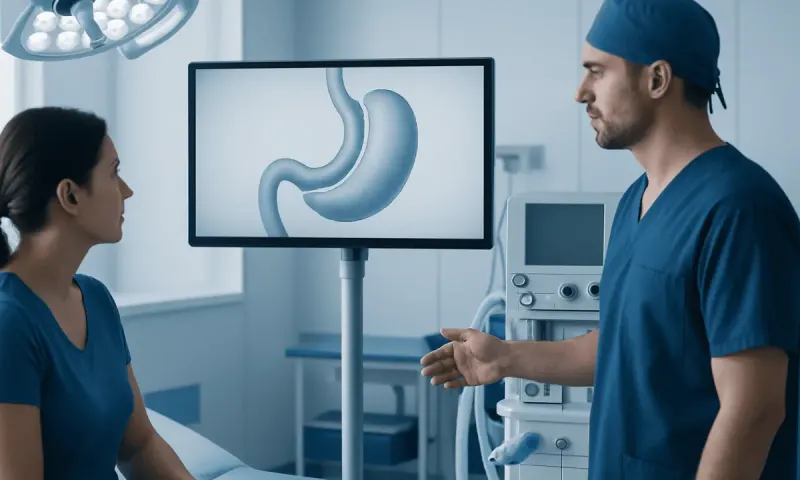
Gastric sleeve surgery removes a large portion of the stomach, leaving a narrow, tube-shaped stomach. The smaller stomach limits the volume of food that can be eaten at one time and can influence hormones involved in appetite and fullness. It is a commonly used bariatric procedure for people whose weight is affecting their health and who have not achieved sufficient results with non-surgical weight-management measures.
Suitability is assessed individually. A bariatric team considers body weight, obesity-related health conditions, previous treatments, eating patterns, psychological wellbeing, readiness for long-term follow-up, and the ability to follow nutrition recommendations. The surgery is not a quick fix; it is one part of an ongoing plan involving dietary changes, physical activity, medical monitoring, and emotional support.
The procedure is usually performed under general anesthesia using minimally invasive techniques. The surgeon makes several small abdominal incisions, uses surgical instruments and a camera to remove part of the stomach, and creates the sleeve-shaped stomach. Patients then follow a staged diet, progressing from liquids to pureed foods and eventually to carefully portioned solid foods as advised by their team. Patients considering the operation can learn more about gastric sleeve surgery.
Recovery Timeline, Benefits, and Risks

Recovery varies, but the earliest weeks focus on healing, preventing dehydration, meeting protein goals, and gradually tolerating prescribed food textures. Patients are commonly asked to take small sips throughout the day, avoid drinking with meals, and attend follow-up appointments. Alcohol is generally not appropriate during this period because it can irritate healing tissue, contribute to dehydration, and interfere with recovery nutrition.
Many patients return to light daily activities within a short period, while dietary progression and adjustment to new eating habits continue for months. Follow-up commonly includes monitoring weight change, nutritional blood tests, medications, reflux symptoms, and emotional wellbeing. The bariatric team determines when each person can safely introduce particular foods, drinks, and activities.
Potential benefits of sleeve gastrectomy include substantial weight loss and improvement in weight-related health concerns for many eligible patients. Risks can include bleeding, infection, blood clots, leaks along the surgical staple line, narrowing of the stomach, reflux, gallstones, nutritional deficiencies, and weight regain. Long-term follow-up is important because healthy outcomes depend on consistent nutrition, supplementation when prescribed, and lifestyle support.
What Is the Best Alcoholic Drink to Drink After Gastric Sleeve Surgery?
The safest answer is that no alcohol is best during the recovery phase and until the surgeon or bariatric dietitian provides individualized permission. Programs differ, but many advise avoiding alcohol for several months or longer after surgery. Patients should not use a general timeline from the internet as a substitute for their own care plan.
If alcohol is later approved, a small serving of a non-carbonated, low-sugar option may be less troublesome than fizzy or sweet drinks. Examples may include a small glass of still dry wine or a small measure of a spirit diluted with water or another non-carbonated, sugar-free mixer. These examples are not an endorsement to drink and are not safe for everyone.
Beer, cider, champagne, sparkling wine, sugary mixed drinks, frozen cocktails, and cream-based drinks are often poor choices after gastric sleeve surgery. Carbonation may cause pressure, pain, belching, or bloating in the smaller stomach. Sweet alcoholic drinks can add substantial calories and may trigger nausea, shakiness, sweating, diarrhea, or a rapid heartbeat in some people.
- Wait for explicit clearance from the bariatric team.
- Never drink on an empty stomach.
- Choose a small portion and sip slowly.
- Do not combine alcohol with driving, sedatives, opioid pain medicines, or sleep medications.
- Stop if discomfort, flushing, nausea, dizziness, or rapid intoxication occurs.
Which Alcohol Is Easiest on the Stomach?
No type of alcohol is automatically easy on the stomach after gastric sleeve surgery. Alcohol itself can irritate the stomach lining, worsen heartburn or reflux, and increase the chance of nausea or vomiting. It may also enter the bloodstream more quickly after bariatric surgery, so a drink that seemed tolerable before surgery can feel much stronger afterward.
If a clinician has approved alcohol, non-carbonated and low-sugar options are often better tolerated than carbonated or sweet alternatives. Still, tolerance varies greatly. High-proof alcohol can be harsh even when diluted, and mixing alcohol with caffeine or energy drinks can mask intoxication and increase health risks.
People with reflux, stomach pain, ulcers, liver disease, diabetes, a history of pancreatitis, or concerns about alcohol use should discuss alcohol directly with their clinician. Alcohol may aggravate gastroesophageal reflux disease and can make symptom control more difficult. For some patients, avoiding alcohol long term is the healthiest option.
Can I Ever Drink Alcohol After Gastric Sleeve?
Some patients may be able to drink alcohol occasionally after they have healed and received individualized approval from their bariatric team. Others may be advised to avoid it permanently or for a longer period because of medical conditions, medications, nutrition concerns, previous alcohol-related difficulties, or complications after surgery.
Alcohol metabolism can change following bariatric surgery. A smaller amount may produce a faster or stronger effect than expected, which raises the risk of impaired judgment, falls, accidents, and unintentional overconsumption. Alcohol also contributes calories without supporting protein or micronutrient needs, which can work against long-term weight-management goals.
Alcohol use deserves particular care because some people develop a new or increased vulnerability to alcohol problems after bariatric surgery. Anyone noticing cravings, loss of control, drinking to cope with stress, hiding alcohol use, or negative effects on relationships or responsibilities should seek nonjudgmental support from a healthcare professional. Early help is effective and can protect both physical and emotional health.
What Is the 30/30 Rule After Gastric Sleeve?
The 30/30 rule after gastric sleeve generally means not drinking fluids for about 30 minutes before a meal and waiting about 30 minutes after eating before drinking again. This approach helps prevent the small stomach from becoming overly full and can reduce discomfort, regurgitation, and the tendency for liquids to push food through the stomach too quickly.
By separating liquids from meals, patients can focus on eating protein-rich foods first and may feel fuller for longer. It can also help protect the limited space available for nutrient-dense food. The exact timing may differ among bariatric programs, so patients should follow the instructions given by their surgeon and dietitian.
The rule applies to all fluids, including water, coffee, tea, and alcohol. It does not make alcohol safe, and it should never be used to justify drinking before a clinician has approved it. Hydration remains essential, so fluids should be taken in regular small sips between meals according to the care plan.
When to Seek Medical Care
Patients should contact their bariatric team promptly if they have persistent vomiting, cannot keep fluids down, signs of dehydration, severe or worsening abdominal pain, fever, black stools, vomiting blood, chest pain, shortness of breath, or fainting. These symptoms may not be caused by alcohol, but they need timely medical assessment after surgery.
Medical advice is also important if alcohol triggers repeated heartburn, painful swallowing, severe nausea, diarrhea, palpitations, confusion, or unusually rapid intoxication. A clinician can review possible causes, including reflux, dehydration, medication interactions, nutritional issues, or alcohol sensitivity after surgery.
Acıbadem Health Point’s multidisciplinary specialists and JCI-accredited hospitals support international patients with assessment, bariatric treatment, and follow-up planning. Individual recommendations about alcohol should always come from the treating bariatric surgeon, dietitian, or physician who understands the patient’s recovery and health history.
Frequently asked questions
01How long should I wait to drink alcohol after gastric sleeve surgery?
The appropriate waiting period differs between patients and bariatric programs, but alcohol is generally avoided for months after surgery and until healing, hydration, and nutrition are stable. A patient should wait for direct approval from their surgeon or bariatric dietitian rather than relying on a fixed online timeline.
02What is the best alcoholic drink to drink after gastric sleeve surgery?
There is no risk-free alcoholic drink after gastric sleeve surgery. If alcohol is approved later, a small, non-carbonated, low-sugar option may be better tolerated than beer, sparkling drinks, or sweet cocktails, but individual medical advice remains essential.
03Which alcohol is easiest on the stomach after gastric sleeve?
No alcohol is inherently gentle on the stomach after surgery. Non-carbonated, low-sugar drinks may cause fewer symptoms for some people, while fizzy, sugary, creamy, and high-proof drinks are more likely to cause discomfort, bloating, reflux, or rapid intoxication.
04Can I ever drink alcohol after gastric sleeve?
Some people can drink an occasional small amount after complete recovery and approval from their bariatric team. Others should avoid alcohol because of reflux, medication interactions, liver disease, diabetes, nutritional concerns, or an elevated risk of alcohol-use problems.
05What is the 30/30 rule after gastric sleeve?
The 30/30 rule usually means avoiding fluids for 30 minutes before meals and for 30 minutes after meals. It helps preserve stomach space for food, supports fullness, and may reduce discomfort, but patients should follow the specific instructions of their bariatric program.
06Why does alcohol affect me more after gastric sleeve surgery?
After gastric sleeve surgery, alcohol may move through the smaller stomach and be absorbed more quickly. This can cause blood alcohol levels and intoxication effects to rise faster than expected, even after a small amount.
This article is for general information only and is not a substitute for professional medical advice. Please consult a qualified doctor about your individual situation.
Medical weight-loss options in Turkey — costs & eligibility
JCI-accredited · board-certified surgeons · reply within 24h
Add us as a Preferred Source to see more of our trusted health content across Google Search, AI Overviews and Discover.