Which Hair Transplant Technique Is Best for You?
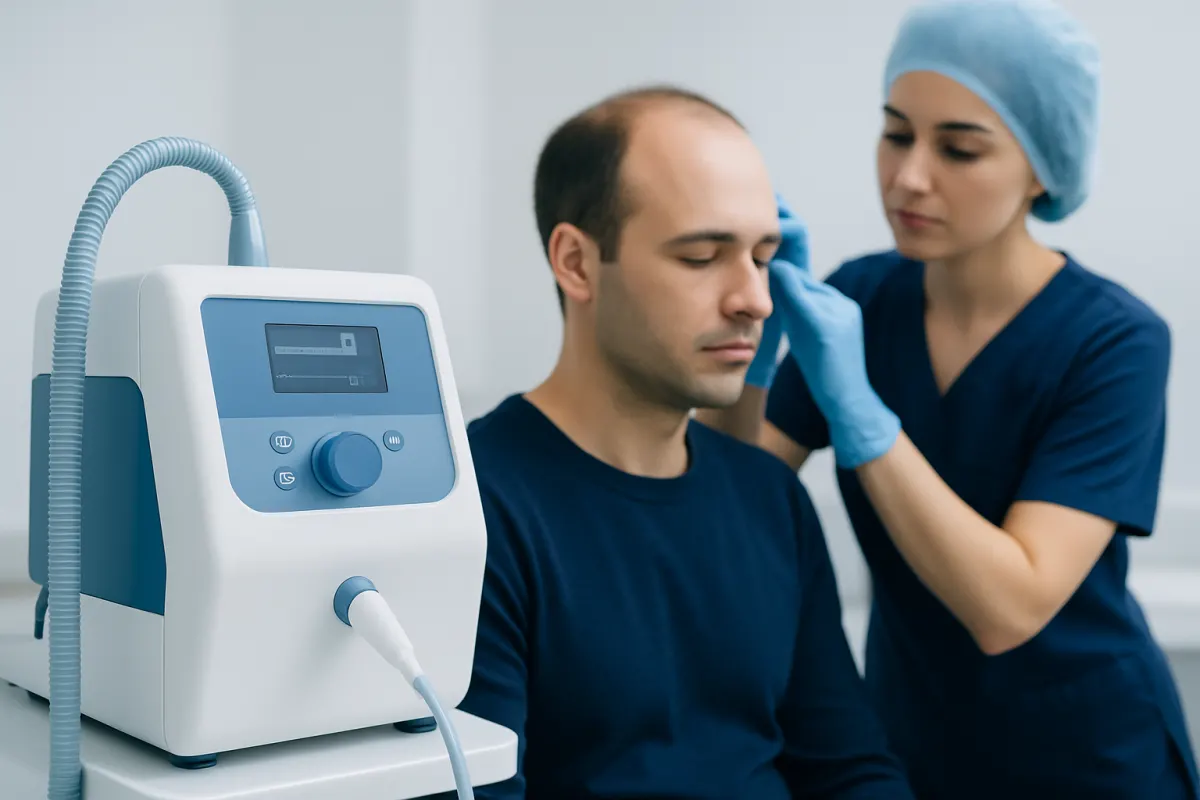
The best technique for hair transplant is not the same for every person. Follicular unit extraction (FUE) and follicular unit transplantation (FUT) can both provide natural-looking, lasting results when the method is matched to the person’s pattern of hair loss, donor hair supply, scalp characteristics, and long-term goals.
Overview: choosing the best hair transplant technique
What is the best technique for hair transplant? For many people, follicular unit extraction (FUE) is a preferred option because it removes individual follicular units and leaves tiny dot-like scars. However, follicular unit transplantation (FUT), also called strip surgery, may be the better choice when a larger number of grafts is needed and a person is comfortable with a fine linear scar that can be concealed by longer hair.
There is no single best method for hair transplant or best procedure for hair loss. The right method is selected after assessing the cause and stability of hair loss, donor-area density, hair texture, scalp flexibility, desired hairstyle, medical history, and expectations. A skilled hair-restoration surgeon’s planning and graft handling are often more important than choosing a technique based on popularity alone.
Hair transplantation is most commonly used for androgenetic alopecia, also known as male- or female-pattern hair loss. It moves genetically more resistant follicles from the back or sides of the scalp to thinning areas, usually along the hairline, temples, or crown. It does not cure hair loss, so a long-term plan may include medical treatment where appropriate.
How FUE and FUT hair transplantation work
Both techniques transplant naturally occurring groups of one to four hairs, called follicular units. These grafts are taken from the donor area, prepared under magnification, and placed into tiny recipient sites that are designed to follow the natural direction, angle, and density of hair growth.
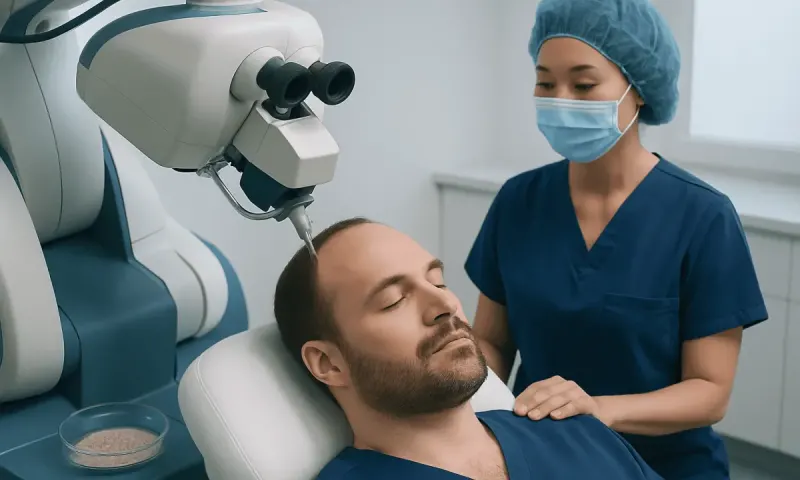
With FUE, the surgical team extracts follicular units one at a time using a small punch instrument. The donor area is usually trimmed short, although selected patients may qualify for more limited shaving approaches. FUE can be useful for people who prefer short hairstyles or who may need flexibility in choosing donor areas.
With FUT, a narrow strip of scalp is removed from the donor region. The incision is closed, and the strip is divided into individual follicular-unit grafts. FUT can efficiently yield many grafts in one session, but it leaves a linear scar. Neither method is automatically better: the best way to transplant hair is the one that preserves donor resources while meeting present and future coverage needs.
Robotic devices, sapphire blades, platelet-rich plasma, and other additions may be offered in some settings, but they do not replace careful diagnosis, surgeon-led planning, or appropriate graft placement. Patients should ask what evidence supports any proposed add-on treatment.
Candidacy and planning for lasting results

Good candidates usually have a confirmed diagnosis of hair loss, sufficient healthy donor hair, realistic expectations, and stable general health for an outpatient procedure. A consultation should include scalp and hair examination, review of family history, medication use, previous procedures, and discussion of whether the hair loss is continuing.
Hair transplantation may not be suitable until the cause is clarified when shedding is sudden, patchy, painful, itchy, or associated with redness and scaling. Conditions such as alopecia areata, scarring alopecia, thyroid disorders, nutritional deficiencies, or medication-related shedding require different evaluation and treatment. A dermatologist can help distinguish these causes from pattern hair loss.
Age alone does not determine suitability. In younger adults with rapidly progressing hair loss, surgeons may recommend waiting, using medical therapy first, or planning a conservative hairline. This helps avoid using too much donor hair before the future pattern of thinning is clearer.
The best method of hair restoration may combine surgery with non-surgical care. Depending on the diagnosis and the person’s health, a clinician may discuss topical or oral medicines, low-level light therapy, or treatment of an underlying condition. These options can help protect existing hair but should be prescribed or recommended individually.
Hair transplant procedure: step by step
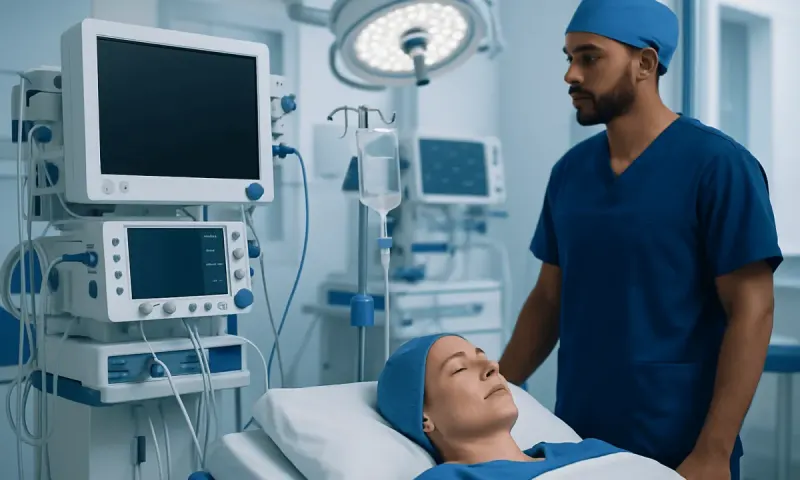
Before the procedure, the clinician confirms the treatment plan, photographs the scalp, designs the hairline or coverage pattern, and gives instructions about medicines, smoking, alcohol, and scalp care. Local anesthesia is typically used, and most people remain awake during the procedure.
First, follicles are collected through FUE or FUT. The grafts are then inspected, sorted, and kept in conditions intended to protect them until placement. Meanwhile, the surgeon makes small recipient sites in the thinning area. The site design determines the direction and natural appearance of the growing hair.
Next, grafts are placed with attention to hairline softness, density distribution, and coverage priorities. Single-hair grafts are often placed at the front of the hairline, while grafts containing more hairs may be used behind it to build fullness. The procedure can take several hours, and some people need more than one session depending on the extent of hair loss and available donor supply.
Patients considering hair transplant treatment should ask who will perform each stage of the procedure, how graft numbers are estimated, and how the plan accounts for future hair loss. Clear answers support informed consent and realistic expectations.
Recovery timeline, benefits, and possible risks
In the first days after surgery, mild swelling, tenderness, tightness, or small scabs can occur. The care team provides washing instructions and advice on sleep position, exercise, sun exposure, and when to return to work. Most people can resume light daily activities relatively soon, but strenuous activity is commonly restricted for a short period.
Transplanted hairs often shed within the first few weeks. This is expected and does not mean the follicles have failed. New growth commonly begins after several months, becomes more noticeable over time, and may continue to mature for 12 to 18 months. Crown areas can appear to develop more slowly than the frontal hairline.
Potential benefits include more natural hairline framing, improved coverage in selected areas, and transplanted hair that can continue growing long term. Results vary, and surgery cannot recreate the density of a full, unaffected scalp. Existing non-transplanted hair may still thin over time.
Possible risks include bleeding, infection, temporary numbness, swelling, visible scarring, folliculitis, uneven growth, poor graft growth, and an unnatural-looking density or hairline if planning is inadequate. “Shock loss,” or temporary shedding of nearby existing hair, can also occur. Choosing a qualified clinician and following aftercare advice helps reduce avoidable risks.
What I wish I knew before a hair transplant?
Many people wish they had known that a hair transplant is a long-term planning decision rather than an instant solution. The transplanted follicles are redistributed from a limited donor supply, so an overly low or dense hairline may not remain appropriate if hair loss progresses later.
It is also important to know that the final result takes time. Early shedding is normal, visible change is gradual, and the appearance at a few weeks is not the final outcome. Patients should plan around recovery needs and avoid judging the result too early.
A thorough consultation should cover the diagnosis, future hair-loss pattern, expected graft yield, scar location, realistic coverage, potential need for medication, and the possibility of future sessions. The best way to get a hair transplant is to prioritize a medically appropriate plan and experienced surgical care over a promised graft count or a rapidly scheduled procedure.
How much do 3,000 hair grafts cost?
The cost of 3,000 hair grafts varies widely by country, clinic, surgical technique, the experience and involvement of the medical team, the complexity of the case, and what follow-up care is included. For this reason, a graft number alone cannot provide a reliable or meaningful price estimate.
Importantly, 3,000 grafts is not automatically the right amount for every person. Grafts may contain different numbers of hairs, and the correct number depends on donor density, the size of the thinning area, hair caliber, curl pattern, contrast between hair and scalp, and the need to conserve donor hair for the future.
Patients should request a written, individualized treatment plan that explains what is included and who performs the surgical steps. Safety, diagnosis, and natural-looking long-term planning should be central considerations rather than price alone.
What did Elon Musk use to regrow his hair?
Elon Musk has not publicly confirmed a specific medical treatment or hair-transplant technique. Images from different periods may suggest changes in hair appearance, but it is not possible to determine the cause or procedure from photographs alone.
Hair restoration is personal medical information. It is best not to assume that a public figure’s appearance represents a particular treatment, technique, or outcome that can be expected by someone else.
For people asking what is the best procedure for hair transplant because of celebrity results, an individual assessment is more useful than comparison. A clinician can explain which options are appropriate for the person’s diagnosis, donor hair, and goals.
What happens 10 years after a hair transplant?
Ten years after a hair transplant, successfully transplanted follicles may still grow because they generally retain characteristics of the donor area. However, the surrounding native hair can continue to thin, particularly in people with progressive pattern hair loss. This can change the overall appearance and may create a contrast between transplanted and non-transplanted areas.
Long-term results depend on the original surgical design, donor-area management, ongoing hair-loss treatment when appropriate, health changes, and the natural progression of hair loss. Some people remain satisfied with one procedure, while others may consider a further session if safe donor hair remains available.
A conservative, age-appropriate hairline and a plan for future thinning are key parts of durable results. Periodic follow-up with a dermatologist or hair-restoration clinician can help address changes before they become more noticeable.
When to seek medical care
People should seek medical assessment before pursuing hair transplantation if hair loss is sudden, patchy, rapidly worsening, or accompanied by scalp pain, itching, scaling, redness, pustules, or scarring. Medical review is also important when hair loss begins after a new medication, illness, major stressor, childbirth, weight change, or dietary restriction.
A consultation is recommended for anyone considering surgery, particularly those with diabetes, bleeding disorders, immune conditions, a history of poor wound healing, or use of medicines that affect bleeding. A qualified clinician can identify treatable causes of shedding and determine whether transplantation is safe and suitable.
Acıbadem Health Point’s multidisciplinary specialists and JCI-accredited hospitals can assess hair loss and discuss individualized treatment options for international patients. The aim should be a diagnosis-led plan that supports scalp health and realistic, long-term hair-restoration goals.
Frequently asked questions
01Is FUE better than FUT?
FUE is not always better than FUT. FUE avoids a linear scar and may suit people who wear their hair short, while FUT can be efficient when many grafts are needed. The most suitable method depends on donor hair, scalp characteristics, hairstyle preferences, and long-term plans.
02Is a hair transplant permanent?
Transplanted follicles often continue to grow for many years because they are usually taken from areas less affected by pattern hair loss. However, a transplant does not stop further thinning of the person’s existing hair. Ongoing medical management may be recommended to preserve non-transplanted hair.
03Does a hair transplant look natural?
A well-planned transplant can look natural when the hairline, angles, direction, and density are designed carefully. Natural-looking results also depend on matching the plan to the person’s donor supply and future hair-loss pattern. Unrealistically dense placement or an overly low hairline can look less natural over time.
04How long does it take to see results after a hair transplant?
Temporary shedding of transplanted hairs is common in the first weeks after surgery. New growth often starts to become visible after several months, with continued improvement over 12 to 18 months. Individual timelines vary by area treated and personal healing patterns.
05Can women have a hair transplant?
Yes, some women can be good candidates for hair transplantation. A clinician should first identify the cause and pattern of hair loss, because diffuse thinning or certain inflammatory scalp conditions may require non-surgical treatment. Adequate donor density is essential.
06Can a hair transplant fail?
Graft growth can be lower than expected for several reasons, including poor graft handling, infection, smoking, inadequate aftercare, or unrecognized scalp disease. Even when grafts survive, continued loss of native hair can affect the final appearance. Proper assessment and follow-up help reduce these risks.
This article is for general information only and is not a substitute for professional medical advice. Please consult a qualified doctor about your individual situation.
Hair transplant in Turkey — costs, graft counts & a free assessment
JCI-accredited · board-certified surgeons · reply within 24h
Add us as a Preferred Source to see more of our trusted health content across Google Search, AI Overviews and Discover.