Which Earwax Removal Product Is Safe to Use?
The best earwax removal product for most adults with mild wax buildup is a wax-softening ear drop used exactly as directed, followed by gentle rinsing only when appropriate. Ear canals are delicate, so products that scrape, suction, or use excessive water pressure should be approached cautiously.
Best Earwax Removal Product: The Safe First Choice
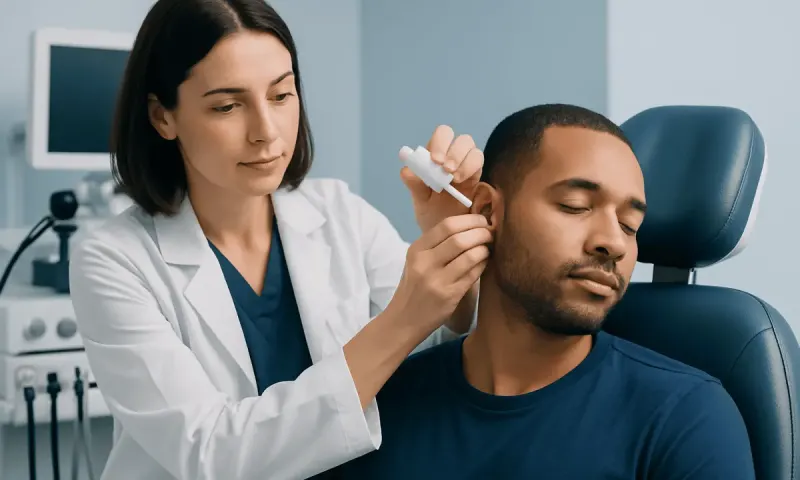
The best earwax removal product is usually a pharmacy ear drop designed to soften wax, used according to its label instructions. Products may contain oil-based softeners, saline, glycerin, hydrogen peroxide, or carbamide peroxide. The right choice depends less on brand popularity and more on whether the person has a healthy eardrum, mild symptoms, and no reason to avoid drops or water in the ear.
Earwax, also called cerumen, is not dirt. It helps trap dust and debris, lubricates the ear canal, and may help protect the skin from irritation. In many people, jaw movement and normal skin migration gradually move wax outward, where it can be wiped from the outer ear with a cloth. Removal is usually only needed when wax causes symptoms or prevents a clinician from seeing the eardrum.
A product should not be used as a substitute for medical assessment when there is significant pain, ear discharge, dizziness, sudden hearing change, fever, or an injury to the ear. These symptoms may not be caused by wax and need appropriate evaluation.
How to Choose the Right Earwax Removal Kit?
The right earwax removal kit should be simple, clearly labeled, and appropriate for the person’s ear health. For a first attempt at home, a wax-softening drop is generally preferable to tools inserted into the ear canal. If a kit includes an irrigation bulb or bottle, it should provide gentle, controlled flow and include clear safety instructions.
Before choosing any kit, a person should consider whether they have had a perforated eardrum, ear tubes, mastoid or other ear surgery, repeated ear infections, or chronic ear disease. People with these histories should ask a doctor or ear specialist before using drops or irrigation. Children, people with diabetes or weakened immune systems, and those unable to describe symptoms reliably may also benefit from professional guidance.
Features worth looking for include an ingredient list, age guidance, directions for use, warnings, and a device designed specifically for ear irrigation if rinsing is recommended. It is sensible to avoid kits that include metal picks, rigid probes, or cameras that encourage untrained users to place tools deep in the canal. Seeing wax on a camera does not confirm that it is safe to remove at home.
- Choose drops or gentle irrigation rather than inserted tools.
- Use only products intended for the ear canal.
- Follow timing and frequency instructions carefully.
- Stop if pain, dizziness, bleeding, or worsening hearing occurs.
What Is the Safest Most Effective Ear Wax Removal?
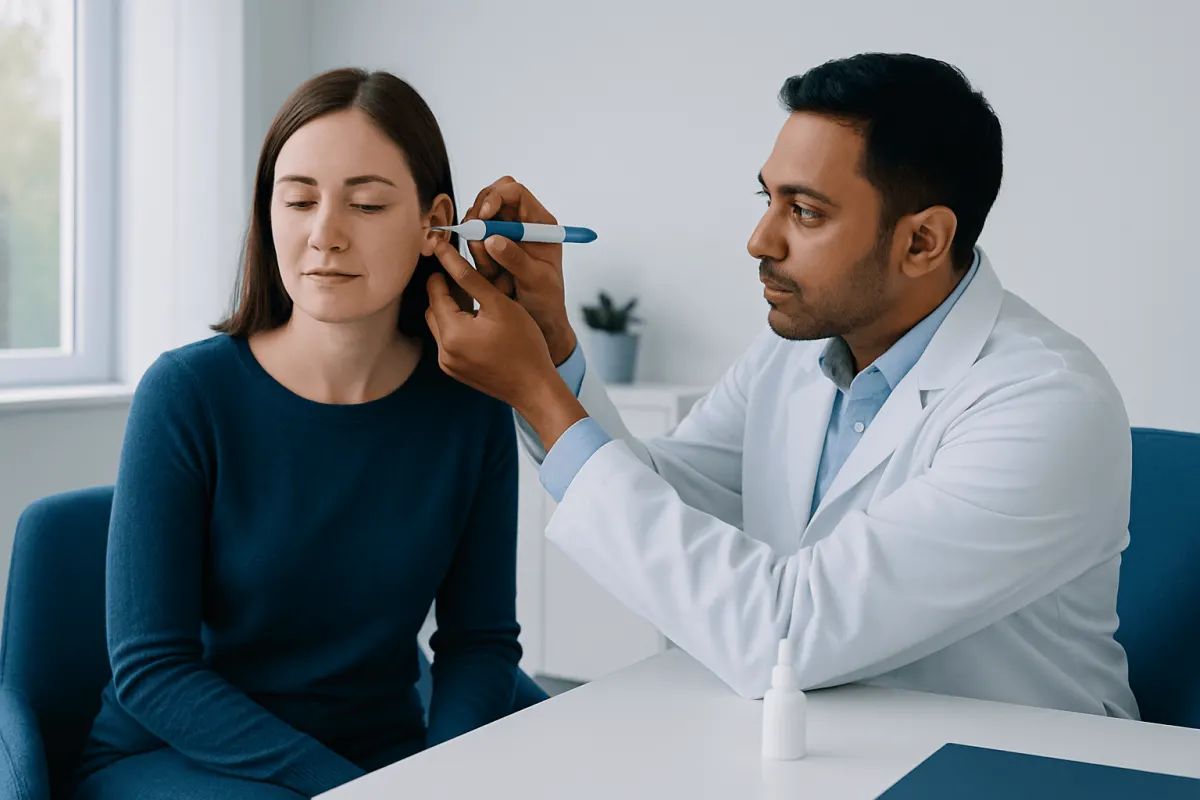
For uncomplicated wax buildup, the safest and most effective approach usually begins with doing nothing unless symptoms are present. When removal is needed, softening drops are a common first-line option. They can loosen or break up wax so it may leave the ear naturally or be more easily removed by a healthcare professional.
Gentle irrigation with body-temperature water may help some adults after wax has been softened, but it is not suitable for everyone. Water that is too cold or too warm can cause brief dizziness, while excessive pressure can injure the ear canal or eardrum. Irrigation should not be used when a perforation, ear tube, active infection, ear surgery history, or unexplained ear symptoms are possible.
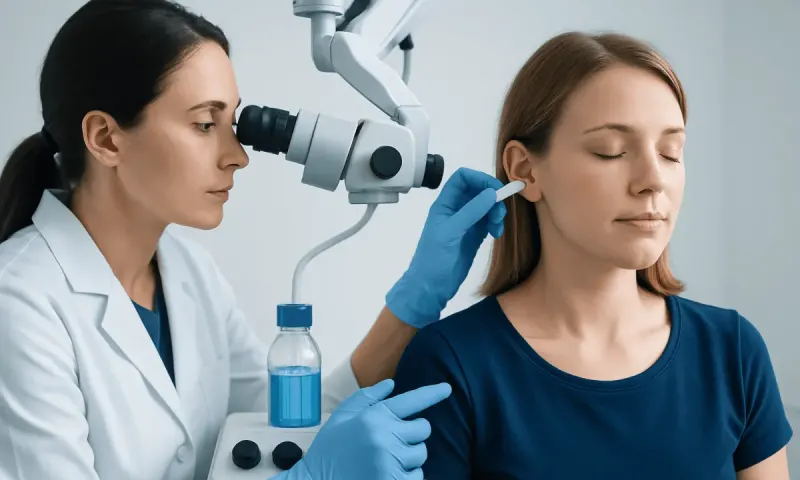
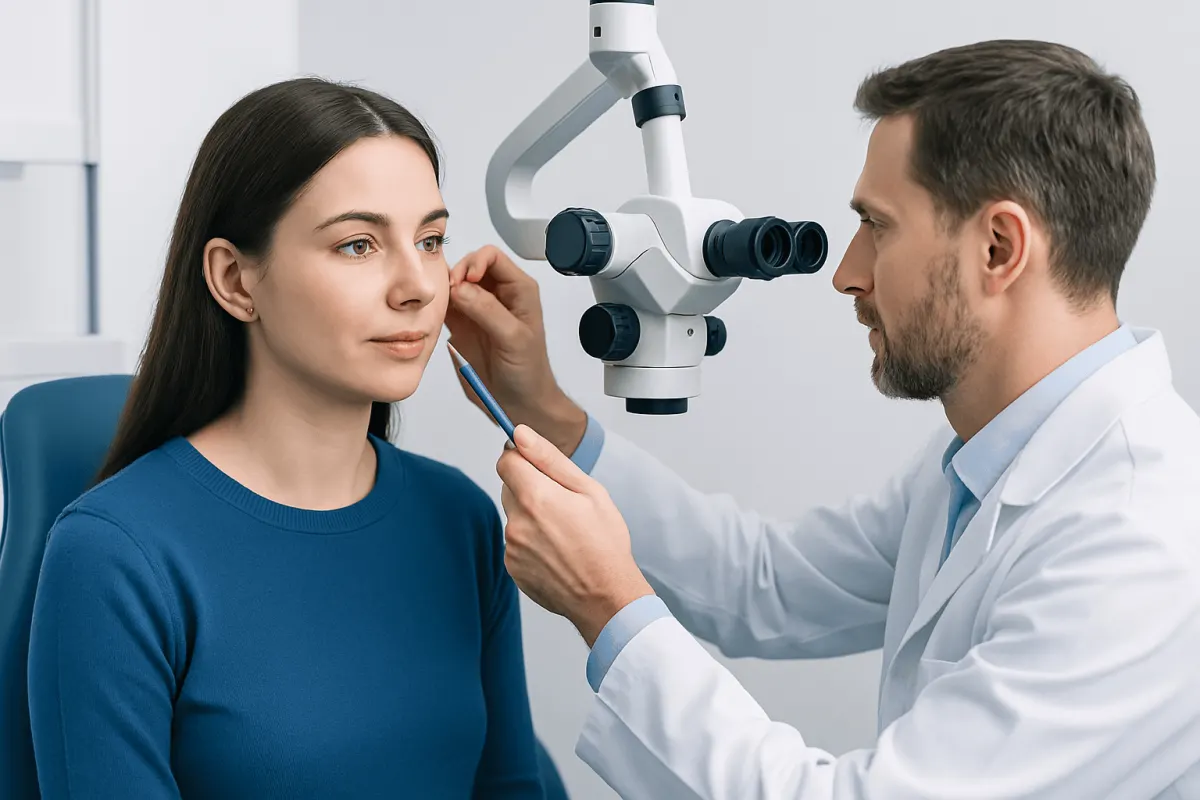
Professional removal is often the safest option for hard, deep, recurrent, or fully impacted wax. A clinician may use irrigation, suction, or small instruments while directly viewing the ear canal. This is especially important if wax is associated with hearing difficulty, tinnitus, a feeling of fullness, or a hearing aid that is not working well. A clinician can also identify conditions that can resemble wax blockage, including ear infection.
What Is the Highest Rated Ear Wax Removal Kit?
There is no single highest rated ear wax removal kit that is medically best for every person. Consumer ratings can reflect packaging, comfort, cost, or ease of use, but they cannot determine whether a product is safe for an individual’s eardrum, symptoms, or medical history. A highly rated product may still be inappropriate for someone with an ear tube, previous ear operation, or suspected infection.
Rather than relying on ratings alone, people can choose products with transparent instructions and safety warnings, then discuss uncertainty with a pharmacist or doctor. A product that uses a recognized wax-softening ingredient and does not require inserting an object into the ear is often a more cautious choice than a device marketed for deep cleaning.
Home camera kits and powered suction products deserve particular care. The ear canal is narrow and the eardrum is fragile, and attempting to remove wax based on a home image can lead to scratching, pushed-in wax, bleeding, or perforation. If wax remains after a short, label-directed trial of drops, professional removal is safer than repeated attempts with multiple devices.
What Is the Best Earwax Removal Product?
For most people with mild, typical earwax buildup and no warning signs, an over-the-counter wax-softening drop is the best earwax removal product to consider first. Oil-based drops, saline, glycerin, hydrogen peroxide, and carbamide peroxide preparations may all be used for this purpose, depending on the individual product directions. They work by softening, loosening, or helping disperse wax rather than mechanically digging it out.
The best option is not necessarily the strongest product. If the ear becomes irritated, painful, or blocked after using drops, the person should stop and seek advice. Repeated or prolonged use beyond package directions can irritate the ear canal and may delay care for another problem.
For wax that is dense, recurrent, or causing substantial symptoms, the best solution may be clinician-led removal rather than another home product. Ear, nose, and throat specialists can evaluate hearing symptoms and provide professional earwax removal when appropriate. The goal is safe removal while protecting the ear canal and eardrum.
Products and Methods to Avoid
Cotton swabs should not be placed inside the ear canal. Although they may remove a small amount of outer wax, they commonly push wax farther inward, where it can become impacted. They can also scrape the canal skin or, if inserted too far, damage the eardrum.
Ear candles are not recommended. They have not been shown to remove earwax effectively and can cause burns, wax drips, blockage, or injury. Household items such as hairpins, keys, pens, tweezers, and improvised hooks should never be used in the ear canal.
High-pressure water devices and vacuum products may also be unsafe when used without clinical guidance. The ear is self-cleaning in most cases, so the safest routine care is simply washing the outer ear during bathing and gently drying it. No object, including a cotton swab, should go farther into the ear than a person can comfortably see.
When to Seek Medical Care
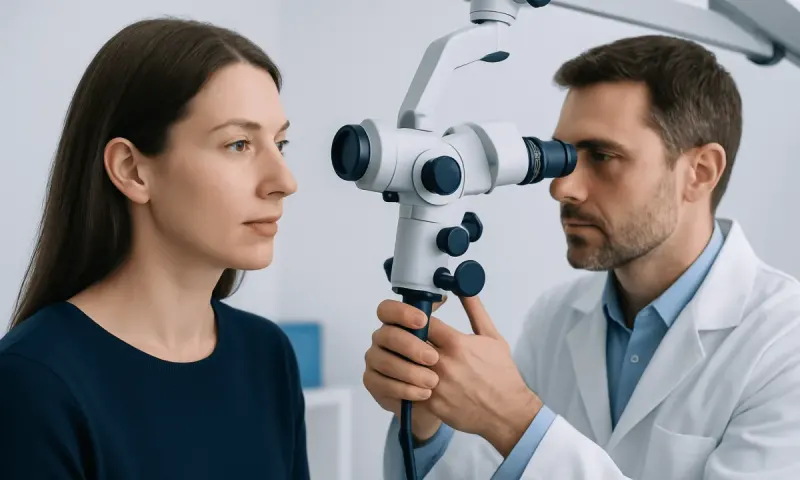
Medical care is appropriate if earwax symptoms do not improve after following a product’s directions, if symptoms repeatedly return, or if the person is unsure whether wax is the cause. A healthcare professional can look into the ear and determine whether wax is present, whether it is impacted, and which removal method is suitable.
Prompt assessment is important for severe or increasing ear pain, drainage or bleeding from the ear, fever, significant dizziness, facial weakness, or sudden or marked hearing loss. These symptoms can have causes other than wax and should not be treated with further home cleaning attempts. New hearing difficulty in one ear also warrants medical review.
People who use hearing aids may need periodic wax checks, as devices can contribute to wax accumulation or make blockage more noticeable. Acıbadem Health Point’s multidisciplinary specialists and JCI-accredited hospitals evaluate ear concerns and provide appropriate treatment options for international patients.
Frequently asked questions
01Can earwax removal drops damage the ears?
When used as directed in an otherwise healthy ear, wax-softening drops are generally well tolerated. They should not be used without medical advice by people with a known or suspected eardrum perforation, ear tubes, active ear infection, or a history of certain ear surgeries. A person should stop using drops if they cause pain, rash, dizziness, or worsening symptoms.
02How long should earwax drops be used?
The product label should guide how often and for how many days drops are used. Many products are intended only for short-term use. If wax does not clear after the recommended course, it is safer to arrange an examination than to continue using drops repeatedly.
03Can hydrogen peroxide remove earwax?
Some commercial ear drops contain hydrogen peroxide or carbamide peroxide, which can help soften or disperse wax. Bubbling or crackling can occur while the drops work and is often expected. However, these drops are not appropriate for every ear, especially if there is pain, drainage, a perforation, or prior ear surgery.
04Is it safe to flush earwax out with water?
Gentle irrigation can be appropriate for some adults after wax has been softened, but it should not be used if there is a possible eardrum hole, ear tube, infection, prior ear surgery, or unexplained ear symptoms. Water should be close to body temperature and delivered gently. If there is discomfort or dizziness, the process should be stopped.
05Why does earwax keep coming back?
Some people naturally produce more wax or have narrower ear canals that make normal wax movement less effective. Hearing aids, earbuds, frequent use of cotton swabs, skin conditions, and age-related changes can also contribute to recurrent buildup. A clinician can advise on a safe prevention plan if blockage happens often.
06Should a person remove earwax before a hearing test?
Wax can affect hearing test results if it blocks the ear canal. It is best to tell the hearing clinic about a history of wax buildup before the appointment. The clinician can examine the ears and recommend removal only if it is needed.
This article is for general information only and is not a substitute for professional medical advice. Please consult a qualified doctor about your individual situation.
Explore treatments in Turkey — costs, top hospitals & a free quote
JCI-accredited · board-certified surgeons · reply within 24h
Add us as a Preferred Source to see more of our trusted health content across Google Search, AI Overviews and Discover.