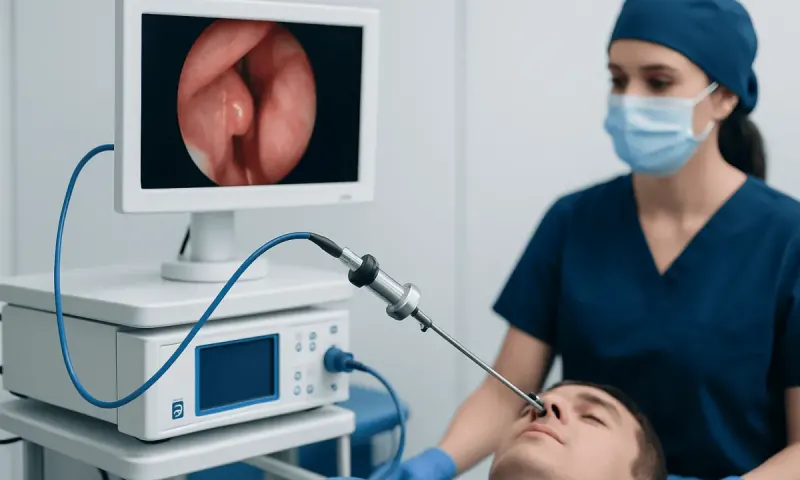
Microsuction for Earwax Removal: How It Works
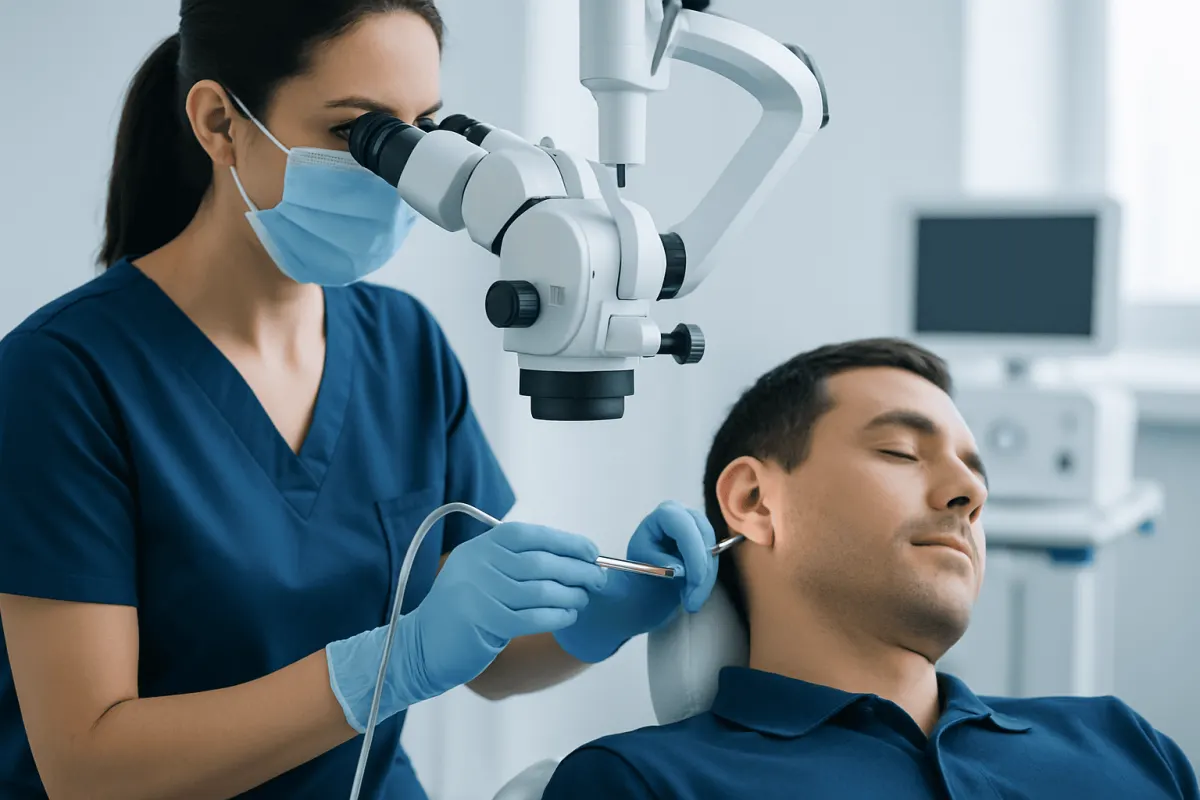
Microsuction is a clinical procedure that removes earwax, debris, or discharge from the ear canal using a fine suction device while a trained clinician views the area closely. It can be a useful option for people with impacted earwax, sensitive ears, ear tubes, a perforated eardrum, or a history of ear surgery, although suitability depends on an individual ear assessment.
What is microsuction?
Microsuction is a method of ear cleaning performed by a qualified healthcare professional. A small suction instrument is used to remove earwax, loose skin, debris, or sometimes fluid from the outer ear canal. The clinician typically uses magnification, an ear microscope, or a specialized viewing device to see the canal clearly during the procedure.
It is often requested for earwax blockage, also called cerumen impaction. Earwax is normal and protective: it helps trap dust and particles, lubricates the canal, and has properties that help limit microbial growth. Most ears clear wax naturally, so routine removal is not usually necessary. Microsuction is considered when wax or other material causes symptoms, prevents a proper ear examination, or interferes with hearing devices.
Unlike ear syringing or irrigation, microsuction does not rely on flushing water into the ear. This can make it a practical option for some people who have had ear surgery, have a known or suspected hole in the eardrum, have ventilation tubes, or are prone to outer-ear infections. A clinician should still assess the ear first, as microsuction is not appropriate in every situation.
What happens during a microsuction appointment?
The appointment usually begins with questions about symptoms, previous ear problems, surgery, hearing aids, medications, and any history of eardrum perforation. The clinician examines the outer ear and ear canal to determine whether wax is present and whether it is safe to proceed. Hearing symptoms can have causes other than wax, so this examination is important.
During microsuction, the person generally sits upright. The clinician may use a microscope, loupes, or an otoscope to guide a narrow suction tube into the ear canal. Depending on the wax, small instruments such as a curette or forceps may also be used carefully. The person may hear a loud suction sound or notice a pulling sensation as wax is removed.
The procedure is commonly completed in a short visit, although very hard, tightly packed, or extensive wax may require more time or more than one appointment. If the wax is dry and compacted, the clinician may advise ear-softening drops beforehand or ask the person to return after using them. This can reduce discomfort and make removal easier.
Microsuction should not be attempted at home with vacuum devices or improvised tools. The ear canal and eardrum are delicate, and home suction devices are not a substitute for direct clinical examination and trained technique.
Who may benefit from microsuction?

Microsuction may be considered when wax buildup causes reduced hearing, a blocked sensation, ringing in the ear, itching, discomfort, or difficulty with hearing aids. It may also be used when wax prevents a doctor from seeing the eardrum, or before certain ear examinations and procedures. Symptoms may improve after wax is removed, but persistent symptoms need further evaluation.
Some people are more likely to develop recurrent wax impaction. This includes people who use hearing aids, earplugs, or in-ear headphones regularly; those with narrow or unusually shaped ear canals; and people whose wax is naturally dry or sticky. Aging can also make wax less likely to move out of the ear canal on its own.
For individuals with a history of ear surgery, a perforated eardrum, ventilation tubes, or repeated ear infections, the choice of wax-removal method deserves particular care. Microsuction may be preferred in some of these circumstances because it avoids putting water into the canal, but the decision should be made after examination by an appropriately trained clinician.
Wax is not always the explanation for hearing change or ear fullness. Conditions affecting the outer ear, middle ear, or inner ear can cause similar symptoms. If there is uncertainty, an ear, nose, and throat assessment and, when indicated, a hearing test can help identify the cause.
Benefits, limitations, and possible side effects
The main benefit of microsuction is that it allows removal under direct vision. This helps the clinician target wax or debris while monitoring the ear canal and eardrum. It also avoids moisture exposure associated with irrigation, which can be helpful for selected patients.
Many people tolerate microsuction well. However, it is not completely sensation-free. The noise can be uncomfortable, and some people experience brief coughing, dizziness, sensitivity, or a feeling of pressure. These effects are usually short-lived. Letting the clinician know about discomfort during the procedure allows them to pause or adjust the approach.
As with any procedure involving the ear canal, there is a small risk of minor skin irritation, bleeding, infection, temporary dizziness, or injury to the ear canal or eardrum. These risks are reduced when microsuction is performed by a trained professional after a proper examination. Very firmly impacted wax may sometimes be safer to soften gradually rather than remove in one attempt.
Microsuction does not prevent wax from forming again. People who develop repeated blockage may benefit from individualized advice on safe wax-softening products, hearing-aid care, and the appropriate timing of follow-up checks. Frequent cleaning without a clear need can irritate the canal and interfere with its natural self-cleaning process.
Preparing for microsuction and caring for ears afterward
Preparation depends on the appearance and location of the wax. When a clinician recommends it, using approved wax-softening drops for a few days before the appointment may help loosen dry wax. These products should not be used without medical advice by people who may have a perforated eardrum, ear tubes, ear discharge, significant ear pain, or recent ear surgery.
After microsuction, many people can return to usual activities immediately. The ear may feel unusually open or sensitive for a short time, especially if it had been blocked for a while. If the clinician has removed infected debris or identified skin irritation, they may provide specific instructions about keeping the ear dry or using prescribed treatment.
It is best to avoid inserting cotton swabs, hairpins, rolled tissue, or other objects into the ear. These can push wax further inward, scratch the canal, and increase the risk of impaction. Ear candles should also be avoided; they have no proven benefit for wax removal and can cause burns, blockage, or injury.
For people with repeated wax buildup, a clinician can recommend a safe maintenance plan. This may include occasional softening drops for suitable individuals, review of hearing aids or earplugs, and professional removal only when symptoms or examination findings indicate it is needed.
When to seek medical care
Ear symptoms should not automatically be assumed to be caused by wax. Medical assessment is recommended for sudden or rapidly worsening hearing loss, severe ear pain, ear discharge or bleeding, fever, swelling around the ear, significant dizziness, new facial weakness, or symptoms after an ear injury. These signs may require prompt assessment rather than wax-removal treatment.
A person should also arrange an appointment if a blocked-ear sensation or hearing change lasts despite appropriate wax-softening measures, if symptoms return frequently, or if there is a history of eardrum perforation, ear surgery, or recurrent infections. Children, people with diabetes, and individuals with reduced immunity should seek professional guidance before attempting earwax treatment at home.
People who experience one-sided hearing loss, persistent tinnitus, or balance symptoms should be evaluated, even if wax is visible. Removing wax may be part of care, but it should not delay investigation of other possible causes. A hearing assessment may be recommended after the canal is clear.
Acıbadem Health Point’s multidisciplinary specialists and JCI-accredited hospitals can assess ear symptoms and provide appropriate treatment for international patients, including evaluation when wax blockage is not the sole cause of hearing or ear concerns.
Microsuction compared with other earwax removal methods
Earwax removal methods include watchful waiting, wax-softening drops, irrigation, manual removal with instruments, and microsuction. The best approach depends on the amount and type of wax, the person’s symptoms, the condition of the eardrum, and their medical history. There is no single method that is right for everyone.
Wax-softening drops can be helpful for uncomplicated wax buildup, particularly when used as directed. However, they may not fully clear substantial impaction, and they are not suitable for every ear. Irrigation may be effective for some people, but it is generally avoided when there is a perforated eardrum, ear tubes, a history of certain ear operations, or active ear infection.
Manual removal and microsuction allow the clinician to work under direct visualization. Microsuction may be particularly useful when the canal needs to remain dry or when wax is close to the eardrum. In some cases, a combination of softening drops and professional removal provides the most comfortable and effective approach.
The key is not to remove wax simply because it is present. Treatment is most appropriate when wax causes symptoms, prevents needed examination, or affects care such as hearing-aid fitting. A qualified clinician can explain the options and recommend the safest method for the individual ear.
Frequently asked questions
01Is microsuction painful?
Microsuction is usually tolerated well, though it can feel unusual and may be noisy. Some people notice brief pressure, sensitivity, or dizziness, especially if the canal is inflamed or the wax is tightly packed. The clinician can pause if it becomes uncomfortable.
02How long does microsuction take?
The procedure is often completed during a short appointment, but timing varies with the amount, hardness, and position of wax. Dense or dry wax may need softening first or may require a second visit. An examination before treatment helps set realistic expectations.
03Can microsuction damage the eardrum?
Complications are uncommon when microsuction is performed by a trained clinician using direct visualization. However, any procedure in the ear canal has a small risk of irritation or injury. This is why home suction devices and inserting objects into the ear are not recommended.
04Is microsuction better than ear irrigation?
Neither method is universally better. Microsuction may be preferable when water should be avoided, such as for some people with a perforated eardrum, ear tubes, previous ear surgery, or certain infections. A clinician can recommend the most suitable option after examining the ear.
05Should earwax be removed regularly?
Usually, no. Earwax normally moves out of the ear canal naturally and serves a protective role. Regular removal is only needed for people who develop symptomatic or recurrent impaction, and it should follow advice from a healthcare professional.
06Can someone use cotton swabs after microsuction?
Cotton swabs should not be inserted into the ear canal after microsuction or at other times. They can push wax deeper, irritate the skin, and increase the chance of blockage or injury. The outer ear can be gently cleaned with a cloth if needed.
This article is for general information only and is not a substitute for professional medical advice. Please consult a qualified doctor about your individual situation.
Explore treatments in Turkey — costs, top hospitals & a free quote
JCI-accredited · board-certified surgeons · reply within 24h
Add us as a Preferred Source to see more of our trusted health content across Google Search, AI Overviews and Discover.