Hydrogen Peroxide for Ear Wax Removal: Is It Safe?

Hydrogen peroxide ear wax removal can help soften hardened earwax so it can move out naturally or be removed by a clinician. It should only be considered when the eardrum is intact and there is no ear pain, drainage, infection, or history of ear surgery.
Overview: What Hydrogen Peroxide Does for Ear Wax
Hydrogen peroxide ear wax removal involves placing ear drops containing hydrogen peroxide, often at a low concentration, into the ear canal to soften and break up hardened wax. The liquid may bubble or fizz as it contacts wax and oxygen is released. This can make the wax easier for the ear to clear naturally or for a healthcare professional to remove.
Earwax, also called cerumen, is normal and protective. It traps dust and small particles, helps maintain a healthy ear canal environment, and usually moves outward on its own. A blockage can develop when wax is produced in larger amounts, becomes dry or compacted, or is pushed deeper by earbuds, hearing aids, or cotton swabs.
Hydrogen peroxide is not the right choice for every blocked ear. A clinician should assess persistent symptoms or suspected impaction, particularly when there is pain, sudden hearing change, drainage, dizziness, fever, or a history of eardrum problems. Similar symptoms can occur with ear infections and other ear conditions, so it is important not to assume wax is the cause.
Who May Benefit and Who Should Avoid Ear Drops
Softening drops may be reasonable for adults with mild symptoms of wax buildup, such as gradual muffled hearing, a feeling of fullness, or difficulty with a hearing aid, when they have no warning signs. A pharmacist or doctor can help identify a suitable product and explain how to use it safely.
Hydrogen peroxide and other wax-softening drops should generally be avoided if a person has a known or suspected hole in the eardrum, ear tubes, previous ear surgery, active ear infection, ear discharge, significant ear pain, or an injury to the ear. People with diabetes, immune suppression, eczema affecting the ear canal, or a history of repeated ear infections should seek individual medical advice before attempting home treatment.
Children, especially young children, should not have ear drops used for suspected wax blockage without guidance from a qualified clinician. A child may have a foreign object, infection, or another cause of ear symptoms that needs a different approach.
- Do not use cotton swabs, hairpins, or other objects to dig out wax.
- Do not use ear candles; they are ineffective and may cause burns or blockage.
- Do not force water into an ear that is painful, draining, or has had surgery.
How Hydrogen Peroxide Ear Wax Removal Is Used

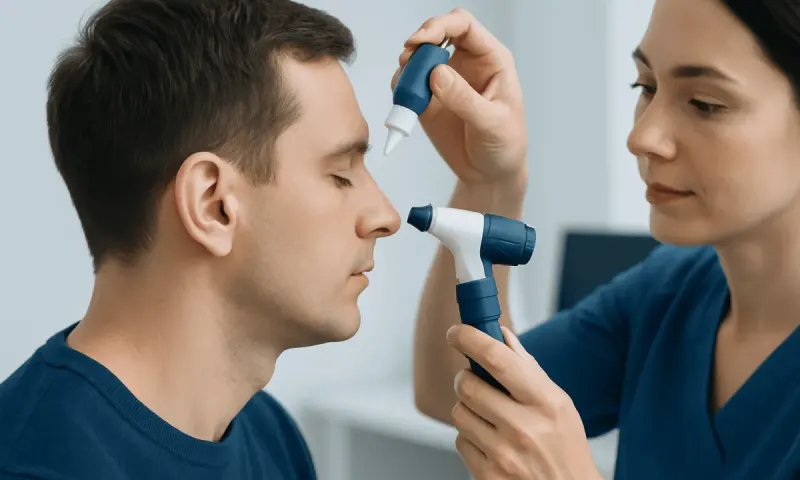
When a clinician or pharmacist confirms that drops are appropriate, the person should follow the product label or the clinician’s instructions. In general, the head is tilted with the affected ear upward, the recommended number of drops is placed into the ear canal without inserting the dropper deeply, and the person remains in position briefly before allowing fluid to drain out onto clean tissue.
A gentle crackling or fizzing sound is common. Some people also notice a temporary increase in fullness because fluid is sitting behind or within the wax. The ear should not be plugged tightly after using drops unless a clinician has specifically advised this. Wax may come out gradually over the next day or several days.
Hydrogen peroxide can irritate sensitive skin in the ear canal, particularly if it is used too often or in an unsuitable ear. Treatment should be stopped if there is burning, pain, marked itching, dizziness, rash, drainage, or worsening hearing. Repeated attempts to clear a stubborn blockage at home can delay proper care and may make the wax more swollen or compacted.
How long does it take for hydrogen peroxide to clear impacted ear wax?
Hydrogen peroxide may begin softening wax during the first use, but an impacted plug often does not clear immediately. For some people, softened wax moves out over several days. For others, drops loosen the blockage but do not remove it completely, and professional treatment is needed.
The time needed depends on the amount and hardness of wax, the shape of the ear canal, use of hearing devices, and whether the wax has been pushed inward. If symptoms have not improved after using a suitable wax-softening product as directed, it is safer to arrange an ear examination than to continue treating the ear repeatedly.
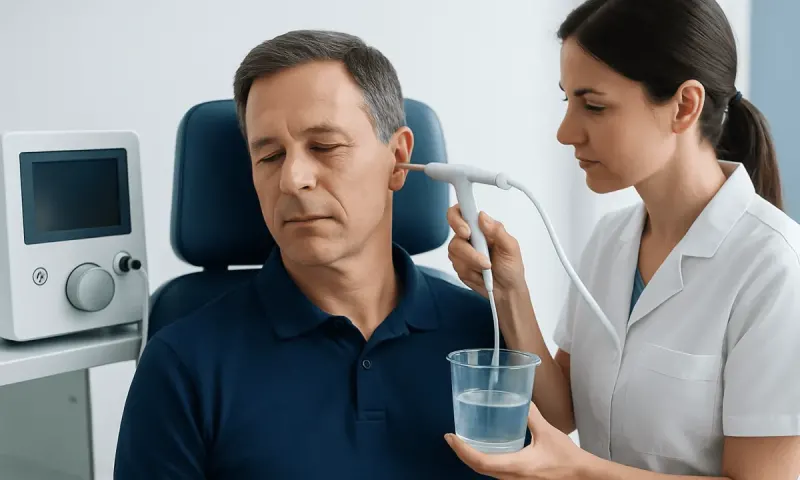
A healthcare professional can confirm whether wax is present and choose an appropriate removal method. Depending on the ear and the wax, this may include manual removal, suction under direct view, or irrigation when suitable. These forms of professional ear wax removal are designed to clear wax while protecting the ear canal and eardrum.
How long does it take for ears to settle after wax removal?
Many people notice clearer hearing and less pressure immediately after a wax blockage is removed. Mild sensitivity, a slight wet sensation, or awareness of sounds that now seem louder can last for a short time as the ear adjusts. This usually settles within hours to a day or two.
If the ear canal was irritated, or if substantial wax was removed, minor tenderness may persist briefly. It is sensible to keep the ear dry for the period advised by the clinician and avoid inserting anything into the canal. Hearing aids or earbuds should be kept clean to reduce irritation and wax buildup.
Ongoing pain, increasing redness, discharge, fever, spinning dizziness, tinnitus that is new or worsening, or hearing that remains reduced should not be considered a routine recovery effect. These symptoms should be assessed by a doctor, as they may indicate inflammation, infection, retained wax, or another ear problem.
Why won't my ears unclog after hydrogen peroxide?
An ear may remain clogged after hydrogen peroxide because the wax is too hard, large, or deeply impacted to come out with drops alone. The liquid can also temporarily make the ear feel more blocked when it soaks into wax and causes it to expand before it breaks apart.
Not every sensation of ear fullness is caused by wax. Congestion related to a cold or allergies, fluid behind the eardrum, an outer-ear infection, changes in middle-ear pressure, or hearing loss can produce similar symptoms. Using more drops will not correct these causes and may irritate the ear canal.
A doctor can look into the ear with an otoscope to determine whether wax is present and whether the eardrum appears healthy. If wax is not responsible, evaluation may focus on other causes of symptoms, including eustachian tube dysfunction where appropriate.
Which is better for ear wax, Debrox or hydrogen peroxide?
Debrox is a branded earwax-removal product that contains carbamide peroxide. Carbamide peroxide releases hydrogen peroxide in the ear canal, so both options work by a similar softening and bubbling process. Neither is universally better; suitability depends on the person’s ear health, symptoms, and the specific product directions.
Commercially prepared earwax drops are formulated and labeled for this purpose, which can make them easier to use as directed. Plain household hydrogen peroxide may have a different concentration or may not be suitable for use in the ear without advice from a clinician or pharmacist. Products should never be mixed with other liquids or used more frequently than directed.
For a confirmed wax impaction, a clinician may recommend drops before removal or may remove the wax directly. The best option is not necessarily the strongest product, but the method that is safe for the individual ear and addresses the actual cause of symptoms.
When to seek medical care
Medical care is recommended promptly for severe ear pain, bleeding, pus or fluid discharge, fever, sudden or significant hearing loss, new severe dizziness, facial weakness, or symptoms after an ear injury. These signs are not typical of uncomplicated wax buildup and should not be treated with hydrogen peroxide at home.
A person should also arrange an examination if hearing remains muffled after an appropriate short course of wax-softening drops, if symptoms keep returning, or if they are unsure whether wax is the cause. People with ear tubes, a perforated eardrum, previous ear surgery, diabetes, immune suppression, or recurrent outer-ear infections should seek clinical guidance before trying earwax drops.
Acıbadem Health Point’s multidisciplinary specialists and JCI-accredited hospitals can assess ear symptoms and provide appropriate treatment for international patients. An examination can help distinguish wax blockage from conditions that require different care and support safe, effective removal when wax is confirmed.
Frequently asked questions
01Is fizzing in the ear normal after hydrogen peroxide?
A mild fizzing or crackling sound can be normal because hydrogen peroxide releases oxygen when it contacts wax. It should not cause significant pain, burning, severe dizziness, or discharge. If these symptoms occur, use should stop and the ear should be assessed by a clinician.
02Can hydrogen peroxide make an earwax blockage worse?
It can temporarily increase the feeling of blockage when liquid soaks into compacted wax. Repeated use may also irritate the ear canal, especially if the eardrum is not intact or there is underlying infection. Persistent blockage should be evaluated rather than treated repeatedly at home.
03Can someone use hydrogen peroxide if they have a perforated eardrum?
No. Ear drops, including hydrogen peroxide products, should generally not be used with a known or suspected perforated eardrum, ear tubes, or after certain ear operations unless a doctor specifically recommends them. Fluid entering the middle ear may cause pain, infection, or other complications.
04Should the ear be rinsed after using hydrogen peroxide?
Some products include instructions for gentle rinsing, while others do not. A person should follow the exact label directions or advice from a healthcare professional and should not irrigate an ear if there is pain, drainage, eardrum damage, ear tubes, or prior ear surgery.
05How can earwax buildup be prevented?
Most ears do not need routine cleaning because wax normally moves outward naturally. Avoid placing cotton swabs or other objects into the ear canal, as these commonly push wax deeper. People who repeatedly develop wax blockage may benefit from individualized prevention advice from an ear specialist.
06Can earwax cause hearing loss?
A complete or partial wax blockage can cause temporary conductive hearing loss, often described as muffled sound or fullness. Hearing commonly improves after the blockage is safely removed. Sudden hearing loss, one-sided hearing change, or hearing loss with dizziness should be assessed urgently because it may have another cause.
This article is for general information only and is not a substitute for professional medical advice. Please consult a qualified doctor about your individual situation.
Explore treatments in Turkey — costs, top hospitals & a free quote
JCI-accredited · board-certified surgeons · reply within 24h
Add us as a Preferred Source to see more of our trusted health content across Google Search, AI Overviews and Discover.