Which Country Has the Highest Cancer Diagnosis Rate?
Australia has the highest reported cancer diagnosis rate by country in widely used age-standardized global estimates. These comparisons are useful, but they reflect differences in population age, screening access, cancer registration, risk factors, and healthcare systems—not simply where cancer is most dangerous.
Overview: why cancer rates differ between countries
The highest rate of cancer by country is generally reported in Australia when international comparisons use age-standardized incidence rates. Age-standardized rates adjust for differences in the age of national populations, allowing a fairer comparison because cancer becomes more common with age. Other countries with high reported rates often include New Zealand, Denmark, Norway, Ireland, the United States, and several European countries, depending on the year and the source.
A country’s diagnosis rate does not show the whole picture. It measures how often cancer is identified, not how severe cancers are, how quickly they are treated, or how many people die from them. Countries with established screening programmes, accessible healthcare, and detailed cancer registries may identify more cancers, including early-stage cancers that might otherwise remain undiagnosed.
Global estimates are compiled from national and regional cancer registries and are updated over time. Rankings can therefore change as data collection improves, populations age, and the frequency of particular cancers changes. The most useful interpretation combines incidence with mortality, stage at diagnosis, availability of treatment, and outcomes for specific cancer types.
What country has the highest cancer diagnosis rate?
Australia has the highest reported overall cancer diagnosis rate in commonly cited global age-standardized estimates. This reflects a combination of factors, including an older population, high rates of some common cancers, widespread testing, organised screening for selected cancers, and strong cancer registration systems.
Skin cancer has an important effect on Australia’s cancer burden. High ultraviolet exposure and a large fair-skinned population contribute to high rates of melanoma and other skin cancers. Prostate, breast, colorectal, lung, and kidney cancers also influence overall figures in many higher-income countries.
A high recorded diagnosis rate should not automatically be interpreted as worse healthcare or a poorer outlook. Detecting cancer earlier can increase the number of recorded diagnoses while also making curative treatment more possible. Conversely, lower reported rates in some settings may reflect younger populations, lower exposure to certain risks, incomplete registration, or barriers to diagnosis rather than a genuinely lower burden of disease.
For individuals, national rankings do not predict personal risk. Age, family history, smoking status, alcohol intake, infections such as human papillomavirus or hepatitis viruses, body weight, sun exposure, occupation, and screening participation are more relevant factors to discuss with a doctor.
Understanding diagnosis rates, death rates, and cancer outlook
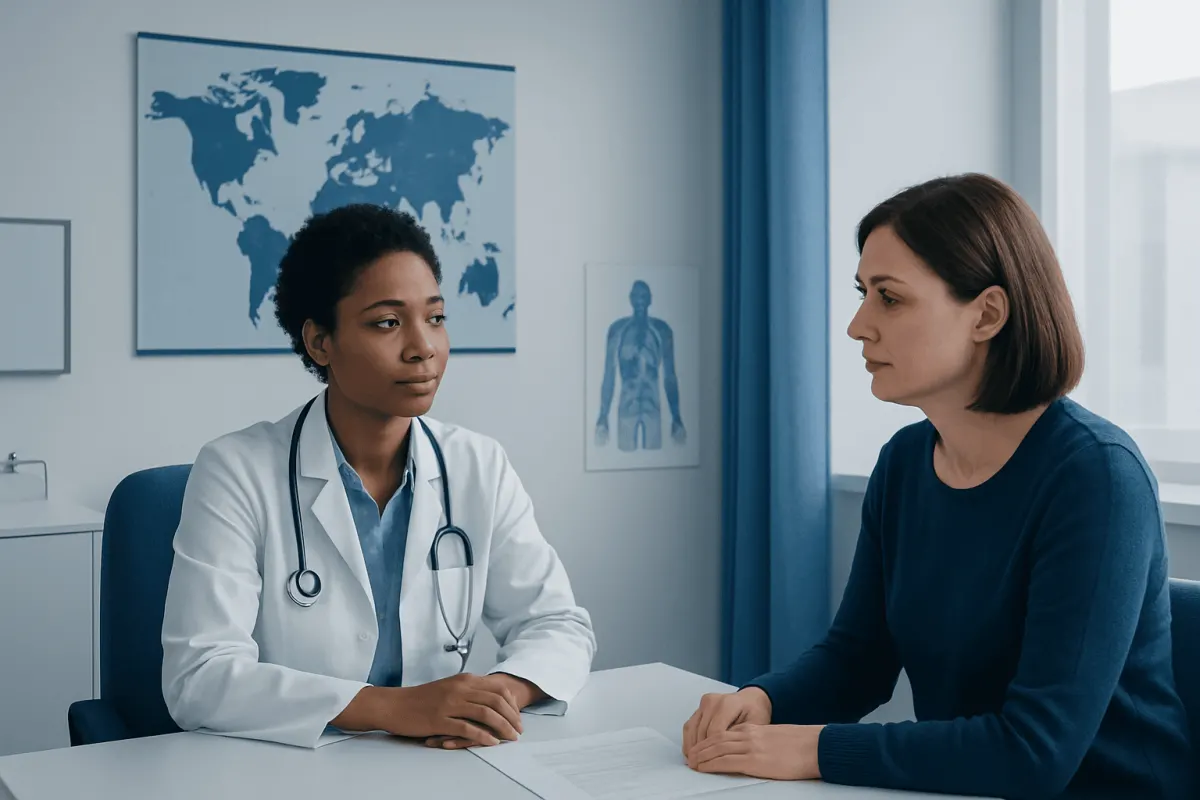
Cancer incidence is the number of newly diagnosed cases in a population over a defined period. Cancer mortality is the number of deaths caused by cancer. These measures can move in different directions: a country may diagnose more cancer because testing is more available, yet have lower mortality for some cancers because earlier treatment and follow-up are accessible.
Survival statistics are also influenced by when cancer is found. A localized cancer that has not spread is usually more likely to be treated successfully than cancer diagnosed after it has spread to distant organs. However, prognosis depends on the exact cancer type, subtype, stage, grade, molecular features, a person’s overall health, and response to treatment.
Statistics are best viewed as information about groups of people, not as a prediction for one person. A cancer specialist can explain what a diagnosis means in an individual situation and may use pathology findings, imaging results, and other tests to guide care. Learn more about cancer and its diagnosis and the role of multidisciplinary assessment.
Comparisons between countries should also be made cautiously because definitions, reporting methods, testing practices, and the completeness of cancer registration may vary. International agencies use standardized methods to make estimates comparable, but uncertainty remains, especially where data are limited.
Which country has the highest success rate for treating cancer?
No single country can accurately be named as having the highest “success rate” for treating all cancers. Cancer is not one disease, and outcomes differ substantially between childhood cancers, breast cancer, prostate cancer, colorectal cancer, blood cancers, brain tumors, pancreatic cancer, and many other conditions.
Countries with comprehensive cancer systems often report strong outcomes for certain cancers. These systems commonly include prevention programmes, screening, prompt diagnosis, specialist surgery, radiation therapy, systemic treatments, supportive care, pathology services, clinical trials, and long-term follow-up. However, direct international comparisons are challenging because patient populations, stages at diagnosis, data quality, and measurements of survival are not identical.
The most meaningful question is usually which team and treatment approach are appropriate for a particular cancer type and stage. Care may include surgery, radiation therapy, chemotherapy, hormone therapy, immunotherapy, targeted therapy, stem cell transplantation, or carefully monitored active surveillance. Cancer treatment planning is individualized after a specialist team reviews the diagnosis.
For some cancers, modern tests can identify molecular changes that help clinicians select treatments more precisely. This does not mean every person needs every test or treatment; it means decisions can increasingly be tailored to the cancer and the person receiving care.
What is 90% of cancer caused by?
The statement that 90% of cancer is caused by lifestyle or environmental factors is an oversimplification. Cancer develops when genetic changes accumulate in cells, and these changes can result from a mixture of inherited susceptibility, aging, chance cell-copying errors, infections, environmental exposures, and behaviors. The proportion attributable to preventable causes differs by cancer type and population.
Many cancers are linked to modifiable risks. Tobacco is a major preventable cause of cancer and is associated with cancers of the lung and several other organs. Alcohol can raise the risk of certain cancers, while excess body weight, physical inactivity, unhealthy dietary patterns, and ultraviolet radiation contribute to risk in varying ways. Some workplace and environmental exposures, such as asbestos, can also be important.
Infections account for a meaningful share of cancers worldwide. Human papillomavirus can cause cervical and several other cancers, while hepatitis B and hepatitis C viruses can increase liver cancer risk. Vaccination, safer behaviors, diagnosis, and treatment of infections can help prevent some infection-related cancers.
Not all cancer is preventable, and people should not blame themselves after a diagnosis. Healthy choices can lower risk, but they cannot eliminate it. Regular screening where appropriate and timely medical evaluation of symptoms remain important parts of cancer prevention and early detection.
Are there any people who have beaten cancer without treatment?
There are rare reports of cancers shrinking or disappearing without conventional treatment, sometimes called spontaneous remission. These cases are unusual and are not a safe or predictable approach to cancer care. They may also be difficult to interpret because some tumors grow very slowly, some diagnoses are later revised, and cancers can occasionally behave unpredictably.
Some people do not need immediate active treatment because their cancer is low risk or slow growing. This is different from having no medical care. For example, selected people may be offered active surveillance, in which clinicians monitor the cancer with scheduled examinations, imaging, laboratory tests, or biopsies and begin treatment if there are signs of progression.
Delaying or declining recommended treatment can allow a curable cancer to grow or spread. Anyone considering alternatives to treatment should speak openly with an oncology team about the likely benefits, limitations, side effects, and available supportive care. Complementary practices such as relaxation, exercise adapted to ability, nutrition support, and counseling may support wellbeing, but they should not replace evidence-based cancer treatment.
Second opinions can be helpful when a diagnosis is complex, treatment choices are uncertain, or a person would feel more confident after another specialist review. A qualified team can help distinguish active surveillance from an unsafe delay in care.
Reducing risk and supporting early diagnosis
Risk reduction is not a guarantee, but several practical steps can make a meaningful difference. Avoiding tobacco and seeking help to stop smoking are among the most important actions. Limiting alcohol, maintaining a weight that is appropriate for the individual, being physically active, eating a balanced diet rich in plant foods, and protecting skin from excessive ultraviolet exposure can also support long-term health.
Recommended vaccination may prevent certain cancers. Human papillomavirus vaccination helps prevent HPV-related cancers, and hepatitis B vaccination helps prevent hepatitis B-related liver cancer. Screening can detect some cancers or precancerous changes before symptoms develop; examples include cervical, breast, colorectal, and lung cancer screening for people who meet local eligibility criteria.
Screening recommendations vary by country because resources, population risks, and health policies differ. A doctor can advise which tests are appropriate based on age, sex, family history, genetic risk, symptoms, and personal exposures. People with a strong family history of cancer may benefit from genetic counseling and targeted screening.
There is no proven supplement, detoxification programme, or restrictive diet that prevents or cures every cancer. Before using vitamins, herbal products, or alternative therapies, people should discuss them with their clinical team because some products can interact with cancer medicines or affect treatment safety.
When to seek medical care
Medical advice is appropriate for symptoms that are new, persistent, worsening, or unexplained. Examples include a new lump, unusual bleeding, blood in urine or stool, a lasting change in bowel habits, persistent cough or voice change, difficulty swallowing, unexplained weight loss, ongoing pain, a changing mole, or fatigue that does not improve. These symptoms are common and often have non-cancer causes, but assessment can provide clarity and appropriate treatment.
People should also arrange routine care if they are due for screening or have a close relative with cancer, especially cancer diagnosed at a young age or several relatives affected by related cancers. Prompt evaluation does not mean cancer is likely; it is a sensible way to identify the cause of symptoms and avoid delay where treatment is needed.
Depending on the concern, assessment may involve a physical examination, blood tests, imaging, endoscopy, or biopsy. Cancer diagnostic testing helps confirm whether cancer is present and identifies details needed for treatment decisions.
Acıbadem Health Point’s multidisciplinary specialists and JCI-accredited hospitals support international patients with cancer diagnosis, treatment planning, and follow-up. Care should always be coordinated with qualified clinicians who understand the individual’s medical history and current needs.
Frequently asked questions
01What country has the highest rate of cancer by country?
Australia commonly has the highest reported overall cancer diagnosis rate when global figures are age-standardized. This ranking is influenced by population age, exposure to risks such as ultraviolet radiation, access to testing, screening, and the quality of cancer registration.
02Does a high cancer diagnosis rate mean a country has poor cancer care?
No. A high diagnosis rate can partly reflect better screening, earlier testing, and more complete reporting of cases. To understand cancer outcomes, diagnosis rates should be considered alongside mortality, stage at diagnosis, and cancer-specific survival.
03Which country has the highest success rate for cancer treatment?
There is no reliable single ranking for all cancer treatment success. Outcomes vary by cancer type, stage, treatment access, data collection methods, and the health of the people being treated. Specialist, multidisciplinary care and early diagnosis are important for many cancers.
04Is 90% of cancer caused by lifestyle choices?
No. This is too broad to be accurate. Many cancers are associated with preventable factors such as tobacco, alcohol, obesity, certain infections, and ultraviolet exposure, but aging, inherited factors, and random cellular changes also contribute.
05Can cancer disappear without treatment?
Spontaneous remission is rare and cannot be predicted or relied upon. Some slow-growing cancers may be monitored through active surveillance, but this involves regular medical follow-up and is not the same as avoiding care.
06What can a person do to lower cancer risk?
Avoiding tobacco, limiting alcohol, staying physically active, maintaining a healthy weight, protecting skin from excessive sun exposure, and receiving recommended vaccines can help lower risk. Appropriate screening and prompt assessment of persistent symptoms are also important.
This article is for general information only and is not a substitute for professional medical advice. Please consult a qualified doctor about your individual situation.
Oncology care in Turkey — second opinion and treatment plan
JCI-accredited · board-certified surgeons · reply within 24h
Add us as a Preferred Source to see more of our trusted health content across Google Search, AI Overviews and Discover.