When to See a Doctor for Skin Changes: Warning Signs You Should Not Ignore

Many skin changes are harmless, but some deserve medical attention. New, changing, painful, bleeding, or non-healing spots can be warning signs that should be assessed by a doctor.
Overview
The skin often reflects both local irritation and overall health. A small rash after using a new product may settle quickly, while other changes such as a growing mole, a sore that does not heal, or a rapidly spreading rash may need medical attention. Knowing the difference can help a person seek care at the right time without unnecessary worry.
Skin changes can include new spots, changing moles, unusual redness, swelling, itching, scaling, darkening, lightening, lumps, ulcers, bruising, or changes in texture. These signs may be linked to common conditions such as eczema, acne, fungal infections, or contact dermatitis, but they can also point to more serious problems including bacterial infection, autoimmune disease, or skin cancer.
In general, a doctor should assess skin changes that are new, unexplained, persistent, worsening, painful, bleeding, or associated with other symptoms. Timely evaluation is especially important when a lesion looks different from the rest of the skin or from a person’s usual moles, a concept dermatologists sometimes call the “ugly duckling” sign.
Skin Warning Signs That Should Not Be Ignored
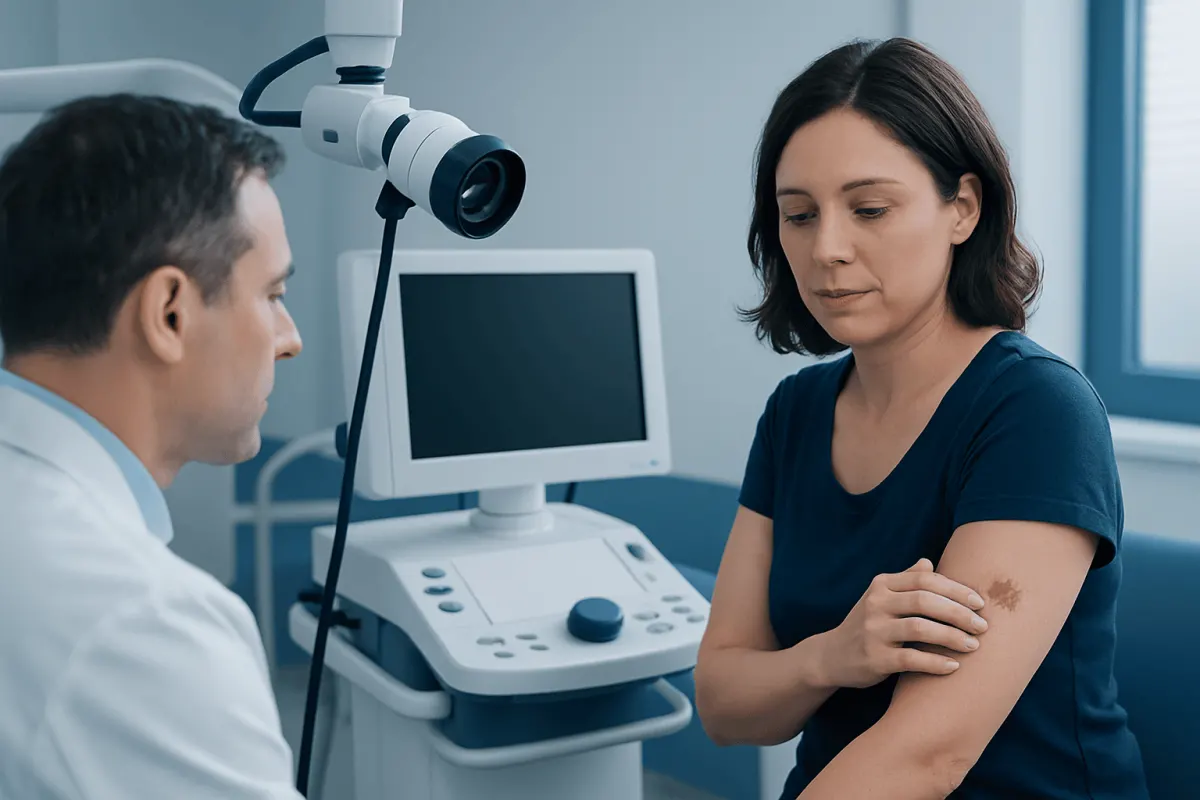
Some skin changes deserve prompt attention because they may signal a condition that benefits from early treatment. One of the most important warning signs is a mole or pigmented spot that changes over time. Doctors often use the ABCDE guide for melanoma warning signs: asymmetry, irregular border, uneven color, diameter that is increasing, and evolution or change. A spot that suddenly becomes raised, darker, itchy, or tender also deserves review.
Another key warning sign is a sore, scab, or patch that does not heal within a few weeks. Basal cell and squamous cell skin cancers may appear as a pearly bump, a rough scaly area, a crusted lesion, or a spot that bleeds and then seems to improve before returning. Persistent sores on sun-exposed areas such as the face, ears, scalp, neck, arms, and hands are especially important to check.
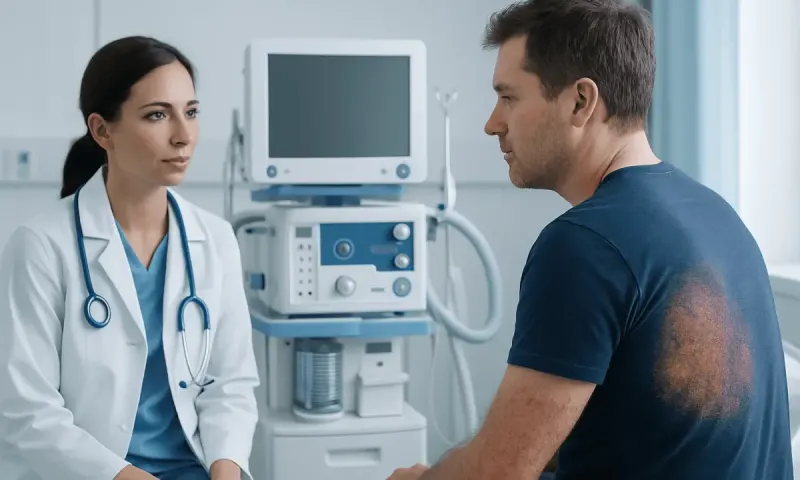
A rash should also be assessed when it is severe, widespread, painful, blistering, or accompanied by fever, facial swelling, breathing symptoms, or signs of infection. Skin that is hot, very tender, rapidly reddening, draining pus, or associated with swollen lymph nodes may suggest a bacterial infection. Sudden hives with swelling of the lips or throat can be an allergic emergency.
- New or changing moles
- Bleeding, crusting, or non-healing sores
- Rapidly spreading redness or swelling
- Blisters, skin peeling, or painful rashes
- Dark streaks under a nail or changing nail pigmentation
- A lump under the skin that is growing or becoming painful
Possible Causes and Risk Factors

Not all concerning skin changes are cancerous. Common causes include allergic reactions, eczema, psoriasis, fungal infections, acne, insect bites, drug reactions, and irritation from soaps, cosmetics, detergents, or friction. Viral infections such as shingles may cause a painful blistering rash, while bacterial infections can lead to warmth, redness, swelling, and tenderness.
However, certain risk factors make some skin changes more concerning. These include frequent sun exposure, a history of sunburns, use of tanning beds, fair skin, a large number of moles, atypical moles, a personal or family history of skin cancer, and a weakened immune system. Age can also increase risk, although skin cancer can occur in younger adults as well.
People should also be aware that skin color does not remove risk. While skin cancer may be less common in darker skin tones, it can still happen and may be diagnosed later. Inflammatory conditions can also look different on darker skin, sometimes appearing purple, gray, dark brown, or ash-toned rather than bright red. Any persistent or unexplained skin change is worth discussing with a clinician.
How Doctors Evaluate Skin Changes
A doctor usually begins with a detailed history. They may ask when the change started, whether it is growing or spreading, if it itches or hurts, whether there has been bleeding or discharge, and whether there are triggers such as a new medicine, cosmetic, travel exposure, or sunburn. Photos showing how the area looked earlier can sometimes be helpful.
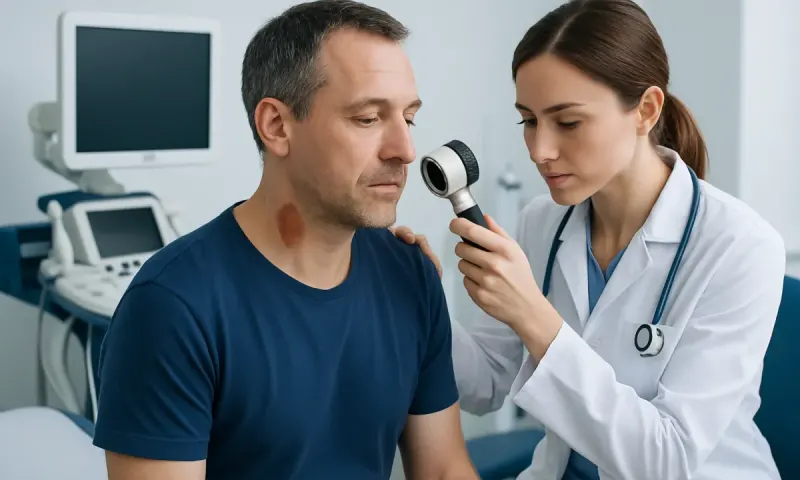
The physical examination focuses on the size, shape, color, texture, and location of the lesion or rash, as well as whether there are similar changes elsewhere on the body. A dermatologist may use a dermatoscope, a handheld device that allows closer examination of pigmented spots and blood vessel patterns. This can help decide whether a lesion appears benign or suspicious.
If a diagnosis is uncertain or cancer needs to be ruled out, a skin biopsy may be recommended. In a biopsy, a small sample or the entire lesion is removed and examined under a microscope. Depending on the suspected cause, doctors may also order swabs, blood tests, or allergy testing. When needed, specialist evaluation for dermatology care can help clarify the diagnosis and guide treatment.
Treatment Options Depend on the Cause
Treatment for skin changes varies widely because the causes are so different. Benign irritation may improve with avoiding a trigger and using moisturizers or soothing skin care. Eczema and psoriasis often require tailored topical treatments and ongoing skin protection, while fungal or bacterial infections need specific antifungal or antibiotic therapy prescribed by a clinician when appropriate.
Suspicious growths or confirmed skin cancers are managed based on the type, depth, and location of the lesion. Treatment may include close follow-up, removal of the lesion, or more specialized care. In some cases, a doctor may recommend skin cancer treatment after biopsy confirms the diagnosis. For lesions in cosmetically sensitive areas or when tissue preservation matters, Mohs surgery may be considered.
Inflammatory or autoimmune conditions may need prescription creams, light therapy, or systemic medication. If an allergic reaction is suspected, doctors focus on identifying and avoiding the trigger while treating symptoms. The most important point is that treatment should match the diagnosis, which is why persistent or changing skin findings should not be self-diagnosed for too long.
Self-Checks, Prevention, and Everyday Skin Care
Regular skin self-checks can help a person notice changes early. It is useful to examine the face, scalp, neck, chest, back, arms, hands, legs, feet, soles, and nails in good lighting, using a mirror or asking a trusted person to help with hard-to-see areas. Looking once a month is a practical routine for many people, especially those with many moles or a history of sun damage.
Sun protection is one of the most important ways to lower the risk of skin damage and some skin cancers. Practical steps include seeking shade, wearing protective clothing and a wide-brimmed hat, and using a broad-spectrum sunscreen appropriately. Avoiding tanning beds is also important. For irritation-prone skin, gentle cleansers, fragrance-free moisturizers, and patch-testing new cosmetic products can help reduce flare-ups.
It also helps to pay attention to triggers such as harsh skin care products, friction, sweating, or allergens. Keeping the skin moisturized and treating minor cuts promptly may reduce complications. If a person has a diagnosed skin condition such as eczema or psoriasis, following the treatment plan and arranging routine follow-up can help prevent worsening and support long-term control.
When to See a Doctor
A doctor should be consulted if a skin change lasts longer than expected, keeps returning, or seems to be getting worse despite basic care. This includes a mole that changes, a sore that does not heal, a lesion that bleeds, or a rash that is painful or spreading. Medical review is also wise when the skin change interferes with sleep, daily activities, or confidence.
Urgent care is especially important for signs of infection or severe reactions. A person should seek prompt medical attention for rapidly expanding redness, fever, chills, pus, severe pain, blisters over a large area, skin peeling, or swelling involving the face, lips, or throat. These symptoms may need same-day evaluation.
People with higher risk should be especially cautious, including those with past skin cancer, significant sun exposure, many atypical moles, or a weakened immune system. Near the end of the care pathway, patients may benefit from multidisciplinary support; Acıbadem Health Point’s specialists in JCI-accredited hospitals diagnose and treat skin conditions for international patients when more advanced assessment is needed.
Frequently asked questions
01How long should someone wait before seeing a doctor about a skin change?
A brief, mild irritation may settle within days, especially if the trigger is removed. A skin change that lasts more than a few weeks, returns repeatedly, or clearly worsens should be checked by a doctor.
02Are all changing moles cancerous?
No, many moles are benign and can change slightly over time. However, any mole that changes in size, shape, color, or symptoms such as itching or bleeding should be assessed to rule out skin cancer.
03What does a dangerous skin lesion look like?
There is no single appearance, but warning signs include asymmetry, irregular borders, multiple colors, growth over time, bleeding, crusting, and a sore that does not heal. A spot that looks noticeably different from other moles on the body also deserves attention.
04Can skin cancer appear in areas that do not get much sun?
Yes, although sun-exposed areas are common sites, skin cancer can also appear on the soles, under nails, the scalp, or other less visible areas. That is why full-body skin checks are important, not just checking the face and arms.
05When is a rash considered urgent?
A rash becomes urgent if it is accompanied by fever, severe pain, fast spreading redness, blisters, skin peeling, pus, or swelling of the face or throat. These features may suggest infection, a significant allergic reaction, or another condition needing prompt treatment.
06Should people with darker skin worry about skin changes?
Yes, anyone can develop important skin conditions, including skin cancer and inflammatory skin disease. Changes may look different on darker skin, so persistent, unusual, or changing lesions should still be evaluated by a healthcare professional.
This article is for general information only and is not a substitute for professional medical advice. Please consult a qualified doctor about your individual situation.
Persistent digestive symptoms? Get evaluated in Turkey
JCI-accredited · board-certified surgeons · reply within 24h
Add us as a Preferred Source to see more of our trusted health content across Google Search, AI Overviews and Discover.