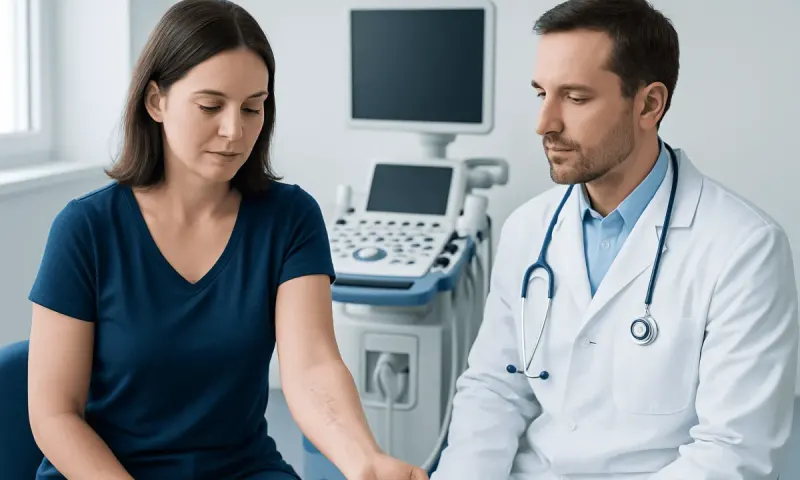
Shingles vs. Poison Ivy: Rash Differences

Shingles and poison ivy can both cause red, blistering skin eruptions, but their pattern, symptoms, and treatment needs differ. Shingles is a viral reactivation that commonly causes pain on one side of the body, while poison ivy is an allergic skin reaction that is usually intensely itchy after contact with the plant oil.
Shingles vs Poison Ivy: A Quick Side-by-Side Comparison
Shingles and poison ivy may both produce red skin, small fluid-filled blisters, and discomfort. The main difference is that shingles is caused by reactivation of the varicella-zoster virus, the virus that causes chickenpox, whereas poison ivy is an allergic contact dermatitis caused by urushiol, an oily resin found in poison ivy, poison oak, and poison sumac.
| Feature | Shingles | Poison ivy |
|---|---|---|
| Cause | Reactivation of varicella-zoster virus | Allergic reaction to urushiol plant oil |
| Main feeling | Burning, pain, tenderness, tingling, or itching | Intense itching is most typical |
| Rash pattern | Usually a band or cluster on one side of the body | Often streaks, lines, or patches at areas of contact |
| Timing | Symptoms may start before the rash; blisters usually crust over in 7 to 10 days | May begin hours to several days after exposure and can continue to appear as contaminated items contact skin |
| Contagiousness | The virus can spread from blister fluid to people without immunity to chickenpox | Not contagious; rash fluid does not spread the reaction |
| Typical treatment | Early medical evaluation and, when appropriate, antiviral medicine | Decontamination, itch relief, and sometimes prescription anti-inflammatory treatment |
Because the early stages can overlap, a new blistering rash should not be diagnosed from appearance alone, particularly when it is painful, near the eye, widespread, or accompanied by fever or feeling unwell. A healthcare professional can consider other conditions as well, including bacterial skin infection, herpes simplex, insect reactions, eczema, and other forms of dermatitis.
How a Clinician Tells Them Apart
Clinicians begin by asking about the rash timeline and recent exposures. A history of gardening, hiking, yard work, handling firewood, or contact with a pet that may have brushed through plants supports poison ivy. It is important to remember that urushiol can remain on clothing, shoes, tools, and animal fur, so a person may not recall touching the plant directly.
Shingles is more likely when pain, tingling, burning, or skin sensitivity develops before visible blisters. The eruption generally follows the path of one sensory nerve, called a dermatome. It commonly affects the chest, abdomen, back, face, or scalp and usually stays on one side without crossing the body’s midline.
The shape of the rash also offers useful clues. Poison ivy often produces very itchy linear streaks or irregular patches on exposed areas such as the hands, forearms, legs, neck, or face. Shingles tends to create closely grouped blisters over a red base in a more localized band-like pattern. However, these features are not absolute, and medical assessment is appropriate when there is uncertainty.
Most cases can be identified through the history and skin examination. If the diagnosis remains unclear, especially in an unusual or severe rash, a clinician may take a sample from a blister for laboratory testing. This can help identify varicella-zoster virus or rule out another cause.
Understanding Shingles
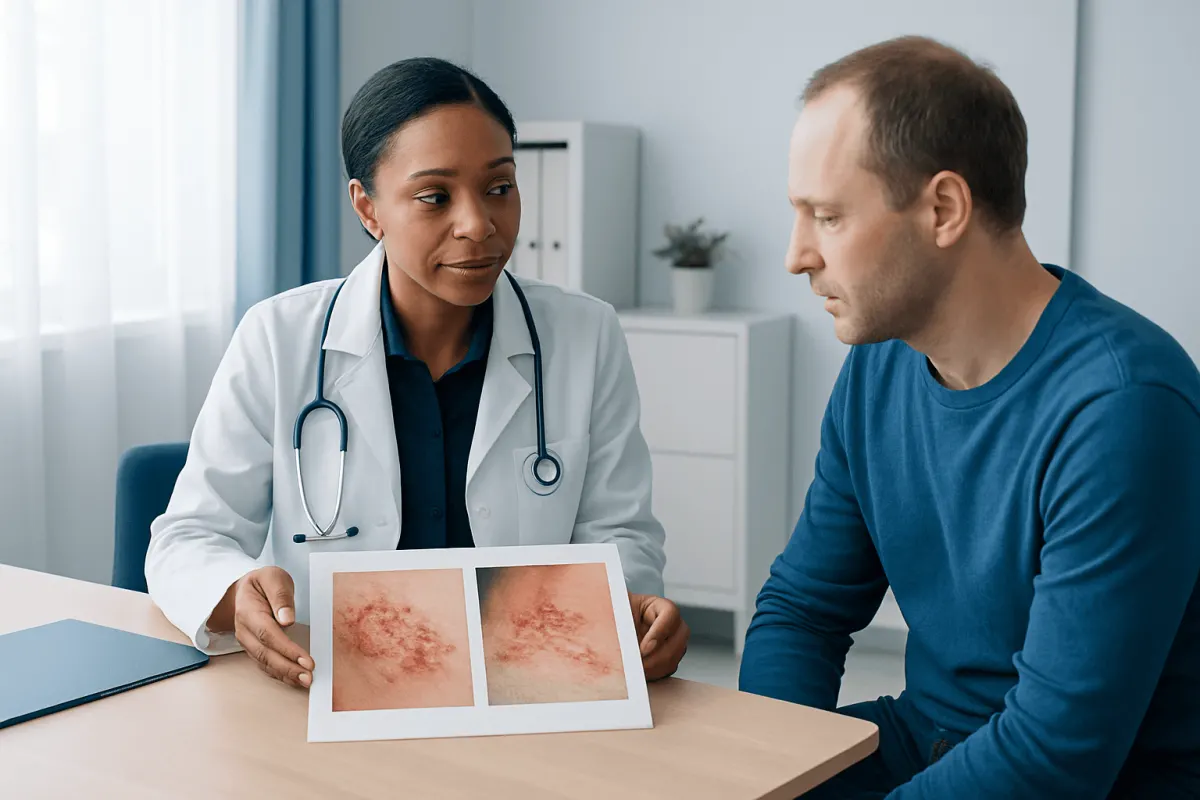
Shingles, also called herpes zoster, occurs when varicella-zoster virus becomes active again after a previous chickenpox infection. After chickenpox resolves, the virus remains inactive in nerve tissue and can reactivate years later. Shingles is not caused by contact with poison ivy, poor hygiene, or a new chickenpox exposure.
Before the rash appears, some people notice localized pain, itching, sensitivity to touch, or tingling for several days. This is followed by clusters of blisters that may be painful. The blisters eventually dry and crust. Some people also have headache, fatigue, or a mild fever.
Age, a weakened immune system, certain medical treatments, and some chronic health conditions can increase the likelihood of shingles. The illness can occur in otherwise healthy adults as well. A key concern is postherpetic neuralgia, persistent nerve pain that may continue after the rash heals, especially in older adults.
More information about the condition is available in this overview of shingles. Prompt assessment matters because antiviral treatment may shorten the illness and reduce the chance of complications when it is appropriate and started early.
Understanding Poison Ivy Rash
Poison ivy rash is a type of allergic contact dermatitis. It develops when urushiol reaches the skin and triggers an immune reaction. Not everyone reacts after a first exposure, but sensitivity can develop over time. The rash is not an infection and does not mean that the plant has “poisoned” the body.
Itching is often the dominant symptom and can be severe. Redness, swelling, bumps, and blisters may develop where the oil contacted the skin. New areas may seem to appear over several days because different skin sites absorbed different amounts of oil or because contaminated objects transferred the oil later. The fluid from blisters does not contain urushiol and cannot spread the rash.
After suspected exposure, washing the skin promptly with soap and cool water may reduce the amount of oil left on the skin. Clothing, gardening gloves, footwear, equipment, and other potentially contaminated objects should also be washed carefully. Hot water and vigorous scrubbing may further irritate affected skin.
Most mild cases improve with avoidance of further exposure, cool compresses, soothing skin care, and nonprescription treatments recommended by a pharmacist or clinician. A clinician may recommend stronger anti-inflammatory treatment when the rash is extensive, affects the face or genitals, causes major swelling, or interferes with sleep and daily activities.
What to Do for Each Type of Rash
For suspected shingles, a person should contact a healthcare professional as soon as possible, particularly if the rash began recently. Antiviral medicines may be recommended depending on the person’s age, health history, rash location, severity, and timing. Keeping the rash clean and covered, wearing loose clothing, and using clinician-recommended pain relief can improve comfort.
Until shingles blisters have crusted over, people should avoid direct contact between the rash and individuals who have never had chickenpox or the chickenpox vaccine, pregnant people without known immunity, newborns, and people with weakened immune systems. Shingles does not directly cause shingles in another person, but the virus can cause chickenpox in someone who is not immune.
For poison ivy, the first priority is removing any remaining urushiol from skin and belongings. Cool wet compresses, colloidal oatmeal baths, and calamine-based products may help some people manage itching. Blisters should not be deliberately opened, as broken skin can become irritated or infected.
Oral antihistamines may help some people sleep if itching is disruptive, but they do not remove the underlying skin inflammation. A pharmacist or clinician can help a person choose an appropriate option, particularly if they take other medicines, are pregnant, have chronic health conditions, or are treating a child.
Prevention and Self-Care
Shingles prevention includes vaccination for eligible adults according to local public health guidance. Vaccination can lower the chance of shingles and its complications, including persistent nerve pain. A clinician can advise on eligibility for people with immune conditions, previous shingles, or prior chickenpox vaccination.
Poison ivy prevention centers on recognizing and avoiding the plant. It commonly has clusters of three leaflets, but appearance can vary by season and region. Wearing long sleeves, long trousers, gloves, and closed shoes during outdoor work can reduce skin exposure. Barrier products designed for urushiol may offer additional protection when used as directed.
After spending time in areas where poison ivy may grow, showering and washing clothing and gear can prevent delayed transfer of urushiol. Pets do not usually develop poison ivy rash, but their fur can carry plant oil to people. Gloves should be used when handling potentially contaminated items.
Neither rash should be treated with home remedies that irritate or burn the skin. Scratching can worsen inflammation and raise the risk of secondary infection. Keeping fingernails short and covering the rash lightly when needed may help protect the skin.
When to Seek Medical Care
Prompt medical care is recommended for a possible shingles rash near the eye, on the face or scalp, inside the ear, or with changes in vision, eye pain, facial weakness, dizziness, or hearing symptoms. These locations can require urgent treatment to help prevent complications. People who are pregnant, immunocompromised, or experiencing a widespread blistering rash should also seek timely assessment.
For either suspected shingles or poison ivy, medical advice is important if there is fever, rapidly spreading redness, increasing warmth, pus, severe swelling, worsening pain, or signs that the skin may be infected. Emergency care is needed for trouble breathing, swelling of the lips, tongue, or throat, confusion, or severe illness.
A poison ivy rash affecting the eyes, face, genitals, or large areas of the body should be reviewed by a clinician. Medical evaluation is also helpful when over-the-counter measures are not controlling symptoms or the diagnosis is uncertain.
Acıbadem Health Point’s multidisciplinary specialists and JCI-accredited hospitals evaluate skin rashes and provide care for international patients when further assessment or treatment is needed.
Frequently asked questions
01Is shingles more itchy or painful than poison ivy?
Shingles can itch, but burning, tingling, tenderness, or pain is often more prominent. Poison ivy is usually characterized by intense itching, although inflamed areas may also sting or feel sore. Symptom intensity varies between individuals.
02Can poison ivy appear on only one side of the body?
Yes. Poison ivy can affect one side if that is where skin contacted urushiol. However, a one-sided band of closely grouped painful blisters, especially without a clear outdoor exposure, is more suggestive of shingles and should be assessed.
03Can shingles spread from one part of the body to another?
In most people with a healthy immune system, shingles remains localized to one dermatome. Touching the rash does not typically cause it to spread elsewhere on the same person. Widespread blisters or a rash affecting multiple areas needs medical evaluation, particularly in people with weakened immunity.
04How soon does poison ivy rash appear after exposure?
The reaction may begin within hours in a highly sensitive person, but it often appears one to two days after exposure and can take longer. Different areas may develop rash at different times because of varying contact or delayed transfer from contaminated objects. Washing soon after exposure may reduce the reaction.
05Should a person see a doctor for suspected shingles?
Yes, it is sensible to contact a clinician promptly for a new rash that may be shingles. Antiviral treatment is most useful when started early, and a clinician can identify rashes that need urgent attention, especially those near the eye or ear. Early advice is also important for people who are older or immunocompromised.
06Is poison ivy contagious through blister fluid?
No. Poison ivy blister fluid does not contain urushiol and cannot spread the rash to another person or another body part. The rash can seem to spread only when residual plant oil is transferred from clothing, gear, pets, or other contaminated surfaces.
This article is for general information only and is not a substitute for professional medical advice. Please consult a qualified doctor about your individual situation.
Explore treatments in Turkey — costs, top hospitals & a free quote
JCI-accredited · board-certified surgeons · reply within 24h
Add us as a Preferred Source to see more of our trusted health content across Google Search, AI Overviews and Discover.