When Sex Hurts: Common Causes and Care Options
When sex hurts, it is not something a person needs to simply endure. Pain during sexual activity can result from physical, hormonal, emotional, or relationship-related factors, and a careful medical assessment can identify appropriate support and treatment.
Overview: Why Sex Can Hurt
Sex hurts when tissues, muscles, nerves, or deeper pelvic structures are irritated, inflamed, too dry, injured, or under strain. The medical term for persistent or recurrent genital pain before, during, or after intercourse is dyspareunia. It can affect vaginal, vulvar, penile, anal, pelvic, or lower abdominal areas, depending on the activity and the individual.
Discomfort may feel like burning, stinging, tearing, pressure, cramping, sharp pain, or deep aching. Some people experience pain only with penetration; others notice it with touch, arousal, orgasm, urination afterward, or particular positions. Pain is not a sign that a person is “failing” at sex, and it should not be dismissed as normal.
There is often more than one contributing factor. For example, an initial episode of pain from an infection or dryness can lead to involuntary tightening of pelvic floor muscles and worry about future pain. This can create a cycle in which the body anticipates discomfort. Identifying the factors involved can make the problem more manageable.
Patterns of Pain That Can Help Explain the Cause
The point at which pain occurs can guide the medical evaluation. Pain at the entrance to the vagina, around the vulva, or at the penis may be linked with dryness, skin irritation, infection, injury, or tightening of the pelvic floor. Deep pelvic pain with thrusting may suggest that internal pelvic organs or muscles are involved.
For people with a vagina, symptoms may occur after childbirth, during breastfeeding, around menopause, or following pelvic surgery. These times can involve hormonal changes, healing tissues, scar sensitivity, or changes in pelvic floor function. For people with a penis, pain may be related to inflammation, skin problems, injury, curvature, prostate conditions, or pelvic muscle tension.
Anal pain during sex can arise from inadequate lubrication, fissures, hemorrhoids, infection, muscle spasm, inflammatory bowel conditions, or trauma. Pain can also happen in people of all genders after a urinary tract infection, sexually transmitted infection, genital skin condition, or previous surgery.
- Entry pain: often felt at the opening or surface during attempted penetration.
- Deep pain: felt in the pelvis, lower abdomen, rectum, or deep inside the vagina.
- After-sex pain: discomfort that continues after activity, sometimes with urinary symptoms or muscle soreness.
- Situational pain: pain only with certain positions, activities, products, or partners.
Physical Causes and Risk Factors

Insufficient lubrication is a frequent and treatable reason sex hurts. It may occur when arousal is rushed, when there is not enough stimulation for the individual, or because of hormonal changes. Vaginal dryness is especially common during perimenopause and menopause, after childbirth, while breastfeeding, and with some medicines. A water-based or silicone-based lubricant may reduce friction, although people should choose products compatible with any condoms or devices they use.
Infections can also cause pain, including yeast infections, bacterial imbalances, urinary tract infections, and sexually transmitted infections. Itching, unusual discharge, sores, odor, burning with urination, or pelvic discomfort may occur, but some infections have few or no obvious symptoms. Testing is important when an infection is possible, rather than self-treating repeatedly.
Other possible causes include vulvar skin conditions, eczema, psoriasis, allergic contact dermatitis, scar tissue, genital injuries, and pelvic floor muscle overactivity. Deep pain may be associated with conditions such as endometriosis, ovarian cysts, fibroids, pelvic inflammatory disease, bladder pain syndrome, bowel conditions, or pelvic adhesions. Endometriosis is one condition that can contribute to deep pain during or after intercourse, particularly when it is accompanied by painful periods or chronic pelvic pain.
For people with a penis, medical causes can include inflammation of the glans or foreskin, urinary or prostate inflammation, a tight foreskin, penile injury, and Peyronie’s disease, which may cause curvature and painful erections. Diabetes, neurological conditions, pelvic surgery, radiation therapy, and certain medications can also alter sensation, erections, lubrication, or tissue health.
The Role of Pelvic Floor, Stress and Emotional Wellbeing
Sexual pain is physical, even when stress, fear, past experiences, or relationship concerns contribute to it. The pelvic floor is a group of muscles supporting the bladder, bowel, and reproductive organs. These muscles may tighten automatically in response to anticipated pain, anxiety, previous injury, or trauma. Tight muscles can make penetration difficult or painful and may cause aching afterward.
For some people, the body responds to attempted vaginal penetration with involuntary muscle tightening. This pattern is often described within the spectrum of genito-pelvic pain/penetration disorder. It is not deliberate, and it can improve with compassionate, gradual care that addresses both body and mind.
Changes in desire, communication difficulties, pressure to continue sexual activity, anxiety, depression, and previous unwanted sexual experiences can influence arousal and muscle tension. These factors do not mean that symptoms are “all in the mind.” They are relevant parts of a whole-person assessment. Trauma-informed care, counseling, sex therapy, or psychological support can be useful alongside medical treatment when appropriate.
How Clinicians Diagnose Pain During Sex
A clinician will usually begin by asking where the pain occurs, how long it has been present, what it feels like, and whether it is connected with specific activities, menstrual cycles, erections, urination, bowel movements, medications, childbirth, surgery, or infections. A person can bring notes about symptoms and may request a clinician of a particular gender, a support person, or pauses during the appointment where possible.
The examination should be explained in advance and performed only with informed consent. Depending on the symptoms, it may include an external genital skin examination, a gentle pelvic or rectal examination, and assessment of pelvic floor muscle tenderness. A person may decline or stop an examination at any time.
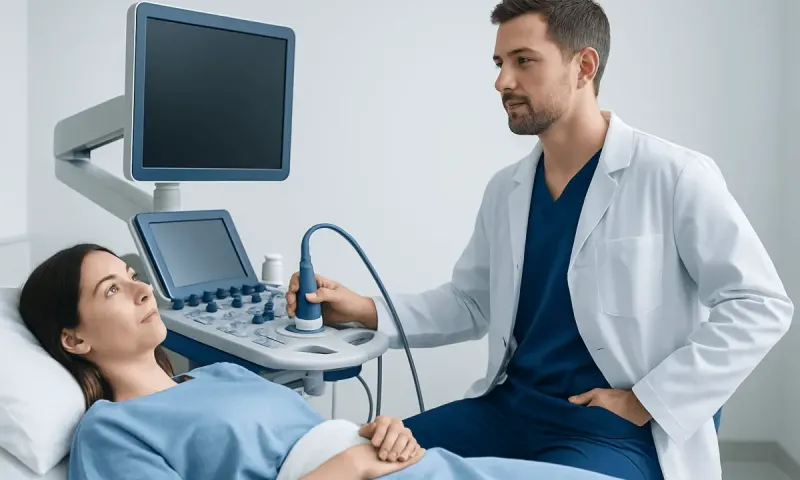
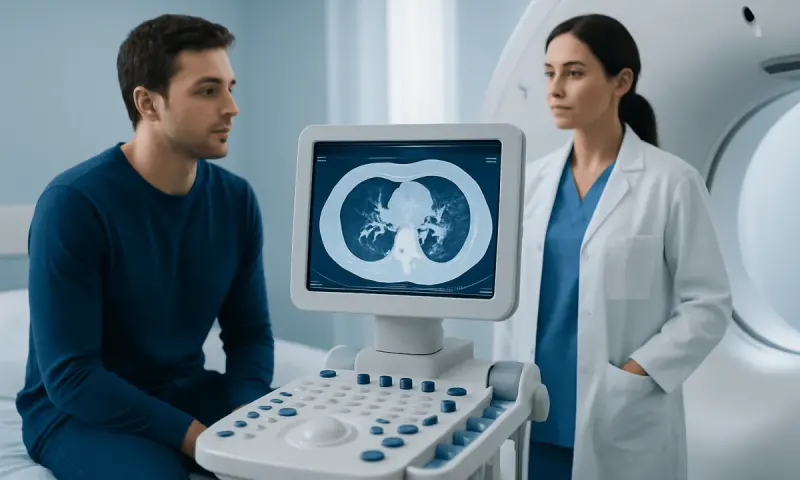
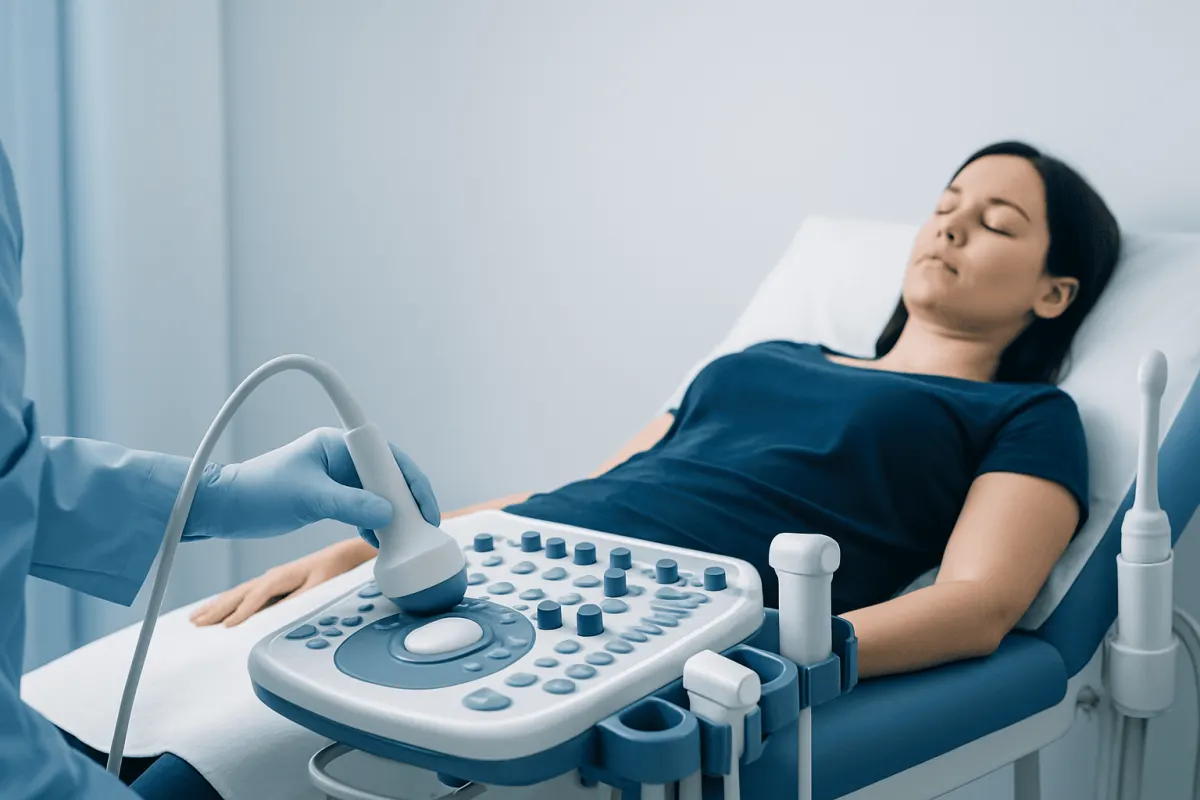
Tests may include urine testing, swabs for infection, sexually transmitted infection screening, pregnancy testing when relevant, blood tests, or ultrasound imaging. Further imaging or referral to gynecology, urology, dermatology, gastroenterology, pain medicine, or pelvic floor physiotherapy may be recommended based on the findings.
Treatment Options and Practical Steps
Treatment depends on the cause and may involve more than one approach. Treating an infection, changing an irritating product, managing a skin condition, or addressing hormonal dryness can relieve symptoms. Clinicians may recommend lubricants, moisturizers, local hormonal treatment when appropriate, or medicines for a diagnosed condition. The right option depends on medical history and should be discussed with a qualified professional.
Pelvic floor physiotherapy can help people learn to relax, coordinate, and gradually strengthen pelvic floor muscles when muscle tension or weakness contributes to pain. It may include education, manual techniques, breathing exercises, movement work, and a paced return to comfortable sexual activity. Pelvic floor rehabilitation can be particularly helpful when pain is associated with muscle guarding or symptoms after childbirth or pelvic surgery.
During recovery, it is reasonable to pause or modify activities that cause pain. Slower arousal, more time for communication, generous use of suitable lubricant, and choosing non-penetrative intimacy can reduce pressure on the body. Pain should be treated as a signal to stop or adjust, not something to push through.
When deeper pelvic conditions are suspected, specialist care may be needed. Management may include pain-focused treatment, hormone-based options, physiotherapy, counseling, or surgery in selected cases. Gynecology care can help coordinate assessment for persistent pelvic or reproductive health symptoms.
Prevention and Self-Care
Not every cause of painful sex can be prevented, but several habits may lower the risk of irritation and friction. Allowing enough time for arousal, using a compatible lubricant, and avoiding fragranced genital washes, douches, or products that cause burning can protect sensitive tissues. The vulva and penis generally need gentle external cleansing with water or a mild, non-irritating product if needed.
Condoms and other barrier methods can reduce the risk of many sexually transmitted infections. Regular sexual health screening may be appropriate for people with new or multiple partners, symptoms, or possible exposure. It is also helpful to discuss testing and contraception openly with partners where this feels safe.
Communication matters. Partners can agree that either person can slow down, change activity, or stop at any point. If there is fear of pain, starting with less intense forms of intimacy and progressing only when comfortable can support confidence. Persistent symptoms deserve clinical evaluation rather than repeated self-treatment.
When to Seek Medical Care
A person should arrange a medical appointment if pain during sex is recurrent, lasts beyond a short period, affects intimacy or quality of life, or occurs with dryness, itching, discharge, sores, urinary symptoms, erectile pain, or pelvic discomfort. Assessment is also advisable after childbirth or surgery if healing does not seem comfortable, and whenever a sexually transmitted infection may be possible.
Urgent medical care is needed for severe or sudden pelvic, testicular, abdominal, or rectal pain; fever; fainting; heavy vaginal or rectal bleeding; vomiting; a painful erection that does not go away; or pain during pregnancy with bleeding or cramping. A person should seek prompt support after sexual assault or any unwanted sexual contact; healthcare teams can provide confidential medical care and connect people with local support services.
Acıbadem Health Point’s multidisciplinary specialists and JCI-accredited hospitals assess and treat sexual pain and related pelvic health concerns for international patients. A clinician can help determine whether symptoms need gynecologic, urologic, pelvic floor, dermatologic, or sexual health support.
Frequently asked questions
01Is it normal for sex to hurt?
Brief discomfort can happen occasionally, especially with insufficient lubrication, a new activity, or temporary irritation. However, recurring, significant, or distressing pain is not something a person needs to accept as normal. A healthcare professional can help identify and treat possible causes.
02Can vaginal dryness make sex hurt?
Yes. Dryness can increase friction and lead to burning, tearing sensations, or soreness during and after penetration. It may be related to arousal, hormonal changes, medicines, breastfeeding, menopause, or other health factors, and lubricants or medical treatment may help.
03Why does sex hurt deep inside the pelvis?
Deep pain can be related to pelvic floor muscle tension, certain positions, infections, endometriosis, ovarian cysts, fibroids, bowel or bladder conditions, or previous pelvic surgery. The pattern of pain and associated symptoms help guide assessment. Persistent deep pain should be discussed with a clinician.
04Can anxiety cause pain during sex?
Anxiety can contribute to involuntary pelvic floor tightening, reduced arousal, and increased sensitivity to discomfort. This does not mean the pain is imaginary. Supportive medical care, pelvic floor therapy, and counseling when needed can address both physical and emotional contributors.
05Should a person keep having sex if it hurts?
It is usually best to stop or change the activity when pain occurs rather than pushing through it. Continuing despite pain can increase irritation, muscle guarding, and worry about future sexual activity. Non-penetrative intimacy and clear communication can help while the cause is being addressed.
06What doctor should someone see for painful sex?
A primary care clinician, gynecologist, urologist, or sexual health clinician can be an appropriate first point of contact. Depending on symptoms, they may refer to a pelvic floor physiotherapist, dermatologist, gastroenterologist, pain specialist, or mental health professional. The best pathway depends on the location and likely cause of pain.
This article is for general information only and is not a substitute for professional medical advice. Please consult a qualified doctor about your individual situation.
Explore treatments in Turkey — costs, top hospitals & a free quote
JCI-accredited · board-certified surgeons · reply within 24h
Add us as a Preferred Source to see more of our trusted health content across Google Search, AI Overviews and Discover.