Granulomatous Disease: Symptoms, Causes, and Treatment Options
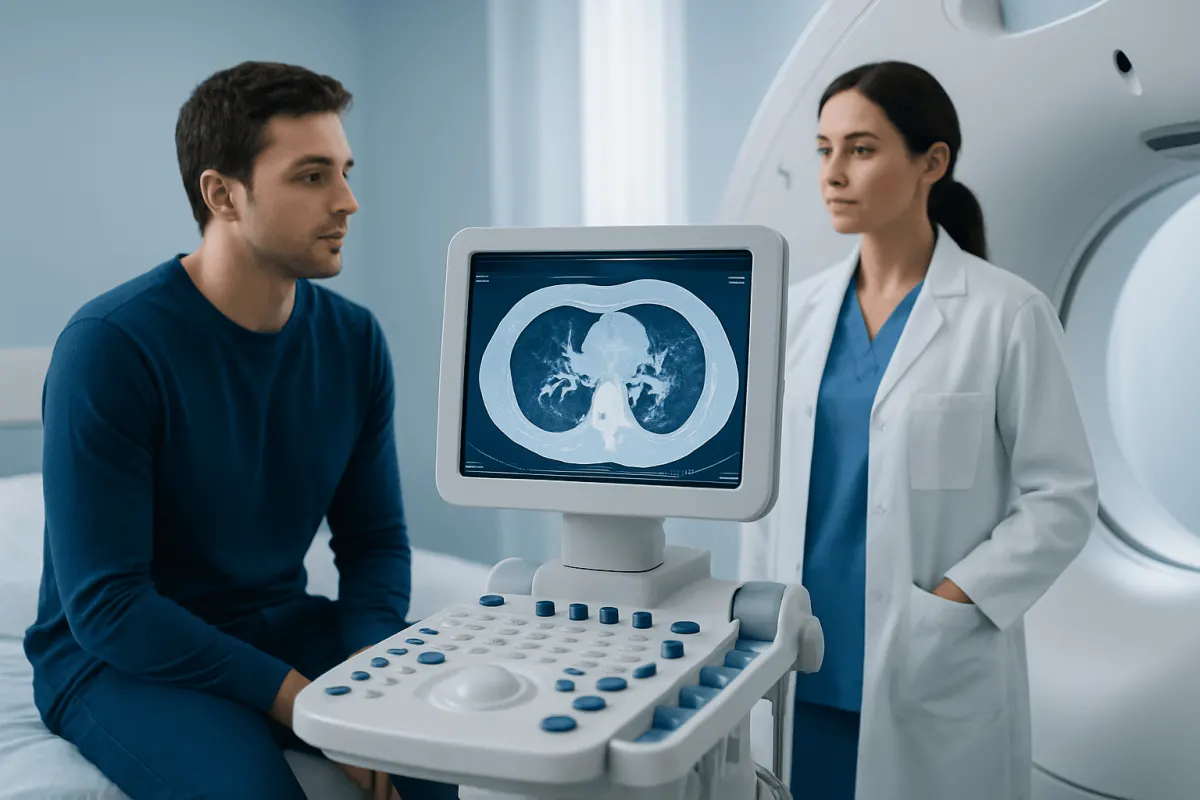
Maybe a scan you had for something else showed “granulomas,” and now you are trying to work out what that word means for you. Granulomatous disease describes a group of conditions in which the immune system forms small clusters of inflammatory cells called granulomas. Symptoms, severity, and treatment vary widely depending on the cause and which organs are affected. That is why diagnosis focuses on identifying the underlying trigger rather than the granulomas alone.
Overview: What granulomatous disease means
Granulomas are tiny, organized clusters of immune cells, and granulomatous disease is the umbrella name for the conditions that produce them. These clusters develop when the immune system tries to isolate something it sees as difficult to clear, such as certain infections, inflammatory triggers, or foreign material. In some people, granulomas cause few problems; in others, they can interfere with how an organ works.
This term can describe several different situations. It may refer to granulomatous inflammation found on a biopsy, to diseases such as sarcoidosis or tuberculosis that commonly produce granulomas, or to chronic granulomatous disease, a rare inherited immune disorder that affects the body’s ability to fight certain germs. Since one name covers several different situations, you need a proper evaluation to pin down which type you actually have.
Granulomas can form in many parts of the body. The lungs are among the most common sites, but the skin, eyes, liver, lymph nodes, bowel, and other tissues may also be involved. The symptoms a person notices usually depend more on the organ affected and the underlying cause than on the granuloma itself.
How granulomatous disease affects the body
A granuloma forms when immune cells gather around a target they cannot easily remove. Macrophages, lymphocytes, and other immune cells build a small barrier-like structure. This can be helpful in limiting the spread of an infection or irritant, but ongoing inflammation may also lead to tissue damage, scarring, or reduced organ function over time.
Doctors often describe granulomas as either infectious or noninfectious. Infectious granulomas may be caused by bacteria, fungi, parasites, or less commonly other microbes. Noninfectious granulomas are linked to immune system disorders, inflammatory diseases, inhaled substances, certain medicines, and sometimes unknown causes.
One reason diagnosis can be complex is that similar-looking granulomas may occur in different diseases. For example, lung granulomas may be seen with sarcoidosis, healed infection, or occupational exposure. A biopsy can show the pattern of inflammation, but the full diagnosis usually depends on the person’s symptoms, medical history, imaging results, and laboratory testing.
Symptoms and possible organ involvement

Symptoms of granulomatous disease vary widely. Some people have no symptoms and learn about it only after an imaging scan or biopsy done for another reason. Others develop fatigue, fever, weight loss, night sweats, or ongoing discomfort related to the affected organ.
When the lungs are involved, common symptoms may include a persistent cough, shortness of breath, chest discomfort, or wheezing. Skin involvement may appear as bumps, nodules, rashes, or tender areas. Eye involvement can cause redness, pain, blurred vision, or sensitivity to light. Granulomas in the liver or lymph nodes may cause few early symptoms but may be found during tests for enlarged nodes or abnormal blood work.
Depending on the cause, symptoms can include:
- Persistent cough or breathlessness
- Fever or unexplained fatigue
- Swollen lymph nodes
- Skin lesions or nonhealing nodules
- Eye irritation or vision changes
- Joint pain
- Abdominal pain, diarrhea, or weight loss if the digestive tract is involved
Children with chronic granulomatous disease, the inherited immune disorder, may have repeated bacterial or fungal infections, slow healing, abscesses, or severe infections that recur in the lungs, skin, liver, or lymph nodes. That condition is different from granulomatous inflammation caused by other illnesses, even though the names sound similar.
Causes and risk factors
There is no single cause of granulomatous disease. In many cases, the body is reacting to a specific trigger. Infections are a major cause worldwide, especially tuberculosis and some fungal infections. Inflammatory and immune-mediated conditions are also common causes, including sarcoidosis and inflammatory bowel diseases such as Crohn’s disease.
Other possible causes include inhaled irritants, occupational dust exposure, foreign bodies, and certain medications. In some people, no definite trigger is identified even after careful testing. Doctors then look for patterns of organ involvement and monitor for changes over time.
Risk factors depend on the suspected cause but may include:
- Exposure to tuberculosis or endemic fungi
- A personal or family history of autoimmune or inflammatory disease
- Occupational exposure to dusts, metals, or organic particles
- Smoking or chronic lung irritation
- A weakened immune system
- Male relatives with a history of chronic granulomatous disease, in inherited cases
Some causes spread from person to person and others do not, so please don’t guess what your granulomas mean from symptoms alone. The same finding on a scan can reflect a past healed infection in one person and active inflammatory disease in another.
How doctors diagnose granulomatous disease
Diagnosis begins with a detailed history and physical examination. Doctors ask about symptoms, travel, occupational exposures, family history, current medications, and any known immune problems. This helps narrow the list of possible causes before further tests are chosen.
Testing often includes blood work, chest X-ray or CT scan, and organ-specific studies depending on symptoms. If lung involvement is suspected, specialists may use bronchoscopy to examine the airways and collect samples. Imaging can show where granulomas are located, but it usually cannot identify the cause on its own.
Many people also need a biopsy, which allows a pathologist to examine tissue under a microscope. Special stains and cultures may be used to look for bacteria, fungi, or other infectious causes. In selected cases, PET-CT imaging or image-guided tissue sampling may help define the extent of disease or obtain a diagnosis from a deeper area.
When chronic granulomatous disease is suspected, doctors may order immune function tests and genetic testing. This is especially relevant in children or adults with a history of recurrent unusual infections. The goal of diagnosis is not only to confirm granulomatous inflammation, but to determine why it is happening and whether treatment is needed urgently.
Treatment options and long-term outlook
Treatment for granulomatous disease depends entirely on the cause, severity, and organs involved. Some granulomas do not need immediate treatment and can simply be monitored, especially if they represent old healed infection or are not causing symptoms. Active disease, however, may require targeted therapy to prevent complications.
If an infection is responsible, treatment may include antibiotics, antifungal medication, or other antimicrobial therapy chosen for the specific organism. If the cause is inflammatory or immune-related, doctors may recommend corticosteroids or other immune-modulating medicines. In people with chronic granulomatous disease, care often focuses on preventing infections, treating them early, and managing immune complications with specialist support.
Procedures or surgery are sometimes needed if granulomas cause blockage, abscesses, bleeding, or damage in a particular organ. For example, treatment planning may involve respiratory medicine, infectious diseases, gastroenterology, dermatology, rheumatology, ophthalmology, or surgery depending on the case. When bowel involvement is related to inflammatory disease, doctors may also evaluate options used for Crohn’s disease treatment.
The outlook varies. Many people do well once the underlying cause is identified and managed. Others need ongoing follow-up to monitor symptoms, imaging findings, organ function, and response to treatment. When the diagnosis is being finalised or a treatment plan is being drawn up, a centre with several specialties under one roof can help. Acıbadem Health Point’s JCI-accredited hospitals care for international patients with complex inflammatory, infectious, and immune-related conditions.
Self-care, monitoring, and prevention
Self-care does not replace medical treatment, but it can support recovery and help reduce complications. A person with granulomatous disease should attend follow-up appointments, take medicines exactly as prescribed, and report any new symptoms promptly. If the lungs are involved, avoiding smoking and secondhand smoke is especially important.
Prevention focuses on the likely cause. Good infection prevention habits, recommended vaccines, and avoiding known environmental or occupational triggers may help in some situations. People with inherited immune disorders may need individualized prevention plans from specialists, including monitoring for early signs of infection.
Helpful steps may include:
- Keeping a record of symptoms, fevers, and medication side effects
- Following advice about blood tests, scans, or repeat biopsies if needed
- Using protective equipment when exposed to workplace dust or irritants
- Seeking prompt care for persistent cough, fever, skin infections, or eye symptoms
- Maintaining general health with balanced nutrition, rest, and regular activity as tolerated
Some of these treatments dampen the immune system, so check with your doctor before starting any new drug, supplement, or live vaccine. Follow-up is often an important part of care, even after symptoms improve.
When to seek medical care
Medical care is appropriate if symptoms suggest ongoing inflammation or infection, especially when they last more than a few weeks. A person should arrange a medical evaluation for unexplained cough, shortness of breath, swollen lymph nodes, fever, skin nodules, vision changes, or unintentional weight loss.
Urgent medical attention is needed for severe breathing difficulty, chest pain, confusion, high fever, rapidly worsening eye symptoms, or signs of a serious infection such as shaking chills or a painful swollen abscess. People known to have chronic granulomatous disease or another immune disorder should contact their care team early when infection is suspected.
With so many possible causes behind it, getting assessed early makes the diagnosis more accurate and the treatment more effective. A qualified doctor can help determine whether symptoms relate to infection, inflammation, an immune condition, or another health problem entirely.
Frequently asked questions
01Is granulomatous disease the same as chronic granulomatous disease?
No. Granulomatous disease is a broad term for conditions that cause granuloma formation, while chronic granulomatous disease is a specific inherited immune disorder. The inherited disorder makes it harder for the body to kill certain bacteria and fungi, leading to repeated infections.
02Can granulomatous disease be cured?
Sometimes the underlying cause can be fully treated, especially if it is a specific infection or a temporary exposure. In other cases, such as chronic inflammatory conditions, the goal is long-term control rather than a permanent cure. The outlook depends on the cause, organ involvement, and how early treatment begins.
03Is granulomatous disease contagious?
Granulomatous disease itself is not contagious because it is a pattern of inflammation, not one single infection. However, if the cause is an infectious illness such as tuberculosis, that infection may be contagious. Doctors determine this through testing and advise on precautions when needed.
04What tests are usually needed?
Common tests include blood work, imaging such as chest X-ray or CT, and sometimes a biopsy to examine tissue directly. Additional tests may look for infections, autoimmune disease, or immune system problems. The exact testing plan depends on the symptoms and the organs involved.
05Can granulomatous disease affect more than one organ?
Yes. Some causes, especially immune-related or systemic diseases, can involve the lungs, skin, eyes, lymph nodes, liver, and other organs at the same time. This is one reason a coordinated evaluation can be helpful.
06Do all granulomas need treatment?
No. Some granulomas are inactive, healed, or not causing symptoms and may only need observation. Treatment is considered when there is active infection, ongoing inflammation, organ damage, or troublesome symptoms.
This article is for general information only and is not a substitute for professional medical advice. Please consult a qualified doctor about your individual situation.
Persistent digestive symptoms? Get evaluated in Turkey
JCI-accredited · board-certified surgeons · reply within 24h
Add us as a Preferred Source to see more of our trusted health content across Google Search, AI Overviews and Discover.