How Can You Get a UTI? Common Causes
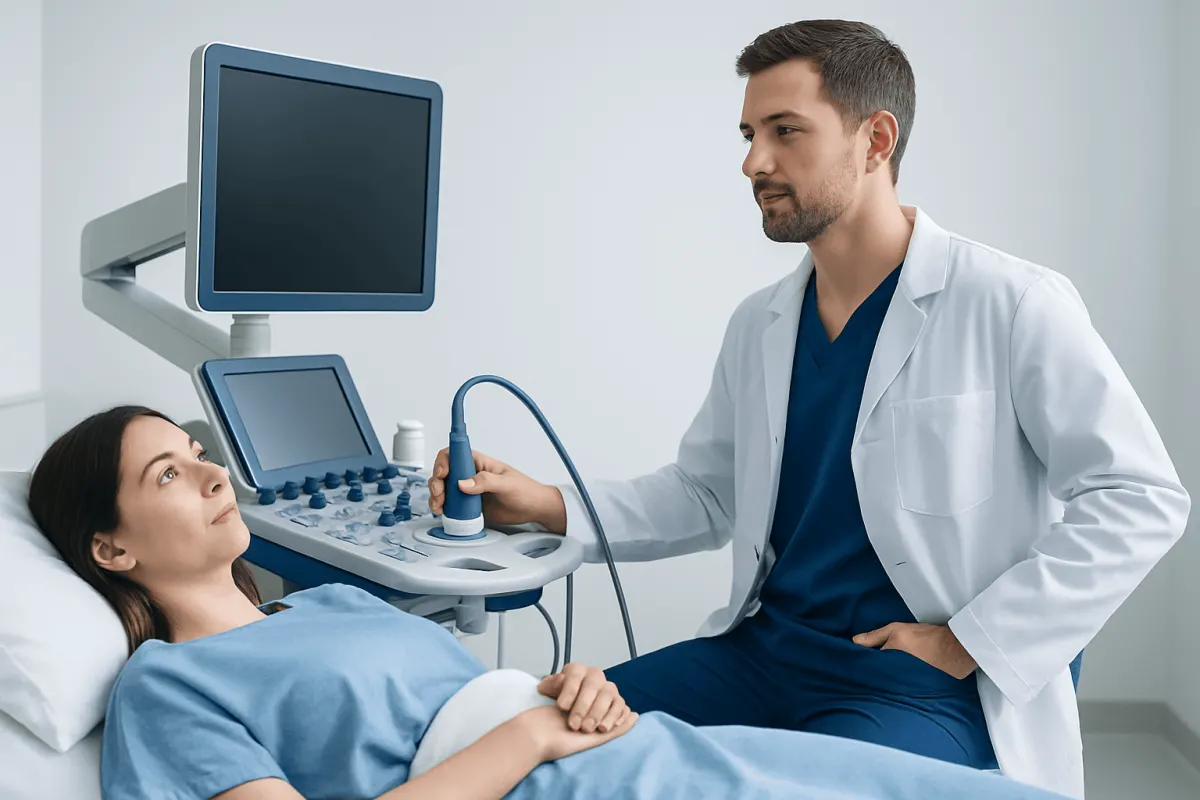
A urinary tract infection (UTI) usually develops when bacteria, most often from the bowel, enter the urethra and multiply in the urinary system. UTIs are common and treatable, but symptoms should be assessed by a clinician because treatment depends on the person, symptoms and possible cause.
How can u get a UTI?
When people ask, “how can u get a UTI?”, the short answer is that a urinary tract infection usually happens when bacteria enter the urethra, the tube that carries urine out of the body, and then multiply in the bladder. The bacteria most often come from the bowel and are commonly Escherichia coli (E. coli). A UTI is not usually something a person catches from casual contact, shared toilets or swimming pools.
The urinary tract includes the kidneys, ureters, bladder and urethra. Most infections affect the bladder or urethra, often called lower UTIs. Less commonly, bacteria travel upward to affect the kidneys; this needs prompt medical attention. A clinician can help confirm whether symptoms are due to a UTI or another condition, as burning or urinary urgency can have several causes.
UTIs are very common, and having one does not mean a person has done anything wrong. Anatomy, life stage, urinary flow and health conditions can all affect susceptibility. Understanding the common pathways can help people take practical preventive steps without blame or unnecessary worry.
What are the major causes of UTI?
The major cause of a UTI is bacterial entry into the urinary tract. Bacteria may move from the skin around the anus or genitals toward the urethra. If they are not cleared out by normal urination, they can multiply. Most UTIs are not sexually transmitted infections, although sexual activity can sometimes make it easier for bacteria to reach the urethra.
Factors that can raise the likelihood of infection include not emptying the bladder completely, dehydration, constipation, urinary stones, a narrowed urinary tract, or an enlarged prostate. A urinary catheter can introduce bacteria, especially when it remains in place for a longer period. Diabetes and conditions or treatments that weaken immune defenses may also make infections more likely or more difficult to clear.
- Sexual activity or use of spermicides and diaphragms
- Urinary blockage, including kidney stones or prostate enlargement
- Recent catheterization or urinary procedures
- Menopause-related changes in vaginal tissues
- Pregnancy and changes that slow urinary drainage
- Incomplete bladder emptying due to neurologic or structural conditions
UTIs can occur in anyone. However, a first UTI in a man, frequent infections, or infection symptoms accompanied by fever may need more detailed evaluation to identify contributing factors.
What are the main causes of UTI in girls?

Girls and women develop UTIs more often than boys and men largely because the urethra is shorter and located closer to the anus. This makes it easier for bowel bacteria to reach the bladder. This explains the common search phrase “how can u get a UTI female”: the main difference is anatomical, not a lack of cleanliness.
In young girls, common contributors include bacteria spreading from the bowel area, constipation, holding urine for long periods, incomplete wiping after toileting, and sometimes irritation from scented products or bubble baths. Irritation itself does not always mean infection, but it can cause similar symptoms. Parents should avoid assuming that pain with urination is a UTI without medical advice, particularly in a child with fever.
For adolescent and adult women, sexual activity can be associated with UTIs because friction may move bacteria toward the urethra. Pregnancy, use of spermicides, menopause, prior UTIs and some pelvic-floor or bladder-emptying problems can also contribute. A clinician may recommend a urine test when symptoms suggest infection, especially if they are severe, recurring or atypical.
Why have I suddenly get a UTI?
A UTI can seem to appear suddenly because bacteria may multiply quickly once they reach the bladder. A recent change such as sexual activity, reduced fluid intake, constipation, a long period without urinating, use of a catheter, or a new urinary stone may be involved. Sometimes there is no obvious trigger, even when a person has never had a UTI before.
Symptoms of a bladder infection may include burning or pain while urinating, an urgent need to urinate, passing small amounts frequently, lower abdominal pressure, and urine that looks cloudy or has a stronger odor. Blood in the urine can occur but should always be discussed with a clinician. Symptoms such as vaginal discharge, genital sores or itching may point to another cause, including irritation or a sexually transmitted infection, rather than a straightforward UTI.
For recurrent symptoms, clinicians may review urine culture results, medications, bowel habits, sexual health, menopausal changes and whether the bladder empties fully. Persistent or repeated infections should not simply be self-treated, as identifying the cause can guide safer and more effective care.
Is it normal to catch a UTI?
UTIs are common, but they are not generally “caught” from another person in the way that colds are. In most cases, a person’s own bowel bacteria enter the urethra. Shared bathrooms, toilet seats, swimming pools and ordinary physical contact are not usual causes of urinary tract infections.
Sex can be associated with UTIs, but a UTI is not automatically a sexually transmitted infection and does not mean either partner has done something wrong. Some sexually transmitted infections can cause burning during urination or urinary discomfort, so testing may be appropriate depending on symptoms, sexual history and examination findings.
For people wondering how can you get a UTI in men, the process is similar: bacteria enter the urethra. UTIs are less common in younger men, so clinicians may consider factors such as prostate inflammation or enlargement, urinary obstruction, stones, catheter use, diabetes or recent procedures. Men with possible UTI symptoms should seek medical advice rather than relying on home treatment alone.
UTIs during pregnancy and treatment options
People asking how can u get a UTI while pregnant should know that pregnancy changes the urinary tract. Hormonal effects and pressure from the growing uterus can slow the flow of urine and make complete bladder emptying harder. These changes can allow bacteria to grow more easily. Some pregnant people have bacteria in the urine without symptoms, which is why urine screening may be recommended during prenatal care.
Possible UTI symptoms during pregnancy should be discussed promptly with a maternity care professional. Testing usually includes a urine sample, and a culture may identify the bacteria and help select an antibiotic that is appropriate for pregnancy. Treatment is important because an untreated infection can move to the kidneys and may create pregnancy complications.
Antibiotics are often used for confirmed bacterial UTIs, with the choice based on the infection, local resistance patterns, allergies, kidney function, pregnancy status and culture results. Completing treatment exactly as prescribed is important. Pain relief, adequate fluids and rest may help comfort, but they do not replace assessment or antibiotics when these are needed.
Evaluation and care may include urine testing, imaging in selected situations and treatment for underlying issues such as stones or blockage. Acıbadem Health Point’s multidisciplinary specialists and JCI-accredited hospitals diagnose and treat urinary conditions for international patients.
Prevention and self-care that may lower UTI risk
Not every UTI can be prevented, but several habits may lower risk. Drinking enough fluid for individual needs and urinating when the urge arises can help the urinary tract flush bacteria. People who notice UTIs after sex may find it helpful to urinate soon afterward and drink water. There is no need for harsh genital cleansing; the genital area should be cleaned gently with water or mild, unscented products if desired.
Wiping from front to back after a bowel movement helps reduce the transfer of bowel bacteria toward the urethra. Addressing constipation may also support regular bladder emptying. If spermicides or diaphragms appear to coincide with repeated UTIs, a clinician can discuss alternative contraceptive options.
For recurrent UTIs, prevention should be individualized. A clinician may check for causes such as incomplete bladder emptying, stones, menopause-related changes or other conditions. Cranberry products may help some people, but evidence is mixed, and they should not be used as a substitute for medical treatment of symptoms. Preventive antibiotics are reserved for selected cases under clinical supervision.
When to seek medical care
Medical advice is appropriate for new urinary symptoms, particularly if symptoms do not improve quickly, recur, or interfere with daily life. A urine test can help distinguish a UTI from other causes and can guide antibiotic choice when treatment is needed. Children, pregnant people and men should contact a clinician promptly if UTI symptoms develop.
Urgent assessment is important for fever, chills, pain in the back or side below the ribs, nausea or vomiting, confusion, marked weakness, or inability to keep fluids down. These can be signs that infection may involve the kidneys or may be more serious. People with diabetes, kidney disease, a weakened immune system, a catheter or a history of urinary obstruction should also seek advice early.
Emergency care is needed if a person is severely unwell, confused, fainting, unable to urinate, or has symptoms that are rapidly worsening. Early assessment is reassuring and helps ensure that any infection is treated appropriately.
Frequently asked questions
01How do you get a UTI infection?
A UTI infection usually develops when bacteria from the bowel area enter the urethra and multiply in the bladder. Sexual activity, urinary blockage, incomplete bladder emptying, catheters and pregnancy can increase the chance of this happening. Casual contact and toilet seats are not typical ways of getting a UTI.
02Can dehydration cause a UTI?
Dehydration does not directly cause a UTI, but drinking too little may mean urinating less often. Less frequent urination can reduce the normal flushing of bacteria from the urinary tract. Regular fluids may help lower risk for some people, unless a clinician has advised fluid restriction.
03How can men get a UTI?
Men can get UTIs when bacteria enter the urethra, just as in women. Risk may be higher with prostate enlargement, urinary retention, stones, catheter use, diabetes or urinary procedures. Because UTIs are less common in younger men, assessment is recommended to look for contributing causes.
04Can sex cause a UTI?
Sex does not directly cause a UTI, but it can move bacteria closer to the urethra and raise risk in some people. Urinating after sex and avoiding spermicides if they appear to trigger repeated infections may help. Symptoms after sex can also have other causes, so testing may be useful.
05Can a UTI go away without antibiotics?
Some mild bladder symptoms may improve, but it is not possible to know safely without assessment whether an infection will clear or spread. Antibiotics are commonly needed for confirmed bacterial UTIs, especially during pregnancy or when symptoms are significant. A clinician can advise on testing and the most appropriate treatment.
06What is the fastest way to know if I have a UTI?
A clinician can assess symptoms and test a urine sample for signs of infection. A urine culture may be used to identify the bacteria, especially for recurrent, complicated or pregnancy-related infections. Burning with urination alone does not confirm a UTI because irritation and sexually transmitted infections can cause similar symptoms.
This article is for general information only and is not a substitute for professional medical advice. Please consult a qualified doctor about your individual situation.
Persistent digestive symptoms? Get evaluated in Turkey
JCI-accredited · board-certified surgeons · reply within 24h
Add us as a Preferred Source to see more of our trusted health content across Google Search, AI Overviews and Discover.