What’s the Best Implant System Dentists Use for Osseointegration Longevity?
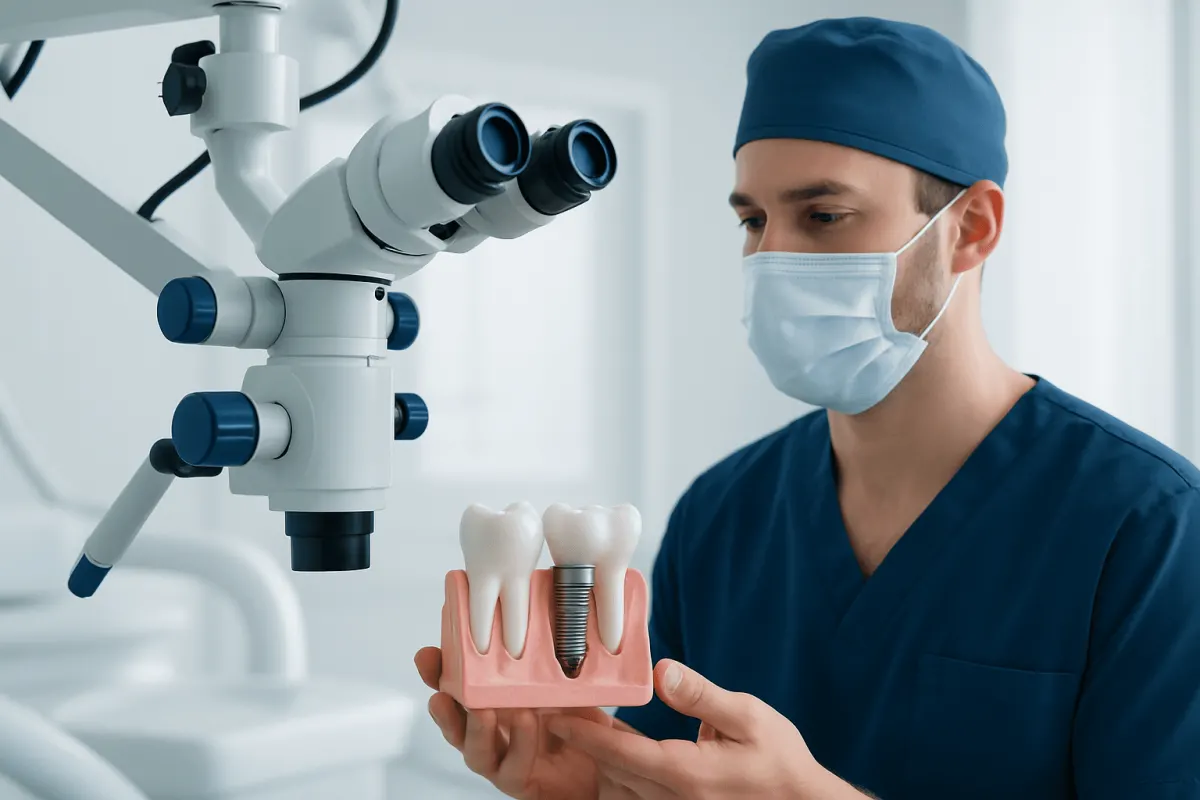
There is no single best implant system for every person. For osseointegration longevity, dentists generally prioritize a proven, high-quality titanium implant system, accurate surgical placement, healthy bone and gums, and reliable long-term maintenance access over a particular brand name.
Overview: What Makes an Implant System Best?
For people asking, “what’s the best implant system dentists use for osseointegration longevity?”, the practical answer is a reputable, evidence-supported system chosen for the individual’s bone, bite, gum health, and restoration plan. No single manufacturer, implant shape, or surface is universally best. A dentist or oral surgeon selects components that are appropriate for the clinical situation and that have dependable long-term documentation and availability.
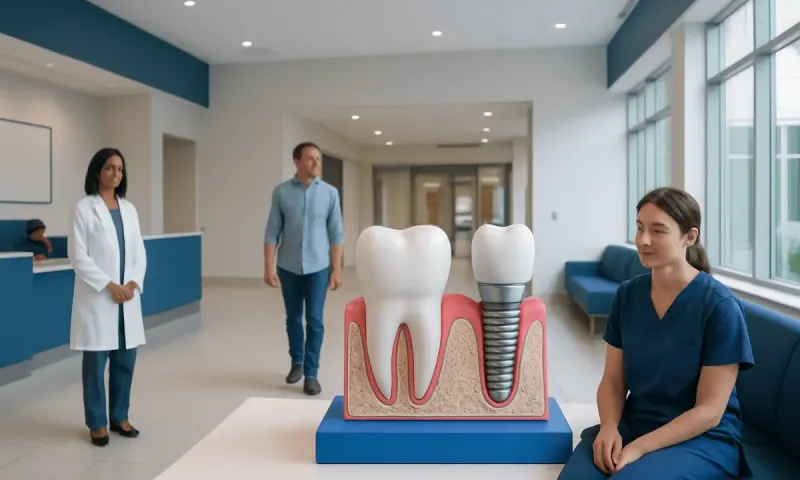
Osseointegration is the biological process in which living bone forms a close, stable connection with an implant surface. Most modern implants are made from titanium or titanium alloy because these materials are biocompatible and have a long record of successful integration. Ceramic implants, usually zirconia, may be suitable in selected cases, but have a shorter long-term evidence base and fewer component options in many settings.
An implant system includes more than the screw-like implant placed in the jaw. It also includes the connection to the abutment, restorative parts, surgical instruments, and replacement components. Choosing an established system can help ensure that compatible parts and professional support remain available if maintenance is needed years later.
How Dental Implant Osseointegration Works
A dental implant replaces a missing tooth root. During placement, the clinician prepares a carefully planned site in the jawbone and inserts the implant with enough initial stability. Healing then allows bone cells to grow onto and around the implant surface, creating the anchorage needed to support a crown, bridge, or denture.
Modern implant surfaces are commonly microtextured or treated to encourage bone healing. These surface features may support early bone response, but they do not replace careful diagnosis, precise positioning, gentle surgical technique, and adequate healing time. The implant must also be positioned so that the final tooth is functional, cleanable, and comfortable.
After integration, an abutment connects the implant to the visible restoration. The dentist designs the crown or bridge to distribute biting forces appropriately and to allow effective cleaning around the gumline. This full treatment plan—not the implant fixture alone—has an important effect on longevity.
- Primary stability: the mechanical steadiness achieved when the implant is placed.
- Osseointegration: biological healing that anchors the implant in bone.
- Restorative fit: accurate connection of the abutment and replacement tooth.
- Maintenance: home care and reviews that protect gum and bone health.
Who May Be a Candidate for Dental Implants?

Dental implants may be considered for adults with one or more missing teeth who have adequate jawbone or who can safely have bone-building treatment when needed. A clinical examination and dental imaging help determine bone volume, bone quality, sinus anatomy in the upper jaw, nerve location in the lower jaw, and the health of nearby teeth and gums.
Healthy gums are particularly important. Active periodontal disease can increase the risk of inflammation and bone loss around implants, known as peri-implant disease. People with a history of gum disease may still be candidates, but they usually need treatment and an individualized maintenance plan before and after implant placement. Readers can learn more about gum disease and why controlling it matters before tooth replacement.
Smoking or tobacco use, heavy alcohol use, Night Guards, and Tooth Wear" class="ahp-ilk">teeth grinding, poor plaque control, and certain medical conditions can affect healing or long-term outcomes. Diabetes should be well controlled where possible. Medicines and health conditions that affect bone metabolism or immune function should be reviewed with the treating clinician and relevant medical specialists. An implant consultation is also an opportunity to discuss alternatives such as a conventional bridge, removable denture, or retaining a tooth when it can be predictably treated.
Dental Implant Procedure: Step by Step
Implant treatment starts with a detailed consultation, medical and dental history, gum assessment, bite evaluation, and imaging such as X-rays or cone-beam CT when appropriate. The clinician uses this information to plan the ideal three-dimensional implant position and to decide whether extraction, bone grafting, sinus augmentation, or gum treatment is necessary before placement.
During implant surgery, local anesthesia is commonly used, with additional sedation options in selected cases. The clinician places the implant into the jawbone and closes the site or places a healing component, depending on the treatment approach. In some carefully selected situations, a temporary tooth can be fitted soon after placement; in others, the site is allowed to heal without loading.
After healing and confirmation of stability, the clinician attaches an abutment and takes digital or conventional impressions for the final restoration. A custom crown, bridge, or implant-supported denture is then fitted and adjusted to achieve a stable bite. Dental implant treatment is therefore a planned process rather than a single appointment, and the sequence can vary based on bone, gum health, and the number of teeth being replaced.
Before proceeding, patients should understand the expected stages, the need for follow-up visits, the proposed restoration, and how they will clean around it. Asking whether the practice uses a well-established system with long-term component availability can be reasonable, but the treatment team’s diagnostic and restorative planning expertise remains central.
Recovery Timeline, Benefits and Possible Risks
Many people experience mild swelling, tenderness, bruising, or minor bleeding after implant surgery. These effects commonly improve over several days, although the precise recovery experience depends on the number of implants placed and whether grafting or extractions were performed. The clinician may recommend a softer diet at first and give individualized instructions for oral hygiene, activity, and pain control.
Bone healing often takes several months, though timelines vary. The dentist will monitor the implant and surrounding tissue before placing or fully loading the final restoration. During this time, patients should avoid chewing hard foods directly on the surgical area unless the treating clinician confirms it is safe.
Potential benefits include fixed tooth replacement, improved chewing, preservation of jawbone in the area of a missing tooth, and avoiding preparation of neighboring teeth for a conventional bridge. Implants can be highly successful when appropriately planned and maintained, but they are not maintenance-free and no system can guarantee lifelong function.
Possible complications include infection, delayed healing, failure to integrate, gum recession, inflammation and bone loss around the implant, loosening or fracture of restoration components, and rarely irritation of nearby nerves or sinus structures. Risks are reduced through careful planning, treatment of gum disease, experienced surgical care, suitable implant selection, and regular aftercare.
Supporting Long-Term Implant Longevity
The most important factors for preserving an implant are consistent plaque control, healthy gums, a balanced bite, and routine professional monitoring. Brush twice daily using a soft brush, clean between teeth and around implant restorations with the products recommended by the dental team, and attend recall visits at the interval advised for individual risk.
People who clench or grind their teeth may benefit from assessment for a protective night guard. Avoiding smoking and tobacco supports healing and reduces the risk of peri-implant disease. A nutritious diet and good management of health conditions such as diabetes also support oral and general health.
Implant crowns and bridges need periodic review even when they feel comfortable. The dentist may check the gums, bite, cleaning access, restoration condition, and supporting bone with examinations and X-rays when clinically indicated. Early attention to bleeding, swelling, discomfort, or a change in bite can help prevent a smaller issue from becoming more complex.
Acıbadem Health Point’s multidisciplinary dental specialists and JCI-accredited hospitals provide assessment and treatment planning for international patients considering dental implants and related oral care.
When to Seek Medical Care
Contact a dentist or oral surgeon promptly if there is increasing pain, swelling, pus, persistent bleeding, fever, a loose implant-supported tooth, or a new unpleasant taste or discharge after implant treatment. These symptoms do not always indicate a serious problem, but they should be assessed rather than managed without professional advice.
Seek urgent medical care for difficulty breathing or swallowing, rapidly spreading facial or neck swelling, or signs of a severe allergic reaction. These are uncommon but require immediate assessment.
People considering implants should arrange a dental consultation if they have missing teeth, loose dentures, difficulty chewing, or concern about bone loss after an extraction. Early evaluation can clarify whether implants, a bridge, a denture, or another option best matches their oral health needs and treatment goals.
Frequently asked questions
01Is titanium the best material for dental implant osseointegration?
Titanium and titanium alloys are the most widely used implant materials and have the strongest long-term clinical record for osseointegration. Zirconia implants can be appropriate for selected people, but suitability depends on the clinical situation, restorative needs, and the dentist’s experience.
02Does the implant brand determine how long an implant lasts?
Brand is only one consideration. A well-established system can offer reliable components and long-term support, but surgical planning, gum health, bone support, bite forces, smoking status, and ongoing cleaning usually have a greater effect on longevity.
03How long does osseointegration take?
Healing commonly takes several months, although the timing varies according to the jaw area, bone quality, implant stability, whether grafting was performed, and overall health. The clinician decides when it is appropriate to place or fully load the final restoration.
04Can an implant fail after it has healed?
Yes. While many implants function well for many years, later problems can occur from inflammation around the implant, bone loss, heavy bite forces, poor cleaning, smoking, or mechanical wear of restoration parts. Regular reviews can identify concerns early.
05Can someone with gum disease receive dental implants?
Active gum disease should usually be treated and stabilized before implant placement. People with a history of periodontal disease may be candidates, but they often need closer professional maintenance because their risk of implant-related gum and bone problems can be higher.
06Are dental implants painful?
The procedure is performed with anesthesia, so pain during surgery is typically controlled. Soreness and swelling can occur afterward, especially if extractions or bone grafting are needed, and the treating clinician will provide personalized recovery guidance.
This article is for general information only and is not a substitute for professional medical advice. Please consult a qualified doctor about your individual situation.
Explore treatments in Turkey — costs, top hospitals & a free quote
JCI-accredited · board-certified surgeons · reply within 24h
Add us as a Preferred Source to see more of our trusted health content across Google Search, AI Overviews and Discover.