What Is the Best Tooth Filling Material?

The best tooth filling material depends on the tooth’s location, the size and depth of the cavity, bite forces, appearance preferences, and overall oral health. Tooth-colored composite resin is commonly chosen for visible teeth, while ceramic, amalgam, and gold can be appropriate in selected situations.
Overview: Choosing the Right Tooth Filling Material
For people asking what is the best tooth filling material, the answer is usually the material that restores the tooth securely while matching the location, size, function, and appearance needs of the cavity. Composite resin is often a preferred choice for front teeth and many small-to-medium cavities because it can closely match natural tooth color. However, a back tooth with a large area of damage may benefit from a more durable restoration such as ceramic, gold, or in some cases amalgam.
A filling repairs a tooth affected by decay, a small fracture, or wear. The dentist removes unhealthy or weakened tooth structure, prepares the area, and places a material designed to seal the tooth and help it function comfortably. The goal is to preserve as much natural tooth structure as possible while reducing the risk of further decay or breakage.
The best dental filling material is therefore a clinical decision rather than a one-size-fits-all choice. It should take account of the tooth’s position, the amount of remaining enamel, whether the person grinds their teeth, the ability to keep the area dry during treatment, and preferences about appearance and longevity. A dentist can also determine whether a filling is sufficient or whether a larger restoration, such as an inlay, onlay, or crown, is needed.
What Material Is Used for Tooth Filling?
Several materials may be used for tooth filling. Direct fillings are placed and shaped in the mouth during one appointment, while indirect restorations are made outside the mouth and then bonded or cemented to the tooth. The main choices have different strengths, limitations, and cosmetic characteristics.
- Composite resin: A tooth-colored material that bonds to the tooth. It is versatile and frequently used in front teeth and many back teeth.
- Dental amalgam: A metal alloy containing mercury combined with other metals. It is durable and has a long history of use, particularly in back teeth.
- Glass ionomer: A tooth-colored material that can release fluoride. It may be useful in certain low-stress areas, around roots, or for temporary restorations.
- Ceramic or porcelain: Usually made as an inlay or onlay for a larger defect. It can provide a natural appearance and good wear resistance.
- Gold alloy: An indirect restoration with excellent durability, though its color and the need for laboratory fabrication may make it less suitable for some people.
Not every material is appropriate for every cavity. For example, a small cavity near the gumline may be managed differently from a broad area of damage on a molar chewing surface. The dentist’s recommendation should reflect the tooth’s long-term ability to withstand biting forces.
How Dentists Select a Filling: Candidacy and Planning
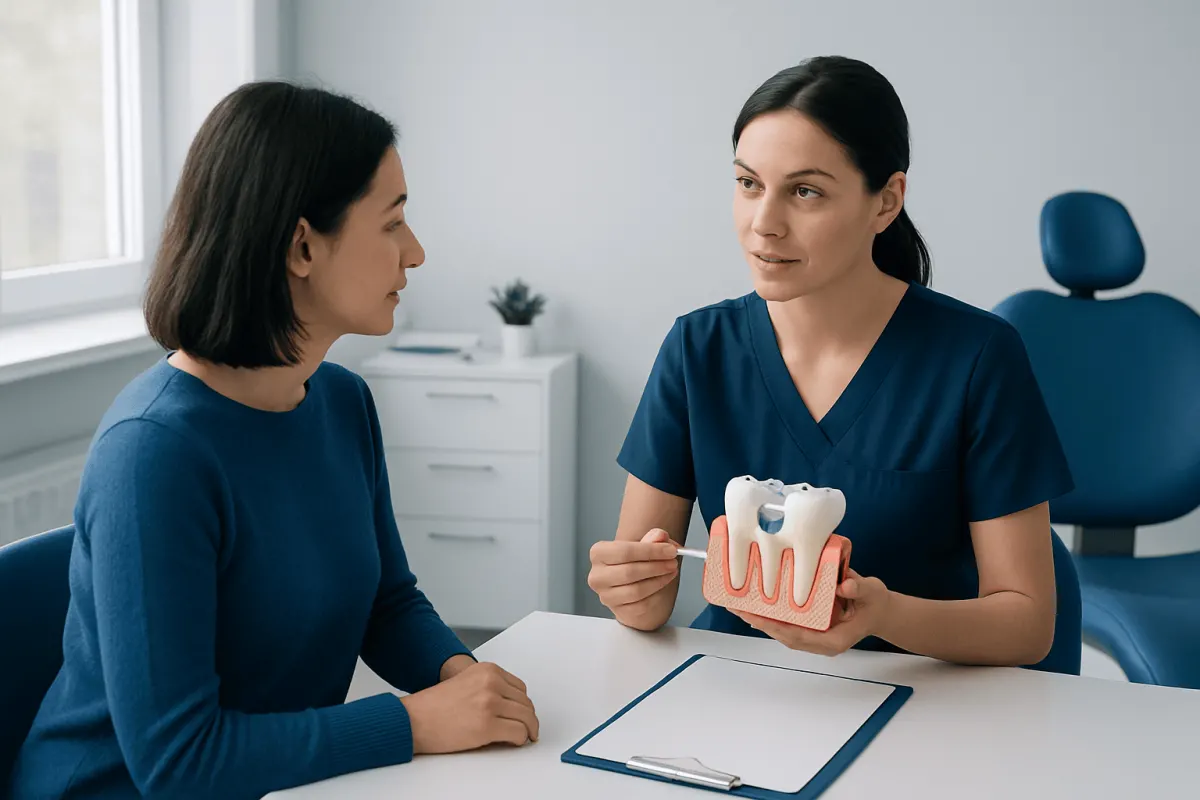
A person may be a candidate for a filling when decay or damage is limited enough that the tooth can be repaired without a crown or root canal treatment. Dentists use an examination, dental X-rays when needed, and sometimes sensitivity or bite tests to assess the depth of the problem. Early treatment may prevent a small cavity from becoming a more extensive dental concern.
Composite resin is often suitable when a natural-looking result is important and there is enough healthy tooth structure for reliable bonding. Ceramic or gold inlays and onlays may be considered when a cavity is too large for a routine filling but enough tooth remains to avoid a full crown. If decay has reached the pulp, the tooth may need root canal treatment before it can be restored.
People with heavy bite forces, night-time teeth grinding, frequent cavities, dry mouth, or difficulty keeping the mouth dry during treatment may need a more individualized plan. In some cases, a dentist may recommend a protective night guard, improved fluoride care, dietary guidance, or a different restoration design to help the repair last longer.
What Happens During a Tooth Filling Procedure?
Most routine filling procedures are completed in one visit. The dentist first examines the tooth and discusses the recommended material. Local anaesthetic may be used so that the area is numb and the patient remains comfortable, especially when decay is deeper or the tooth is sensitive.
The dentist removes decay and cleans the prepared space. For a composite filling, the tooth is usually isolated from saliva, conditioned, and coated with a bonding agent. Composite is placed in small layers, with each layer hardened using a curing light. The dentist then shapes and polishes the filling and checks the bite to make sure the teeth meet comfortably.
For ceramic or gold restorations, the tooth may be prepared and scanned or impressed. A temporary restoration may be placed while a dental laboratory makes the final inlay, onlay, or other restoration. At a later visit, the final piece is bonded or cemented in place. Patients can discuss appropriate restorative options as part of restorative dentistry planning.
What Is the Strongest Tooth Filling Material?
When strength and resistance to chewing forces are the main priorities, gold alloy and ceramic restorations are among the strongest options for repairing larger areas of a tooth. Gold has a long record of durability and can withstand repeated biting forces well. Ceramic inlays and onlays can also be strong, tooth-colored, and appropriate for selected back teeth when designed and bonded correctly.
Dental amalgam is also a strong, durable direct filling material and has traditionally been used in molars. Composite resin can perform well in back teeth, particularly for smaller to moderate restorations, but its success depends on careful placement, the size of the cavity, moisture control, and the person’s bite. Large composite fillings in heavily loaded teeth may be more prone to wear, staining, or fracture over time than some indirect restorations.
The strongest material is not automatically the best tooth filling to get. A very rigid restoration may not be ideal for every tooth, and a large defect may require an onlay or crown rather than simply choosing a stronger filling material. The dentist will balance strength with tooth preservation, appearance, and the risk of future cracking.
What Is the Safest Tooth Filling Material?
The safest tooth filling material is the one that is clinically appropriate, properly placed, and suitable for the individual’s health history. Composite resin, glass ionomer, ceramic, gold, and dental amalgam are established dental materials used by trained dental professionals. Each has possible limitations, such as sensitivity after placement, wear, fracture, or allergic reaction in rare cases.
Dental amalgam has been extensively studied. Major health authorities consider it safe for most people, while recommending that certain groups may avoid or limit its use when suitable alternatives are available. These groups can include people who are pregnant or breastfeeding, children, and individuals with specific kidney or neurological conditions. A dentist can explain current guidance and consider alternatives based on the person’s circumstances.
People with known allergies to metals, resins, latex, or other dental products should tell their dentist before treatment. It is also important to avoid attempting to replace a filling without a clinical reason. Replacing intact restorations can remove additional healthy tooth structure and should be based on a dentist’s assessment.
What Type of Filling Do Most Dentists Use?
Many dentists commonly use composite resin fillings because they are tooth-colored, bond directly to tooth structure, and can be used in a wide range of situations. This is particularly true for visible teeth, where patients often prefer a filling that blends with the natural tooth. Composite has also become widely used in posterior teeth when cavity size and bite conditions are suitable.
What do most dentists use for fillings can vary by country, clinical setting, patient preference, and the nature of the cavity. Amalgam may still be used for selected posterior fillings because of its durability and tolerance of moisture during placement. Glass ionomer may be used in specific locations or when fluoride release is beneficial, while ceramic or gold may be selected for larger, indirect restorations.
The choice should not be based on popularity alone. A dentist should explain why a certain material is recommended, how long it may reasonably be expected to function, what care it requires, and whether other options are appropriate. Asking about appearance, durability, repairability, and the effect on remaining tooth structure can support shared decision-making.
Recovery, Benefits, Risks, and When to Seek Medical Care
After a filling, mild sensitivity to cold, heat, pressure, or sweetness can occur for a short time, especially if the cavity was deep. Numbness from local anaesthetic usually wears off within a few hours. Patients should avoid chewing until numbness has resolved to reduce the chance of biting the cheek or tongue, and they may wish to choose softer foods if the tooth feels tender.
Benefits of a filling include removing decay, restoring tooth shape and function, improving appearance when a tooth-colored material is chosen, and helping prevent damage from progressing. Possible risks include temporary sensitivity, a filling that feels high when biting, material wear or fracture, recurrent decay around the restoration, and rarely irritation of the tooth pulp. Good brushing with fluoride toothpaste, cleaning between teeth, and regular dental reviews help support the restoration’s lifespan.
When to seek medical care: A person should contact a dentist promptly for severe or worsening tooth pain, facial swelling, fever, a loose or broken filling, pain when biting that does not settle, or persistent sensitivity. Urgent assessment is especially important if swelling affects breathing, swallowing, or opening the mouth. Acıbadem Health Point’s multidisciplinary specialists and JCI-accredited hospitals provide dental assessment and treatment for international patients when appropriate.
Frequently asked questions
01What is the best tooth filling material for front teeth?
Composite resin is often the preferred material for front teeth because it can be matched closely to the color of surrounding enamel. It also bonds to the tooth and can be shaped to restore small chips, cavities, or worn edges. A dentist may recommend ceramic for larger or more complex cosmetic restorations.
02What is the best filling material for teeth in the back of the mouth?
The best material for molars depends on the cavity size and bite forces. Composite resin may be suitable for many small-to-medium cavities, while ceramic, gold, or amalgam may be considered for larger restorations or heavily loaded teeth. The remaining amount of healthy tooth structure is an important factor.
03How long do tooth fillings last?
The lifespan of a filling varies with the material, cavity size, bite pressure, oral hygiene, diet, and whether a person grinds their teeth. Fillings can last for many years, but no restoration is permanent. Regular dental examinations can identify wear, cracks, or decay around a filling early.
04Is composite resin better than amalgam?
Neither material is universally better. Composite resin is tooth-colored and bonds to the tooth, while amalgam is durable and can be useful in some posterior teeth. The right choice depends on appearance goals, the tooth being treated, the size of the filling, health considerations, and the dentist’s clinical assessment.
05What is the best tooth filling kit to use at home?
A home tooth filling kit is not a substitute for professional dental care. Temporary repair products may cover a lost filling briefly, but they do not remove decay, restore the tooth properly, or diagnose infection or cracks. A dentist should examine a lost, broken, painful, or sensitive filling as soon as possible.
06Can a tooth filling cause sensitivity?
Yes, mild sensitivity after a filling can occur, especially after treatment of a deep cavity. It often improves as the tooth settles. Persistent, severe, or worsening pain should be assessed by a dentist, as the bite may need adjustment or the tooth may require further treatment.
This article is for general information only and is not a substitute for professional medical advice. Please consult a qualified doctor about your individual situation.
Joint and spine care in Turkey — expert assessment & treatment
JCI-accredited · board-certified surgeons · reply within 24h
Add us as a Preferred Source to see more of our trusted health content across Google Search, AI Overviews and Discover.