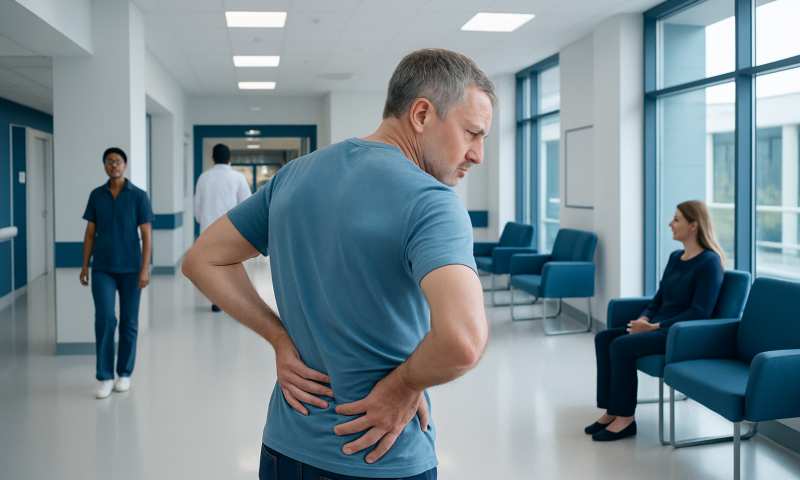
Whats a Hernia: Causes, Symptoms, Diagnosis and Treatment

Key Takeaways
- A hernia is a bulge or protrusion through a weak area in the body wall, most often in the abdomen or groin.
- Symptoms can range from a painless lump to discomfort, heaviness, or pain that worsens with lifting, coughing, or standing.
- Diagnosis usually begins with a physical examination and may include imaging if the diagnosis is unclear or complications are suspected.
- Treatment depends on the hernia type, size, symptoms, and risk of complications; some need monitoring, while others require surgery.
- Sudden severe pain, a tender bulge that will not go back in, vomiting, or skin color changes need prompt medical attention.
A hernia happens when an internal tissue or organ pushes through a weak spot in the muscle or connective tissue that normally holds it in place. Many hernias are treatable, and understanding the signs can help a person seek care at the right time.
Overview
Whats a hernia? In simple terms, it is a weakness in the muscle or connective tissue that allows fat, intestine, or another tissue to push through and form a visible bulge. Hernias most often appear in the abdomen or groin, but they can develop in other areas as well. Some stay small and cause little trouble, while others become painful or complicated over time.
Because hernias can look harmless at first, many people delay evaluation. That is understandable, but a hernia is not something to ignore indefinitely. A timely diagnosis helps a clinician decide whether watchful waiting is reasonable or whether repair is the safer choice. For patients considering treatment, especially those traveling for care, understanding the type of hernia and the plan for recovery is just as important as the operation itself.
Hernias are common across age groups, though the risk changes with life stage, body build, activity level, prior surgery, pregnancy, and chronic strain on the abdominal wall. The good news is that modern treatment is well established, and many people return to normal routines after appropriate care and follow-up.
Symptoms
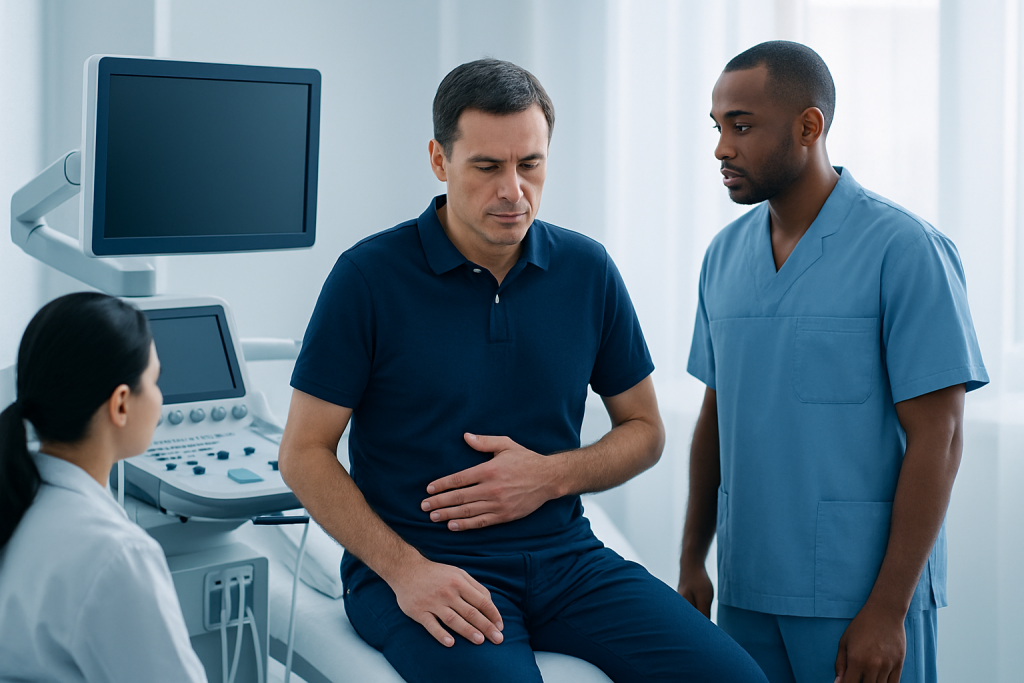
The most familiar sign is a lump or bulge that may become more noticeable when standing, coughing, lifting, or straining, and may flatten when lying down. Some hernias cause a dull ache, pressure, burning, or a dragging sensation rather than sharp pain. Others are found only during an exam because they do not yet cause clear symptoms.
Symptoms often depend on the hernia location. In the groin, discomfort may spread into the thigh or scrotum. Around the navel, a person may notice tenderness or a soft swelling near the belly button. After abdominal surgery, a hernia can appear near the incision and may be more noticeable when the core muscles are engaged.
Warning signs deserve prompt medical review. These include a bulge that becomes increasingly painful, firm, red, or tender, nausea or vomiting, inability to pass stool or gas, or sudden worsening of symptoms after the hernia has been stable. Those features can suggest that the hernia is trapped or cutting off blood flow to tissue.
Causes & Risk Factors
Hernias form when pressure inside the body is greater than the strength of the surrounding tissue. Sometimes the weakness is present from birth; in other cases, it develops over time. Common causes include heavy lifting, repeated straining during bowel movements, chronic coughing, obesity, pregnancy, prior surgery, and aging-related weakening of tissue.
Several factors can raise the likelihood of developing a hernia. A family history of hernias, smoking, poor wound healing, connective tissue disorders, and occupations or sports that involve frequent strain may all contribute. Men are more likely to develop certain groin hernias, while umbilical and incisional hernias may be seen in different clinical settings depending on body changes, surgery history, and overall tissue strength.
It is important to note that one event does not usually “cause” a hernia on its own. More often, a hernia reflects a combination of anatomy, pressure, and time. That is why prevention focuses on reducing strain where possible and addressing underlying issues such as constipation or chronic cough.
Diagnosis
Diagnosis usually begins with a careful physical examination. A clinician may ask the person to cough, stand, or bear down so the bulge becomes easier to see or feel. The location, size, tenderness, and whether the hernia can be gently pushed back in all help guide next steps.
Imaging is sometimes used when the exam is not definitive or when the hernia is deeper or less obvious. Ultrasound is often helpful for groin or abdominal wall concerns, while CT or MRI may be recommended in selected cases to clarify the anatomy or evaluate suspected complications. The goal is not only to confirm that a hernia is present, but also to understand what type it is and whether nearby tissue is at risk.
For international patients, planning matters. Bringing prior imaging, surgery notes, medication lists, and a clear timeline of symptoms can help the treating team make decisions efficiently. That is especially useful when travel time is limited and follow-up may need to be coordinated across countries.
Treatment Options
Treatment is tailored to the person, not just the hernia. Small, minimally symptomatic hernias may be watched over time if a doctor believes the risk of complications is low. In that setting, the focus is on symptom tracking, activity guidance, and planning for reassessment if the bulge changes.
When a hernia causes pain, interferes with daily life, grows over time, or carries a higher risk of incarceration or strangulation, surgical repair is usually considered. Repair may be done through open surgery or minimally invasive techniques, depending on hernia type, size, location, prior operations, and the surgeon’s assessment. In many repairs, a mesh is used to reinforce the weakened area, though the details vary by case.
Recovery plans are just as important as the operation itself. Patients are typically advised to avoid heavy lifting for a period, gradually resume activity, manage pain in a safe way, and watch for wound problems or recurrence. For those receiving care away from home, a clear discharge plan and arranged follow-up help make recovery smoother and safer.
Prevention & Self-care
Not every hernia can be prevented, especially when there is an inherited weakness or a prior surgical scar. Still, practical habits can reduce strain on the abdominal wall. Managing constipation, treating chronic cough, maintaining a healthy weight, and using proper technique when lifting are sensible steps that can lower pressure on vulnerable tissue.
People who already have a hernia should pay attention to symptom changes rather than trying to “push through” discomfort. Gentle activity may be acceptable in some cases, but sudden increases in heavy exertion should be discussed with a clinician. A supportive plan can include education about safe movement, bowel habits, and when to return for review.
- Avoid repeated straining when using the toilet.
- Quit smoking, which can worsen cough and healing.
- Use safe lifting mechanics and ask for help with very heavy loads.
- Follow post-surgical instructions closely if a hernia has been repaired.
For patients traveling internationally, self-care also includes logistics: keep a copy of operative records, know which symptoms require urgent reassessment, and confirm how remote follow-up will work once back home.
When to See a Doctor
A doctor should evaluate any new or unexplained bulge in the abdomen, groin, or around a surgical scar. Even if the lump is painless, an examination can confirm whether it is a hernia and whether monitoring or repair is appropriate. Early evaluation is especially helpful if the person is planning travel, exercise, or physical work that could increase strain.
Immediate medical attention is needed if the hernia becomes suddenly painful, hard, discolored, or impossible to push back in, or if it is accompanied by vomiting, abdominal swelling, fever, or trouble passing stool or gas. Those symptoms may indicate that the hernia is trapped or obstructed and should not wait for a routine appointment.
Acibadem Health Point’s multidisciplinary specialists and JCI-accredited hospitals diagnose and treat hernias for international patients, with care plans that take surgery, recovery, and follow-up into account. The most important step is still the same: seek assessment early enough to keep treatment simple whenever possible.
Living With a Hernia and Planning Care
Living with a hernia can feel inconvenient even when it is not dangerous. A clear plan from a qualified clinician helps people know which activities are reasonable, which symptoms matter, and whether surgery is best handled locally or at a center with broader experience in complex cases. This is particularly relevant for patients comparing options across borders, where expectations for imaging, timing, and recovery may differ.
Patients often do best when they ask practical questions: Is watchful waiting safe in this case? What changes would mean the plan should be revised? If surgery is recommended, how long should travel, work, or sport be delayed afterward? Straight answers to those questions can reduce uncertainty and support safer decisions.
With the right evaluation and follow-up, most hernias can be managed effectively. The key is to move from guessing to knowing: identify the hernia, understand its risks, and choose a treatment path that fits the person’s health, daily life, and travel realities.
Frequently asked questions
01Whats a hernia in plain language?
A hernia is a bulge that happens when tissue pushes through a weak spot in the muscle or connective tissue that holds it in place. It most often occurs in the abdomen or groin. Some hernias cause little discomfort at first, while others become painful or urgent.
02Can a hernia go away on its own?
A hernia generally does not heal on its own because the underlying weakness remains. Some small hernias can be monitored if they are not causing problems, but many eventually need surgical repair. A doctor can help decide which approach is safest.
03What does a hernia feel like?
People often describe a soft bulge, pressure, heaviness, or a dull ache that worsens with coughing, lifting, or standing. Some hernias are painless and are noticed only by appearance or during an exam. Pain that becomes severe or sudden should be checked promptly.
04Is hernia surgery always necessary?
Not always. The need for surgery depends on the hernia type, symptoms, size, and risk of complications. A clinician may recommend observation for some small, stable hernias, but surgery is often advised when symptoms increase or the hernia is at higher risk of trapping tissue.
05How is a hernia diagnosed?
Most hernias are diagnosed with a physical examination. If the diagnosis is uncertain or the hernia is not easy to feel, imaging such as ultrasound, CT, or MRI may be used. The doctor also looks for signs of complications.
06What should a person do if a hernia suddenly becomes painful?
A sudden painful hernia needs urgent medical attention, especially if it cannot be pushed back in or is associated with nausea, vomiting, or skin color changes. These symptoms can mean the tissue is trapped or blood flow is affected. It is safer to seek prompt evaluation rather than wait.
This article is for general information only and is not a substitute for professional medical advice. Please consult a qualified doctor about your individual situation.
Persistent digestive symptoms? Get evaluated in Turkey
JCI-accredited · board-certified surgeons · reply within 24h
Add us as a Preferred Source to see more of our trusted health content across Google Search, AI Overviews and Discover.