Back Ache Left Side Under Ribs: What You Need to Know

Key Takeaways
- Pain under the left ribs and into the back is often related to muscle strain, but digestive, kidney, lung, or spleen conditions can also play a role.
- The pattern of symptoms matters: fever, nausea, shortness of breath, blood in urine, or worsening pain can point to a more specific cause.
- Doctors usually begin with a careful history and physical exam, then use tests such as urine studies, blood work, or imaging when needed.
- Most causes are treatable, and many improve with rest, targeted treatment, hydration, posture changes, or follow-up care.
- A medical check is important if the pain is severe, persistent, recurrent, or comes with red-flag symptoms.
Back ache on the left side under the ribs can come from the muscles, ribs, kidneys, lungs, or digestive organs, so the location alone does not point to one single cause. Understanding the pattern of pain, related symptoms, and when to seek medical care helps people choose the right next step with confidence.
Overview
A back ache left side under ribs is a symptom, not a diagnosis. It can arise from a strained muscle between the ribs, a problem in the stomach or colon, a kidney issue, or less commonly a lung or spleen condition. Because these structures sit close together, the same area can send very different signals.
For many people, the pain starts after lifting, twisting, coughing, or sitting in one position for too long. For others, the discomfort appears with meals, urination, bowel changes, or breathing. That is why the answer is not simply to “wait and see,” but to notice the pattern of the pain and what comes with it.
For international patients, that pattern can guide the first decision: whether the concern is likely minor and self-limited, or whether it deserves prompt medical assessment before travel, after arrival, or during recovery. A careful evaluation helps avoid unnecessary worry and also prevents important conditions from being missed.
Symptoms
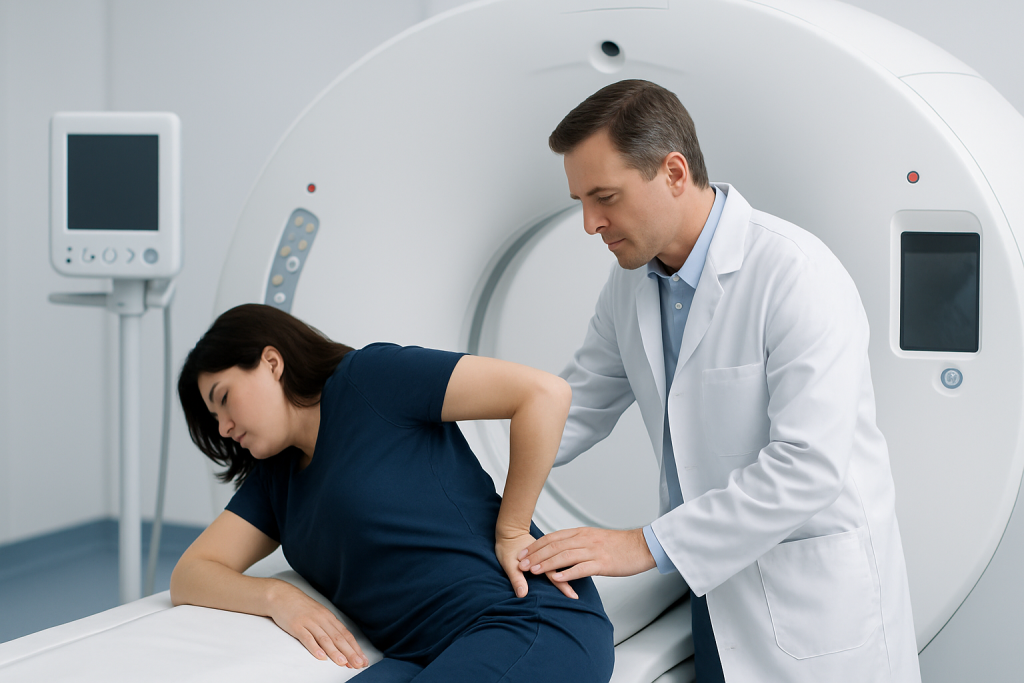
The pain may feel sharp, dull, burning, tight, or cramping. Some people notice it only with movement or deep breaths, while others feel it constantly. It may stay in one spot under the left ribs or spread toward the flank, shoulder blade, abdomen, or chest.
Related symptoms often give the clearest clues. Digestive causes may bring bloating, nausea, reflux, constipation, diarrhea, or pain after eating. Kidney-related pain may be paired with urinary burning, urgency, fever, or cloudy or bloody urine. Chest or lung-related causes can include cough, shortness of breath, or pain that worsens with breathing.
Warning signs deserve timely attention rather than home monitoring alone. These include sudden severe pain, fainting, trouble breathing, vomiting that does not stop, black or bloody stools, blood in the urine, unexplained weight loss, or pain after an injury. In older adults, children, and people with chronic disease, even less dramatic symptoms may still need evaluation sooner.
Causes & Risk Factors

Muscle strain is one of the most common explanations for pain in this area. Repetitive movement, poor posture, heavy lifting, sudden twisting, or an intense workout can irritate the muscles and joints of the chest wall and upper back. The pain often changes with position, pressure, or movement.
Digestive causes can also produce pain under the left ribs and into the back. Gas, constipation, acid reflux, gastritis, pancreatitis, and problems affecting the spleen or colon may create discomfort in that region. Pain linked to meals, nausea, changes in bowel habits, or abdominal swelling deserves a closer look.
Other possibilities include kidney stones or kidney infection, pneumonia, pleurisy, and, less commonly, shingles before the rash appears. Risk increases with dehydration, a history of kidney stones, recent respiratory infection, injury, heavy physical work, prior abdominal surgery, or conditions that affect the digestive tract. Because the list is broad, the story behind the pain matters more than the location alone.
Diagnosis
Diagnosis usually begins with questions about when the pain started, what it feels like, whether it changes with movement or eating, and what other symptoms are present. A clinician may also ask about recent exercise, travel, injury, infections, urinary symptoms, bowel changes, and medications.
A physical exam helps narrow the source. The doctor may press on the ribs and abdomen, listen to the lungs, check the back for tenderness, and look for signs of dehydration or inflammation. If the pain seems muscular, the exam may be enough to guide treatment; if the cause is less clear, tests are used to add detail.
Common tests may include urine analysis, blood work, ultrasound, X-ray, or CT scan, depending on the suspected cause. In a cross-border care setting, it is especially helpful to bring prior imaging, medication lists, and any recent lab results so the evaluation can move efficiently and safely.
Treatment Options
Treatment depends on the cause. Muscle strain often improves with rest, gentle movement, heat or cold, posture correction, and avoiding activities that trigger the pain. A clinician may suggest pain-relief strategies that are appropriate for the person’s overall health and medical history.
Digestive causes are treated according to the diagnosis. This may include dietary adjustments, hydration, medications for reflux or constipation, or further evaluation if inflammation or another condition is suspected. Kidney infection, kidney stones, lung problems, or spleen-related concerns require condition-specific care and sometimes urgent treatment.
When pain is part of a more complex picture, doctors may recommend a stepwise plan: stabilize the immediate problem, confirm the cause, then arrange follow-up. For international patients, this can include an explanation of which symptoms can be watched at home, which need re-evaluation, and how to continue care after returning home. Acibadem Health Point’s multidisciplinary specialists and JCI-accredited hospitals diagnose and treat this condition for international patients.
Prevention & Self-care
Not every cause can be prevented, but some habits lower the chance of recurring pain. Good lifting technique, core-strengthening exercises, regular movement breaks, and attention to workstation posture can reduce strain on the back and rib area. Staying hydrated may also help lower the risk of some kidney-related problems.
For digestive comfort, smaller meals, adequate fiber, and avoiding personal trigger foods may help when reflux, constipation, or bloating are involved. People who know they have kidney stones, stomach conditions, or back problems should follow their clinician’s long-term plan rather than waiting for symptoms to flare.
Self-care should remain conservative when the cause is not yet known. It is reasonable to rest, avoid heavy exertion, and track how the pain behaves. If the pain is new after travel, infection, injury, or a change in bowel or urinary habits, arranging medical review is often the most practical next step.
When to See a Doctor
Medical assessment is wise when the pain lasts more than a few days, keeps returning, or interferes with sleep, eating, breathing, or movement. It is also appropriate if the person cannot tell whether the pain is coming from the back, abdomen, ribs, or urinary tract.
Urgent care is needed for severe or rapidly worsening pain, chest pain, shortness of breath, fever, vomiting, blood in the urine, black stools, fainting, or pain after a fall or blow. A sudden new rash in the same area may also need prompt review, especially if shingles is possible.
People managing care from another country should not delay if the pain changes during travel or recovery. A clinician can help decide whether the issue is safe for scheduled follow-up or whether it should be evaluated sooner, especially when previous records are incomplete or the cause has not yet been confirmed.
FAQ
Is back ache left side under ribs usually muscle pain?
It often is, especially if it worsens with movement, twisting, or pressing on the area. However, pain in this location can also come from the digestive system, kidneys, lungs, or spleen, so the full symptom pattern matters.
Can gas or constipation cause pain under the left ribs and back?
Yes, trapped gas and constipation can create pressure or cramping that is felt under the left ribs and into the back. If the pain is persistent, severe, or paired with vomiting, fever, or blood in the stool, it should be checked by a doctor.
Could kidney stones cause pain on the left side under the ribs?
Yes, kidney stones can cause flank or back pain that may spread toward the ribs, abdomen, or groin. Urinary symptoms, nausea, or blood in the urine make a kidney cause more likely and justify medical evaluation.
When is left-sided back pain under the ribs an emergency?
It is an emergency if the pain is sudden and severe, follows injury, or comes with trouble breathing, fainting, chest pain, vomiting that will not stop, or blood in the urine or stool. Fever with worsening pain also deserves prompt assessment.
What tests might a doctor order?
Depending on the suspected cause, a clinician may order urine testing, blood tests, or imaging such as ultrasound, X-ray, or CT. The goal is to match the test to the most likely source of pain rather than testing broadly without direction.
Should someone travel for treatment if the cause is unclear?
If the pain is mild and stable, travel may still be possible with medical advice. If the pain is severe, unexplained, or linked to red-flag symptoms, it is safer to seek assessment before travel or immediately on arrival.
This article is for general information only and is not a substitute for professional medical advice. Please consult a qualified doctor about your individual situation.
Medical weight-loss options in Turkey — costs & eligibility
JCI-accredited · board-certified surgeons · reply within 24h
Add us as a Preferred Source to see more of our trusted health content across Google Search, AI Overviews and Discover.