What Tea is Best for Heartburn?

Key Takeaways
- Herbal, caffeine-free teas are usually the safest starting point for heartburn relief.
- Peppermint and spearmint teas may worsen reflux in some people.
- Ginger tea may help some people feel less nauseated, but it is not a cure for GERD.
- Tea should be sipped slowly and kept weak, warm, and not too hot to reduce irritation.
- Frequent heartburn, swallowing problems, or chest pain should be assessed by a doctor.
For many people, the gentlest teas for heartburn are non-minty herbal options such as chamomile or ginger tea, taken in moderation and without caffeine. The best choice depends on individual triggers, because some teas can relax the lower esophageal sphincter and worsen reflux instead of helping it.
Overview
For people asking what tea is best for heartburn, the short answer is usually a mild, caffeine-free herbal tea such as chamomile or ginger tea. These options may feel soothing to the throat and stomach, but they do not work the same way for everyone. The most helpful tea is often the one that does not trigger symptoms in the first place.
Heartburn happens when stomach acid moves upward into the esophagus, creating a burning feeling behind the breastbone. Tea can sometimes be part of a comforting routine, yet some types — especially caffeinated teas or mint teas — may aggravate reflux. For that reason, choosing tea for heartburn is less about a universal “best” tea and more about knowing which ingredients are gentlest for an individual body.
For international patients, this is also a practical question during travel or recovery: familiar drinks may be missing, routines can change, and reflux may flare with stress, different foods, or delayed meals. A simple, careful tea choice can be one small way to stay comfortable while a doctor evaluates whether symptoms are occasional heartburn or a sign of gastroesophageal reflux disease, often called GERD.
Symptoms
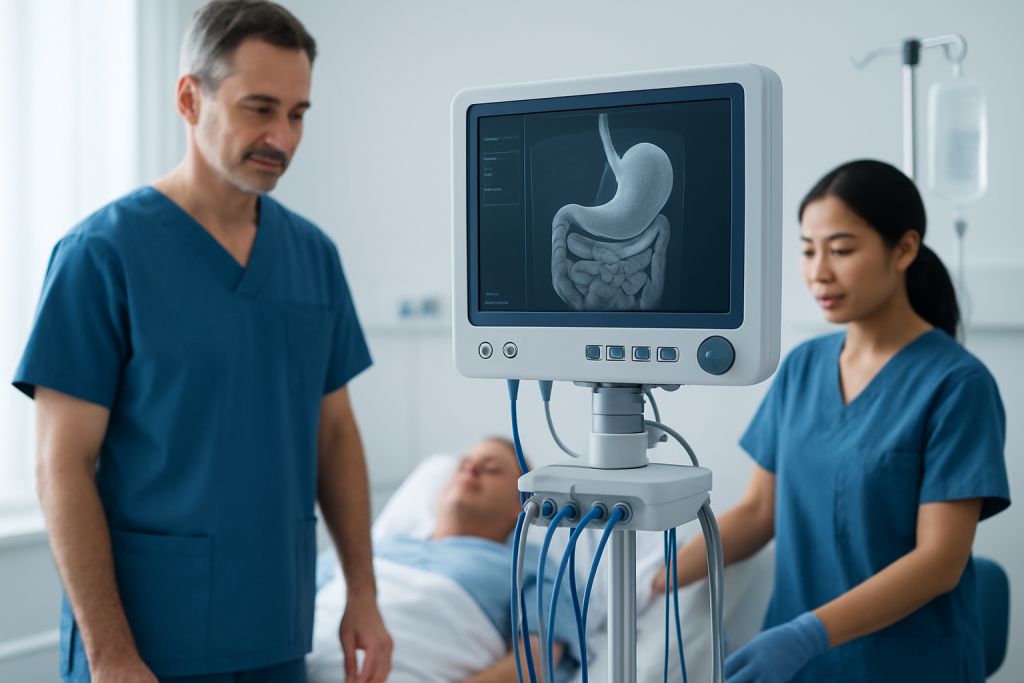
Heartburn is typically felt as a burning discomfort in the chest or upper abdomen. It may be worse after large meals, when bending over, or when lying down soon after eating. Some people also notice a sour taste in the mouth, burping, or a feeling that food is coming back up.
When reflux is more frequent, symptoms may become broader. A person might feel throat irritation, chronic cough, hoarseness, or a sense of lumpiness in the throat. These symptoms do not always mean severe disease, but they do deserve attention if they keep returning.
Tea does not treat the underlying cause of heartburn, so the goal is usually comfort rather than cure. If a tea seems to help, it may be because it is warm, non-acidic, and caffeine-free — not because it changes acid production in a major way.
Causes & Risk Factors

Heartburn can be triggered by many everyday factors. Common contributors include large meals, fatty or spicy foods, alcohol, smoking, excess body weight, pregnancy, and lying down too soon after eating. Certain medicines may also irritate the stomach or make reflux more likely.
Tea itself can be a trigger or a helper depending on the type. Black tea, green tea, and some bottled teas contain caffeine, which may worsen symptoms in some people. Mint teas are another important caution because peppermint and spearmint can relax the lower esophageal sphincter, the muscle that helps keep stomach contents in place.
People with a history of GERD, hiatal hernia, or frequent indigestion may be more sensitive to beverage choices. Stress and irregular eating patterns can also make symptoms feel more noticeable, especially when someone is traveling, recovering from illness, or changing routines.
- More likely to aggravate reflux: caffeinated teas, mint teas, very hot drinks, highly sweetened teas
- More likely to be gentle: chamomile, ginger, fennel, or other caffeine-free herbal teas
Diagnosis
Doctors usually diagnose heartburn and reflux by listening carefully to the symptom pattern. They ask when symptoms happen, what makes them better or worse, and whether the person has trouble swallowing, unexplained weight loss, vomiting, or chest discomfort.
Most people do not need extensive testing right away if symptoms are mild and typical. However, if symptoms are frequent, persistent, or atypical, a doctor may recommend tests such as upper endoscopy, reflux monitoring, or imaging studies to look more closely at the esophagus and stomach.
For someone who is trying teas and home strategies without enough relief, a medical review can clarify whether the issue is simple heartburn, GERD, gastritis, or another condition. That distinction matters because the best treatment plan is different for each one.
Treatment Options
When people wonder which tea is best for heartburn, it helps to think of tea as a supportive measure rather than a primary treatment. Mild herbal teas may soothe symptoms for some people, but recurrent reflux often needs a broader plan that addresses meals, habits, and sometimes medication.
Chamomile tea is often chosen for its gentle, calming character. Ginger tea is another common option; it may help settle the stomach, especially if nausea is part of the picture. Fennel tea is also used by some people for digestive comfort, though evidence is limited and individual tolerance varies. These teas are usually best when they are weak, caffeine-free, and not consumed in large amounts.
Teas to use more cautiously include peppermint, spearmint, black tea, and strong green tea. For many people, mint can make reflux worse, even if it seems soothing at first. Caffeine may also increase symptoms, particularly when tea is taken on an empty stomach or late in the day.
Medical treatment may include antacids, acid reducers, or other prescription medicines when symptoms are frequent or troublesome. A doctor may also suggest checking for contributing issues such as H. pylori infection, medication side effects, or lifestyle patterns that keep reflux active.
Practical tea tips for heartburn:
- Choose caffeine-free, non-mint herbal teas.
- Keep the tea warm, not very hot.
- Drink slowly and in modest amounts.
- Avoid adding lots of sugar, citrus, or lemon.
- Notice personal triggers and stop any tea that seems to worsen symptoms.
Prevention & Self-care
The most reliable way to reduce heartburn is to lower the chance of reflux events, not just to calm the burning after it starts. Small changes often help: eating smaller meals, avoiding late-night eating, staying upright after meals, and identifying foods or drinks that are personal triggers.
Self-care also includes being strategic with tea. If a person enjoys tea, it may help to reserve it for daytime, pair it with food rather than drinking it on an empty stomach, and keep it away from bedtime. Some people do better with a short list of trusted teas rather than trying many blends that may contain hidden caffeine or mint.
For those traveling or recovering away from home, consistency matters. Bringing familiar caffeine-free tea bags, keeping meal times regular, and avoiding large portions in the evening can reduce flare-ups. If symptoms are frequent, however, the focus should shift from self-management to clinical evaluation.
When to See a Doctor
Medical advice is important if heartburn happens more than occasionally, if it is not improving with simple changes, or if a person needs frequent over-the-counter remedies. A doctor should also assess symptoms that begin later in life or change in character over time.
Seek prompt evaluation for warning signs such as trouble swallowing, food sticking in the throat, vomiting blood, black stools, unexplained weight loss, persistent vomiting, or chest pain that could be related to the heart. Chest pain should never be assumed to be heartburn without proper assessment, especially in people with heart or vascular risk factors.
For patients coming from abroad, a structured review can be especially helpful because long-standing reflux sometimes gets normalized until it starts affecting sleep, appetite, or quality of life. Acibadem Health Point’s multidisciplinary specialists and JCI-accredited hospitals diagnose and treat heartburn and reflux conditions for international patients in a coordinated way.
Frequently Asked Questions
What tea is best for heartburn?
For many people, chamomile tea or a mild ginger tea is a reasonable starting point because both are caffeine-free and often gentle. The best option depends on individual tolerance, and some people find that even herbal teas can trigger symptoms.
Is peppermint tea good for heartburn?
Peppermint tea is often not a good choice for heartburn. It can relax the muscle that keeps stomach acid from flowing back into the esophagus, which may worsen reflux in some people.
Can green tea cause heartburn?
It can, especially if it contains caffeine or is strong. Some people tolerate green tea well, while others notice more burning or regurgitation after drinking it.
Does ginger tea help acid reflux?
Ginger tea may help some people feel less nauseated and more comfortable after meals. It is not a guaranteed treatment for reflux, and very strong ginger preparations may bother some stomachs.
Should tea be avoided completely if someone has GERD?
Not necessarily. Many people with GERD can still enjoy tea if they choose caffeine-free, non-mint options and pay attention to timing, temperature, and portion size. Personal symptom patterns matter more than a universal rule.
When is heartburn more than a simple food trigger?
When it is frequent, wakes someone from sleep, or comes with swallowing problems, weight loss, vomiting, or chest pain, it should be evaluated. Those features suggest that a doctor should look for a cause beyond an occasional upset stomach.
Helpful, reliable sources for this topic include the American College of Gastroenterology, the National Institute of Diabetes and Digestive and Kidney Diseases, the Mayo Clinic, the Cleveland Clinic, and the British Society of Gastroenterology. These organizations provide patient education on reflux, GERD, and lifestyle approaches that may reduce symptoms.
Frequently asked questions
01What tea is best for heartburn?
Mild, caffeine-free herbal teas such as chamomile are often the gentlest starting point, and ginger tea may also be tolerated by some people. The best tea is the one that does not worsen a person’s symptoms, so individual response matters.
02Is peppermint tea a good choice for reflux?
Usually not. Peppermint can relax the lower esophageal sphincter, which may make reflux more likely in some people. If heartburn is a problem, mint teas are often worth avoiding.
03Can tea make heartburn worse?
Yes, depending on the type and strength of the tea. Caffeinated teas and mint teas are more likely to trigger symptoms, especially if taken on an empty stomach or close to bedtime.
04Does ginger tea cure acid reflux?
No tea cures acid reflux, but ginger tea may feel soothing for some people. It should be viewed as a comfort measure, not a replacement for medical treatment when reflux is frequent or persistent.
05What should someone do if tea does not help heartburn?
They should look at other common triggers such as meal size, late-night eating, alcohol, caffeine, and spicy or fatty foods. If symptoms keep returning, a doctor can help determine whether the person has GERD or another condition.
06When should heartburn be checked by a doctor?
Heartburn should be checked if it happens often, does not improve with simple changes, or comes with warning signs like swallowing trouble, vomiting, weight loss, or chest pain. These symptoms deserve medical assessment rather than self-treatment alone.
This article is for general information only and is not a substitute for professional medical advice. Please consult a qualified doctor about your individual situation.
Persistent digestive symptoms? Get evaluated in Turkey
JCI-accredited · board-certified surgeons · reply within 24h
Add us as a Preferred Source to see more of our trusted health content across Google Search, AI Overviews and Discover.