Diarrhea After C Section: What You Need to Know
Key Takeaways
- Diarrhea after C section is often short-lived and may be related to anesthesia, antibiotics, pain medicines, or changes in eating and fluids.
- Mild diarrhea can sometimes be managed with hydration, gentle foods, and rest while monitoring for dehydration.
- Fever, severe belly pain, blood in the stool, or diarrhea that lasts more than a few days should prompt medical review.
- Breastfeeding, recovery from surgery, and sleep loss can make postpartum digestion more sensitive, so symptom tracking is useful.
- A doctor may consider infection, medication side effects, or a separate gastrointestinal condition if symptoms do not settle.
Diarrhea after C section can be a temporary part of recovery, but it may also reflect medication effects, diet changes, infection, or another digestive issue. Most cases improve with time and simple supportive care, though persistent or severe symptoms should be assessed by a doctor.
Overview
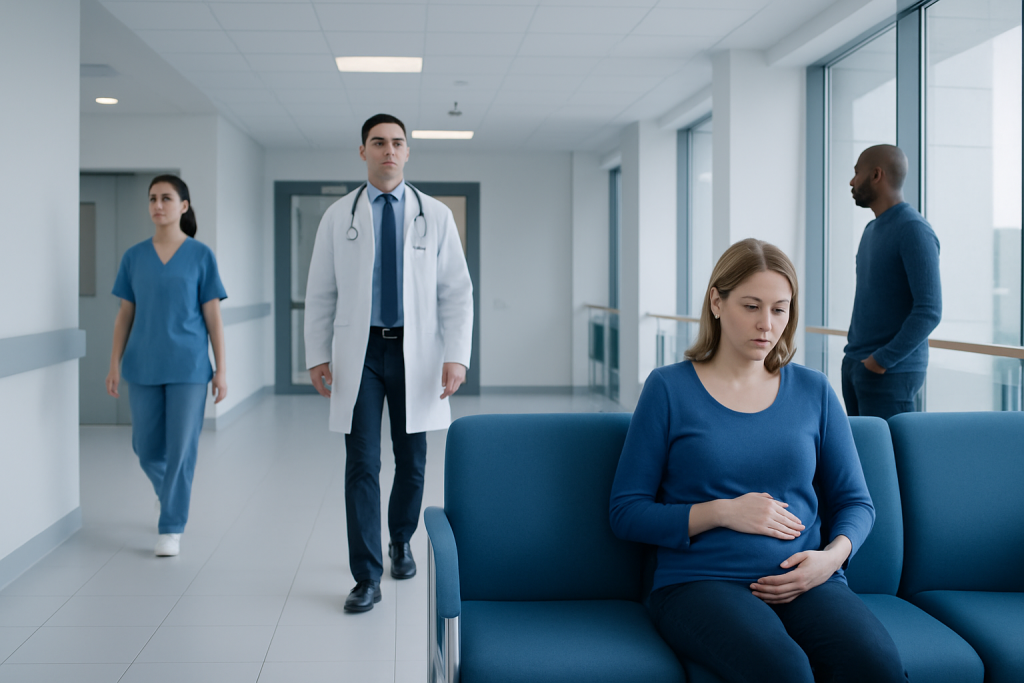
Diarrhea after C section can surprise new mothers because the focus is usually on the incision, pain control, and caring for the baby. In many cases, it is a temporary reaction to the body’s recovery process rather than a sign of a serious problem.
Several everyday factors can affect the bowel after cesarean birth. Antibiotics, stool softeners, pain medicines, hospital meals, less sleep, stress, and a changed eating pattern can all influence digestion. For some women, the first question is simply whether the bowel change is expected; the answer is that it can be, especially in the first days after surgery.
That said, diarrhea should not be dismissed if it becomes frequent, watery, painful, or persistent. Postpartum recovery involves more than the uterus and incision, and digestive symptoms deserve attention when they do not follow the usual short recovery pattern.
Symptoms and What May Be Normal
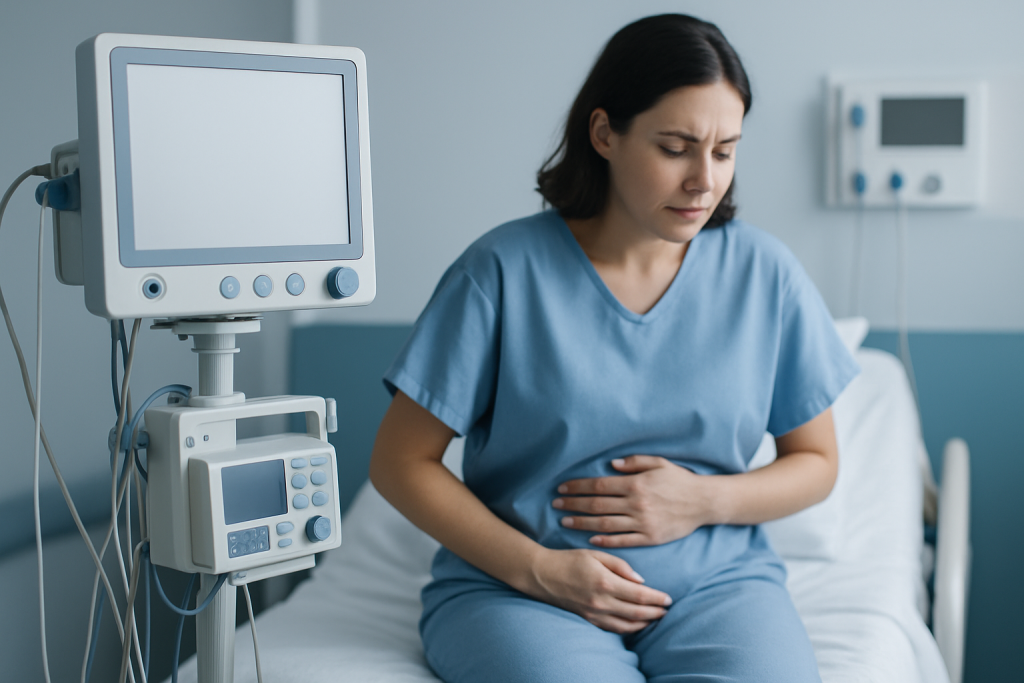
Postoperative bowel habits vary widely. Some women have loose stools once or twice after leaving the hospital, then return to their usual pattern. Others notice cramping, urgency, or a more sensitive stomach while their appetite and fluid intake are still adjusting.
Diarrhea is generally defined as loose or watery stools that happen more often than usual. In the postpartum period, it may come with mild bloating or a rumbling abdomen. If the woman is otherwise feeling well, drinking enough fluids, and the symptoms ease over a short time, the cause is often temporary.
Symptoms that suggest a doctor should take a closer look include:
- More than a day or two of frequent watery stools
- Fever, chills, or worsening abdominal pain
- Blood or black color in the stool
- Signs of dehydration such as dizziness, very dark urine, or dry mouth
- Vomiting or the inability to keep fluids down
It is also important to distinguish diarrhea from bowel urgency after pain medicine or from normal changes in the first postpartum bowel movements. A clinician can help identify what is expected and what is not.
Causes and Risk Factors
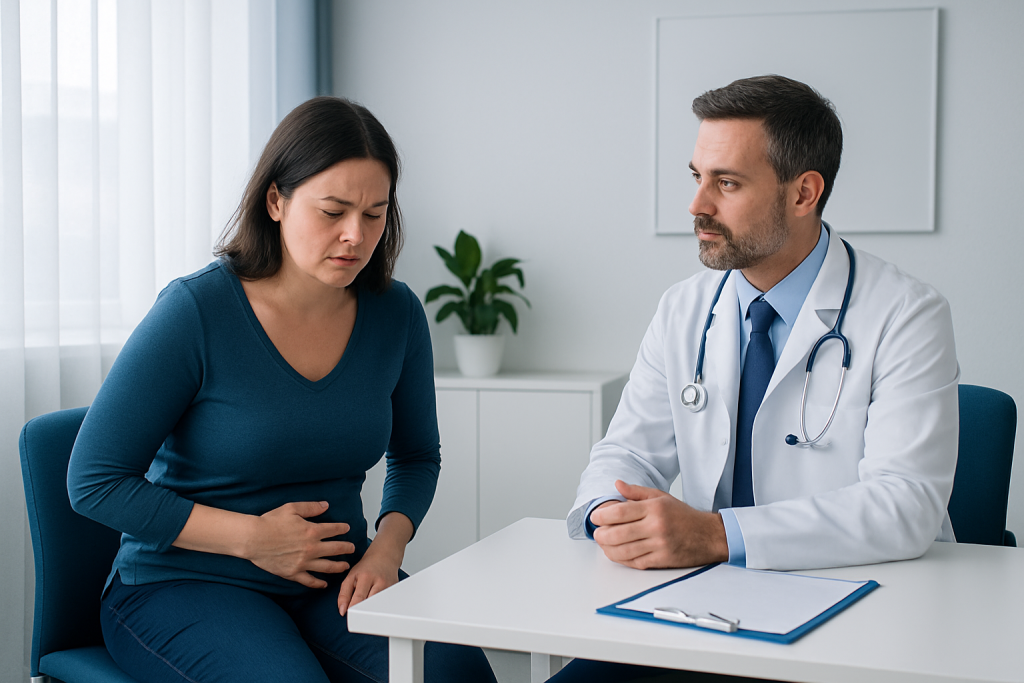
There is no single cause of diarrhea after C section. Often, more than one factor is involved, and the timing of the symptoms offers an important clue. Understanding the likely trigger can help narrow down whether simple home care is enough or whether a medical evaluation is needed.
Common causes include antibiotics used around the time of surgery, which can disrupt the balance of intestinal bacteria. Pain medicines, especially if the bowel is sensitive, may also contribute. A sudden change in diet, irregular meals, anxiety, and reduced activity after surgery can affect the gut as well.
Other possible contributors include:
- Viral or bacterial stomach infections acquired in the hospital or at home
- Food intolerance or food poisoning
- Iron supplements or other postpartum medications
- Stress and sleep deprivation affecting gut motility
- Underlying digestive conditions such as irritable bowel syndrome, which may flare during recovery
Risk can be higher in women who receive antibiotics for a longer period, have a sensitive digestive system, or are recovering from another postpartum issue that limits eating and hydration. When symptoms appear after the mother has already been improving, a new infection or a medication reaction should be considered.
How Doctors Evaluate It
Evaluation usually starts with a careful history. The doctor will ask when the diarrhea began, how often it occurs, whether there is fever or pain, what medications were used after surgery, and whether anyone else in the household is ill. This helps separate a short-lived postoperative change from an infection or another medical issue.
A physical examination may focus on hydration status, abdominal tenderness, incision healing, and signs of uterine or pelvic infection. If the stool pattern is severe, prolonged, or associated with concerning features, tests may be considered. These can include stool studies, blood tests, or, in some cases, evaluation for antibiotic-related complications.
Testing is not always needed. Many mild cases improve with observation and supportive care. Still, in the postpartum setting, it is sensible to speak up early if symptoms are not settling, because mothers recovering from surgery can become dehydrated more quickly than they realize.
Treatment Options
Treatment depends on the cause. When diarrhea is mild and short-lived, the main goals are to replace fluids, protect energy levels, and reduce irritation to the digestive tract. If a medication is the likely trigger, the doctor may adjust the treatment plan rather than stopping medicine on the mother’s own.
General supportive measures often include drinking small, frequent amounts of water or oral rehydration fluids, and choosing bland foods that are easy to digest. Examples may include rice, toast, bananas, applesauce, soup, and crackers, depending on tolerance. Eating smaller meals can be easier than trying to manage large portions during recovery.
If an infection is found, treatment is guided by the cause. Some infections improve with time and hydration, while others require specific medicine. A doctor may also review whether probiotics are appropriate, but these should be discussed rather than started automatically, especially in women with ongoing medical issues or complex recovery needs.
It is best to avoid self-medicating with anti-diarrheal drugs without professional advice, particularly soon after surgery. In the wrong situation, these medicines can mask a more important problem or worsen certain infections.
Prevention and Self-care
Not every case of diarrhea after C section can be prevented, but a few practical steps can make the recovery period easier on the gut. Gentle routines often work better than trying to return immediately to a normal pace. The digestive system is adjusting while the body is also healing from surgery and adapting to newborn care.
Helpful self-care measures include staying well hydrated, taking medications exactly as prescribed, and avoiding very greasy or heavily spiced meals if they seem to worsen symptoms. Rest is also part of recovery, because exhaustion can affect appetite and digestion. If breastfeeding, the mother may need extra fluids and regular meals to support her own energy needs.
- Drink fluids throughout the day instead of waiting until thirst is strong.
- Choose simple, non-irritating foods until stools improve.
- Wash hands carefully to reduce the spread of stomach infections.
- Keep a note of medicines and the timing of symptoms.
- Pay attention to urine color and frequency as a quick hydration check.
If the mother is traveling for postpartum care or returning home to another country, it helps to keep discharge instructions, a medication list, and the surgeon’s contact details readily available. That makes it easier to communicate clearly with any local doctor if bowel symptoms continue.
When to See a Doctor
A doctor should be contacted if diarrhea lasts more than a short period, keeps returning, or interferes with eating, drinking, or rest. It is especially important to seek assessment if the mother feels weak, lightheaded, or unable to stay hydrated, because dehydration can complicate recovery.
Prompt medical review is also recommended if there is fever, significant abdominal pain, bloody stool, repeated vomiting, or a change in the incision such as redness, drainage, or increasing tenderness. These symptoms may point to infection or another postpartum complication that needs examination rather than watchful waiting.
Women who have a history of inflammatory bowel disease, irritable bowel syndrome, recent antibiotic use, or a prior difficult digestive recovery should mention that history to their doctor. In the right setting, a multidisciplinary team can help evaluate both postoperative and gastrointestinal causes. At Acibadem Health Point, multidisciplinary specialists and JCI-accredited hospitals diagnose and treat this condition for international patients in a coordinated way.
Frequently asked questions
01Is diarrhea after C section normal?
It can be. Some women experience temporary loose stools after surgery because of antibiotics, pain medicines, diet changes, or stress on the body. If it is mild and short-lived, it often improves on its own, but persistent or severe symptoms should be checked.
02Can antibiotics cause diarrhea after a C section?
Yes. Antibiotics can disturb the natural balance of bacteria in the gut, which may lead to loose stools. This is usually temporary, but if diarrhea is severe, watery, or accompanied by fever or abdominal pain, medical advice is important.
03How long does postpartum diarrhea usually last?
The length varies depending on the cause. A mild medication or diet-related episode may settle within a day or two, while infection or another digestive issue can last longer. If it does not improve, a doctor should evaluate it.
04What should a new mother eat if she has diarrhea after C section?
Small, simple meals are often easiest to tolerate. Bland foods such as toast, rice, bananas, crackers, or soup may be helpful, along with plenty of fluids. It is sensible to avoid foods that seem to worsen symptoms until the stomach settles.
05Can diarrhea affect C section wound healing?
Indirectly, yes, if it leads to dehydration, poor appetite, or weakness. Good fluid intake and rest help support overall healing. If diarrhea is ongoing, the mother should let her doctor know so the cause can be addressed.
06Should I take anti-diarrheal medicine on my own after surgery?
It is better to ask a doctor first. Some medicines are not suitable if an infection or another postoperative issue is present. A clinician can advise whether supportive care alone is enough or whether a different treatment is needed.
This article is for general information only and is not a substitute for professional medical advice. Please consult a qualified doctor about your individual situation.
Persistent digestive symptoms? Get evaluated in Turkey
JCI-accredited · board-certified surgeons · reply within 24h
Add us as a Preferred Source to see more of our trusted health content across Google Search, AI Overviews and Discover.