What Percentage of Sessile Polyps Are Cancerous?
Most sessile polyps are not cancerous when found, and many can be completely removed during colonoscopy before cancer develops. A polyp’s cancer risk cannot be determined by its flat shape alone; pathology, size, location and microscopic features provide the most reliable answer.
The short answer: how often are sessile polyps cancerous?
Most sessile polyps are not cancerous at the time they are found. However, there is no medically reliable single percentage for all sessile polyps because “sessile” describes the polyp’s shape—a broad, flat base rather than a stalk—not its cell type or behavior. The chance that a polyp contains cancer or could develop into cancer depends mainly on its size, microscopic type, location and appearance during colonoscopy.
Many sessile polyps are harmless hyperplastic polyps. Others are adenomas or serrated lesions, which are considered precancerous because some may gradually develop into colorectal cancer if they remain in place for years. Finding and removing these lesions is one of the main ways colorectal Bladder Cancer Screening: How It Works, Results and What to Expect" class="ahp-ilk">cancer screening helps prevent cancer.
A pathology report gives the clearest answer after removal or biopsy. Until that result is available, a sessile polyp should be viewed as a common finding that deserves appropriate assessment—not as proof that a person has cancer.
What does “sessile polyp” mean?
A polyp is a growth arising from the inner lining of the colon or rectum. Polyps may be pedunculated, meaning they are attached by a narrow stalk, or sessile, meaning they are flatter and attached directly to the bowel lining with a broad base. Sessile polyps can be small and easy to remove, but larger flat lesions may be more technically challenging to identify and remove completely.
Shape alone does not tell a doctor whether a polyp is benign, precancerous or cancerous. During colonoscopy, the endoscopist considers features such as the lesion’s size, surface pattern, borders, location and whether it can be removed safely. The tissue is then examined by a pathologist under a microscope.
Some serrated lesions, especially those in the upper part of the colon, can be subtle and flat. This is one reason careful bowel preparation and a high-quality colonoscopy are important. More information about related cancer evaluation is available in the colon cancer health resource.
Which features can raise or lower cancer risk?
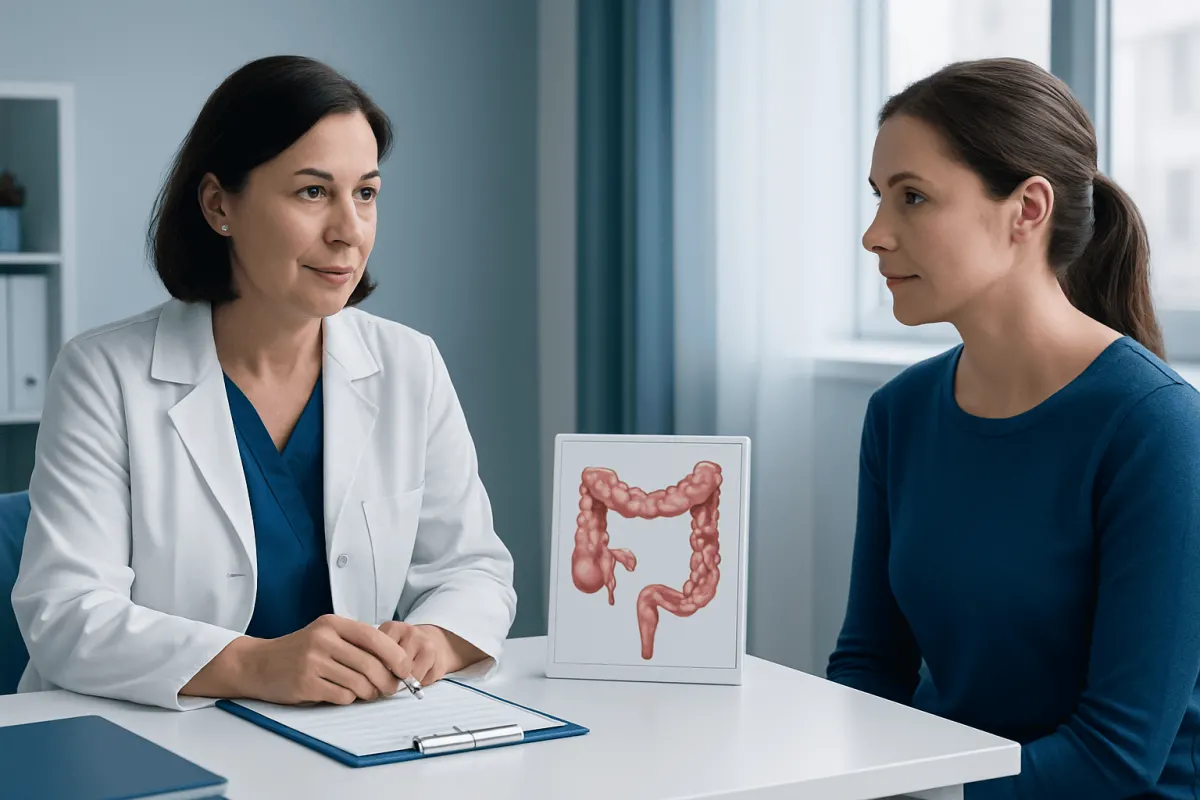
Polyp type is especially important. Small hyperplastic polyps, particularly in the rectum and lower colon, are generally considered low risk. Conventional adenomas and sessile serrated lesions may be precancerous, but they are not the same as cancer. Only a minority of precancerous polyps progress to cancer, often over a long period.
In general, the likelihood of advanced precancerous changes or cancer increases when a polyp is larger, has an irregular or depressed surface, has high-grade dysplasia on pathology, or cannot be fully removed. Size matters because larger lesions have had more opportunity to accumulate cellular changes. Still, even a large sessile polyp may be noncancerous, while a smaller lesion can occasionally show concerning changes.
Personal factors also guide follow-up planning. These include older age, a previous history of adenomas or serrated lesions, inflammatory bowel disease, and a strong family history of colorectal cancer or certain inherited cancer syndromes. These factors do not diagnose cancer, but they may justify earlier or more frequent screening.
- Lower-risk examples: small hyperplastic polyps and completely removed low-risk adenomas.
- Higher-risk features: larger size, advanced pathology, multiple polyps, incomplete removal, or a suspicious colonoscopy appearance.
- Most important next step: review the final pathology report with the doctor who performed the colonoscopy.
Symptoms and red flags to take seriously
Most colon polyps, including sessile polyps, cause no symptoms. They are commonly found during screening colonoscopy or while investigating another digestive concern. The absence of symptoms is reassuring but does not replace recommended screening, because early polyps and early colorectal cancer can be silent.
Medical review is important for rectal bleeding, blood mixed with stool, black or tar-like stools, persistent changes in bowel habits, unexplained iron-deficiency anemia, ongoing abdominal pain, or unintentional weight loss. These symptoms have many possible causes, including hemorrhoids, infections and digestive conditions, but they should not be self-diagnosed.
A person who has already been told they have a large sessile polyp should attend the advised follow-up appointment even if they feel well. If heavy rectal bleeding, fainting, severe abdominal pain, fever or worsening abdominal swelling occurs after a colonoscopy or polyp removal, urgent medical assessment is needed.
How doctors assess a sessile polyp
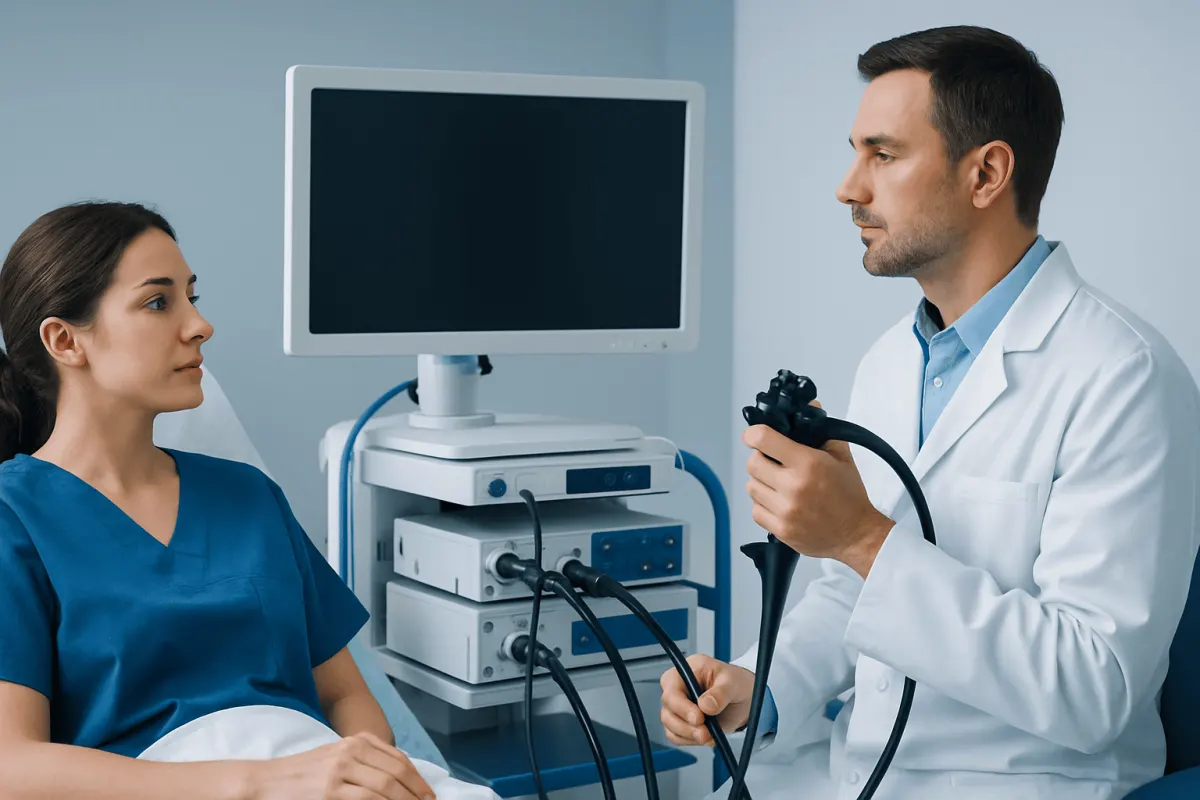
Colonoscopy is the main test used to detect and assess colon polyps. It lets the doctor examine the full colon, document the size and location of a lesion, and use enhanced imaging techniques when appropriate. In many cases, the polyp can be removed during the same procedure.
After removal, the specimen is sent to pathology. The report identifies whether the lesion is hyperplastic, adenomatous, serrated or cancerous and describes any dysplasia, which means abnormal precancerous cellular changes. If cancer is found within a polyp, the report may also assess features that help determine whether removal was likely complete and whether further treatment is needed.
If a lesion is large, flat, in a difficult location or appears to extend more deeply into the bowel wall, the doctor may refer the person to an advanced endoscopist or colorectal surgeon. Further assessment can include repeat colonoscopy with specialized removal techniques, imaging tests, or surgical consultation. This stepwise approach helps match treatment to the individual findings.
Removal and follow-up: what happens next?
Most sessile polyps can be removed endoscopically. Small lesions are often taken out with a snare, while larger flat lesions may require techniques such as endoscopic mucosal resection. These procedures aim to remove the abnormal tissue while preserving the bowel whenever it is safe to do so. Colonoscopy is therefore both a diagnostic and a preventive procedure.
Occasionally, surgery is advised. This may be considered when cancer is suspected or confirmed, when the lesion cannot be safely or completely removed by endoscopy, or when pathology shows features suggesting a higher chance of cancer cells beyond the polyp. A recommendation for surgery does not necessarily mean that cancer has spread; it may be a precaution to achieve complete treatment and accurate staging.
The timing of the next colonoscopy depends on the number of polyps, their size, type, pathology findings and how confidently they were removed. People should keep a copy of their colonoscopy and pathology reports, since these details guide future screening. When surgery or additional care is needed, colorectal cancer surgery may be considered as part of a multidisciplinary plan.
Reducing future risk and when to seek medical care
No lifestyle measure can guarantee that polyps will not occur, but regular screening remains the most effective way to find and remove precancerous lesions early. A balanced eating pattern rich in fiber-containing foods, regular physical activity, avoiding tobacco, limiting alcohol and maintaining a weight that is healthy for the individual may support overall colorectal health. A doctor can also advise whether medicines or supplements are appropriate; these should not be started solely for polyp prevention without medical guidance.
People should arrange a medical appointment if they have concerning bowel symptoms, a positive stool-based screening test, a prior polyp that needs surveillance, or a first-degree relative with colorectal cancer or advanced polyps. Screening recommendations vary by country and personal risk, so the appropriate starting age and test should be discussed with a qualified clinician.
Acıbadem Health Point’s multidisciplinary specialists and JCI-accredited hospitals assess colon polyps and related digestive conditions for international patients. A gastroenterologist can explain the pathology results, confirm an appropriate surveillance plan and discuss whether additional treatment is necessary.
A reassuring perspective on sessile polyps
Hearing that a sessile polyp was found can understandably cause concern, but the finding is often an opportunity for prevention. Most such polyps are not cancerous, and many potentially precancerous lesions can be removed completely before they cause harm.
The most useful questions for the treating doctor are: What type of polyp was it? How large was it? Was it removed completely? What did the pathology show? When should the next colonoscopy take place? Clear answers to these questions are more informative than trying to estimate risk from the word “sessile” alone.
Timely follow-up is important, especially when a pathology report identifies an adenoma, sessile serrated lesion, advanced dysplasia or cancer. With appropriate removal and surveillance, many people can move forward with confidence and a tailored plan for colorectal health.
Frequently asked questions
01Are sessile polyps more likely to be cancerous than pedunculated polyps?
Sessile polyps are not automatically cancerous or necessarily more dangerous simply because they are flat. Their risk depends primarily on the tissue type, size, microscopic changes and whether the lesion can be completely removed. Larger flat lesions can sometimes be harder to assess or remove, which is why specialist review may be advised.
02Can a doctor tell if a sessile polyp is cancerous during colonoscopy?
The colonoscopy appearance can help a doctor estimate whether a polyp looks low risk or suspicious. However, a definitive diagnosis usually requires pathology testing of tissue removed or biopsied during the procedure. The final report may take several days, depending on the laboratory.
03What is the difference between a sessile serrated lesion and a sessile polyp?
Sessile polyp refers to shape, while sessile serrated lesion refers to a specific microscopic type of polyp. Sessile serrated lesions can be precancerous and are often flat, but not every sessile polyp is a sessile serrated lesion. Pathology is needed to distinguish the types.
04Does removal of a sessile polyp prevent colon cancer?
Removing an adenoma or serrated lesion can reduce the chance that the particular lesion will progress to colorectal cancer. It does not prevent every future polyp from forming, so the recommended surveillance schedule remains important. Follow-up is tailored to the pathology and quality of removal.
05How soon should a large sessile polyp be removed?
A large sessile polyp should be evaluated and managed promptly according to the endoscopist’s recommendation, particularly if it was not removed during the first procedure. Many are still noncancerous, but timely assessment allows complete removal or additional testing if needed. The exact timeframe depends on its appearance, location, symptoms and pathology findings.
06Can sessile polyps cause bleeding?
Some polyps can bleed slowly or intermittently, although most do not cause noticeable symptoms. Rectal bleeding, dark stools, fatigue related to anemia or any persistent bowel change should be assessed by a clinician. These symptoms can have causes other than polyps, so testing is needed to identify the reason.
This article is for general information only and is not a substitute for professional medical advice. Please consult a qualified doctor about your individual situation.
Persistent digestive symptoms? Get evaluated in Turkey
JCI-accredited · board-certified surgeons · reply within 24h
Add us as a Preferred Source to see more of our trusted health content across Google Search, AI Overviews and Discover.