

What Is Uvula Swelling Up? A Complete Medical Guide
- 9 min read
- Published November 27, 2026
Key Takeaways
- A swollen uvula is a symptom, not a diagnosis, and the cause determines treatment.
- Common triggers include infection, allergy, snoring, reflux, smoking, dehydration, and irritation.
- Trouble breathing, drooling, or rapid swelling needs urgent medical attention.
- Mild cases often improve with hydration, rest, and treatment of the underlying cause.
- Persistent or recurring swelling should be evaluated by an ENT or primary care doctor.
Uvula swelling up usually means the small tissue hanging at the back of the throat has become irritated or inflamed. It can happen from infection, allergy, reflux, injury, or dehydration, and most cases improve once the cause is treated.
Overview
Uvula swelling up means the uvula — the small, soft tissue that hangs down from the back of the palate — has become enlarged or puffy. In medical terms, this is often called uvular edema or uvulitis when inflammation is involved. The symptom can look dramatic, but the cause is often something manageable, such as irritation, dehydration, a viral infection, or an allergic reaction.
For many people, the first clue is a sensation that something is “stuck” in the throat, along with a scratchy voice, throat discomfort, gagging, or trouble swallowing. The key point is that swollen uvula is a sign the throat needs attention, not a condition that should be guessed at from appearance alone. The right response depends on whether the swelling is mild and temporary or part of a broader problem affecting the airway or the rest of the body.
Because the throat plays a role in breathing, swallowing, and speech, doctors pay close attention to any uvular swelling that comes on quickly or is paired with other symptoms. In some cases, the swelling is isolated and settles with supportive care. In other situations, it may be part of a bacterial infection, a medication reaction, or a more serious allergic response that needs prompt treatment.
For people deciding whether to seek care at home or while traveling, it helps to think in terms of pattern and speed. A sore throat after a cold is very different from sudden swelling after a new food, medication, or dental procedure. That distinction often guides the next step in care.
Symptoms
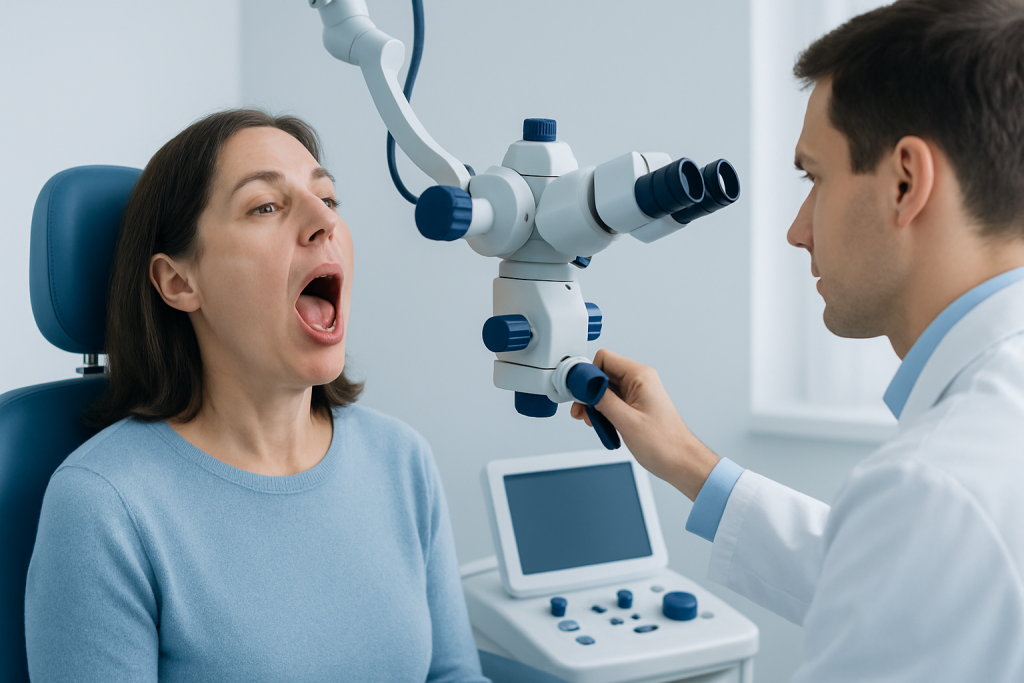
The most visible sign is a uvula that looks red, enlarged, or elongated. Some people notice it touching the tongue or throat more than usual, which can trigger gagging or the feeling of a lump in the throat. Swallowing may feel uncomfortable, and speaking can sound slightly muffled or “full.”
Other symptoms often depend on the cause. When infection is involved, there may be fever, sore throat, swollen tonsils, or general fatigue. With allergy-related swelling, symptoms can include itching, hives, lip or tongue swelling, wheezing, or a sense of tightness in the throat. Irritation from snoring, smoke, or reflux may cause dryness, burning, or morning throat discomfort rather than fever.
It is especially important to watch for signs that the airway may be affected. These can include:
- Difficulty breathing or noisy breathing
- Drooling or inability to swallow saliva
- Rapidly worsening throat swelling
- Blue lips, severe voice change, or panic from breathlessness
- Swelling of the lips, tongue, or face along with the uvula
These symptoms do not automatically mean a dangerous condition, but they do justify urgent medical assessment. A clinician can help determine whether the swelling is limited to the uvula or part of a broader reaction.
Causes & Risk Factors

There is no single reason for uvula swelling up. The tissue is delicate and reacts to many kinds of stress, which is why the cause is often found by reviewing recent symptoms, exposures, and medical history rather than by appearance alone.
Common causes include viral or bacterial throat infections, allergic reactions, dehydration, mouth breathing during sleep, loud snoring, acid reflux, and direct irritation from smoking, alcohol, hot foods, or inhaled substances. Sometimes the uvula becomes irritated after a procedure such as endoscopy, dental work, or intubation, because the tissue was touched or compressed. Less commonly, certain medications can contribute to swelling through an allergic or inflammatory response.
Risk tends to be higher in people who:
- Have allergies or a history of angioedema
- Snore heavily or have sleep-disordered breathing
- Smoke or vape
- Experience frequent reflux or heartburn
- Are dehydrated or have recently had limited fluid intake
- Have a recent upper respiratory infection
Sometimes the cause is not obvious, especially when the swelling appears overnight. In those cases, doctors look for clues such as fever, rash, new foods, medication exposure, recent illness, or trauma to the throat. This is one reason a careful medical review matters more than self-diagnosis.
Diagnosis
Doctors usually begin by asking when the swelling started, whether it is getting worse, and whether there are symptoms elsewhere in the body. They may also ask about recent infections, allergies, new medicines, snoring, reflux symptoms, smoking, or recent dental and airway procedures. These details often narrow the possibilities quickly.
The physical exam typically includes a look at the throat, tonsils, tongue, lips, and breathing pattern. If the uvula is the only tissue involved, the cause may be irritation or a mild infection. If the swelling is paired with fever, pus on the tonsils, rash, hives, or breathing difficulty, the evaluation becomes more urgent and more comprehensive.
Depending on the situation, a clinician may use a rapid strep test, throat culture, allergy assessment, blood tests, or imaging if another problem is suspected. In emergency settings, the first priority is always protecting the airway. If the patient is stable, the doctor can focus on identifying the cause and selecting treatment that matches the underlying trigger rather than just the swelling itself.
Treatment Options
Treatment is guided by the cause. If the uvula is swollen because of dehydration or irritation, supportive care may be enough. This can include drinking fluids, avoiding irritants such as smoke or alcohol, resting the voice, and using measures that soothe the throat. When reflux is involved, managing acid exposure often helps reduce recurrence.
If infection is the likely cause, a doctor may recommend treatment based on whether the infection appears viral or bacterial. Viral cases usually improve with time and comfort measures, while bacterial infection may need prescription therapy. When an allergic reaction is suspected, medical treatment may include antihistamines or other emergency medications, depending on severity. The goal is to treat the reaction promptly and prevent progression.
People should not try to forcefully press on the uvula, use untested home remedies that could irritate the throat, or delay care when breathing symptoms are present. A swollen uvula can sometimes be one piece of a larger problem, and the safest plan is to let a clinician decide whether simple observation is enough or whether active treatment is needed.
For international patients who need a specialist opinion while abroad, a coordinated evaluation can be especially helpful. In that setting, multidisciplinary ENT and emergency teams can work together so the cause is identified and the patient knows what to do next, both before travel and during recovery.
Prevention & Self-care
Not every episode can be prevented, but many triggers can be reduced. Staying hydrated, treating reflux, avoiding tobacco exposure, and managing snoring or mouth breathing may lower the chance of repeated irritation. People with known allergies should keep their action plan current and avoid triggers as advised by their clinician.
Simple comfort measures may help mild cases recover more smoothly. Warm fluids, adequate rest, and avoiding very spicy, acidic, or scratchy foods can make swallowing less uncomfortable. A humidified room may be soothing if dryness is part of the problem. If a person has been ill, gentle oral hydration often matters more than pushing through normal routines too quickly.
Prevention also includes paying attention to patterns. If swelling happens after a specific food, new medication, or a night of intense snoring, that clue should be shared with a doctor. Recurrent episodes are worth evaluating, because repeat inflammation can signal an ongoing issue such as chronic reflux, allergic angioedema, or sleep-related airway irritation.
When to See a Doctor
Medical advice is appropriate if uvula swelling lasts more than a day or two, keeps returning, or is accompanied by fever, significant pain, or trouble swallowing. A clinician should also be contacted if the person is unsure whether the cause is infection, allergy, or irritation, because those problems are treated differently.
Urgent care is needed if there is any breathing difficulty, drooling, rapid swelling, widespread hives, tongue or lip swelling, or a change in voice that suggests the throat is narrowing. Even if symptoms improve briefly, rapid-onset swelling deserves prompt assessment because some reactions can worsen again.
For people recovering after travel, surgery, or a procedure abroad, follow-up is just as important as the initial visit. Clear written instructions, medication review, and an understanding of warning signs can make recovery safer and less stressful. Acibadem Health Point’s multidisciplinary specialists and JCI-accredited hospitals diagnose and treat this condition for international patients, with care coordinated around both medical needs and travel plans.
Frequently asked questions
01What does it mean when the uvula is swollen?
It means the small tissue hanging at the back of the throat has become enlarged, usually from irritation, infection, allergy, reflux, or dehydration. The swelling itself is a symptom, so the next step is identifying what caused it.
02Can a swollen uvula go away on its own?
Yes, mild cases sometimes improve without specific treatment, especially when the cause is temporary irritation or dryness. If symptoms are severe, recurrent, or linked to fever or breathing problems, medical evaluation is needed.
03Is uvula swelling up an emergency?
It can be, especially if it comes on quickly or is paired with breathing difficulty, drooling, tongue swelling, or hives. Those signs may suggest an allergic reaction or airway involvement and should be assessed urgently.
04Can reflux cause the uvula to swell?
Yes, acid reflux can irritate the throat and contribute to uvular inflammation in some people. When reflux is the cause, reducing acid exposure often helps prevent repeat episodes.
05How do doctors diagnose the cause of a swollen uvula?
They usually start with a throat exam and questions about recent illness, allergies, medications, snoring, smoking, and procedures. Depending on the findings, they may order a strep test, cultures, or other tests to confirm the cause.
06Should a person avoid eating when the uvula is swollen?
If swallowing is painful, soft foods and cool fluids may be easier to tolerate. However, if swallowing becomes difficult or saliva cannot be handled safely, urgent medical care is needed.
This article is for general information only and is not a substitute for professional medical advice. Please consult a qualified doctor about your individual situation.
Persistent digestive symptoms? Get evaluated in Turkey
JCI-accredited · board-certified surgeons · reply within 24h
Add us as a Preferred Source to see more of our trusted health content across Google Search, AI Overviews and Discover.



How can we help you today?
Meet an Acibadem specialist by secure video, before you travel.
Book a video visit