

What Is Calorie Kj Kcal? A Complete Medical Guide
- 10 min read
- Published November 27, 2026
Key Takeaways
- kcal and Calorie are often used to mean the same thing in food and nutrition contexts
- kJ is the metric unit of energy, while kcal is still commonly used on nutrition labels
- Reading both kJ and kcal can help people compare packaged foods more accurately
- Energy values are only one part of healthy eating; food quality and portion size matter too
- People with diabetes, weight concerns, or medical nutrition needs may benefit from personalized advice
Calorie, kJ, and kcal are different ways of describing the energy food provides. Understanding them helps people read labels more confidently, compare foods more accurately, and make practical choices for daily nutrition.
Overview
When someone asks what calorie kJ kcal means, the short answer is that all three are ways to describe energy. In everyday nutrition, kcal is the term most people see on food labels, while kJ is another standard unit used in many countries. They are not separate nutrients; they are simply different measurements of the energy a food or drink can provide.
This can feel confusing at first, especially when packaged foods list both numbers side by side. The useful part is that the system is consistent: once a person knows what the units mean, it becomes much easier to compare products, manage portions, and plan meals with more confidence. For patients traveling for care or adapting to a new country’s food labels, learning these units can make daily eating feel less complicated.
In medical nutrition discussions, energy values matter because the body needs energy for breathing, movement, growth, and repair. However, energy numbers alone do not describe how nourishing a food is. A healthful diet also depends on protein, fiber, vitamins, minerals, hydration, and overall eating patterns.
Calorie, kcal, and kJ: What is the difference?
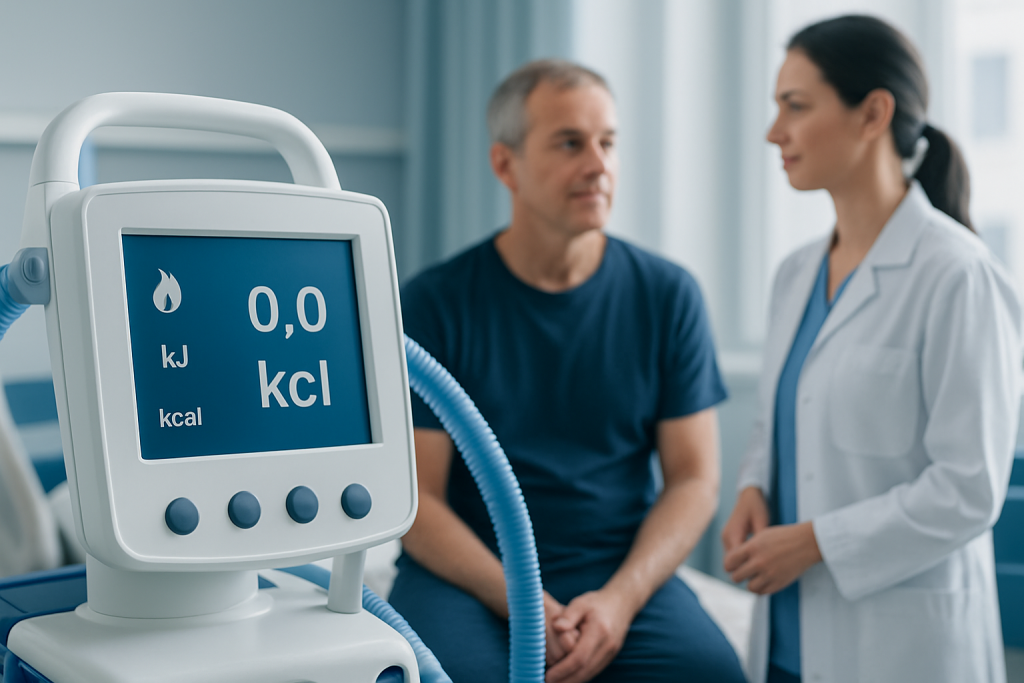
The word calorie is used in more than one way, which is part of the confusion. In science, a calorie is a very small unit of energy. In everyday food labeling, people usually use Calorie with a capital C to mean kilocalorie, which is the same as kcal. So when a food label says 200 Calories, it usually means 200 kilocalories.
kJ stands for kilojoule. It is another unit used to express energy. Many food labels outside the United States list both kcal and kJ, and some only list one of them depending on local labeling rules. The body uses the energy in food regardless of which unit is printed; the label is simply choosing a measurement system.
A simple way to think about it is this: kcal and Calories are the common food-label language, while kJ is the metric alternative. The exact conversion is not necessary for most people to know by heart, but it helps to remember that the same food will show different numbers depending on the unit used.
- 1 kcal is approximately 4.2 kJ
- 1 kJ is approximately 0.24 kcal
- Calories on food labels usually mean kcal, not small scientific calories
How energy from food works in the body

The human body relies on energy for every basic function, from keeping the heart beating to supporting thinking, walking, digestion, and temperature control. Food provides that energy through carbohydrates, fats, proteins, and, in some cases, alcohol. The number on a label reflects the amount of energy the body can obtain from the serving.
Energy needs differ from person to person. Age, sex, body size, physical activity, growth, pregnancy, recovery from illness, and certain medical conditions all influence how much energy a person may need. A very active adult may need more energy than a sedentary adult, while someone recovering from surgery may have changing nutrition needs during healing.
It is also important to remember that the body does not treat every calorie exactly the same way in real life. A meal with fiber, protein, and healthy fats may feel more satisfying and support steadier blood sugar than a highly refined food with the same energy number. For that reason, nutrition care looks at both quantity and quality.
How to read calorie, kJ, and kcal on food labels
Food labels can become much easier to use once the energy line is understood. Some labels show energy per 100 grams or 100 milliliters, while others also show the amount per serving. The per-100 amount is helpful for comparing different brands fairly, especially when serving sizes are not the same.
When comparing packaged foods, patients should look beyond the energy figure alone. A product may have a similar kcal count to another but contain more sugar, sodium, or saturated fat. Another item may have fewer calories yet offer less protein or fiber, which can affect fullness and blood sugar response.
For people traveling internationally, label formats may vary. One country may emphasize kcal, another kJ, and another both. A good practical habit is to check the unit first, then compare the same unit across similar products. If a meal plan is being followed for a medical reason, a dietitian or clinician can help interpret labels in the local system.
- Look for energy per 100 g/ml when comparing similar products
- Check serving size carefully, since small portions can make numbers look lower
- Review sugar, salt, fiber, protein, and fat, not just energy alone
Common causes of confusion
Many people first notice the difference between calorie, kJ, and kcal when they move between countries or switch from one type of food label to another. A snack that seems to have a different energy value may actually be using a different unit, not offering more or less energy in real terms. The meaning becomes clearer once the unit is identified.
Another common source of confusion is the word calorie itself. In casual conversation, it is often used to mean kcal, but in scientific contexts it can refer to a much smaller unit. This difference matters mostly when reading technical material, not everyday food packaging. Still, it helps explain why the same meal may be described in more than one way.
Portion size also causes misunderstandings. A package may list energy for half the pack, one cup, or one slice, which can make the label look lower than expected. People trying to manage weight or blood sugar may find it useful to confirm exactly what one serving means before making a decision about a food.
When energy values matter most
Energy measurements become especially important when a person is trying to lose weight, gain weight, maintain current weight, or manage a health condition that changes appetite or metabolism. They can also matter for athletes, children, older adults, and people recovering from illness or surgery, where energy needs may be different from the average adult diet.
In diabetes care, understanding energy on labels can support better meal planning, but it does not replace carbohydrate awareness or blood sugar monitoring. In general, a person with diabetes may benefit from looking at the full nutrition panel, especially carbohydrate, fiber, and portion size, alongside the energy value.
During recovery or long-distance medical travel, appetite may change and meals may be irregular. In those situations, a health professional may recommend focusing on nutrient-dense foods rather than trying to count every calorie perfectly. The goal is usually consistency, adequate protein, and practical meals that are realistic to follow.
Healthier ways to use calorie, kJ, and kcal information
Energy information is most useful when it supports calm, everyday decisions rather than strict rules. A person can use it to compare similar products, notice portion sizes, and understand why one snack keeps them satisfied longer than another. Over time, this creates a more intuitive sense of how food choices fit into a daily routine.
It can also help to pair energy awareness with simple quality checks. Foods that are higher in fiber, protein, and minimally processed ingredients often support fullness and steadier eating patterns. Meanwhile, highly processed foods can be easy to overeat even when the energy number looks modest on the label.
For people visiting a clinic abroad or following a plan after treatment, a registered dietitian or physician can help translate nutrition advice into the local label system. In the right setting, understanding kcal and kJ becomes a practical tool, not a source of stress.
- Choose portions that fit the overall meal, not just the label number
- Use energy values to compare similar foods, not to judge foods in isolation
- Balance energy with protein, fiber, and micronutrients
When to see a doctor
Most people can learn the basics of calorie, kJ, and kcal on their own, but medical advice is helpful when nutrition needs are changing. A doctor or dietitian should be consulted if there is unexplained weight loss or gain, persistent appetite loss, trouble eating, or a new condition such as diabetes, thyroid disease, or digestive illness that affects food intake.
People who are pregnant, older adults with poor appetite, children with growth concerns, or patients recovering from surgery may also benefit from individualized guidance. In these cases, the right energy intake depends on the whole clinical picture, not just one number on a label.
Acibadem Health Point’s multidisciplinary specialists and JCI-accredited hospitals diagnose and treat many conditions that affect nutrition and energy needs for international patients, with care plans tailored to each person’s medical situation and travel context. That support can be especially useful when someone needs follow-up after returning home.
Anyone who feels uncertain about how to interpret food labels in a new country should ask for professional help rather than guessing. A brief consultation can make the numbers easier to understand and can turn label reading into a useful, low-stress habit.
Frequently asked questions
01What does calorie kJ kcal mean on a food label?
It means the label is showing the energy content of the food in one or more units. kcal and Calories are commonly used interchangeably on food labels, while kJ is another standard energy unit. The food itself has the same energy value; only the measurement changes.
02Is kcal the same as Calorie?
In nutrition labels, yes, Calorie with a capital C usually means the same thing as kilocalorie, or kcal. This is why many nutrition discussions use the terms together. The small scientific calorie is different, but it is not the one most people mean when reading food labels.
03Why do some countries use kJ instead of calories?
Different regions use different labeling systems and measurement preferences. Many countries list both kJ and kcal, while some emphasize one more than the other. Both are valid ways to measure energy.
04How can a person convert kJ to kcal?
A rough estimate is that 1 kcal equals about 4.2 kJ. That means a food with 420 kJ provides about 100 kcal. For everyday use, many people simply compare the same unit on different labels instead of converting each time.
05Does a lower calorie number always mean a healthier food?
Not necessarily. A food can be low in calories but also low in protein, fiber, or important nutrients. Healthier choices usually depend on the whole picture, including ingredients, portion size, and how the food fits into the rest of the day.
06Should people count calories every day?
Not everyone needs to count calories daily. Some people find it helpful for weight management or medical nutrition planning, while others do better with portion awareness and balanced meal habits. A doctor or dietitian can suggest the most practical approach for the individual.
This article is for general information only and is not a substitute for professional medical advice. Please consult a qualified doctor about your individual situation.
Medical weight-loss options in Turkey — costs & eligibility
JCI-accredited · board-certified surgeons · reply within 24h
Add us as a Preferred Source to see more of our trusted health content across Google Search, AI Overviews and Discover.



How can we help you today?
Meet an Acibadem specialist by secure video, before you travel.
Book a video visit